
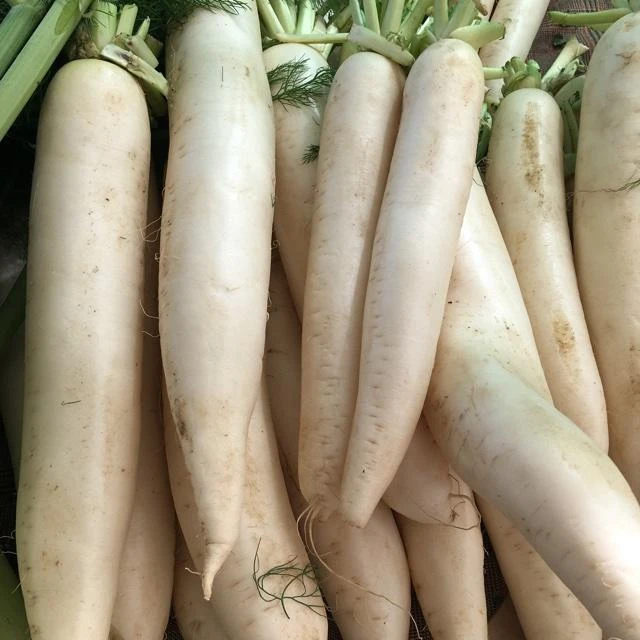
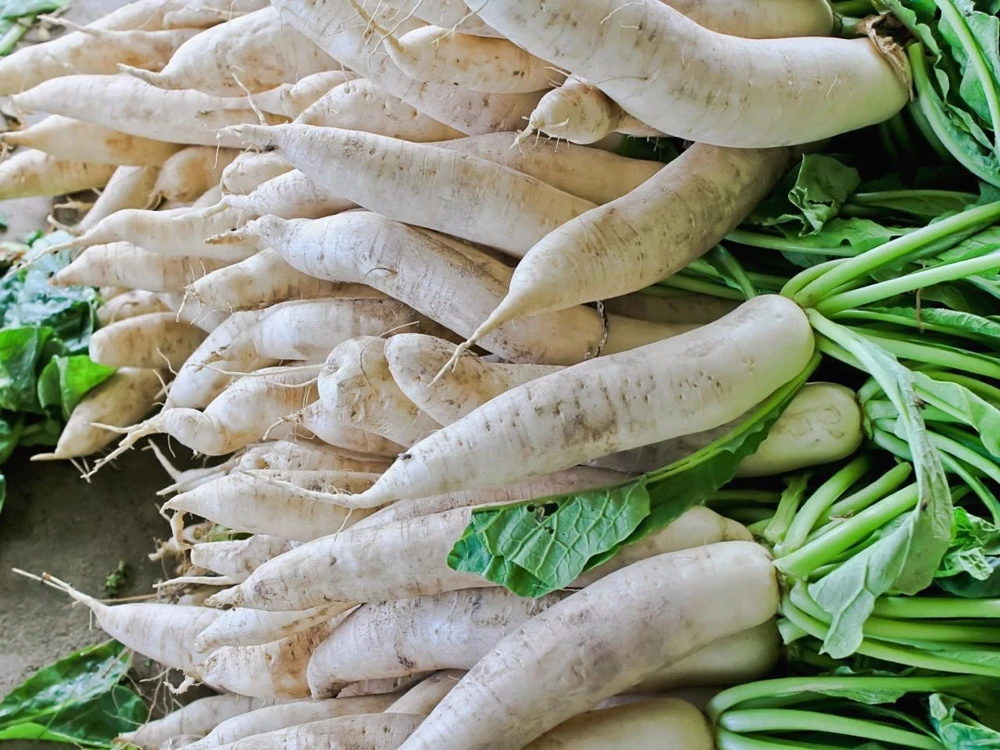
Daikon Radish Seeds – Extremely Large, White, Outdoor, Deer Plot
From 10.77 $
Cultivate robust Daikon radish seeds for an abundant harvest. These large radish seeds are ideal for creating effective deer food plot seeds or for home gardens to enjoy their crisp, white roots. Easy to grow outdoors, they thrive in various climates.
Estimated arrival
Sep 18
Sep 23 - Sep 25
Sep 25 - Sep 30
See our Shipping Policy.
Get in touch with us via email, and our team will review your concerns.
Our Alive & Thrive Guarantee covers issues with your plants within the first 30 days. Read our Refund & Returns Policy.
-
USDA Hardiness Zone
Zones 3-12 -
Soil Type
Clay, Loam, well-draining -
Sunlight Exposure
Full Sun, Partial Shade -
Expected Planting Period
Fall, Spring, Summer
Overview
Discover the versatility and robust growth of Daikon radish seeds, perfect for both culinary enthusiasts and wildlife managers. These seeds germinate into impressive, extremely large radishes, often known as Japanese Horseradish or Mooli. Unlike typical small garden radishes, Daikon varieties are celebrated for their elongated, crisp white roots that can reach significant sizes. They are an excellent choice for a productive vegetable garden, offering a mild, slightly peppery flavor that is delicious raw, pickled, or cooked. Beyond the kitchen, these radishes are also highly valued as a cover crop and a beneficial component in deer food plot seeds, providing a nutritious and attractive food source for local wildlife. Growing your own Daikon radishes from seed is a rewarding experience, yielding fresh, healthy produce and contributing to soil health.
Our premium Daikon radish seeds ensure a successful planting experience, whether you’re a seasoned gardener or just starting out. With their rapid growth and adaptability, these radishes are a fantastic addition to any outdoor space. The plants develop a strong root system, which helps break up compacted soil and improve drainage, making them an excellent choice for cover cropping. Enjoy the satisfaction of harvesting your own substantial Daikon radishes, knowing they were grown from quality seeds.
Key Benefits
Planting Daikon radish seeds offers a multitude of advantages for both gardeners and the environment:
- Exceptional Size and Flavor: These seeds produce extremely large, white radishes with a crisp texture and a mild, slightly sweet, and peppery flavor. They are perfect for a variety of culinary uses, from fresh salads to traditional Asian dishes, making them a versatile ingredient in any kitchen.
- Excellent for Deer Food Plots: Daikon radishes are highly attractive to deer, providing a valuable and nutritious food source during fall and winter. Utilizing these as deer food plot seeds can help manage wildlife and keep deer away from other garden plants.
- Soil Improvement as a Cover Crop: The deep taproots of Daikon radishes naturally break up hardpan soil, improving aeration and drainage. When left to decompose, they add organic matter back into the soil, enhancing its fertility and structure.
- Easy to Grow: With a ‘Cultivating Difficulty: Easy’ rating, these large radish seeds are suitable for gardeners of all experience levels. They germinate quickly and require minimal specialized care to thrive, making them a low-effort, high-reward crop.
- Adaptable to Various Climates: These radishes are hardy and can be grown in USDA Zones 3-12, thriving in cold, sub-tropical, and temperate climates. This wide adaptability ensures success across many regions, allowing more gardeners to enjoy growing them.
- Rapid Growth Cycle: With a planting to harvest time of approximately 7 weeks, you can enjoy fresh radishes relatively quickly. This fast turnaround allows for multiple plantings throughout the growing season.
- Nutrient-Rich Produce: Daikon radishes are packed with vitamins and minerals, offering a healthy addition to your diet. Growing them yourself ensures you have access to fresh, organic produce right from your garden.
Plant Care & Growing Tips
Growing healthy Daikon radishes from Daikon radish seeds is straightforward, making them an excellent choice for beginners and experienced gardeners alike. For optimal growth, choose a location that receives Full Sun to Partial Shade, ideally with at least 6 hours of direct sunlight daily. While they tolerate some shade, ample sunlight promotes faster growth and larger roots. The ideal soil for these large radish seeds is well-draining and rich in organic matter. They thrive in a soil pH range of 5.5 – 6.8. If your soil is heavy clay, amend it with compost or sand to improve drainage and texture. Loamy soil is generally preferred for root crops as it allows for easy root expansion.
Watering should be consistent and medium. Keep the soil evenly moist, especially during germination and root development, but avoid waterlogging, which can lead to root rot or splitting. Dry spells can cause radishes to become woody or develop a strong, pungent flavor. Fertilize sparingly; excessive nitrogen can encourage leafy growth at the expense of root development. A balanced, all-purpose fertilizer can be applied if soil nutrients are low. These radishes are annuals with a clumping growth habit and are typically grown outdoors. They are quite hardy, suitable for USDA Zones 3-12, and can tolerate cold temperatures, making them a great choice for fall planting. Keep an eye out for common garden pests, but Daikon radishes are generally quite robust and resistant to many issues.
For those interested in creating a deer food plot seeds, ensure the area is well-prepared, with loosened soil to allow for deep root penetration. Plant the seeds directly into the ground, spacing them adequately to allow for the large root development. Regular weeding will help reduce competition for nutrients and moisture, ensuring your Daikon radishes grow to their impressive potential.
Size & Details
These Daikon radish seeds are specifically selected to produce Extremely Large Radish varieties, often referred to as Japanese Minowase or Mooli. As an annual plant, the entire life cycle, from planting to harvest, occurs within one growing season, typically around 7 weeks. The mature radishes are known for their elongated, white roots, which can grow significantly in length and girth depending on growing conditions and spacing. They exhibit a clumping growth habit, with foliage forming a dense cluster above the soil. These seeds are intended for outdoor cultivation and are highly adaptable, thriving in a wide range of USDA Hardiness Zones from 3 to 12.
The plants prefer various soil types, including clay and loam, as long as they are well-drained. Optimal soil pH is between 5.5 and 6.8. They require medium watering and can tolerate both full sun and partial shade. These radishes are an excellent feature for cover crops and deer plots, providing both soil benefits and a food source. They are easy to cultivate and represent a superb choice for gardeners looking for a productive and beneficial plant.
Frequently Asked Questions
- Q: How big do these Daikon radishes get? A: These large radish seeds are known for producing extremely large roots, often growing up to 12-18 inches long and several inches in diameter, depending on growing conditions and soil quality.
- Q: Is this an indoor or outdoor plant? A: These Daikon radish seeds are best suited for outdoor cultivation. They thrive in garden beds, raised beds, or large containers outdoors where they have ample space for root development.
- Q: How much sunlight does it need? A: Daikon radishes prefer full sun, ideally receiving at least 6 hours of direct sunlight per day. They can tolerate partial shade, but growth may be slower and roots slightly smaller.
- Q: Are these seeds good for deer food plots? A: Yes, these are excellent deer food plot seeds. Daikon radishes are highly palatable and nutritious for deer, making them a popular choice for attracting and feeding wildlife, especially in the fall and winter.
- Q: When is the best time to plant Daikon radish seeds? A: Daikon radishes can be planted in spring for an early summer harvest or in late summer/early fall for a fall/winter harvest. They prefer cooler temperatures for optimal root development.
- Q: What kind of soil do Daikon radishes prefer? A: They thrive in well-draining, loose soil that is rich in organic matter. Clay and loam soils are suitable, especially if amended to improve drainage and prevent compaction. A soil pH between 5.5 and 6.8 is ideal.
- Q: How often should I water my Daikon radishes? A: Water consistently to keep the soil evenly moist but not waterlogged. Medium watering is recommended; avoid allowing the soil to dry out completely, as this can lead to woody roots.
- Q: Is it easy to grow Daikon radishes from seed? A: Yes, Daikon radishes are considered easy to cultivate. They germinate quickly and require relatively little maintenance, making them a great option for gardeners of all skill levels.
- Q: What are the USDA Hardiness Zones for these radishes? A: These Daikon radishes are hardy and can be successfully grown in USDA Hardiness Zones 3-12, demonstrating their adaptability to a wide range of climates.
- Q: Can I use these for culinary purposes? A: Absolutely! These Japanese radish seeds produce delicious, crisp white roots perfect for salads, stir-fries, pickling, or as a fresh garnish. They offer a mild, refreshing flavor.
| Seed Quantity | 125 Seeds Or 2 Grams, 150K Seeds Or 5 Lb, 15K Seeds Or 1/2 Lb, 1800 Seeds Or 1 Oz, 225 Seeds Or 1/8 Oz, 30K Seeds Or 1 Lb, 3700 Seeds Or 2 Oz, 450 Seeds Or 1/4 Oz, 60 Seeds Or 1 Gram, 60K Seeds Or 2 Lb, 7500 Seeds Or 1/4 Lb |
|---|
Be the first to review “Daikon Radish Seeds – Extremely Large, White, Outdoor, Deer Plot”
Related products


Vegetable Seeds
Tendersweet Carrot Seeds – 1500 Count, Deep Orange Red Vegetable


Vegetable Seeds
Hanover Salad Kale Seeds – 1000 Smooth Siberian Vegetable Seeds

Vegetable Seeds
3000 White Boston Lettuce Seeds – Green Butterhead Vegetable, Lactuca Sativa, 6-12″ Tall


You May Like
5 Best Bulbs for Fall Planting: Brighten Your Garden This Spring
Are you dreaming of a garden full of vibrant colors in the spring? The key [...]
Aug
How to Repot Houseplants Like a Pro
Do your houseplants look like they’ve outgrown their pots? Are their roots popping out of [...]
Aug
10 Houseplants That Will Thrive in Your Kitchen
Are you tired of your kitchen feeling dull and lifeless? Want to add a little [...]
Aug
Reviews
There are no reviews yet.