
Michihili Chinese Cabbage Seeds – Annual Outdoor Vegetable Seeds
From 10.77 $
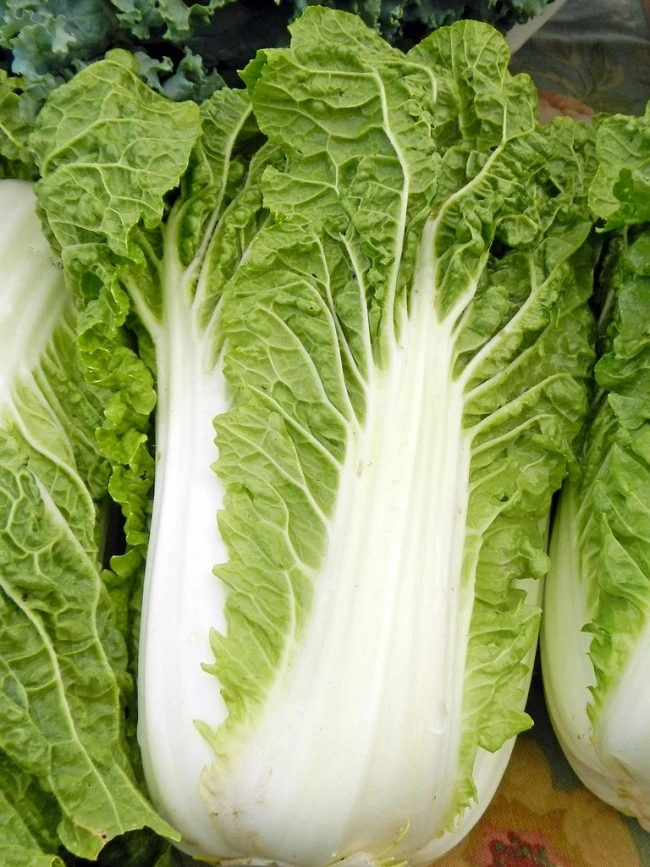
Cultivate your own fresh michihili chinese cabbage seeds with ease. These easy to grow vegetable seeds produce upright, compact plants with elongated, cylindrical heads, perfect for various culinary uses. Ideal for outdoor gardening.
Estimated arrival
Sep 19
Sep 24 - Sep 26
Sep 26 - Oct 01
See our Shipping Policy.
Get in touch with us via email, and our team will review your concerns.
Our Alive & Thrive Guarantee covers issues with your plants within the first 30 days. Read our Refund & Returns Policy.
-
USDA Hardiness Zone
Zones 3-12 -
Soil Type
Loam, Peat, Sand -
Sunlight Exposure
Full Sun, Partial Shade -
Expected Planting Period
Fall, Spring, Summer
Overview
Embark on a rewarding gardening journey with our premium michihili chinese cabbage seeds. This popular annual vegetable, also known as Siew Choy, Won Bok, or Wong Bok, is a staple in many cuisines and a fantastic addition to any home garden. Our high-quality seeds promise vigorous growth, leading to crisp, flavorful Chinese cabbage heads perfect for stir-fries, salads, and more. The Michihili variety is cherished for its elongated, cylindrical heads and tender leaves, offering a delightful texture and mild, sweet flavor. Growing your own michihili chinese cabbage seeds ensures you have fresh, healthy produce right at your fingertips, enhancing your meals with garden-fresh goodness.
These seeds are an excellent choice for both novice and experienced gardeners, as they are renowned for their cultivating ease. Whether you’re looking to expand your vegetable patch or start a new culinary adventure, these easy to grow vegetable seeds provide a reliable path to a bountiful harvest. Enjoy the satisfaction of nurturing your own food from seed to plate, knowing exactly where your produce comes from. The Michihili Chinese cabbage (Brassica rapa) is a versatile and nutritious vegetable that will quickly become a favorite in your garden.
Key Benefits
Growing your own Michihili Chinese cabbage from seed offers numerous advantages, from culinary delight to gardening satisfaction. These versatile plants are a must-have for any home gardener.
- Fresh, Flavorful Harvest: Enjoy the unparalleled taste of freshly picked Chinese cabbage, far superior to store-bought varieties. The Michihili variety provides crisp, tender leaves perfect for a wide range of dishes.
- Nutritional Value: Rich in vitamins and minerals, Chinese cabbage is a healthy addition to your diet, contributing to overall well-being. Growing your own ensures pesticide-free produce.
- Versatile Culinary Use: The elongated, cylindrical heads are excellent for stir-fries, kimchi, salads, soups, and wraps. Discover new recipes to incorporate this delicious vegetable.
- Easy Cultivation: These are truly easy to grow vegetable seeds, making them suitable for gardeners of all skill levels. With minimal effort, you can achieve a successful harvest.
- Compact Growth Habit: The upright and compact growth of Michihili Chinese cabbage makes it an ideal choice for smaller garden spaces or container gardening, maximizing your yield per square foot.
- Seasonal Interest: With planting times spanning Fall, Spring, and Summer, you can enjoy multiple harvests throughout the growing season. This ensures a continuous supply of fresh greens.
- Sustainable Gardening: By growing your own siew choy seeds, you reduce your carbon footprint and promote sustainable living practices. It’s a step towards self-sufficiency and environmental consciousness.
Plant Care & Growing Tips
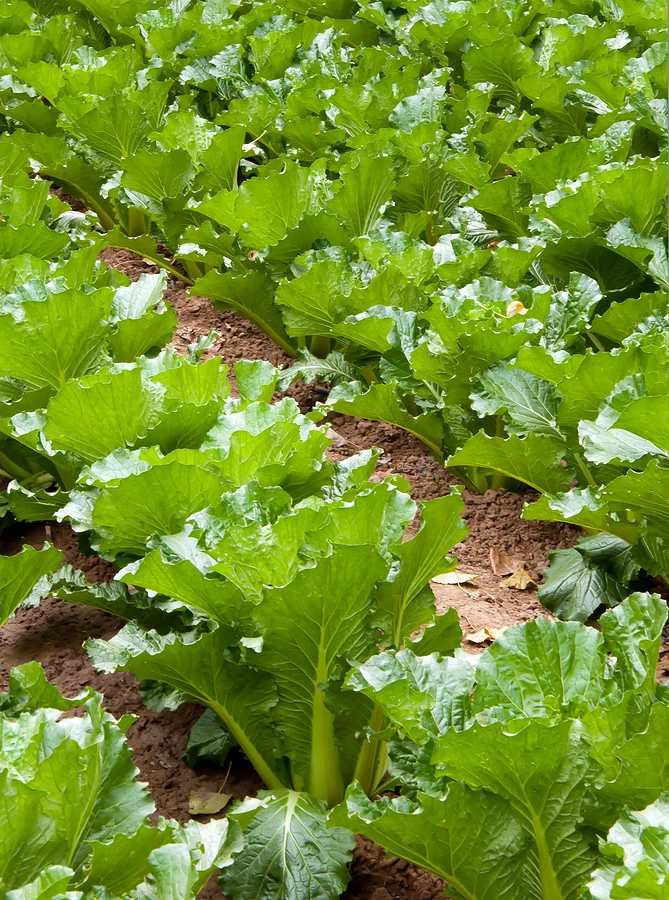
Cultivating michihili chinese cabbage seeds successfully requires attention to a few key environmental factors to ensure healthy growth and a bountiful harvest. This annual plant thrives best in specific conditions. For optimal growth, Michihili Chinese cabbage prefers a location that receives full sun to partial shade. Aim for at least 6 hours of direct sunlight per day, especially during cooler parts of the growing season. In hotter climates, providing some afternoon shade can prevent bolting and stress. These plants are suitable for outdoor growing across a wide range of climates, from cold to sub-tropical and temperate, thriving in USDA Hardiness Zones 3-12.
The soil is crucial for robust growth. Michihili Chinese cabbage performs best in well-draining soil that is rich in organic matter. A mix of loam, peat, and sand is ideal. The soil pH should be slightly acidic to neutral, ranging from 6.1 to 7.8. Ensure the soil remains consistently moist but not waterlogged, as heavy watering is preferred. Avoid letting the soil dry out completely, especially during head formation, as this can lead to bitter leaves or premature bolting. Fertilize moderately with a balanced organic fertilizer to support leafy growth. Keep an eye out for common pests like aphids and cabbage worms, and address them promptly with organic pest control methods to protect your won bok seeds.
Planting time is approximately 10 weeks before your desired harvest. For continuous harvests, consider succession planting every few weeks. With proper care, these easy to grow vegetable seeds will reward you with delicious, crisp cabbage. Remember that consistent moisture and appropriate light are the cornerstones of a successful Michihili Chinese cabbage crop.
Size & Details
These michihili chinese cabbage seeds offer the opportunity to grow robust and productive plants from scratch. The Michihili variety is characterized by its upright and compact growth habit, making it an efficient choice for garden beds or large containers. Plants typically produce elongated, cylindrical heads that are green in color, indicative of their crisp texture and fresh flavor. While specific dimensions depend on growing conditions, mature heads are substantial and ready for harvest when firm. The life cycle of this cabbage is annual, providing a harvest within a single growing season.
This product consists of high-quality vegetable seeds, ready for planting. The seeds are suitable for cultivation in USDA Hardiness Zones 3-12, demonstrating their adaptability to various climates. They are cultivated with an emphasis on producing healthy, flavorful plants. Expect a relatively quick turnaround from planting to harvest, making it a satisfying crop for impatient gardeners. The features of this species, including ‘Siew Choy’, ‘Won Bok’, and ‘Wong Bok’, all refer to the same desirable characteristics of this popular Chinese cabbage.
Frequently Asked Questions
- Q: How big does Michihili Chinese Cabbage get? A: Michihili Chinese Cabbage typically forms elongated, cylindrical heads with an upright and compact growth habit. The exact size can vary based on growing conditions, but they generally yield substantial heads perfect for culinary use.
- Q: Is this an indoor or outdoor plant? A: These michihili chinese cabbage seeds are best suited for outdoor cultivation. They thrive in garden beds, raised beds, or large containers where they can receive adequate sunlight and space to grow.
- Q: How much sunlight does Michihili Chinese Cabbage need? A: Michihili Chinese Cabbage prefers full sun to partial shade, ideally receiving at least 6 hours of direct sunlight per day. In very hot climates, some afternoon shade can be beneficial to prevent bolting.
- Q: Is this plant easy to care for? A: Yes, this variety is known for its very easy cultivating difficulty, making it an excellent choice for beginner gardeners and those looking for easy to grow vegetable seeds. Consistent watering and good soil are key.
- Q: What condition will the seeds arrive in? A: You will receive high-quality siew choy seeds in a protective packet, ready for planting. They are carefully packaged to ensure viability and freshness upon arrival.
- Q: Can I use Michihili Chinese Cabbage in cooking? A: Absolutely! Michihili Chinese Cabbage is a versatile vegetable widely used in Asian cuisine. It’s perfect for stir-fries, kimchi, fresh salads, soups, and wraps due to its crisp texture and mild flavor.
- Q: When is the best time to plant Michihili Chinese Cabbage seeds? A: These seeds can be planted in the Fall, Spring, or Summer, depending on your climate and desired harvest time. The planting time is approximately 10 weeks before you plan to harvest.
- Q: What type of soil does Michihili Chinese Cabbage prefer? A: This cabbage thrives in well-draining soil rich in organic matter, such as loam, peat, and sand. A soil pH between 6.1 and 7.8 is ideal for optimal growth.
- Q: How often should I water Michihili Chinese Cabbage? A: Michihili Chinese Cabbage requires heavy watering to maintain consistent soil moisture. The soil should be kept moist but not waterlogged, especially during the head formation stage.
- Q: Will these won bok seeds grow in my USDA zone? A: This variety is hardy and suitable for cultivation in USDA Hardiness Zones 3-12, covering a broad range of climates from cold to sub-tropical and temperate.
| Seed Quantity | 10K Seeds Or 1 Oz, 1250 Seeds Or 1/8 Oz, 160K Seeds Or 1 Lb, 20K Seeds Or 2 Oz, 2500 Seeds Or 1/4 Oz, 300 Seeds, 40K Seeds Or 1/4 Lb, 600 Seeds, 80K Seeds Or 1/2 Lb |
|---|
Be the first to review “Michihili Chinese Cabbage Seeds – Annual Outdoor Vegetable Seeds”
Related products

Vegetable Seeds
Job’s Tears Seeds – Coix Lacryma Vegetable Seeds – 20 Count for Edible & Decorative Use


You May Like
5 Best Bulbs for Fall Planting: Brighten Your Garden This Spring
Are you dreaming of a garden full of vibrant colors in the spring? The key [...]
Aug
How to Repot Houseplants Like a Pro
Do your houseplants look like they’ve outgrown their pots? Are their roots popping out of [...]
Aug
10 Houseplants That Will Thrive in Your Kitchen
Are you tired of your kitchen feeling dull and lifeless? Want to add a little [...]
Aug
Reviews
There are no reviews yet.