
Blue Lake FM1K Pole Bean Seeds – Climbing Heirloom Vegetable Seeds
From 11.13 $
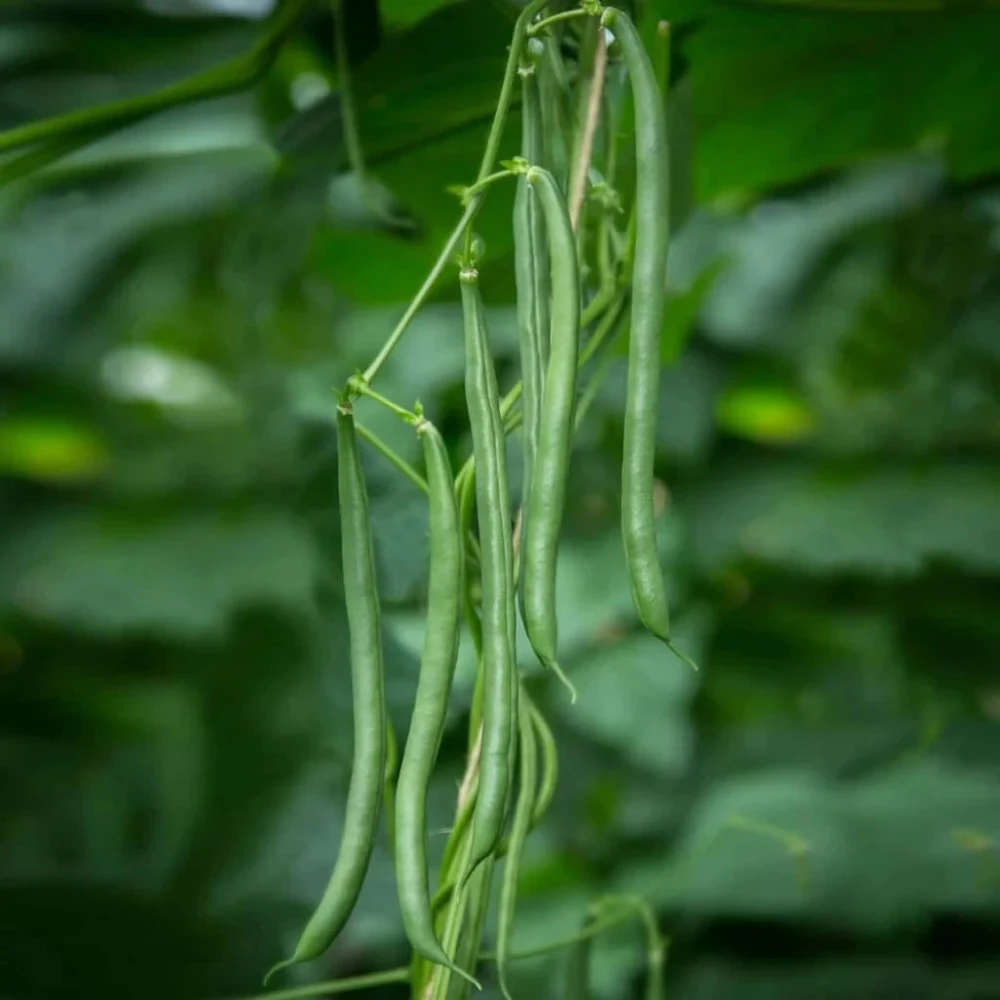
Cultivate your own bountiful harvest with these blue lake pole bean seeds. This climbing bean seeds variety, known for its vigorous growth and abundant yield, produces delicious, stringless green beans. Perfect for home gardeners seeking an easy-to-grow, heirloom vegetable.
Estimated arrival
Sep 18
Sep 23 - Sep 25
Sep 25 - Sep 30
See our Shipping Policy.
Get in touch with us via email, and our team will review your concerns.
Our Alive & Thrive Guarantee covers issues with your plants within the first 30 days. Read our Refund & Returns Policy.
-
USDA Hardiness Zone
Zones 3-12 -
Soil Type
Loam, Peat, Sand -
Sunlight Exposure
Full Sun -
Expected Planting Period
Spring to Summer
Overview
Embark on a rewarding gardening journey with our premium blue lake pole bean seeds. These heirloom green bean seeds offer a classic choice for gardeners who appreciate robust flavor and high yields. The Blue Lake FM1K variety is renowned for its vigorous climbing habit, making it an excellent choice for vertical gardening, trellises, or fences. Each seed promises to grow into a prolific plant, producing an abundance of tender, stringless green beans that are perfect for fresh eating, canning, or freezing. These beans are a staple for many home gardens, celebrated for their consistent quality and delicious taste. Growing your own green beans from these high-quality seeds ensures a fresh, healthy, and satisfying harvest right from your backyard.
The Blue Lake FM1K is a popular choice among gardeners due to its reliability and the superior quality of its beans. As a pole bean, it will grow upwards, saving valuable garden space while offering a continuous harvest throughout the season. These beans are not only tasty but also packed with nutrients, making them a wonderful addition to any home-cooked meal. Experience the joy of growing your own food with these exceptional blue lake pole bean seeds.
Key Benefits
Our blue lake pole bean seeds provide numerous advantages for both novice and experienced gardeners, ensuring a successful and delicious harvest.
- Abundant Yield: These plants are incredibly prolific, providing a continuous supply of fresh green beans throughout the growing season, maximizing your harvest from a single planting.
- Space-Saving Growth: As a climbing bean seeds variety, they grow vertically, making them ideal for smaller gardens or for maximizing space in larger plots when grown on trellises, poles, or fences.
- Heirloom Quality: Enjoy the authentic, rich flavor of traditional green beans with these heirloom seeds, ensuring a taste that many modern varieties can’t match.
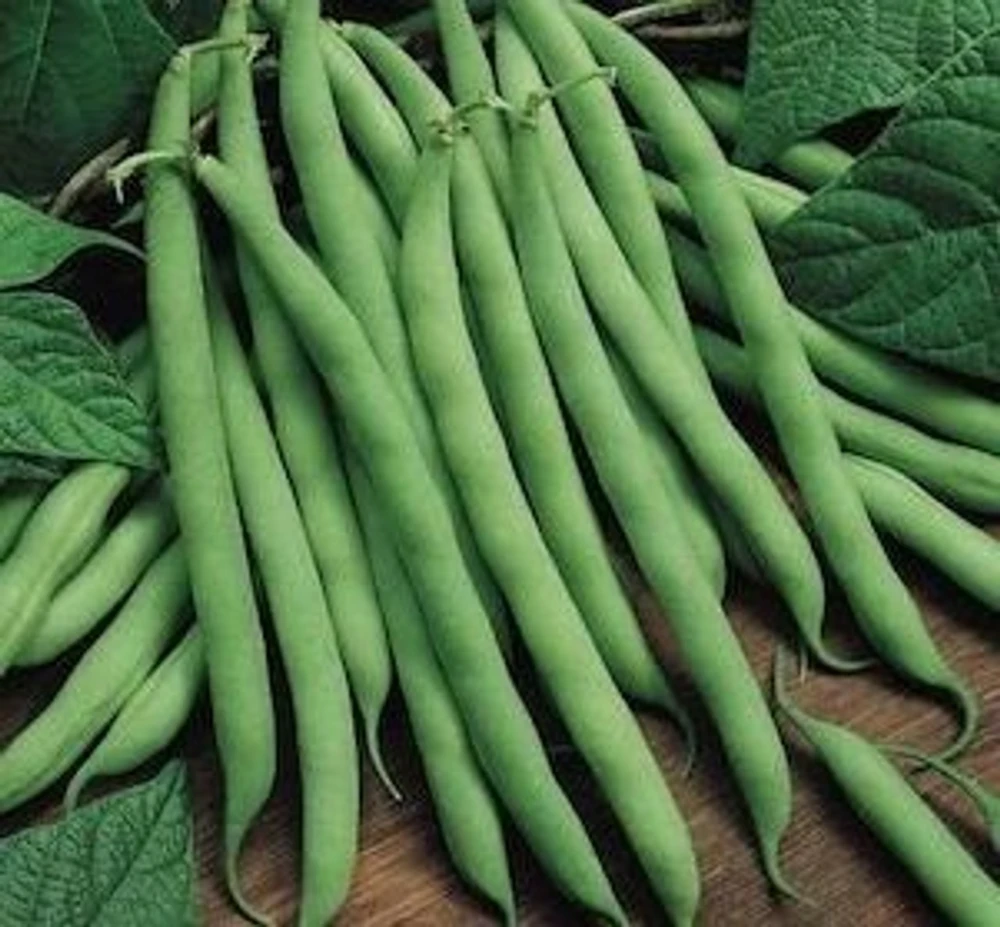
- Stringless & Tender: The Blue Lake FM1K variety is famous for producing beans that are wonderfully tender and completely stringless, perfect for eating fresh, steaming, or using in various culinary dishes.
- Disease Resistant: These beans possess natural resistance to common bean diseases, contributing to healthier plants and a more reliable yield with less effort, making them a great choice for disease resistant beans.
- Easy to Grow: With a cultivating difficulty rated as ‘Easy’, these seeds are suitable for gardeners of all skill levels, offering a rewarding experience with minimal fuss.
- Versatile Culinary Use: The fresh, crisp texture and mild flavor of these beans make them incredibly versatile in the kitchen, suitable for salads, stir-fries, casseroles, or simply steamed with butter.
Plant Care & Growing Tips
Growing blue lake pole bean seeds successfully requires attention to a few key environmental factors to ensure vigorous growth and a bountiful harvest. Pole beans thrive in full sun, meaning they need at least 6-8 hours of direct sunlight per day. Choose a location in your garden that receives ample sunlight throughout the day. The ideal planting time is after all danger of frost has passed and the soil has warmed up, typically in late spring or early summer. For optimal growth, plant seeds about 1 inch deep and 3-6 inches apart in rows that are 30-36 inches apart. Provide a strong support structure like a trellis, teepee, or fence at the time of planting for these climbing bean seeds to twine around as they grow.
These beans prefer well-draining soil with a pH between 6.0 and 6.8. A loamy, peat, or sandy soil enriched with organic matter will provide the best growing conditions. Consistent moisture is crucial for bean development, especially during flowering and pod formation. Water regularly, aiming for medium watering, ensuring the soil remains moist but not waterlogged. Avoid overhead watering to prevent fungal diseases; instead, water at the base of the plants. Fertilize sparingly, as beans are nitrogen fixers and can produce their own nitrogen. An all-purpose balanced fertilizer applied once or twice during the growing season is usually sufficient. Keep an eye out for common pests and diseases, although the Blue Lake FM1K variety is known for being quite resilient and a great choice for disease resistant beans. Proper air circulation and spacing can also help prevent issues.
Harvesting your heirloom green bean seeds should begin when the pods are young, tender, and about 4-6 inches long. Regular harvesting encourages the plant to produce more beans. If you plan on growing pole beans for seed saving, allow some pods to mature fully on the vine until they dry out. These annual plants will continue to produce until the first hard frost. With proper care, you’ll enjoy a continuous supply of fresh, delicious green beans all season long.
Size & Details
Our blue lake pole bean seeds are sourced from high-quality stock, ensuring excellent germination rates and robust plant development. Each packet contains a generous quantity of seeds, typically sufficient for several planting seasons or a large garden area. The plants exhibit a vigorously climbing growth habit, reaching heights of 6-8 feet or more when provided with adequate support. They are an annual plant, completing their life cycle within one growing season, typically producing beans for several weeks once they begin. The beans themselves are medium green in color, straight, and approximately 5-7 inches long, known for their tender texture and lack of strings.
These seeds are suitable for planting in USDA Hardiness Zones 3-12, demonstrating broad adaptability to various climates, from cold to temperate regions. They thrive outdoors and are best planted when soil temperatures are consistently above 60°F (15°C). Expect a harvest approximately 55-65 days after planting, allowing for a relatively quick turnaround from seed to table. The plants are prolific, ensuring a continuous supply of fresh beans if harvested regularly. The ease of cultivation makes growing pole beans a rewarding experience for gardeners of all levels.
Frequently Asked Questions
- Q: How big do Blue Lake Pole Bean plants get? A: Blue Lake Pole Bean plants are vigorous climbers and can reach heights of 6 to 8 feet or even more, especially with good support structures like trellises or poles.
- Q: How much sunlight do these beans need? A: These beans thrive in full sun, requiring at least 6-8 hours of direct sunlight per day for optimal growth and abundant pod production.
- Q: Are these beans stringless? A: Yes, the Blue Lake FM1K variety is specifically known for producing tender, stringless green beans, making them a favorite for fresh eating and cooking.
- Q: Is this plant easy to care for? A: Yes, blue lake pole bean seeds are considered easy to cultivate, making them an excellent choice for beginner gardeners and those looking for low-maintenance vegetables.
- Q: When is the best time to plant Blue Lake Pole Beans? A: The best time to plant is after the last danger of frost has passed in your area and the soil has warmed up, typically in late spring or early summer.
- Q: What kind of soil do these beans prefer? A: They prefer well-draining soil with a pH between 6.0 and 6.8. Loam, peat, or sandy soil enriched with organic matter works best.
- Q: How often should I water my pole beans? A: Water regularly to keep the soil consistently moist, especially during flowering and pod development. Aim for medium watering, avoiding waterlogging.
- Q: Will these beans survive winter in my zone? A: Blue Lake Pole Beans are annuals and will not survive winter. They complete their life cycle in one growing season and produce until the first hard frost. They are suitable for USDA Hardiness Zones 3-12 during their growing season.
- Q: Are these disease resistant beans? A: Yes, the Blue Lake FM1K variety is known for its good disease resistance, contributing to healthier plants and more reliable harvests.
- Q: What is the main benefit of growing pole beans over bush beans? A: The main benefit is their climbing habit, which saves garden space and allows for easier harvesting. They also tend to produce over a longer season than bush varieties.
| Seed Amount | 100 Seeds Or 1 Oz, 12 Seeds Or 1/8 Oz, 1600 Seeds Or 1 Lb, 200 Seeds Or 2 Oz, 25 Seeds Or 1/4 Oz, 400 Seeds Or 1/4 Lb, 800 Seeds Or 1/2 Lb |
|---|
Be the first to review “Blue Lake FM1K Pole Bean Seeds – Climbing Heirloom Vegetable Seeds”
Related products

Vegetable Seeds
Tendercrisp Celery Seeds – 1000 Count Vegetable Seeds for Garden


Vegetable Seeds
Job’s Tears Seeds – Coix Lacryma Vegetable Seeds – 20 Count for Edible & Decorative Use

Vegetable Seeds
Hanover Salad Kale Seeds – 1000 Smooth Siberian Vegetable Seeds


You May Like
5 Best Bulbs for Fall Planting: Brighten Your Garden This Spring
Are you dreaming of a garden full of vibrant colors in the spring? The key [...]
Aug
How to Repot Houseplants Like a Pro
Do your houseplants look like they’ve outgrown their pots? Are their roots popping out of [...]
Aug
10 Houseplants That Will Thrive in Your Kitchen
Are you tired of your kitchen feeling dull and lifeless? Want to add a little [...]
Aug
Reviews
There are no reviews yet.