
Asparagus Seeds UC 157 F2 Hybrid – Perennial Vegetable Seeds, High Yielding
From 10.77 $
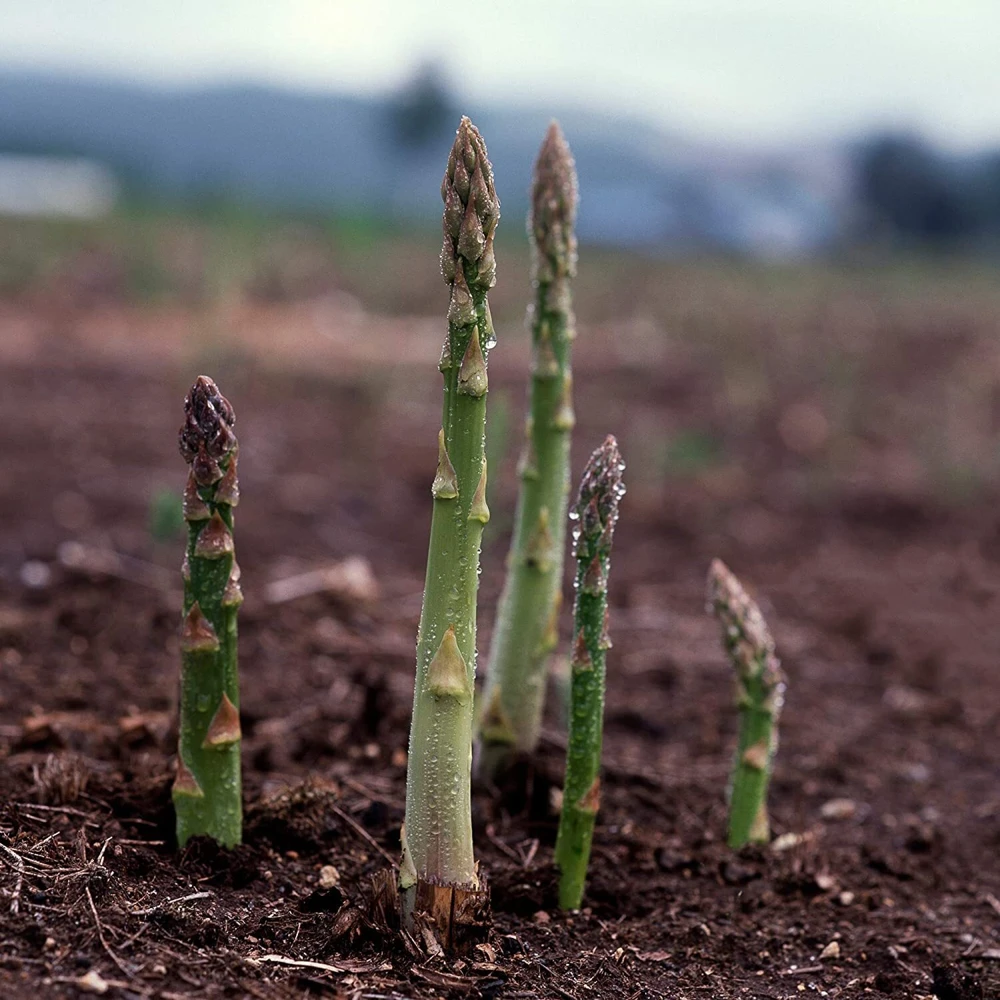
Cultivate your own garden with Asparagus UC 157 F2 seeds. These perennial asparagus seeds are a popular hybrid, known for their high yield asparagus and sweet flavor. Ideal for outdoor planting across a wide range of USDA zones.
Estimated arrival
Sep 19
Sep 24 - Sep 26
Sep 26 - Oct 01
See our Shipping Policy.
Get in touch with us via email, and our team will review your concerns.
Our Alive & Thrive Guarantee covers issues with your plants within the first 30 days. Read our Refund & Returns Policy.
-
USDA Hardiness Zone
Zones 3-12 -
Soil Type
Compost, Manure or Soil Mix (well-draining) -
Sunlight Exposure
Full Sun -
Expected Planting Period
Spring (start indoors late winter)
Overview
Embark on a rewarding gardening journey with our premium Asparagus UC 157 F2 seeds. This highly sought-after hybrid variety, Asparagus officinalis ‘UC 157 F2’, is renowned for its exceptional vigor and productivity, making it a favorite among home gardeners and commercial growers alike. These perennial asparagus seeds promise a bountiful harvest of tender, flavorful spears year after year, establishing a long-lasting and delicious addition to your vegetable patch. The UC 157 F2 is celebrated for its disease resistance and adaptability to various climates, ensuring a successful growing experience for both novice and experienced cultivators. Start your own asparagus bed and enjoy the unparalleled taste of freshly picked asparagus.
Known for its robust growth habit and ability to thrive in diverse conditions, the UC 157 F2 hybrid is an excellent choice for those looking to establish a productive and low-maintenance perennial vegetable. This specific variety offers a reliable yield, providing fresh asparagus for many seasons to come. With proper care and cultivation, these seeds will transform into a thriving patch that offers both culinary delight and aesthetic appeal in your garden.
Key Benefits
Our Asparagus UC 157 F2 seeds offer numerous advantages for the discerning gardener, ensuring a successful and satisfying harvest. These benefits make them a top choice for anyone interested in growing asparagus from seed.
- High Yielding: The UC 157 F2 hybrid is specifically bred for a high yield asparagus, providing an abundant harvest of spears each season once established. This means more delicious asparagus for your table.
- Sweet Flavor: Enjoy the superior taste of fresh asparagus, characterized by a delightful sweetness that is often lost in store-bought varieties. Perfect for a range of culinary applications.
- Perennial Growth: As a perennial plant, asparagus returns year after year, offering a continuous harvest without the need for annual replanting. This makes it a sustainable and cost-effective choice.
- Disease Resistance: This hybrid variety boasts good resistance to common asparagus diseases, contributing to healthier plants and more consistent yields. This reduces the need for interventions.
- Wide Adaptability: Thrives in a broad range of climates and soil types, making it suitable for gardens across many USDA Hardiness Zones, from 3 to 12. Its versatility ensures success.
- Nutrient-Rich: Asparagus is a healthy addition to any diet, packed with vitamins, minerals, and antioxidants. Growing your own ensures the freshest, most nutritious spears.
- Clumping Growth Habit: The plant develops a clumping growth habit, creating an organized and attractive bed in your garden. This makes for easier harvesting and maintenance.
Plant Care & Growing Tips
Successful growing asparagus from seed requires patience and proper care, but the rewards are well worth the effort. Asparagus thrives in full sun, needing at least 6-8 hours of direct sunlight per day. Choose a well-drained site that won’t be disturbed for many years, as asparagus beds can produce for 20 years or more. Prepare the soil by incorporating plenty of organic matter like compost or well-rotted manure to improve fertility and drainage. Aim for a soil pH between 6.5 and 7.5. Plant seeds about 1 inch deep and 3-4 inches apart in trenches, eventually thinning to 12-18 inches apart for mature plants. Consistent watering is crucial during establishment, keeping the soil moist but not waterlogged. Once established, asparagus is relatively drought-tolerant but benefits from medium watering during dry spells.
Fertilize your asparagus bed in early spring with a balanced fertilizer or compost. Avoid harvesting spears during the first two years to allow the plants to establish strong root systems; this is vital for a high yield asparagus in subsequent years. From the third year onwards, you can begin harvesting when spears are 6-8 inches tall. Cut them below the soil line. After the harvest season, allow the ferns to grow to replenish the plant’s energy. In late fall, cut back the ferns to about 2 inches above the ground after they have yellowed. This helps prevent diseases and prepares the bed for winter. Protecting plants in colder zones with a layer of mulch can also be beneficial. Monitoring for pests and diseases is important, though asparagus officinalis seeds like the UC 157 F2 generally offer good resistance. Proper care ensures your perennial asparagus seeds develop into a robust and productive patch.
Size & Details
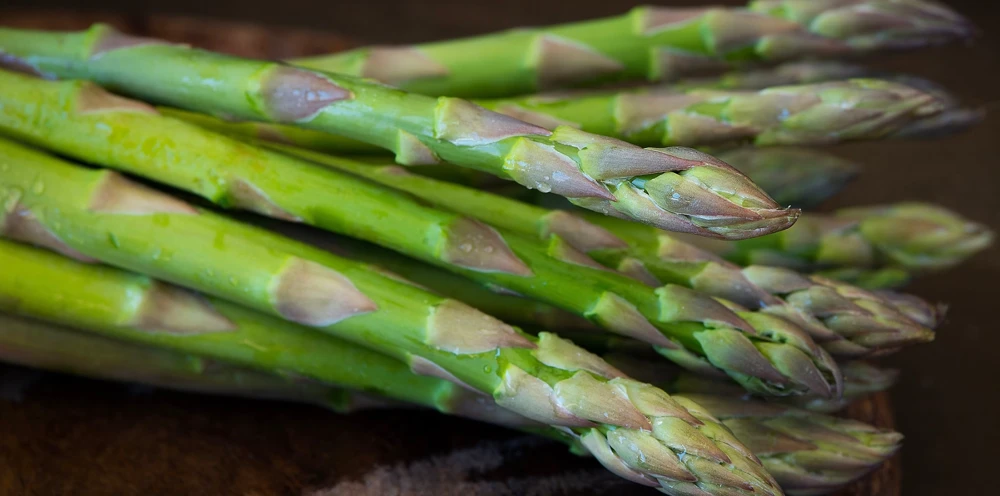
These Asparagus UC 157 F2 seeds are packaged for optimal germination and successful establishment in your garden. Each seed is carefully selected to ensure viability, providing you with the best possible start for your asparagus bed. Asparagus plants typically establish their root system over the first two years, with significant spear production beginning in the third year. Mature plants can reach a height of 3-5 feet with a clumping spread once the ferns have fully developed. The spears themselves are harvested when they are between 6-8 inches tall and about the thickness of a pencil to your thumb. This specific variety is known for its vigorous growth and ability to produce a substantial harvest over many years. The seeds are suitable for planting in a wide range of USDA Hardiness Zones, from 3 to 12, allowing many gardeners to enjoy the benefits of growing asparagus from seed.
The seeds should be sown in a rich, well-draining soil mix that has been amended with compost or manure. Expect moderate cultivating difficulty, primarily due to the patience required for establishment. The plants are perennials, offering a life cycle that extends over decades with proper care. They perform best in full sun conditions, ensuring vigorous growth and a good harvest. The season of interest for harvesting is typically spring, but the ferns provide summer and fall interest. The resulting spears are green with a sweet flavor, indicating the quality of this asparagus officinalis seeds variety.
Frequently Asked Questions
- Q: How long does it take for Asparagus UC 157 F2 seeds to produce spears? A: Asparagus plants grown from Asparagus UC 157 F2 seeds typically require patience. You should not harvest any spears during the first two years to allow the plants to establish a strong root system. Significant production usually begins in the third year after planting.
- Q: What is the best way for growing asparagus from seed? A: The best way to grow asparagus from seed is to start them indoors 8-12 weeks before your last frost date, then transplant the seedlings outdoors into a well-prepared bed with rich, well-draining soil and full sun exposure. Ensure consistent moisture during establishment.
- Q: Is this a high yield asparagus variety? A: Yes, the UC 157 F2 is a well-known hybrid specifically bred for its exceptional vigor and high yield asparagus production. With proper care, you can expect an abundant harvest of spears once the plants are mature.
- Q: What USDA Hardiness Zones are suitable for these perennial asparagus seeds? A: These perennial asparagus seeds are highly adaptable and can be successfully grown in USDA Hardiness Zones 3 through 12. This wide range makes them suitable for many different climates across the United States.
- Q: How much sunlight does Asparagus officinalis ‘UC 157 F2’ need? A: This asparagus variety, like most, thrives in full sun. It requires at least 6-8 hours of direct sunlight per day to ensure vigorous growth and optimal spear production.
- Q: Can these asparagus officinalis seeds be grown in containers? A: While possible, asparagus generally prefers to be grown directly in the ground where its extensive root system can spread. If growing in containers, choose very large, deep containers (at least 20 gallons) and ensure excellent drainage.
- Q: What kind of soil is best for growing asparagus from seed? A: Asparagus prefers well-drained, fertile soil rich in organic matter. A soil pH between 6.5 and 7.5 is ideal. Amending your soil with compost or manure before planting is highly recommended.
- Q: When is the best time to plant Asparagus UC 157 F2 seeds? A: For most regions, it’s best to start the seeds indoors in late winter or early spring and then transplant the seedlings outdoors after the danger of frost has passed.
- Q: How often should I water my asparagus plants? A: Keep the soil consistently moist but not waterlogged, especially during the first two years of establishment. Once mature, asparagus is somewhat drought-tolerant but benefits from regular watering during dry periods.
- Q: Are these asparagus officinalis seeds resistant to diseases? A: The UC 157 F2 hybrid is known for its good disease resistance, which contributes to its reliability and high yields. This makes it a robust choice for home gardeners.
| Seed Quantity | 100 Seeds Or 2 Grams, 12K Seeds Or 1/2 Lb, 1500 Seeds Or 1 Oz, 175 Seeds Or 1/8 Oz, 24K Seeds Or 1 Lb, 3000 Seeds Or 2 Oz, 350 Seeds Or 1/4 Oz, 50 Seeds Or 1 Gram, 6000 Seeds Or 1/4 Lb |
|---|
Be the first to review “Asparagus Seeds UC 157 F2 Hybrid – Perennial Vegetable Seeds, High Yielding”
Related products


Vegetable Seeds
Hanover Salad Kale Seeds – 1000 Smooth Siberian Vegetable Seeds


Vegetable Seeds
250 Barese Swiss Chard Seeds – Perpetual Spinach Beta Vulgaris Vegetable Seeds for Garden

Vegetable Seeds
Tendersweet Carrot Seeds – 1500 Count, Deep Orange Red Vegetable

Vegetable Seeds
Tendercrisp Celery Seeds – 1000 Count Vegetable Seeds for Garden

You May Like
5 Best Bulbs for Fall Planting: Brighten Your Garden This Spring
Are you dreaming of a garden full of vibrant colors in the spring? The key [...]
Aug
How to Repot Houseplants Like a Pro
Do your houseplants look like they’ve outgrown their pots? Are their roots popping out of [...]
Aug
10 Houseplants That Will Thrive in Your Kitchen
Are you tired of your kitchen feeling dull and lifeless? Want to add a little [...]
Aug
Reviews
There are no reviews yet.