
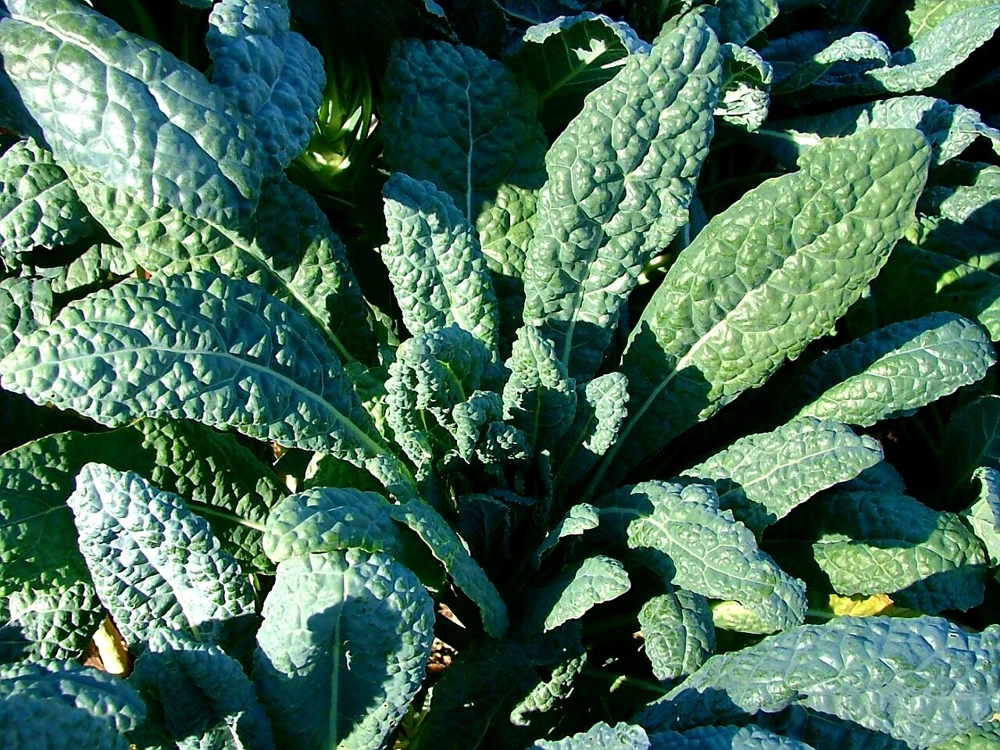
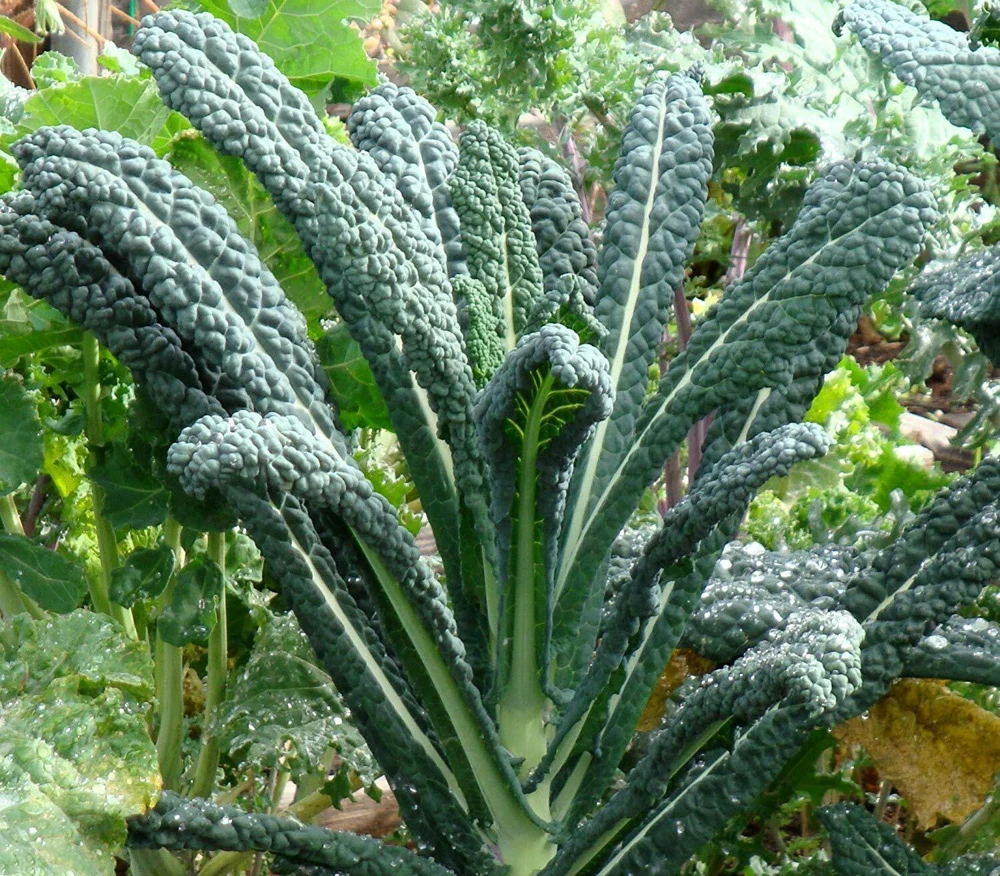
Lacinato Kale Seeds – Italian Dinosaur Kale Vegetable Seeds – Dark Bluish-Green – Outdoor
From 10.77 $
Cultivate your garden with lacinato kale seeds, also known as Italian Dinosaur Kale. These easy-to-grow vegetable seeds produce dark bluish-green leaves with a bumpy exterior, perfect for outdoor planting and a nutritious addition to your meals.
Estimated arrival
Sep 18
Sep 23 - Sep 25
Sep 25 - Sep 30
See our Shipping Policy.
Get in touch with us via email, and our team will review your concerns.
Our Alive & Thrive Guarantee covers issues with your plants within the first 30 days. Read our Refund & Returns Policy.
-
USDA Hardiness Zone
Zones 3-12 -
Soil Type
Clay, Loam, Peat, Sand; well-draining -
Sunlight Exposure
Full Sun -
Expected Planting Period
Spring, Summer, Fall
Overview
Embark on a delightful gardening journey with our premium lacinato kale seeds. Also known as Italian Dinosaur Kale, Black Tuscan Kale, or Cavolo Nero, this cruciferous vegetable is celebrated for its distinctive dark bluish-green, bumpy leaves and robust flavor. Originating from Tuscany, Italy, this variety of Brassica oleracea adds both visual appeal and exceptional nutrition to your garden and plate. Unlike common kale varieties, Lacinato Kale has a unique texture and a slightly sweeter, milder taste that becomes even better after a light frost. These easy-to-grow seeds are perfect for gardeners looking to cultivate a nutritious and resilient crop. Whether you’re a seasoned gardener or just starting out, cultivating lacinato kale seeds is a rewarding experience.
Our lacinato kale seeds are sourced to ensure high germination rates and vigorous growth. This annual vegetable thrives outdoors and is known for its upright growth habit, making it an excellent choice for various garden layouts. The dark bluish-green leaves are not only beautiful but also packed with vitamins and minerals, making Lacinato Kale a superfood staple. Plant these seeds and watch your garden transform with this ancient and beloved vegetable, providing fresh, healthy produce for many seasons.
Key Benefits
Discover the numerous advantages of adding lacinato kale seeds to your garden:
- Nutritional Powerhouse: Lacinato Kale is rich in vitamins K, A, and C, as well as manganese, calcium, and dietary fiber. Incorporating it into your diet can boost overall health and well-being.
- Distinctive Flavor and Texture: Enjoy the unique, slightly sweet, and earthy flavor of this kale, which is often described as less bitter than other varieties. Its tender yet firm leaves hold up well in cooking.
- Versatile Culinary Use: From salads and smoothies to sautés, soups, and chips, Lacinato Kale is incredibly versatile in the kitchen. Its robust leaves maintain their integrity even after cooking.
- Easy to Grow: With an ‘Easy’ cultivating difficulty, these seeds are suitable for gardeners of all experience levels. They require minimal fuss once established, making gardening enjoyable.
- Cold Hardy: Lacinato Kale is known for its ability to withstand colder temperatures, with its flavor often improving after a light frost. This extends the harvest season well into fall and even winter in some zones.
- Visually Appealing: The striking dark bluish-green, bumpy leaves add an interesting textural element and deep color to your garden beds, enhancing their aesthetic appeal.
- Disease Resistant: This variety tends to be resilient against common pests and diseases, ensuring a more successful harvest with less intervention. Growing lacinato kale seeds yields a bountiful and healthy crop.
Plant Care & Growing Tips
Successfully growing lacinato kale seeds requires attention to a few key environmental factors. For optimal growth, Lacinato Kale thrives in areas with full sun, meaning it needs at least 6 hours of direct sunlight per day. While it can tolerate some partial shade, especially in hotter climates, full sun encourages the best leaf development and flavor. It is an outdoor plant that performs well across a wide range of climates, including cold, sub-tropical, and temperate regions, making it adaptable to many gardens. The ideal planting time is typically 8 weeks before the last frost for a spring harvest, or in late summer for a fall/winter crop.
When it comes to soil, black tuscan kale seeds prefer well-draining soil with a pH between 6.0 and 7.5. It can adapt to various soil types, including clay, loam, peat, and sand, as long as drainage is adequate. Amend heavy clay soils with organic matter to improve structure and drainage, and sandy soils to enhance water retention. Watering should be medium; aim for consistent moisture without waterlogging. Deep watering encourages stronger root development. Fertilize with a balanced organic fertilizer every 4-6 weeks to support continuous growth, especially if harvesting outer leaves regularly. Pests like aphids and cabbage worms can be managed with organic pest control methods such as neem oil or insecticidal soap. Keep an eye out for signs of nutrient deficiency, which can manifest as yellowing leaves, and adjust your fertilization regimen accordingly.
The USDA Hardiness Zones for Lacinato Kale range from 3 to 12, showcasing its incredible adaptability. This wide range means that most gardeners in the United States can successfully grow this variety. The plant has an upright growth habit and its features include its dark bluish-green color and bumpy exterior, making it easily identifiable. Consider planting in raised beds or containers if your native soil is particularly challenging. Regular harvesting of the outer leaves will encourage the plant to produce more, extending your harvest season significantly. Proper care will ensure a continuous supply of delicious italian dinosaur kale.
Size & Details
These lacinato kale seeds will grow into robust annual plants, producing leaves that are ready for harvest in approximately 60-75 days from sowing. The plants typically reach a height of 18-36 inches (45-90 cm) with an upright growth habit, forming a loose rosette of leaves. The distinctive dark bluish-green leaves have a textured, bumpy exterior that gives them their ‘dinosaur’ or ‘Tuscan’ appearance. These seeds are suitable for outdoor cultivation and are ideal for planting in garden beds or large containers. Each seed packet provides enough seeds to start a healthy patch, ensuring a plentiful harvest throughout the season. The plant’s life cycle is annual, meaning it completes its growth cycle within one year.
Expect a continuous harvest from spring through fall, and even into winter in milder climates. The flavor of grow lacinato kale often sweetens after a light frost, making it a favorite for late-season harvesting. The leaves are best picked young and tender for fresh salads, or allowed to mature for cooking. These seeds are a product of the United States, ensuring quality and suitability for local growing conditions. The Genus is Brassica oleracea, commonly known for its diverse group of vegetables including cabbage, broccoli, and cauliflower. When you cultivate brassica oleracea seeds, you are planting a versatile and nutritious vegetable.
Frequently Asked Questions
- Q: How big does Lacinato Kale get? A: Lacinato Kale plants typically grow to an upright height of 18-36 inches (45-90 cm) with a spread of about 12-18 inches. The size can vary based on growing conditions and how frequently it is harvested.
- Q: Is this an indoor or outdoor plant? A: Lacinato Kale is primarily an outdoor plant. It thrives in garden beds and can also be grown successfully in large outdoor containers, enjoying full sun exposure.
- Q: How much sunlight does Lacinato Kale need? A: For best results, Lacinato Kale requires full sun, meaning at least 6 hours of direct sunlight per day. It can tolerate partial shade, especially in very hot climates, but growth may be less vigorous.
- Q: Is Lacinato Kale easy to care for? A: Yes, Lacinato Kale is considered an easy-to-grow vegetable, suitable for beginners. It requires consistent watering, well-draining soil, and adequate sunlight, but is generally low maintenance.
- Q: What condition will the seeds arrive in? A: The product consists of high-quality lacinato kale seeds, packaged to ensure freshness and viability upon arrival. You will receive a packet of seeds ready for planting.
- Q: When is the best time to plant Lacinato Kale seeds? A: For a spring harvest, plant seeds 8 weeks before the last frost. For a fall or winter harvest, plant in late summer. This allows the plants to establish before extreme temperatures.
- Q: What’s the minimum temperature Lacinato Kale can tolerate? A: Lacinato Kale is quite cold-hardy, capable of surviving light frosts. Its flavor often improves after exposure to cold temperatures. It is rated for USDA Hardiness Zones 3-12.
- Q: Can I grow Lacinato Kale in containers? A: Yes, italian dinosaur kale can be successfully grown in containers. Choose a container that is at least 12 inches deep and wide to allow for adequate root development.
- Q: What type of soil does Lacinato Kale prefer? A: Lacinato Kale prefers well-draining soil with a pH between 6.0 and 7.5. It can grow in various soil types including clay, loam, peat, and sand, provided they are amended for good drainage and fertility.
- Q: How long until I can harvest Lacinato Kale? A: You can typically start harvesting the outer leaves of Lacinato Kale in about 60-75 days after planting the seeds. Consistent harvesting encourages further production.
| Seed Quantity | 1000 Seeds Or 1/8 Oz, 128K Seeds Or 1 Lb, 16K Seeds Or 2 Oz, 2000 Seeds Or 1/4 Oz, 250 Seeds, 32K Seeds Or 1/4 Lb, 500 Seeds, 64K Seeds Or 1/2 Lb, 8000 Seeds Or 1 Oz |
|---|
Be the first to review “Lacinato Kale Seeds – Italian Dinosaur Kale Vegetable Seeds – Dark Bluish-Green – Outdoor”
Related products


Vegetable Seeds
Hanover Salad Kale Seeds – 1000 Smooth Siberian Vegetable Seeds


You May Like
5 Best Bulbs for Fall Planting: Brighten Your Garden This Spring
Are you dreaming of a garden full of vibrant colors in the spring? The key [...]
Aug
How to Repot Houseplants Like a Pro
Do your houseplants look like they’ve outgrown their pots? Are their roots popping out of [...]
Aug
10 Houseplants That Will Thrive in Your Kitchen
Are you tired of your kitchen feeling dull and lifeless? Want to add a little [...]
Aug
Reviews
There are no reviews yet.