
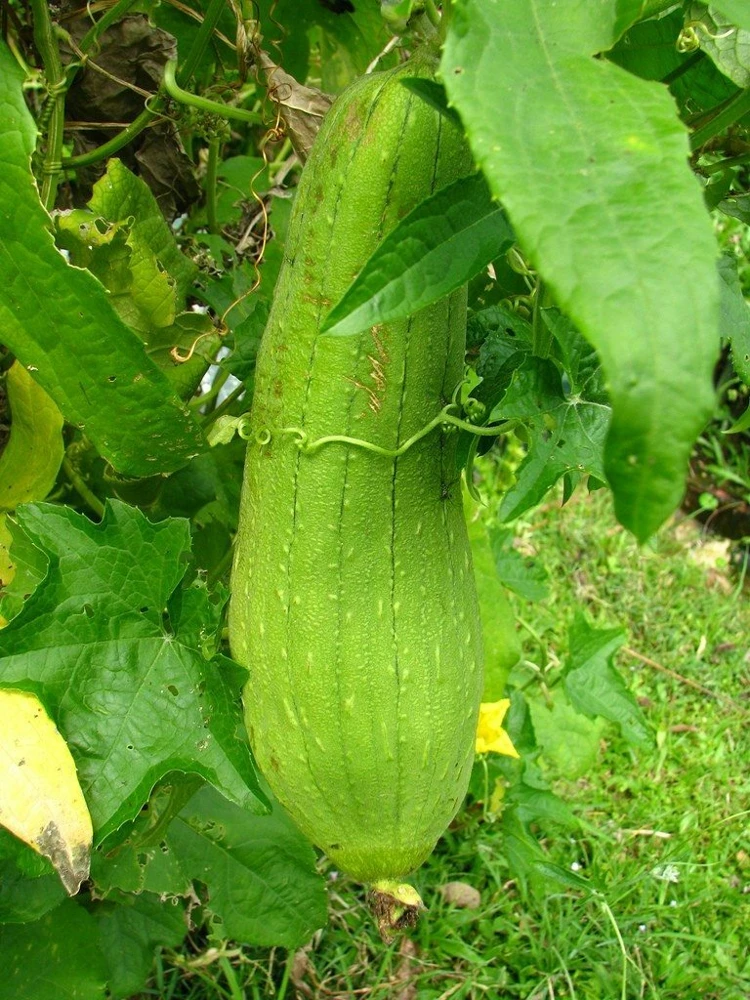
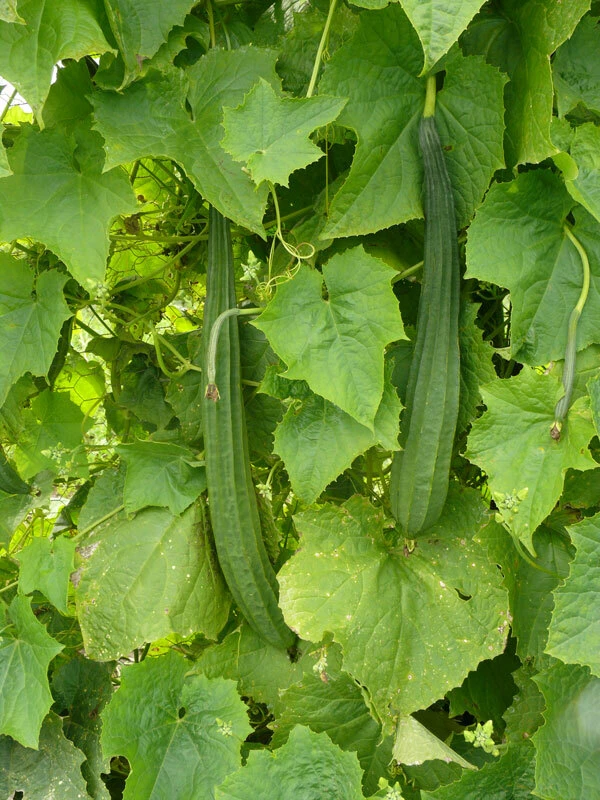
Luffa Sponge Gourd Seeds – Vegetable Sponge, Dishcloth Gourd, Grow Your Own Loofah
From 10.77 $
Cultivate your own natural cleaning tools and edible gourds with these Luffa Sponge Gourd Seeds. Easy to grow outdoors, these climbing vines thrive in full sun, producing versatile gourds perfect for natural exfoliation or dishwashing. Start your Dishcloth Gourd seeds today for a sustainable garden.
Estimated arrival
Sep 19
Sep 24 - Sep 26
Sep 26 - Oct 01
See our Shipping Policy.
Get in touch with us via email, and our team will review your concerns.
Our Alive & Thrive Guarantee covers issues with your plants within the first 30 days. Read our Refund & Returns Policy.
-
USDA Hardiness Zone
Zones 4-12 (as annuals) -
Soil Type
Clay, Loam, Peat (well-draining) -
Sunlight Exposure
Full Sun -
Expected Planting Period
Spring to early summer
Overview
Embark on a rewarding gardening journey with our premium Luffa Sponge Gourd Seeds. These remarkable seeds allow you to cultivate the versatile Luffa cylindrica, a plant renowned for its dual benefits: young fruits can be enjoyed as a tender vegetable, while mature gourds provide natural, biodegradable sponges. Commonly known as the Vegetable Sponge or Dishcloth Gourd, Luffa is a vigorous climbing vine that adds a unique aesthetic to your garden while offering practical, sustainable products for your home. Growing your own luffa is not only an eco-friendly choice but also provides a sense of accomplishment, transforming humble seeds into useful household items.
Each packet contains high-quality Luffa Sponge Gourd Seeds, ensuring a strong start for your plants. These annual vines are relatively easy to grow, making them suitable for both experienced gardeners and those new to cultivating gourds. The mature gourds develop a fibrous interior, which, once processed, becomes the familiar natural loofah sponge used for bathing or cleaning. Beyond their practical applications, luffa plants produce attractive yellow flowers and lush foliage, contributing to the beauty and biodiversity of your garden space.
Key Benefits
Growing Luffa Sponge Gourd Seeds offers a multitude of advantages for your garden and home. These benefits extend from sustainable living to personal well-being:
- Sustainable Living: Cultivating your own Luffa Sponge Gourd Seeds provides a renewable source of natural sponges, reducing your reliance on synthetic alternatives and contributing to a more eco-friendly lifestyle. These biodegradable sponges decompose naturally, leaving no harmful residues.
- Natural Exfoliation: The fibrous texture of mature luffa sponges offers excellent natural skin exfoliation, promoting healthy, glowing skin. Using a homemade luffa can enhance your bathing routine with a gentle yet effective scrub.
- Versatile Cleaning Tool: Beyond personal care, luffa sponges are highly effective as natural dishcloths. They are durable, absorbent, and can tackle tough grime without scratching surfaces, making them a sustainable alternative to plastic scrubbers.
- Edible Young Fruits: When harvested young, the fruits of the luffa plant are edible and can be used in various culinary dishes, similar to zucchini or squash. This provides a delicious bonus from your Vegetable Sponge seeds.
- Easy to Cultivate: Luffa plants are known for their relatively easy cultivation, thriving in warm climates with full sun. Their vigorous growth habit makes them a rewarding project for gardeners of all skill levels.
- Attractive Garden Addition: The climbing vines produce beautiful yellow flowers and lush green foliage, adding a tropical and ornamental touch to trellises, fences, or arbors in your garden.
- Educational Experience: Growing luffa from Dishcloth Gourd seeds is a fantastic educational activity for families, teaching about plant life cycles, sustainability, and the origins of everyday items.
Plant Care & Growing Tips
To ensure a successful harvest from your Luffa Sponge Gourd Seeds, understanding their specific care requirements is crucial. Luffa plants are warm-season annuals that thrive in conditions similar to cucumbers or squash. They require a long growing season of about 150-200 frost-free days to mature fully, especially if you intend to harvest them for sponges. Start your seeds indoors about 4-6 weeks before the last expected frost date in your area. Plant seeds about 1 inch deep in individual pots, as luffa does not like root disturbance. Once the danger of frost has passed and soil temperatures are consistently above 60°F (15°C), transplant seedlings outdoors.
Sunlight requirements: Luffa plants demand full sun, meaning at least 6-8 hours of direct sunlight per day. Choose a location in your garden that receives ample sunshine throughout the day. Watering schedule and soil moisture preferences: Consistent moisture is key for healthy growth. Water deeply and regularly, especially during dry spells and when fruits are developing. Avoid overhead watering to reduce the risk of fungal diseases. The soil should be kept moist but never waterlogged. Soil type and drainage requirements: Luffa thrives in well-draining, fertile soil rich in organic matter. A slightly acidic to neutral soil pH of 6.0 – 6.8 is ideal. Amend heavy clay soils with compost to improve drainage and aeration. Temperature range and USDA hardiness zone: These plants prefer warm temperatures, ideally between 70-85°F (21-29°C). They are annuals and can be grown in USDA Hardiness Zones 4-12 as long as they have a sufficiently long, warm growing season. Protect young plants from any late spring frosts. Fertilization schedule and type: Incorporate a balanced slow-release fertilizer into the soil at planting time. Once flowering begins, a fertilizer higher in phosphorus and potassium can encourage fruit development. Common problems and solutions: Watch out for common cucurbit pests like squash bugs and cucumber beetles. Use organic pest control methods if necessary. Ensure good air circulation to prevent powdery mildew, especially in humid conditions.
Size & Details
Our Luffa Sponge Gourd Seeds will grow into vigorous climbing vines, typically reaching lengths of 15-25 feet, making them ideal for trellises, arbors, or strong support structures. The gourds themselves can vary in size, with edible young fruits usually harvested when 4-6 inches long. For sponge production, allow the gourds to mature fully on the vine, often reaching lengths of 12-24 inches before harvesting. The plants exhibit a strong climbing and running growth habit, requiring ample space to spread. Expect a harvest of mature gourds in late summer to early fall, approximately 12 weeks after planting. Each seed packet provides enough Luffa Sponge Gourd Seeds to start a healthy patch, contributing to your sustainable gardening efforts. The life cycle of these plants is annual, completing their growth and fruiting within a single season.
These seeds are easy to cultivate, making them an excellent choice for beginner gardeners. They prefer full sun exposure and can adapt to various soil types including clay, loam, and peat, provided there is good drainage. The recommended soil pH is between 6.0 and 6.8. Watering needs are medium, requiring consistent moisture. The plant’s genus is Luffa cylindrica, known for its natural skin exfoliation properties when used as a sponge. These Dishcloth Gourd seeds are packaged to ensure viability and grown in the United States, providing a reliable start for your garden.
Frequently Asked Questions
- Q: How big does the luffa plant get and what size gourds can I expect? A: Luffa plants are vigorous climbers, reaching up to 15-25 feet in length. The gourds, when mature for sponge use, can grow between 12-24 inches long. If harvesting for eating, pick them when they are about 4-6 inches.
- Q: Is this an indoor or outdoor plant? A: Luffa is an outdoor plant that requires full sun and a long, warm growing season to produce mature gourds. While you can start the Luffa Sponge Gourd Seeds indoors, they must be transplanted outside.
- Q: How much sunlight does Luffa need? A: Luffa plants need at least 6-8 hours of direct sunlight per day. Choose the sunniest spot in your garden for optimal growth and fruit production.
- Q: Is this plant easy to care for? A: Yes, luffa is considered easy to cultivate. It requires consistent watering, full sun, and a sturdy trellis for support. With these conditions met, you can successfully grow Luffa Sponges.
- Q: What condition will the seeds arrive in? A: Your Luffa Sponge Gourd Seeds will arrive as dry, viable seeds, ready for planting. They are carefully packaged to maintain their quality during transit.
- Q: Can I use the young luffa fruit in cooking? A: Absolutely! Young luffa fruits, harvested when small and tender, are edible and can be cooked like zucchini or summer squash. This adds another layer of versatility to your Vegetable Sponge seeds.
- Q: How long until the gourds are ready to be used as sponges? A: It typically takes about 150-200 days from planting for the gourds to mature fully and dry on the vine, ready for processing into natural sponges. This depends on your climate and growing conditions.
- Q: What is the best time to plant Luffa Sponge Gourd Seeds? A: The best time to plant is after all danger of frost has passed in your area, and soil temperatures are consistently warm. You can start seeds indoors 4-6 weeks before transplanting.
- Q: Will these plants survive winter in my zone? A: Luffa is an annual plant, meaning it completes its life cycle in one growing season and will not survive winter frosts. You will need to replant Dishcloth Gourd seeds each year.
- Q: What soil type is best for growing Luffa? A: Luffa prefers well-draining, fertile soil with a pH between 6.0 and 6.8. It can tolerate various soil types like clay, loam, and peat, as long as they are amended for good drainage.
| Seed Quantity | 10 Seeds Or 1 Gram, 1100 Seeds Or 1/4 Lb, 20 Seeds Or 2 Grams, 275 Seeds Or 1 Oz, 35 Seeds Or 1/8 Oz, 550 Seeds Or 2 Oz, 70 Seeds Or 1/4 Oz |
|---|
Be the first to review “Luffa Sponge Gourd Seeds – Vegetable Sponge, Dishcloth Gourd, Grow Your Own Loofah”
Related products


Vegetable Seeds
250 Barese Swiss Chard Seeds – Perpetual Spinach Beta Vulgaris Vegetable Seeds for Garden


You May Like
5 Best Bulbs for Fall Planting: Brighten Your Garden This Spring
Are you dreaming of a garden full of vibrant colors in the spring? The key [...]
Aug
How to Repot Houseplants Like a Pro
Do your houseplants look like they’ve outgrown their pots? Are their roots popping out of [...]
Aug
10 Houseplants That Will Thrive in Your Kitchen
Are you tired of your kitchen feeling dull and lifeless? Want to add a little [...]
Aug
Reviews
There are no reviews yet.