
Rainbow Swiss Chard Seeds – Bright Lights Mix – Colorful Vegetable Seeds – Outdoor
From 10.77 $
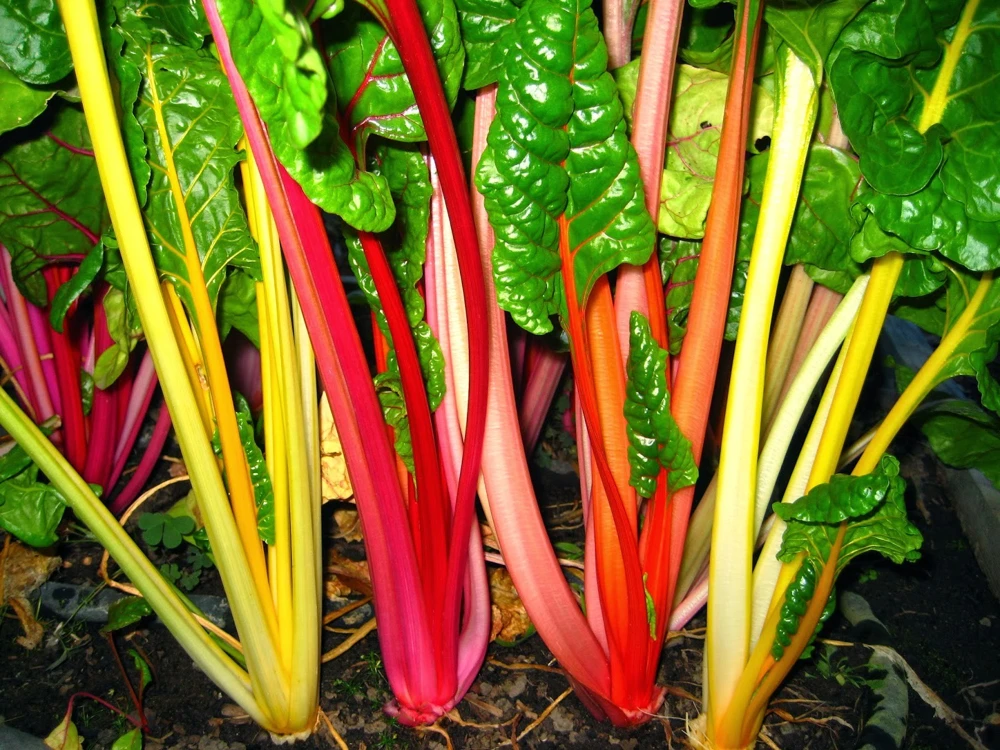
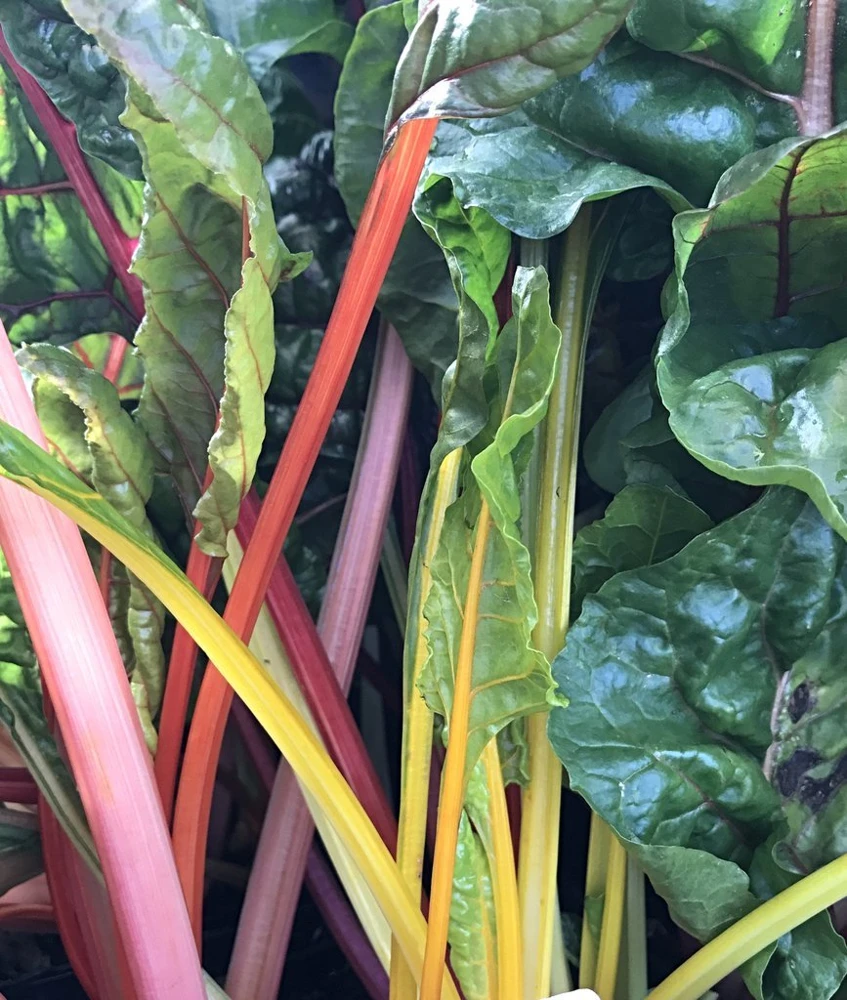
Cultivate a vibrant and healthy garden with rainbow swiss chard seeds. This ‘Bright Lights’ mix offers stunning, multi-colored stems and nutritious leaves, perfect for adding a splash of color to your vegetable patch. These colorful chard seeds are easy to grow outdoors and provide a continuous harvest of delicious greens.
Estimated arrival
Sep 19
Sep 24 - Sep 26
Sep 26 - Oct 01
See our Shipping Policy.
Get in touch with us via email, and our team will review your concerns.
Our Alive & Thrive Guarantee covers issues with your plants within the first 30 days. Read our Refund & Returns Policy.
-
USDA Hardiness Zone
Zones 6-10 -
Soil Type
Clay, Loam (well-draining, rich in organic matter) -
Sunlight Exposure
Full Sun -
Expected Planting Period
Late Spring to Late Summer
Overview
Transform your garden into a kaleidoscope of color and nutrition with our premium rainbow swiss chard seeds. Specifically, the ‘Bright Lights’ variety, these seeds promise a spectacular display of red, pink, orange, yellow, and white stems, all topped with lush green leaves. Swiss chard is a versatile and highly nutritious leafy green, belonging to the beet family (Beta vulgaris cicla), but grown for its edible leaves and stalks rather than its root. This particular mix is celebrated for its ornamental appeal as well as its culinary excellence, making it a favorite among home gardeners and gourmet chefs alike. Easy to grow and incredibly productive, these seeds will yield a continuous harvest of tender greens, perfect for salads, sautés, and more. Begin your journey to a more colorful and healthy garden today with these exceptional bright lights swiss chard seeds.
Whether you’re an experienced gardener or just starting out, growing rainbow swiss chard seeds is a rewarding experience. The striking visual appeal of the ‘Bright Lights’ variety adds an artistic touch to any vegetable bed or container garden. Beyond its beauty, swiss chard is packed with vitamins A, C, and K, as well as essential minerals, making it a powerful addition to a healthy diet. Enjoy the satisfaction of harvesting your own vibrant, nutrient-rich produce right from your backyard.
Key Benefits
Our rainbow swiss chard seeds offer a multitude of benefits, combining aesthetic appeal with robust nutritional value and ease of cultivation. These seeds are an excellent choice for anyone looking to enhance their garden and their diet.
- Stunning Visual Appeal: The ‘Bright Lights’ mix produces chard with an incredible array of stem colors, including gold, pink, red, orange, and white. This makes your vegetable garden as beautiful as any ornamental bed, offering a constant source of visual delight.
- Highly Nutritious: Swiss chard is a superfood, rich in vitamins A, C, and K, as well as iron, magnesium, and potassium. Incorporating it into your diet supports overall health, boosts immunity, and provides essential nutrients for well-being.
- Easy to Grow: These colorful chard seeds are known for their resilience and adaptability, making them suitable for gardeners of all experience levels. They thrive in a variety of conditions and require minimal fuss once established.
- Continuous Harvest: Unlike some vegetables that produce a single crop, swiss chard offers a cut-and-come-again harvest. You can pick outer leaves regularly, and the plant will continue to produce new growth throughout the growing season.
- Versatile Culinary Use: The tender leaves can be used raw in salads, while both leaves and stalks are excellent sautéed, steamed, or added to soups and stews. The vibrant colors are maintained during cooking, making dishes visually appealing.
- Adaptable to Various Climates: Swiss chard is quite tolerant of both cooler and warmer temperatures, extending its growing season compared to more sensitive greens. This makes growing swiss chard a reliable choice for many regions.
- Space-Efficient: Even if you have a small garden or only grow in containers, swiss chard can be a highly productive crop, providing a significant yield from a relatively small footprint.
Plant Care & Growing Tips
Successfully cultivating rainbow swiss chard seeds is straightforward, especially with the right approach to planting and ongoing care. These plants prefer a sunny location, ideally receiving at least 6 hours of direct sunlight per day, though they can tolerate some partial shade, especially in hotter climates where it can prevent bolting. Ensure your soil is well-draining and rich in organic matter. A soil pH between 6.1 and 7.5 is ideal for optimal growth.
Plant your colorful chard seeds directly outdoors after the last frost, or start them indoors 3-4 weeks before the last frost date for an earlier harvest. Sow seeds about 1/2 inch deep and 2-4 inches apart in rows 18-24 inches apart. Once seedlings emerge and are a few inches tall, thin them to 6-12 inches apart to allow for proper development. Consistent moisture is key for tender, flavorful leaves, so water regularly, especially during dry spells, aiming for about 1 inch of water per week. Avoid overhead watering to prevent fungal diseases. Mulching around the plants can help retain soil moisture and suppress weeds. For robust growth, fertilize every 4-6 weeks with a balanced organic fertilizer, or enrich the soil with compost at planting time. Monitoring for common pests like aphids and leaf miners is part of good swiss chard plant care; use organic pest control methods if necessary.
Swiss chard is quite hardy and can tolerate light frosts, often sweetening the leaves. In USDA Hardiness Zones 6-10, it can often be grown as an annual, but may overwinter in milder climates. Harvest outer leaves regularly by snapping or cutting them at the base to encourage continuous production. Avoid harvesting more than one-third of the plant at a time. This method ensures you have a steady supply of fresh, vibrant chard throughout the late spring to late summer season.
Size & Details
These rainbow swiss chard seeds belong to the ‘Bright Lights’ variety (Beta vulgaris cicla), renowned for its spectacular multi-colored stems and lush green foliage. Each packet contains high-quality seeds selected for germination success and vibrant plant growth. Mature plants typically reach a height of 12-24 inches (30-60 cm) and spread about 12-18 inches (30-45 cm) wide, forming an attractive clumping growth habit. The specific species include ‘Bright Lights’, ‘Five Colour Silverbeet’, and ‘Neon’, ensuring a broad spectrum of colors in your harvest.
The seeds are suitable for outdoor cultivation and thrive in USDA Hardiness Zones 6-10. With an easy cultivating difficulty, they are perfect for gardeners of all skill levels. Expect to see plants mature and be ready for harvest approximately 50-60 days from sowing, offering a continuous harvest from late spring to late summer. These are annual plants, completing their life cycle in one growing season. The seeds are proudly produced in the United States, ensuring quality and adaptability to local climates.
Frequently Asked Questions
- Q: How big does this plant get? A: Rainbow swiss chard seeds from the ‘Bright Lights’ mix typically grow into plants that are 12-24 inches tall and spread about 12-18 inches wide. They have a clumping growth habit and produce abundant leaves.
- Q: Is this an indoor or outdoor plant? A: This variety of swiss chard is best suited for outdoor cultivation. It thrives in garden beds, raised beds, or large containers where it can receive adequate sunlight and space to grow.
- Q: How much sunlight does it need? A: For optimal growth and vibrant color, swiss chard needs full sun, meaning at least 6 hours of direct sunlight per day. It can tolerate partial shade, especially in hot climates, but may produce fewer leaves.
- Q: Is this plant easy to care for? A: Yes, growing swiss chard from these seeds is considered easy. It’s a resilient vegetable that tolerates various conditions, making it suitable for beginner gardeners and experienced growers alike.
- Q: What condition will the seeds arrive in? A: You will receive a packet of high-quality, viable seeds ready for planting. We ensure our seeds are properly stored and packaged to maintain their germination rates.
- Q: When is the best time to plant these seeds? A: The best time to plant colorful chard seeds is in the spring after the last frost date, or in late summer for a fall harvest. They can be started indoors 3-4 weeks before the last frost for an earlier start.
- Q: Will it survive winter in my zone? A: Swiss chard is generally grown as an annual. While it can tolerate light frosts, it typically won’t survive harsh winters. In USDA Zones 6-10, it can have an extended season and may overwinter in very mild conditions.
- Q: What kind of soil does swiss chard prefer? A: Swiss chard thrives in rich, well-draining soil with a pH between 6.1 and 7.5. Amending your soil with compost or other organic matter will greatly benefit its growth.
- Q: How often should I water my swiss chard? A: Keep the soil consistently moist but not waterlogged. Aim for about 1 inch of water per week, either from rainfall or irrigation. Regular watering is crucial for tender leaves.
- Q: Can I grow bright lights swiss chard in pots? A: Yes, swiss chard grows very well in containers. Choose pots that are at least 8-12 inches deep and wide to allow for adequate root development and plant size.
| Seed Amount | 1000 Seeds Or 1 Oz, 125 Seeds Or 1/8 Oz, 16K Seeds Or 1 Lb, 2000 Seeds Or 2 Oz, 30 Seeds, 4000 Seeds Or 1/4 Lb, 60 Seeds, 8000 Seeds Or 1/2 Lb |
|---|
Be the first to review “Rainbow Swiss Chard Seeds – Bright Lights Mix – Colorful Vegetable Seeds – Outdoor”
Related products


Vegetable Seeds
Hanover Salad Kale Seeds – 1000 Smooth Siberian Vegetable Seeds


You May Like
5 Best Bulbs for Fall Planting: Brighten Your Garden This Spring
Are you dreaming of a garden full of vibrant colors in the spring? The key [...]
Aug

How to Repot Houseplants Like a Pro
Do your houseplants look like they’ve outgrown their pots? Are their roots popping out of [...]
Aug
10 Houseplants That Will Thrive in Your Kitchen
Are you tired of your kitchen feeling dull and lifeless? Want to add a little [...]
Aug
Reviews
There are no reviews yet.