
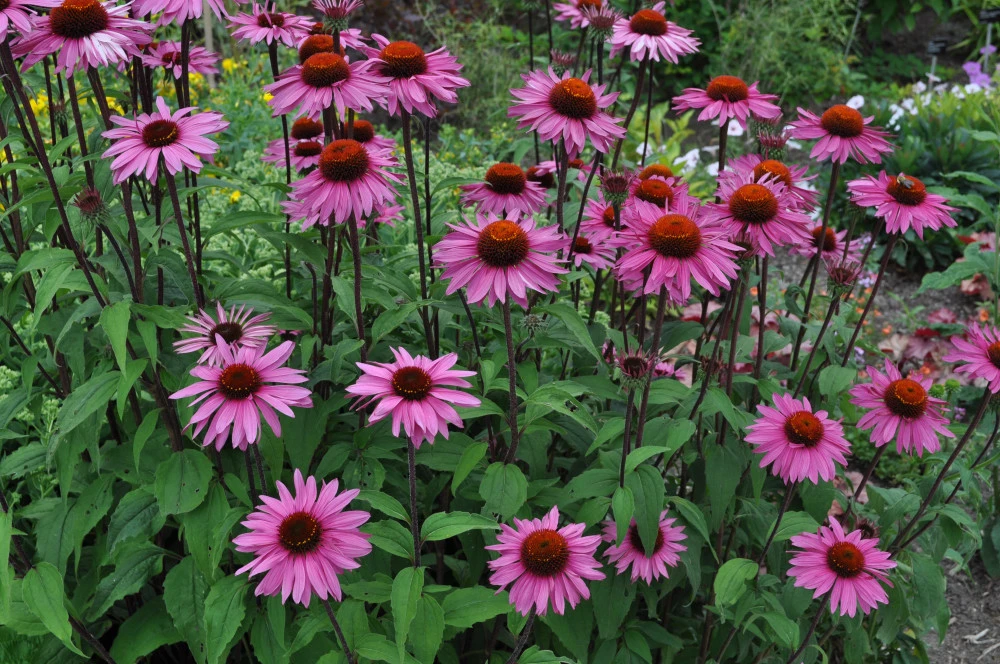
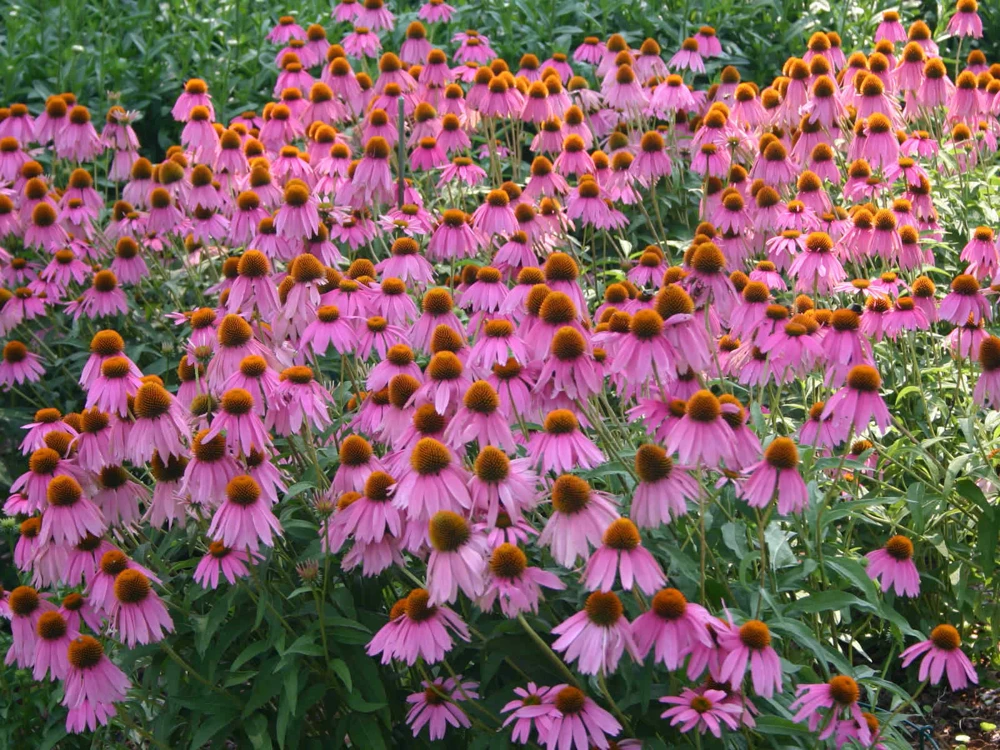
Purple Coneflower Seeds – Echinacea Purpurea for Butterflies & Bees
From 10.77 $
Cultivate stunning purple coneflower seeds in your garden. These echinacea purpurea seeds are perfect for attracting butterflies, hummingbirds, and bees, enhancing biodiversity and beauty. Enjoy vibrant purple blooms and a natural, healthy ecosystem.
Estimated arrival
Sep 18
Sep 23 - Sep 25
Sep 25 - Sep 30
See our Shipping Policy.
Get in touch with us via email, and our team will review your concerns.
Our Alive & Thrive Guarantee covers issues with your plants within the first 30 days. Read our Refund & Returns Policy.
-
USDA Hardiness Zone
Zones 3-9 -
Soil Type
Clay, Loam, Sand (well-draining) -
Sunlight Exposure
Partial Shade, Full Sun -
Expected Planting Period
Fall, Spring
Overview
Embark on a rewarding gardening journey with our premium purple coneflower seeds. Also known by its botanical name, Echinacea Purpurea, this beloved perennial is a must-have for any garden seeking to attract beneficial wildlife. These seeds will grow into robust plants featuring distinctive daisy-like flowers with prominent cone-shaped centers and rich purple petals. Beyond their striking beauty, coneflowers are renowned for their ecological benefits, serving as a vital food source for pollinators. They are a classic choice for wildflower gardens, perennial borders, and naturalized areas, offering a long season of interest from summer into fall.
Our echinacea purpurea seeds provide an excellent opportunity to cultivate these hardy and beautiful flowers from scratch. Each seed holds the promise of a vibrant bloom that will not only enhance your garden’s aesthetic but also contribute to a thriving local ecosystem. Grow your own source of natural beauty and support local wildlife with these easy-to-grow seeds.
Key Benefits
Planting purple coneflower seeds offers a multitude of advantages for both your garden and the environment. These benefits make them a superior choice for gardeners of all experience levels:
- Attracts Pollinators: Coneflowers are magnets for butterflies, hummingbirds, and bees, playing a crucial role in supporting local pollinator populations and contributing to a healthy garden ecosystem.
- Long Blooming Season: Enjoy a continuous display of vibrant purple flowers from summer through fall, providing extended color and interest when many other plants have faded.
- Drought Tolerant: Once established, these plants are remarkably resilient and can withstand periods of drought, making them an excellent choice for water-wise gardening.
- Low Maintenance:Echinacea Purpurea is a relatively easy plant to care for, requiring minimal attention once established, perfect for busy gardeners.
- Deer Resistant: Generally, deer tend to leave coneflowers alone, allowing your beautiful blooms to flourish undisturbed.
- Medicinal Properties: Historically, Echinacea has been valued for its traditional medicinal uses, adding another layer of interest to this versatile plant.
- Versatile Garden Use: Ideal for perennial borders, mass plantings, wildflower meadows, and cutting gardens, providing structure and color wherever they are planted.
Plant Care & Growing Tips
Growing purple coneflower seeds is a straightforward and rewarding experience. For optimal results, plant these seeds directly outdoors in late fall or early spring. If sowing in spring, a period of cold stratification (mimicking winter conditions) for 30-60 days can improve germination rates. Sow seeds about 1/4 inch deep and 12-18 inches apart. Ensure the soil remains consistently moist until germination occurs, which typically takes 10-20 days. Once seedlings are established, thin them to their final spacing to allow for proper air circulation and growth.
Sunlight:Echinacea Purpurea thrives in full sun (at least 6 hours of direct sunlight per day) to partial shade. While it can tolerate some shade, full sun promotes the most abundant blooms and robust growth. Soil Type: These plants prefer well-draining soil with a pH between 6.0 and 7.0. They are adaptable to various soil types including clay, loam, and sand, as long as drainage is good. Avoid overly wet conditions, which can lead to root rot. Watering: Water regularly during dry periods, especially during the first growing season to help establish a strong root system. Once mature, coneflowers are quite drought-tolerant and require light watering. Fertilization: Coneflowers are not heavy feeders. A light application of a balanced granular fertilizer in early spring can promote vigorous growth, but it’s often not necessary in fertile soil. USDA Hardiness Zone: These hardy perennials are suitable for USDA Zones 3-9, tolerating a wide range of climates. Deadheading spent blooms can encourage a second flush of flowers and prevent excessive self-seeding. For continued vigor, consider dividing clumps every 3-4 years in early spring or fall. With proper care, your coneflower growing tips will lead to a stunning display.
Size & Details
Our purple coneflower seeds will grow into mature plants that typically reach a height of 2-4 feet and spread 1.5-2 feet wide, forming an attractive clumping habit. The vibrant purple blooms, characteristic of Echinacea Purpurea, appear from early summer through fall, providing a long season of visual interest. These flower seeds are easy to cultivate and produce robust, perennial plants that will return year after year. The seeds are packaged to ensure viability and are ready for planting upon arrival. Expect first blooms in the second year after planting from seed, with established plants offering a prolific display.
Frequently Asked Questions
- Q: How big does this plant get? A: Purple coneflower plants typically grow to a height of 2-4 feet and spread about 1.5-2 feet wide, forming attractive clumps in your garden.
- Q: Is this an indoor or outdoor plant? A: Echinacea Purpurea is primarily an outdoor plant, thriving in garden beds, borders, and naturalized areas where it can receive ample sunlight.
- Q: How much sunlight does it need? A: For the best growth and most abundant blooms, coneflowers require full sun, meaning at least 6 hours of direct sunlight per day. They can tolerate partial shade but may have fewer flowers.
- Q: Is this plant easy to care for? A: Yes, these are considered easy to grow flower seeds. Once established, coneflowers are very low maintenance, drought-tolerant, and generally pest-resistant, making them ideal for beginners and experienced gardeners alike.
- Q: What condition will the seeds arrive in? A: The purple coneflower seeds will arrive in a protective package, ensuring their viability and readiness for planting in your garden.
- Q: How long until it blooms? A: When grown from seed, coneflowers typically establish their root system in the first year and produce their first blooms in the second year. Established plants will bloom reliably each summer.
- Q: Will it survive winter in my zone? A: Yes, Echinacea Purpurea is a hardy perennial and is well-suited for USDA Hardiness Zones 3-9, meaning it can withstand cold winter temperatures and return each spring.
- Q: What’s the best time to plant these seeds? A: The best time to plant purple coneflower seeds is in late fall or early spring. If planting in spring, cold stratification can significantly improve germination rates.
- Q: What types of soil does it prefer? A: Coneflowers prefer well-draining soil with a neutral pH. They can adapt to various soil types including clay, loam, and sand, as long as there is good drainage to prevent waterlogging.
- Q: Can I grow these in containers? A: While primarily a garden plant, purple coneflower can be grown in large containers (at least 12-18 inches in diameter) with good drainage, provided they receive adequate sunlight.
| Seed Amount | 100 Seeds, 1000 Seeds Or 1/8 Oz, 128K Seeds Or 1 Lb, 16K Seeds Or 2 Oz, 250 Seeds, 32K Seeds Or 1/4 Lb, 4000 Seeds Or 1/2 Oz, 500 Seeds, 64K Seeds Or 1/2 Lb, 8000 Seeds Or 1 Oz |
|---|
Be the first to review “Purple Coneflower Seeds – Echinacea Purpurea for Butterflies & Bees”
Related products


Flower Seeds


You May Like
5 Best Bulbs for Fall Planting: Brighten Your Garden This Spring
Are you dreaming of a garden full of vibrant colors in the spring? The key [...]
Aug
How to Repot Houseplants Like a Pro
Do your houseplants look like they’ve outgrown their pots? Are their roots popping out of [...]
Aug
10 Houseplants That Will Thrive in Your Kitchen
Are you tired of your kitchen feeling dull and lifeless? Want to add a little [...]
Aug
Reviews
There are no reviews yet.