

100 Red Lentil Seeds – Lens Culinaris Vegetable Seeds for Planting
Original price was: 32.99 $.12.99 $Current price is: 12.99 $.
Cultivate your own healthy and delicious red lentil seeds at home. These Lens Culinaris seeds are perfect for gardeners looking to grow a nutritious and sustainable food source. Enjoy fresh, protein-packed lentils from your garden.
Estimated arrival
Sep 18
Sep 23 - Sep 25
Sep 25 - Sep 30
See our Shipping Policy.
Get in touch with us via email, and our team will review your concerns.
Our Alive & Thrive Guarantee covers issues with your plants within the first 30 days. Read our Refund & Returns Policy.
-
USDA Hardiness Zone
unknown (suitable for many temperate zones) -
Soil Type
well-draining soil -
Sunlight Exposure
full sun -
Expected Planting Period
spring after last frost
Overview
Embark on a rewarding gardening journey with our premium red lentil seeds. These high-quality Lens Culinaris seeds offer an excellent opportunity to cultivate your own nutritious and versatile lentils right in your backyard or container garden. Known for their rapid growth and ability to thrive in various climates, red lentils are a staple in many cuisines worldwide, prized for their earthy flavor and impressive nutritional profile. Growing your own ensures a fresh, organic supply, free from additives and pesticides. Whether you’re an experienced gardener or just starting, these red lentil seeds provide a straightforward and satisfying growing experience, culminating in a bountiful harvest of delicious, protein-rich food.
Our red lentil seeds are carefully selected to ensure high germination rates and robust plant growth. The Lens Culinaris variety is specifically chosen for its adaptability and yield, making it an ideal choice for home gardeners across the US. Beyond their culinary uses, growing lentils contributes to soil health by fixing nitrogen, making them a beneficial addition to any crop rotation. Discover the joy of harvesting your own food and the satisfaction of knowing exactly where your meals come from.
Key Benefits
Growing red lentil seeds offers a multitude of advantages, both for your garden and your plate. These versatile legumes are not only easy to cultivate but also provide significant dietary and environmental benefits. Here are some of the key benefits you can expect:
- Nutritional Powerhouse: Homegrown red lentil seeds yield lentils that are packed with protein, fiber, and essential minerals like iron and folate. Incorporating them into your diet supports overall health and provides a sustainable plant-based protein source.
- Easy to Grow: Lentils are known for being a relatively low-maintenance crop, making them suitable for beginner gardeners. They require minimal fuss once established and can produce a generous harvest with basic care.
- Soil Improvement: As legumes, lentils are natural nitrogen-fixers. They enrich the soil with vital nutrients, reducing the need for synthetic fertilizers and improving the fertility of your garden beds for subsequent crops, an excellent practice for how to grow lentils sustainably.
- Versatile Culinary Use: Freshly harvested red lentils can be used in a wide array of dishes, from soups and stews to salads and curries. Their mild, earthy flavor makes them a versatile ingredient in healthy cooking.
- Quick Maturation: Lentils have a relatively short growing season compared to many other legumes, allowing for a quicker harvest. This means you can enjoy your homegrown bounty sooner and potentially plant multiple successions.
- Sustainable Food Source: Growing your own organic lentil seeds reduces your carbon footprint and provides a self-sufficient food option. It connects you more closely to your food supply and promotes sustainable living.
Plant Care & Growing Tips
Successfully cultivating red lentil seeds involves understanding their basic needs for sunlight, soil, and water. Lentils are generally hardy plants, but providing optimal conditions will lead to a more abundant harvest. For best results when growing red lentils, choose a site that receives full sun, meaning at least 6-8 hours of direct sunlight per day. Good air circulation is also important to prevent fungal diseases. Prepare your garden bed by ensuring the soil is well-draining and loose. A slightly acidic to neutral pH (6.0-7.0) is ideal. While lentils can tolerate poorer soils, amending with some compost can significantly improve yield and plant vigor.
Plant your Lens Culinaris seeds directly into the garden after the last frost date in your region, typically in spring. Sow seeds about 1 inch deep and 2-3 inches apart, in rows spaced 12-18 inches apart. Once seedlings emerge, thin them to 4-6 inches apart to allow for proper development. Water consistently, especially during flowering and pod development, keeping the soil evenly moist but not waterlogged. Avoid overhead watering if possible, to reduce the risk of leaf diseases. Lentils are generally drought-tolerant once established, but regular watering will maximize your yield. They typically do not require heavy fertilization due to their nitrogen-fixing capabilities, but a light application of a balanced, low-nitrogen fertilizer can be beneficial in very poor soils. Watch out for common pests like aphids and consider companion planting with other vegetables to deter them. Harvesting usually occurs when the pods turn yellow and the seeds inside are dry. For guidance on how to grow lentils, observe the plant’s natural life cycle.
Size & Details
Our offering includes 100 Red Lentil seeds, providing a generous quantity for multiple plantings or a substantial single crop. Each seed is from the Lens Culinaris variety, known for its reliable growth and excellent flavor. Lentil plants typically grow to a height of 12 to 24 inches (30-60 cm) and have a bushy, upright habit. The plants produce small, delicate flowers before forming pods, each containing one to three small, disc-shaped lentils. The growth rate is relatively fast, with plants reaching maturity and being ready for harvest in approximately 80 to 110 days from planting, depending on climate and growing conditions.
These red lentil seeds are shipped in a protective packet to ensure their viability upon arrival. They are ideal for both in-ground gardening and larger container planting, making them suitable for various garden sizes and types. Once established, the plants are relatively low-maintenance, requiring consistent watering and occasional weeding. Expect a rewarding yield of delicious and nutritious lentils, perfect for fresh consumption or drying for long-term storage. For gardeners interested in growing red lentils, these seeds offer a fantastic starting point.
Frequently Asked Questions
- Q: How big do red lentil plants get? A: Red lentil plants typically grow to a height of 12 to 24 inches (30-60 cm) with a bushy, upright form. This makes them suitable for various garden spaces, including raised beds and larger containers.
- Q: Is this an indoor or outdoor plant? A: Red lentil seeds are primarily grown outdoors in full sun. While they can be started indoors in trays, they need to be transplanted outside to thrive and produce a good harvest.
- Q: How much sunlight do red lentils need? A: Red lentil plants require at least 6-8 hours of direct sunlight per day to grow optimally and produce a good yield of pods. Choose a sunny spot in your garden.
- Q: Is this plant easy to care for? A: Yes, lentils are considered relatively easy to grow and are a great choice for beginner gardeners. They are low-maintenance once established, especially if you follow basic guidelines for how to grow lentils.
- Q: Can I use these lentils in cooking? A: Absolutely! These Lens Culinaris seeds will produce delicious red lentils that are perfect for a wide variety of culinary uses, including soups, stews, curries, and salads.
- Q: How long until red lentils are ready to harvest? A: Red lentil plants typically mature and are ready for harvest in approximately 80 to 110 days after planting, depending on your local climate and specific growing conditions.
- Q: What condition will the seeds arrive in? A: Your red lentil seeds will arrive in a protective packet, ensuring their quality and viability for planting. They are ready to be sown directly into your garden.
- Q: Will these organic lentil seeds improve my soil? A: Yes, as legumes, lentil plants are natural nitrogen-fixers. They enrich the soil with nitrogen, which benefits subsequent crops and contributes to overall soil health, a key aspect of growing red lentils.
- Q: What’s the best time to plant red lentil seeds? A: The best time to plant red lentil seeds is in the spring, after the last danger of frost has passed in your region. This allows them to mature during the warmer months.
- Q: Do these red lentil seeds require a specific soil type? A: While adaptable, lentils prefer well-draining, loose soil with a slightly acidic to neutral pH (6.0-7.0). Amending heavy clay soils with compost can improve drainage and structure.
Be the first to review “100 Red Lentil Seeds – Lens Culinaris Vegetable Seeds for Planting”
Related products


Vegetable Seeds
Tendersweet Carrot Seeds – 1500 Count, Deep Orange Red Vegetable


You May Like
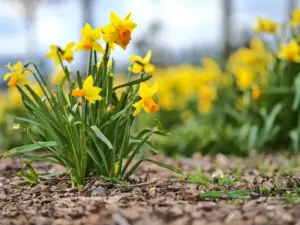
5 Best Bulbs for Fall Planting: Brighten Your Garden This Spring
Are you dreaming of a garden full of vibrant colors in the spring? The key [...]
Aug
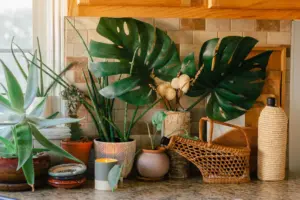
How to Repot Houseplants Like a Pro
Do your houseplants look like they’ve outgrown their pots? Are their roots popping out of [...]
Aug
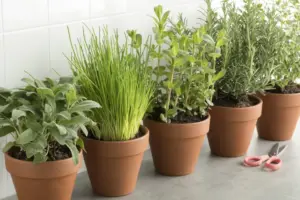
10 Houseplants That Will Thrive in Your Kitchen
Are you tired of your kitchen feeling dull and lifeless? Want to add a little [...]
Aug
Reviews
There are no reviews yet.