


Yellow Compass Plant Seeds – Silphium Laciniatum Prairie – 10 Seeds
Original price was: 32.99 $.12.99 $Current price is: 12.99 $.
Cultivate stunning yellow compass plant seeds (Silphium Laciniatum seeds) in your garden. These robust prairie compassplant seeds yield tall, vibrant yellow flowers that attract bees and butterflies. Perfect for native plant gardens, they are known for their unique leaf orientation.
Estimated arrival
Sep 19
Sep 24 - Sep 26
Sep 26 - Oct 01
See our Shipping Policy.
Get in touch with us via email, and our team will review your concerns.
Our Alive & Thrive Guarantee covers issues with your plants within the first 30 days. Read our Refund & Returns Policy.
-
USDA Hardiness Zone
3 - 9 -
Soil Type
Average - Dry, well-draining soil -
Sunlight Exposure
Full Sun - Part Shade -
Expected Planting Period
Fall sow or cold stratify for spring planting
Overview
Embark on a rewarding gardening journey with our premium yellow compass plant seeds. These seeds grow into the magnificent Silphium Laciniatum, commonly known as the Compass Plant or Prairie Compassplant, a true icon of North American prairies. Renowned for its striking yellow, sunflower-like blooms and impressive height, the Compass Plant is a long-lived perennial that adds significant visual interest and ecological value to any landscape. Each packet contains 10 high-quality seeds, ready to be fall sown or cold stratified for optimal germination. This unique plant is celebrated not only for its beauty but also for its distinctive leaves that often align themselves on a north-south axis, hence its intriguing name. Ideal for naturalized areas, native plant gardens, or as a majestic backdrop in a sunny border, growing compass plant provides a sustainable and beautiful addition to your outdoor space.
The Compass Plant is more than just a pretty face; it’s a vital part of the prairie ecosystem. Its deep taproots help stabilize soil and make it incredibly drought-tolerant once established. The large, showy flowers, typically 3-4 inches across, are a beacon for pollinators throughout the summer and early fall, attracting a variety of bees, including bumblebees, and butterflies, such as the occasional Monarch. Beyond its ecological benefits, the architectural form of the Compass Plant, with its deeply lobed leaves and tall, sturdy stems, makes it a dramatic focal point in any garden setting. These native prairie seeds offer an opportunity to welcome a piece of natural history into your own backyard, fostering biodiversity and enjoying the vibrant life it attracts.
Key Benefits
The yellow compass plant seeds offer a multitude of benefits for both the gardener and the environment. Planting these seeds allows you to cultivate a resilient and beautiful native species with minimal effort once established. Here are some of the key advantages:
- Pollinator Magnet: The large, bright yellow flowers are highly attractive to a wide range of pollinators, including bees (especially bumblebees) and various butterfly species like Monarchs, supporting local ecosystems.
- Drought Tolerance: Once mature, the deep taproot system of the Silphium Laciniatum makes it exceptionally drought-resistant, requiring less supplemental watering.
- Unique Aesthetic Appeal: With its towering height (up to 10 feet) and distinctive deeply lobed leaves that orient north-south, the Compass Plant provides a dramatic and unique architectural element to your garden.
- Low Maintenance: After establishment, this perennial requires very little care, making it an excellent choice for naturalized areas, prairie restorations, or gardeners seeking low-effort beauty.
- Wildlife Food Source: The seeds produced by the plant are a valuable food source for birds and small mammals, contributing to local wildlife support.
- Long Bloom Period: Enjoy a prolonged display of vibrant yellow blooms from July through September, adding continuous color to your landscape.
- Native Plant Benefits: By growing compass plant, you contribute to the conservation of native plant species and create a habitat that supports local flora and fauna.
Plant Care & Growing Tips
Cultivating yellow compass plant seeds into thriving specimens is a rewarding process that requires understanding their specific needs. The Silphium Laciniatum thrives in conditions that mimic its native prairie environment. For successful germination, these seeds benefit from cold stratification. This can be achieved by fall sowing them directly into the garden after the first hard frost, allowing nature to provide the necessary cold period over winter. Alternatively, you can cold stratify them indoors by placing the seeds in a moist medium (like sand or peat) in a sealed bag in the refrigerator for 60-90 days before planting in spring. Once germinated, plant seedlings about 15-24 inches apart to give them ample room to grow, as they can become quite large.
The Compass Plant prefers a location with full sun to part shade, meaning at least 6 hours of direct sunlight daily is ideal for robust growth and abundant flowering. It is highly adaptable to various soil types but performs best in average to dry soils with good drainage. Avoid overly wet or waterlogged conditions, as this can lead to root rot. Once established, the plant is remarkably drought-tolerant due to its deep root system, making it an excellent choice for xeriscaping or areas with infrequent watering. Fertilization is generally not necessary in rich prairie soils, but if your soil is poor, a light application of a balanced, slow-release fertilizer in early spring can be beneficial. These plants are hardy in USDA Zones 3-9, tolerating a wide range of climates. Watch out for potential slug or snail damage on young seedlings, but mature plants are generally pest-free.
Regular watering is crucial during the first growing season to help the young plants establish their deep root system. After the first year, supplemental watering is rarely needed unless there are prolonged periods of extreme drought. Deadheading spent flowers is not strictly necessary but can encourage a tidier appearance and may promote additional blooms, though the seeds are also a valuable food source for wildlife. The towering height of the prairie compassplant means it can sometimes benefit from staking in very windy locations, especially when laden with flowers. By providing these ideal conditions, you’ll be well on your way to successfully growing compass plant and enjoying its majestic presence for many years. These native prairie seeds are a testament to nature’s resilience and beauty.
Size & Details
Our offering includes 10 high-quality yellow compass plant seeds, providing a foundation for a stunning and ecologically beneficial garden. These seeds will grow into mature Silphium Laciniatum plants that typically reach an impressive height of 48 to 120 inches (4 to 10 feet), making them a dramatic vertical accent in any landscape. The mature plants will require a spacing of 15 to 24 inches to accommodate their spread and ensure healthy growth. The large, showy yellow flowers measure 3 to 4 inches in diameter and bloom prolifically from July through September.
The Compass Plant is a long-lived perennial, establishing a deep taproot system that ensures its longevity and resilience once mature. Seeds are shipped in a protective packet, ready for fall sowing or indoor cold stratification. While germination can take several weeks after stratification, the robust growth and consistent bloom of the mature plant make the wait worthwhile. Expect your plants to achieve significant height and bloom within 2-3 years, becoming a prominent feature of your garden. These native prairie seeds represent an investment in long-term garden beauty and ecological support.
Frequently Asked Questions
- Q: How big does the Compass Plant get? A: The yellow compass plant seeds can grow into mature plants that typically reach an impressive height of 4 to 10 feet (48 to 120 inches) tall. They are quite stately and can form a significant presence in your garden.
- Q: What are the sunlight requirements for Silphium Laciniatum? A: The Compass Plant thrives in full sun to part shade, ideally receiving at least 6 hours of direct sunlight per day. More sun generally leads to more robust growth and abundant blooms.
- Q: Is this plant easy to care for? A: Yes, once established, the prairie compassplant is considered very low maintenance. It’s drought-tolerant and generally resistant to pests and diseases, making growing compass plant relatively easy.
- Q: What condition will the seeds arrive in? A: Your yellow compass plant seeds will arrive in a protective packet, ensuring they are safe and ready for planting. They are dormant and require stratification before germination.
- Q: How long until it blooms? A: While the Compass Plant is a long-lived perennial, it typically takes 2-3 years for the plant to establish and begin flowering consistently. Once it starts, it will bloom reliably from July through September.
- Q: Will it survive winter in my zone? A: The Compass Plant is remarkably hardy and suitable for USDA Hardiness Zones 3 through 9, meaning it can tolerate a wide range of winter temperatures and conditions across much of the US.
- Q: What kind of soil does the Compass Plant prefer? A: This plant is adaptable but prefers average to dry soils with good drainage. It does not do well in consistently wet or waterlogged conditions, which can lead to root issues.
- Q: Do these native prairie seeds attract pollinators? A: Absolutely! The large, yellow flowers of the Compass Plant are a magnet for various pollinators, including many species of bees (especially bumblebees) and butterflies, making it excellent for supporting local ecosystems.
- Q: Can I grow Silphium Laciniatum in a container? A: Due to its very deep taproot and impressive mature size, the Compass Plant is generally not recommended for container growing. It thrives best when planted directly in the ground.
- Q: What is the best time for planting yellow compass plant seeds? A: The seeds can be fall sown directly into the garden after the first hard frost, allowing for natural cold stratification over winter. Alternatively, indoor cold stratification for 60-90 days can be done before spring planting.
Be the first to review “Yellow Compass Plant Seeds – Silphium Laciniatum Prairie – 10 Seeds”
Related products


Flower Seeds
Blue Stock Matthiola Incana Seeds – 50 Fragrant Gillyflower Seeds – Ten-Week Blue Stock
You May Like
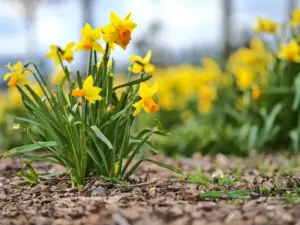
5 Best Bulbs for Fall Planting: Brighten Your Garden This Spring
Are you dreaming of a garden full of vibrant colors in the spring? The key [...]
Aug
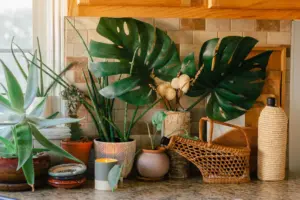
How to Repot Houseplants Like a Pro
Do your houseplants look like they’ve outgrown their pots? Are their roots popping out of [...]
Aug
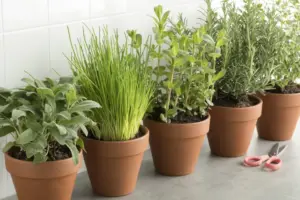
10 Houseplants That Will Thrive in Your Kitchen
Are you tired of your kitchen feeling dull and lifeless? Want to add a little [...]
Aug
Reviews
There are no reviews yet.