


Noble Rhubarb Seeds – Ornamental Sikkim Himalayan Glasshouse Plant – 5 Seeds
Original price was: 32.99 $.12.99 $Current price is: 12.99 $.
Cultivate the magnificent Noble Rhubarb seeds (Rheum Nobile), a stunning ornamental Sikkim Himalayan plant. These 5 rare seeds will grow into towering glasshouse beauties up to 6.5 feet tall, perfect for adding a unique focal point to your garden or conservatory.
Estimated arrival
Sep 18
Sep 23 - Sep 25
Sep 25 - Sep 30
See our Shipping Policy.
Get in touch with us via email, and our team will review your concerns.
Our Alive & Thrive Guarantee covers issues with your plants within the first 30 days. Read our Refund & Returns Policy.
-
USDA Hardiness Zone
4-9 -
Soil Type
Average, well-draining soil -
Sunlight Exposure
Full sun - Part shade -
Expected Planting Period
Outdoors after frost / Indoors weeks before last frost
Overview
Embark on a botanical adventure by growing your very own Noble Rhubarb seeds. This extraordinary plant, scientifically known as Rheum Nobile, is a true spectacle native to the high altitudes of the Himalayas. Often referred to as Sikkim Rhubarb, Ornamental Rhubarb, or Himalayan Glasshouse Plant, this species is renowned for its architectural beauty and impressive stature. Unlike its culinary cousins, the Noble Rhubarb plant is cultivated for its breathtaking ornamental value, featuring striking spires that transition from translucent yellow to white with pink tips, culminating in yellow flowers that blush to pink and then red. These Noble Rhubarb seeds offer a unique opportunity to introduce a rare and awe-inspiring specimen into your garden or glasshouse collection, promising a dramatic focal point that will captivate all who behold it.
Originating from the challenging environments of Sikkim, this ornamental giant adapts surprisingly well to various conditions when given the right care. Each packet contains 5 high-quality Noble Rhubarb seeds, ready to be sown and nurtured into magnificent plants that can reach heights of up to 6.5 feet. Its sheer size and unusual appearance make it an unforgettable addition, perfectly suited for gardeners looking to cultivate something truly exceptional and rare. The vibrant colors and unique structure of the spires provide visual interest throughout the growing season, making the Rheum Nobile plant a conversation starter and a testament to nature’s artistry.
Key Benefits
The Noble Rhubarb plant offers a multitude of benefits for the discerning gardener, extending beyond its sheer beauty and rarity. Growing these Noble Rhubarb seeds will bring a touch of the exotic and extraordinary to your landscape.
- Dramatic Ornamental Appeal: The primary benefit is its unparalleled visual impact. With towering spires that can reach over six feet, displaying a stunning gradient of translucent yellow, white, and pink, the Rheum Nobile plant creates an unforgettable focal point in any garden or glasshouse setting. Its unique architecture sets it apart from typical garden plants.
- Rare and Unique Specimen: This is not your everyday garden plant. Cultivating Himalayan glasshouse plant seeds means you are growing a rare botanical gem, offering a sense of accomplishment and exclusivity to your plant collection. It’s a fantastic choice for collectors and enthusiasts.
- Long-Lasting Seasonal Interest: While the flowers bloom from June to August, the impressive spires provide continuous visual interest throughout the entire growing season. This ensures your garden remains captivating for many months, making it a valuable addition for sustained beauty.
- Adaptable to Various Zones: Despite its Himalayan origins, the Sikkim rhubarb is surprisingly hardy, thriving in USDA Zones 4-9. This broad range makes it accessible to a wide variety of climates, allowing more gardeners to enjoy its splendor.
- Conversation Starter: Its unusual appearance and formidable size guarantee it will draw attention and spark conversations. Prepare to answer questions and share the fascinating story of this remarkable Himalayan native with friends and visitors.
- Educational Value: For those interested in botany and geographical diversity, growing the Noble Rhubarb plant offers a hands-on learning experience about high-altitude flora and plant adaptation.
Plant Care & Growing Tips
Successfully cultivating Noble Rhubarb seeds requires attention to specific environmental conditions, mimicking its native Himalayan habitat. Begin by sowing the seeds either outdoors after the last frost or indoors several weeks before the last frost for an earlier start. When planting outdoors, choose a location that receives full sun to part shade. While it appreciates ample light, some afternoon shade can be beneficial in hotter climates to prevent stress. The ideal soil for this majestic Himalayan glasshouse plant is average garden soil, but it must be well-draining to prevent root rot. Consistency in moisture is key; the soil should be kept evenly moist but not waterlogged.
Once established, the Rheum Nobile plant is relatively low-maintenance. It can grow impressively tall, up to 6.5 feet, so ensure adequate space, with plants spaced 36 to 42 inches apart to allow for proper air circulation and growth. Fertilization can be done with a balanced, slow-release fertilizer in early spring to support its vigorous growth. Protect young plants from slugs and snails, which can be attracted to new foliage. In colder regions within its hardiness zone (USDA 4-9), a layer of mulch around the base in late fall can help protect the roots through winter. While generally robust, monitor for signs of stress, such as wilting or discoloration, which often indicate issues with watering or drainage. Providing optimal conditions will ensure a thriving and spectacular ornamental rhubarb specimen.
Size & Details
Each packet contains 5 Noble Rhubarb seeds, providing an excellent start to cultivating this unique ornamental plant. These seeds will mature into impressive specimens reaching a towering height of up to 6.5 feet (approximately 2 meters), making them a truly grand addition to any garden or glasshouse. The plant’s robust spires and foliage will spread, requiring a generous spacing of 36 to 42 inches between individual plants to ensure healthy development and air circulation. The bloom time for the striking yellow flowers, which gracefully transition to pink and then red, occurs from June to August, while the captivating spires provide visual interest throughout the entire growing season. This Sikkim rhubarb is hardy in USDA Zones 4-9, demonstrating its resilience across a range of climates. With proper care, these seeds will grow into magnificent, long-lived plants, offering years of dramatic beauty.
Frequently Asked Questions
- Q: How big does this Noble Rhubarb plant get? A: This impressive ornamental plant can reach heights of up to 6 1/2 feet (approximately 2 meters), making it a very tall and dramatic addition to your garden or glasshouse.
- Q: Is this an indoor or outdoor plant? A: The Noble Rhubarb plant can be grown outdoors in USDA Hardiness Zones 4-9. It can also be cultivated as a stunning glasshouse plant, especially in regions outside its hardiness range.
- Q: How much sunlight does the Rheum Nobile plant need? A: It thrives in full sun to part shade. In hotter climates, providing some afternoon shade can help protect the plant from excessive heat stress.
- Q: Is this plant easy to care for? A: While unique, the Noble Rhubarb seeds are relatively straightforward to grow once established, provided they have well-draining soil and consistent moisture. It’s a good choice for intermediate gardeners looking for something unusual.
- Q: What condition will the seeds arrive in? A: You will receive 5 high-quality, viable Noble Rhubarb seeds, carefully packaged to ensure their safe arrival and readiness for planting.
- Q: When is the best time to plant Sikkim rhubarb seeds? A: You can plant the seeds outdoors after the last frost in spring, or start them indoors several weeks before the last frost for a head start on the growing season.
- Q: Will the ornamental rhubarb survive winter in my zone? A: This plant is hardy in USDA Zones 4-9. If you are within these zones, it should survive winter outdoors with appropriate care, including mulching in colder areas.
- Q: What type of soil does the Himalayan glasshouse plant prefer? A: It prefers average, well-draining soil. Good drainage is crucial to prevent root issues, so avoid heavy, waterlogged conditions.
- Q: Does this rhubarb produce edible stalks? A: No, the Noble Rhubarb plant (Rheum Nobile) is primarily grown for its ornamental beauty and is not typically cultivated for culinary purposes like common rhubarb. Its primary value is its striking appearance.
- Q: How long until the Noble Rhubarb seeds bloom? A: The flowers typically bloom from June to August, after the plant has established itself. The impressive spires, however, provide visual interest throughout the entire growing season.
Be the first to review “Noble Rhubarb Seeds – Ornamental Sikkim Himalayan Glasshouse Plant – 5 Seeds”
Related products


You May Like
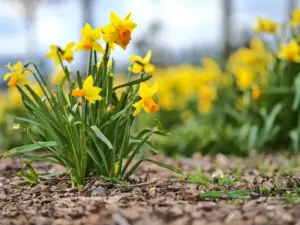
5 Best Bulbs for Fall Planting: Brighten Your Garden This Spring
Are you dreaming of a garden full of vibrant colors in the spring? The key [...]
Aug
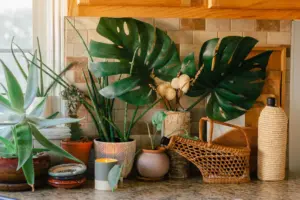
How to Repot Houseplants Like a Pro
Do your houseplants look like they’ve outgrown their pots? Are their roots popping out of [...]
Aug
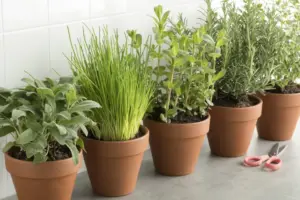
10 Houseplants That Will Thrive in Your Kitchen
Are you tired of your kitchen feeling dull and lifeless? Want to add a little [...]
Aug
Reviews
There are no reviews yet.