


100 Pink English Daisy Seeds – Bellis Perennis Tasso Double Flower
Original price was: 32.99 $.12.99 $Current price is: 12.99 $.
Cultivate stunning double-flowered pink English Daisy seeds with this pack of 100 Bellis Perennis Tasso seeds. Ideal for adding a vibrant touch to garden beds, pathways, and containers. These charming flowers are known for their dense, pompon-like blooms and are excellent for creating a classic cottage garden feel.
Estimated arrival
Sep 19
Sep 24 - Sep 26
Sep 26 - Oct 01
See our Shipping Policy.
Get in touch with us via email, and our team will review your concerns.
Our Alive & Thrive Guarantee covers issues with your plants within the first 30 days. Read our Refund & Returns Policy.
-
USDA Hardiness Zone
USDA zones 4-8 -
Soil Type
Rich, well-draining soil -
Sunlight Exposure
Full sun to partial shade -
Expected Planting Period
Early spring to late summer
Overview
Introduce a touch of timeless elegance to your garden with these premium pink English Daisy seeds. This pack contains 100 seeds of Bellis Perennis, specifically the ‘Tasso Pink Double Flower’ variety, renowned for its exquisite, densely petaled blooms that resemble miniature pompons. English Daisies are beloved for their cheerful appearance and versatility, making them a staple in cottage gardens, borders, and container arrangements. These seeds offer an excellent opportunity to grow a profusion of charming pink flowers that will brighten any outdoor space from spring through early summer, and often into fall in cooler climates.
Growing Bellis Perennis Tasso seeds allows you to experience the joy of nurturing these beautiful plants from their very beginning. The Tasso series is particularly prized for its robust growth and consistently double-flowered form, ensuring a spectacular display. Whether you’re an experienced gardener or just starting, these seeds provide a rewarding planting experience, leading to a garden filled with delightful, vibrant pink hues.
Key Benefits
Planting these pink English Daisy seeds offers numerous advantages for both your garden and your gardening experience. They are a fantastic choice for anyone looking to enhance their outdoor aesthetic with minimal fuss.
- Stunning Double Blooms: The Tasso Pink variety produces full, pompon-like double flowers in a lovely shade of pink, adding a luxurious texture and visual appeal that stands out from single-petaled varieties. These captivating blooms create a plush, carpet-like effect when mass-planted.
- Versatile Garden Use: Perfect for a variety of landscaping applications, these daisies excel as charming border plants, elegant edging for pathways, vibrant ground cover, or delightful additions to mixed containers and window boxes. Their compact size makes them suitable for small spaces.
- Extended Bloom Period: Enjoy a long season of color, as English Daisies typically bloom from early spring well into summer, and can even rebloom in autumn, providing continuous beauty when many other plants are fading. This extended display ensures your garden remains lively and attractive for months.
- Easy to Grow from Seed: These double flower daisy seeds are relatively easy to germinate and grow, making them suitable for gardeners of all skill levels. With proper care, you can achieve a high success rate and a bountiful harvest of beautiful flowers.
- Attracts Pollinators: While primarily grown for their ornamental value, the cheerful blooms can also attract beneficial pollinators like bees and butterflies to your garden, contributing to a healthy ecosystem.
- Low Maintenance: Once established, English Daisies are fairly low-maintenance, requiring basic watering and occasional deadheading to encourage more blooms. They are generally resilient and adaptable to various garden conditions.
- Classic Cottage Garden Appeal: These traditional flowers are synonymous with classic cottage gardens, providing a nostalgic and charming aesthetic that complements a wide range of garden styles. Their understated beauty adds a touch of rustic elegance.
Plant Care & Growing Tips
Successfully growing pink English Daisy seeds requires attention to a few key environmental factors and consistent care. English Daisies are generally robust, but providing optimal conditions will ensure the most vibrant and abundant blooms. Start your seeds indoors 8-10 weeks before the last frost date, or sow directly outdoors after all danger of frost has passed.
For germination, sow the seeds lightly on the surface of a well-draining seed starting mix, as they require light to germinate. Do not cover them deeply. Maintain a consistent soil temperature of 60-70°F (15-21°C) and keep the soil moist but not waterlogged. Germination typically occurs within 7-14 days. Once seedlings have developed a few true leaves, transplant them into individual pots. When transplanting outdoors, ensure the soil is rich, well-draining, and has a neutral to slightly acidic pH. English Daisies thrive in full sun to partial shade; in hotter climates, some afternoon shade is beneficial to prolong blooming. They prefer consistently moist soil, so water regularly, especially during dry spells, but avoid overwatering which can lead to root rot. A balanced liquid fertilizer can be applied every 4-6 weeks during the growing season to encourage vigorous growth and more flowers. Deadhead spent blooms regularly to promote continuous flowering and prevent self-seeding if desired. These plants are generally hardy in USDA zones 4-8, often behaving as biennials or short-lived perennials, but are frequently grown as annuals in warmer regions. Understanding how to grow English daisies effectively ensures a beautiful display.
Size & Details
This package contains 100 pink English Daisy seeds (Bellis Perennis ‘Tasso Pink Double Flower’). When mature, these charming plants typically reach a height of 6-8 inches (15-20 cm) with a similar spread, forming neat, compact mounds of foliage topped with a profusion of double, pompon-like pink flowers. They are ideal for creating dense patches of color in the garden. Each seed is carefully selected to ensure high germination rates, providing you with a strong start for your garden. The plants will typically begin blooming in early spring and continue through early summer, with potential for rebloom in autumn. These flower seeds are delivered in a protective packet, ready for planting, offering a simple way to introduce vibrant color and classic elegance into your landscape. Expect to see significant growth within a few weeks of germination, with flowers appearing within 3-4 months from sowing, depending on growing conditions.
Frequently Asked Questions
- Q: How big does this plant get? A: The pink English Daisy ‘Tasso Pink Double Flower’ typically grows to a compact height of 6-8 inches (15-20 cm) with a similar spread. This makes it an excellent choice for borders, edging, and containers, where it forms neat, mounded clumps.
- Q: Is this an indoor or outdoor plant? A: English Daisies are primarily outdoor plants, thriving in garden beds, borders, and outdoor containers. While they can be started indoors from these Bellis Perennis Tasso seeds, they are not typically grown as long-term houseplants.
- Q: How much sunlight does it need? A: These daisies prefer full sun to partial shade. In cooler climates, full sun is ideal for robust blooming. In hotter regions, providing some afternoon shade can help extend their flowering period and prevent stress.
- Q: Is this plant easy to care for? A: Yes, English Daisies are considered relatively easy to care for, especially when grown from these double flower daisy seeds. They require consistent moisture, well-draining soil, and regular deadheading to encourage continuous blooms.
- Q: Can I use English Daisies in cut flower arrangements? A: Absolutely! The charming, double blooms of the ‘Tasso Pink’ variety make excellent additions to small bouquets and floral arrangements, bringing a fresh, cheerful touch indoors. They add wonderful texture and color.
- Q: How long until it blooms after planting? A: When grown from seed, you can typically expect your pink English Daisy seeds to produce flowers within 3-4 months after sowing, depending on the growing conditions and when they were started.
- Q: What’s the best time to plant these seeds? A: For best results, sow these seeds indoors 8-10 weeks before the last expected frost for early spring blooms, or sow directly outdoors in early spring after the last frost has passed. You can also sow in late summer for fall or next spring blooms.
- Q: Will it survive winter in my zone? A: English Daisies are typically hardy in USDA Zones 4-8. In these zones, they often behave as biennials or short-lived perennials, meaning they may return for a second season. In colder zones, they are usually grown as annuals.
- Q: What type of soil do English Daisies prefer? A: They thrive in rich, well-draining soil with a neutral to slightly acidic pH. Amend heavy clay soils with organic matter to improve drainage, as they do not tolerate soggy conditions.
- Q: Do these plants require a lot of water? A: Yes, English Daisies prefer consistently moist soil. Water regularly, especially during dry periods, ensuring the soil doesn’t dry out completely. However, avoid overwatering to prevent root rot.
Be the first to review “100 Pink English Daisy Seeds – Bellis Perennis Tasso Double Flower”
Related products


Flower Seeds


You May Like
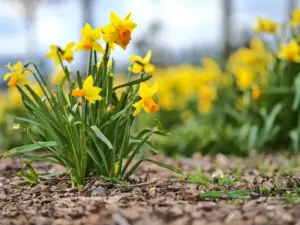
5 Best Bulbs for Fall Planting: Brighten Your Garden This Spring
Are you dreaming of a garden full of vibrant colors in the spring? The key [...]
Aug
How to Repot Houseplants Like a Pro
Do your houseplants look like they’ve outgrown their pots? Are their roots popping out of [...]
Aug
10 Houseplants That Will Thrive in Your Kitchen
Are you tired of your kitchen feeling dull and lifeless? Want to add a little [...]
Aug
Reviews
There are no reviews yet.