


Western Bunchberry Seeds – Cornus Unalaschkensis – 15 Count – White Flowers, Red Berries – Sun to Shade Groundcover
Original price was: 32.99 $.12.99 $Current price is: 12.99 $.
Discover the beauty of western bunchberry seeds! Grow this unique groundcover (Cornus Unalaschkensis) featuring delicate white flowers and vibrant red, edible berries. Ideal for both sun and shade, it adds natural charm to any garden. Each pack contains 15 seeds.
Estimated arrival
Sep 19
Sep 24 - Sep 26
Sep 26 - Oct 01
See our Shipping Policy.
Get in touch with us via email, and our team will review your concerns.
Our Alive & Thrive Guarantee covers issues with your plants within the first 30 days. Read our Refund & Returns Policy.
-
USDA Hardiness Zone
2 - 7 -
Soil Type
Average - Moist, well-draining soil -
Sunlight Exposure
Sun - Shade -
Expected Planting Period
Fall (for outdoor sowing) or Spring (after cold stratification)
Overview
Cultivate a charming and resilient groundcover with these western bunchberry seeds. Also known as Bunchberry Dogwood, Alaskan Bunchberry, or Canadian Bunchberry, Cornus Unalaschkensis is a delightful plant that brings year-round interest to your landscape. These perennial plants are renowned for their delicate white, dogwood-like flowers that bloom from May to August, followed by striking red, edible berries in late summer and fall. Perfect for naturalizing, woodland gardens, or as an attractive border, western bunchberry seeds offer an opportunity to grow a distinctive and low-maintenance plant that thrives in a variety of light conditions. This species is native to North America and is a fantastic choice for those looking to enhance biodiversity in their garden while enjoying its aesthetic appeal.
Growing cornus unalaschkensis seeds allows you to establish a beautiful, spreading plant that typically reaches a modest height of 4-8 inches, forming an attractive carpet of foliage. Its adaptability to both sun and shade makes it a versatile option for different areas of your garden. The vibrant red berries not only add a splash of color but are also a food source for local wildlife, and are edible for humans, though often described as somewhat mealy or bland. This unique combination of ornamental beauty, ecological benefit, and edible fruit makes the Western Bunchberry a truly rewarding plant to grow from seed.
Key Benefits
Growing western bunchberry seeds offers numerous advantages for both your garden and the local ecosystem. Its unique characteristics make it a standout choice for various landscaping needs:
- Attractive Groundcover: The Western Bunchberry forms a dense, low-growing carpet, effectively suppressing weeds and providing a lush green backdrop. Its short stature of 4-8 inches makes it an ideal choice for filling in spaces under taller plants or along pathways.
- Seasonal Interest: Enjoy a continuous display of beauty from spring through fall. The plant showcases elegant white flowers in late spring to summer, followed by brilliant red berries that persist into the autumn months, offering visual appeal and a food source.
- Versatile Light Requirements: This resilient plant tolerates a wide range of light conditions, thriving in both full sun and partial to full shade. This flexibility makes it suitable for various garden spots where other plants might struggle.
- Edible Berries: The bright red berries of the bunchberry dogwood seeds are edible, providing a unique, albeit mild, taste. They can be enjoyed fresh or used in jams and jellies, adding a touch of the wild to your culinary adventures.
- Wildlife Attractor: The berries are a valuable food source for birds and small mammals, helping to support local wildlife populations. Planting these seeds contributes to a healthier, more biodiverse garden ecosystem.
- Hardy and Low Maintenance: Once established, Western Bunchberry is remarkably hardy and requires minimal care. It’s well-suited for USDA Zones 2-7, capable of withstanding cold winters and adapting to various soil conditions.
- Naturalizing Potential: These plants are excellent for naturalizing in woodland settings or creating a native plant landscape. They spread gently, forming colonies that enhance the natural beauty of your outdoor space.
Plant Care & Growing Tips
Successfully growing western bunchberry seeds requires understanding their specific needs, particularly regarding light, soil, and stratification. These seeds benefit from cold stratification to break dormancy, mimicking natural winter conditions. You can achieve this by placing the seeds in a moist medium (like sand or peat moss) in a sealed bag in the refrigerator for 90-120 days before planting. Alternatively, direct sow seeds outdoors in the fall, allowing nature to handle the stratification process over winter. Plant seeds about 1/4 inch deep and keep the soil consistently moist until germination.
Once germinated, Cornus Unalaschkensis thrives in a range of light conditions, from full sun to full shade. However, it generally prefers partial shade, especially in hotter climates, where it can be protected from intense afternoon sun. The ideal soil for these plants is average to moist, well-draining, and rich in organic matter. They are not particularly fussy about soil pH but prefer slightly acidic to neutral conditions. Ensure consistent moisture, especially during dry spells, as Western Bunchberry does not tolerate prolonged drought. Aim for about 1 inch of water per week, either from rainfall or irrigation.
Western Bunchberry is hardy in USDA Zones 2-7, making it a robust choice for many regions. Fertilization is typically not a strict requirement for established plants, especially if grown in organically rich soil. However, a light application of a balanced, slow-release fertilizer in spring can encourage vigorous growth. Keep an eye out for common garden pests, though Western Bunchberry is generally resistant. Proper spacing of about 12 inches between plants will allow them to spread and form a healthy groundcover. With these care tips, your shade groundcover seeds will flourish into a beautiful addition to your garden.
Size & Details
This offering includes a packet containing 15 western bunchberry seeds (Cornus Unalaschkensis), ready for you to cultivate. When mature, these plants typically reach a modest height of 4 to 8 inches, creating a dense and attractive groundcover. They spread by rhizomes, forming colonies over time, and require approximately 12 inches of spacing between individual plants to allow for healthy development. The white flowers emerge between May and August, adding a delicate touch to the landscape, while the vibrant red, edible berries ripen in late summer through fall, providing extended seasonal interest.
The seeds are best planted in the fall for natural cold stratification or subjected to a period of cold stratification before spring planting. Expect germination to occur after the stratification period, with plants establishing themselves over the first growing season. These hardy plants are suitable for USDA Hardiness Zones 2 through 7, indicating their resilience to cold temperatures. The packet provides enough edible berry seeds to start a small patch or to integrate into a larger planting scheme, offering a beautiful and functional addition to your garden.
Frequently Asked Questions
- Q: How big does this plant get? A: Western Bunchberry typically grows to a height of 4 to 8 inches, forming a low-lying groundcover. It spreads horizontally to create a dense mat of foliage and flowers.
- Q: What is the best time to plant these seeds? A: For best results, sow western bunchberry seeds outdoors in the fall for natural cold stratification. Alternatively, you can cold stratify them indoors for 90-120 days and then plant them in the spring after the last frost.
- Q: How much sunlight does Western Bunchberry need? A: This plant is quite versatile, thriving in full sun to full shade. However, it generally performs best in partial shade, especially in regions with hot summers, making it an excellent choice for a shade groundcover seeds project.
- Q: Is this plant easy to care for? A: Yes, once established, Cornus Unalaschkensis is considered low-maintenance. It requires consistent moisture, particularly during dry periods, but is otherwise quite hardy and resilient.
- Q: Are the berries edible? A: Yes, the bright red berries of the bunchberry dogwood seeds are edible. While often described as mild or mealy, they can be eaten fresh or used in cooked applications like jams and jellies.
- Q: What kind of soil does it prefer? A: Western Bunchberry prefers average to moist, well-draining soil that is rich in organic matter. It tolerates a range of soil types but thrives in slightly acidic to neutral conditions.
- Q: Will it survive winter in my zone? A: Yes, this plant is very hardy and suitable for USDA Zones 2-7, meaning it can withstand cold winter temperatures in many parts of the United States.
- Q: How long until the plants bloom? A: After germination and establishment, you can typically expect your western bunchberry seeds to produce flowers and berries within 1-2 years, with blooms appearing from May to August.
- Q: What condition will the seeds arrive in? A: You will receive 15 high-quality seeds in a protective packet, ready for planting according to the provided instructions.
- Q: Can these be used in containers? A: While primarily a groundcover, Western Bunchberry can be grown in larger containers, provided they have adequate drainage and consistent moisture.
Be the first to review “Western Bunchberry Seeds – Cornus Unalaschkensis – 15 Count – White Flowers, Red Berries – Sun to Shade Groundcover”
Related products


You May Like
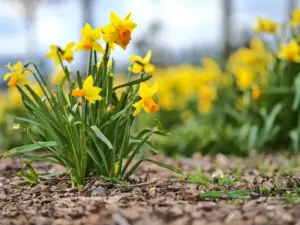
5 Best Bulbs for Fall Planting: Brighten Your Garden This Spring
Are you dreaming of a garden full of vibrant colors in the spring? The key [...]
Aug
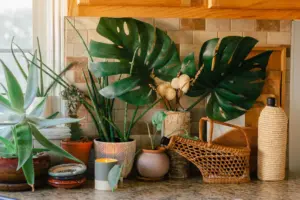
How to Repot Houseplants Like a Pro
Do your houseplants look like they’ve outgrown their pots? Are their roots popping out of [...]
Aug
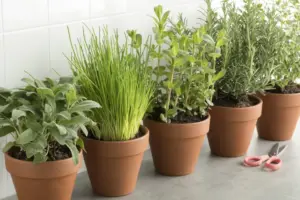
10 Houseplants That Will Thrive in Your Kitchen
Are you tired of your kitchen feeling dull and lifeless? Want to add a little [...]
Aug
Reviews
There are no reviews yet.