


Wild Bergamot Seeds – Monarda Fistulosa Bee Balm, Purple Flower, Native Herb, 1000 Seeds
Original price was: 32.99 $.12.99 $Current price is: 12.99 $.
Cultivate stunning purple blooms and attract pollinators with these wild bergamot seeds (Monarda Fistulosa). Perfect for native gardens, these 1000 seeds will grow into robust plants, also known as bee balm seeds or Oswego Tea, offering both beauty and herbal benefits.
Estimated arrival
Sep 19
Sep 24 - Sep 26
Sep 26 - Oct 01
See our Shipping Policy.
Get in touch with us via email, and our team will review your concerns.
Our Alive & Thrive Guarantee covers issues with your plants within the first 30 days. Read our Refund & Returns Policy.
-
USDA Hardiness Zone
2 - 10 -
Soil Type
Average, well-draining soil -
Sunlight Exposure
Full sun - Part shade -
Expected Planting Period
Outdoors after frost / Indoors weeks before last frost
Overview
Transform your garden into a vibrant haven for pollinators with these high-quality wild bergamot seeds. Also known by its scientific name, Monarda Fistulosa seeds, or common names like Mintleaf Bee Balm and Oswego Tea, this native North American perennial is celebrated for its striking purple flowers and aromatic foliage. Each packet contains 1000 seeds, providing ample opportunity to establish a thriving patch of this versatile herb. Wild Bergamot is not only a visual delight but also a fantastic choice for supporting local ecosystems, attracting bees, butterflies, and hummingbirds. Its robust nature makes it an excellent addition to wildflower meadows, herb gardens, or naturalized landscapes, promising a bountiful display of color and life.
Growing wild bergamot seeds is a rewarding experience, yielding plants that contribute significantly to biodiversity. This particular variety produces beautiful purple flowers, adding a splash of rich color to any setting. Whether you’re an experienced gardener or just starting, these seeds offer an accessible way to cultivate a plant with both aesthetic and ecological value. The strong, minty fragrance of the leaves also makes it a pleasant addition to your garden sensory experience.
Key Benefits
Planting wild bergamot seeds offers numerous advantages for both your garden and the environment. Here are some of the key benefits you can expect:
- Attracts Pollinators: The vibrant purple flowers are a magnet for bees, butterflies, and hummingbirds, making your garden a lively and essential part of the local ecosystem. Growing bee balm seeds helps support vital pollinator populations.
- Native Herb: As a native plant, Wild Bergamot is well-adapted to local conditions, requiring less intervention and contributing to ecological balance. This makes it an ideal choice for sustainable gardening.
- Aromatic Foliage: The leaves possess a strong, minty aroma, which can be enjoyed in the garden or used to make herbal teas and potpourri. The scent is a delightful addition to any outdoor space.
- Drought Tolerant: Once established, Monarda Fistulosa seeds grow into plants that are quite resilient and can tolerate periods of drought, making them a low-maintenance option for various climates.
- Long Bloom Period: Enjoy beautiful purple blooms from July through September, providing continuous color and nectar sources throughout the summer months.
- Deer Resistant: The strong scent of Wild Bergamot tends to deter deer, protecting your garden from unwanted browsing.
- Medicinal & Culinary Uses: Historically, Wild Bergamot has been used for its medicinal properties, and the leaves can be brewed into a flavorful herbal tea, often referred to as Oswego Tea.
Plant Care & Growing Tips
Successfully growing wild bergamot seeds requires understanding their basic needs. These hardy plants are relatively easy to care for, making them suitable for gardeners of all skill levels. They thrive in full sun to partial shade, meaning they need at least 6 hours of direct sunlight per day, though they can tolerate some afternoon shade in hotter climates. For optimal growth and flowering, a sunny location is preferred. When planting, you can start the seeds outdoors after the last frost or indoors several weeks before the last expected frost date. Indoor starting gives them a head start, while outdoor sowing mimics their natural germination cycle.
Monarda Fistulosa seeds prefer average soil conditions, but good drainage is crucial to prevent root rot. While they can tolerate a range of soil types, a well-draining loam enriched with some organic matter will yield the best results. Water regularly, especially during dry spells, until the plants are established. Once mature, they are quite drought-tolerant, but consistent moisture during flowering will encourage more prolific blooms. Fertilization is generally not heavily required; an annual application of compost in spring is usually sufficient. Deadheading spent flowers can encourage a second flush of blooms and prevent excessive self-seeding. These native herb seeds are known for their resilience.
Wild Bergamot is hardy in USDA Zones 2-10, showcasing its remarkable adaptability to a wide range of climates. This broad hardiness range means that most gardeners across the US can successfully grow this plant. Pests and diseases are generally not a major concern, though powdery mildew can occur in humid conditions or areas with poor air circulation. Ensuring adequate spacing between plants and good air movement can help prevent this. The plants typically reach a height of 36-48 inches with a spread of 24-30 inches, so plan your garden layout accordingly to allow for their mature size. Understanding how to care for purple monarda ensures a healthy, thriving display.
Size & Details
This offering includes 1000 wild bergamot seeds (Monarda Fistulosa), providing a generous quantity for planting a significant area or for multiple seasons. The seeds will grow into mature plants typically reaching a height of 36 to 48 inches, creating an impactful presence in your garden. Each plant should be spaced approximately 24 to 30 inches apart to allow for proper air circulation and growth. Bloom time for these vibrant purple flowers is generally from July to September, offering a long season of color and pollinator activity. The leaves can be harvested at any time, with peak season for both leaves and flowers occurring from July to September. These bee balm seeds are perfect for creating a robust and beautiful garden.
Frequently Asked Questions
- Q: How big does Wild Bergamot get? A: Wild Bergamot plants typically grow to a height of 36 to 48 inches (3-4 feet) with a spread of 24 to 30 inches. This makes them a good choice for the middle or back of a garden border.
- Q: Is this an indoor or outdoor plant? A: Wild Bergamot is primarily an outdoor plant, thriving in garden beds, meadows, and naturalized areas. It is not typically grown as an indoor houseplant.
- Q: How much sunlight do these wild bergamot seeds need? A: Wild Bergamot prefers full sun to partial shade, ideally receiving at least 6 hours of direct sunlight per day. It will produce the most abundant blooms in full sun.
- Q: Is this plant easy to care for? A: Yes, Wild Bergamot is considered an easy-to-care-for plant, especially once established. It’s drought-tolerant and generally resistant to pests and diseases, making it suitable for beginner gardeners.
- Q: What condition will the monarda fistulosa seeds arrive in? A: The product consists of 1000 high-quality seeds, packaged to ensure freshness and viability upon arrival. You will receive a seed packet, not a live plant.
- Q: How long until Wild Bergamot blooms from seed? A: While germination can occur in a few weeks, Wild Bergamot typically establishes its root system in the first year and may produce some blooms. More prolific flowering usually begins in its second year.
- Q: Will it survive winter in my zone? A: Wild Bergamot is hardy in USDA Zones 2-10, meaning it is very cold-tolerant and will reliably return year after year in most temperate climates across the United States.
- Q: Can I use the leaves of this native herb seeds for tea? A: Yes, the leaves of Wild Bergamot (Oswego Tea) have a minty flavor and can be used to make herbal tea. Many find it refreshing and aromatic.
- Q: What are the benefits of planting purple monarda for pollinators? A: The tubular flowers of purple Monarda are perfectly shaped for long-tongued bees, butterflies, and hummingbirds, providing a rich source of nectar and pollen, which is crucial for their survival.
- Q: What kind of soil is best for bee balm seeds? A: Bee Balm thrives in average, well-draining soil. While it tolerates various soil types, avoid overly wet conditions which can lead to root issues.
Be the first to review “Wild Bergamot Seeds – Monarda Fistulosa Bee Balm, Purple Flower, Native Herb, 1000 Seeds”
Related products


Herb Seeds
500 English Lavender Vera Seeds – Lavandula Angustifolia – Fragrant Purple Flower Herb – Outdoor


Herb Seeds
Great Saint John’s Wort Seeds – Hypericum Pyramidatum – 1500 Count – Yellow Flower Herb – Zones 2-10
You May Like
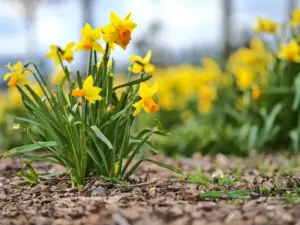
5 Best Bulbs for Fall Planting: Brighten Your Garden This Spring
Are you dreaming of a garden full of vibrant colors in the spring? The key [...]
Aug
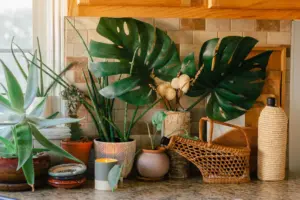
How to Repot Houseplants Like a Pro
Do your houseplants look like they’ve outgrown their pots? Are their roots popping out of [...]
Aug
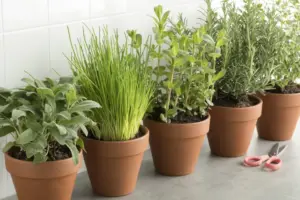
10 Houseplants That Will Thrive in Your Kitchen
Are you tired of your kitchen feeling dull and lifeless? Want to add a little [...]
Aug
Reviews
There are no reviews yet.