
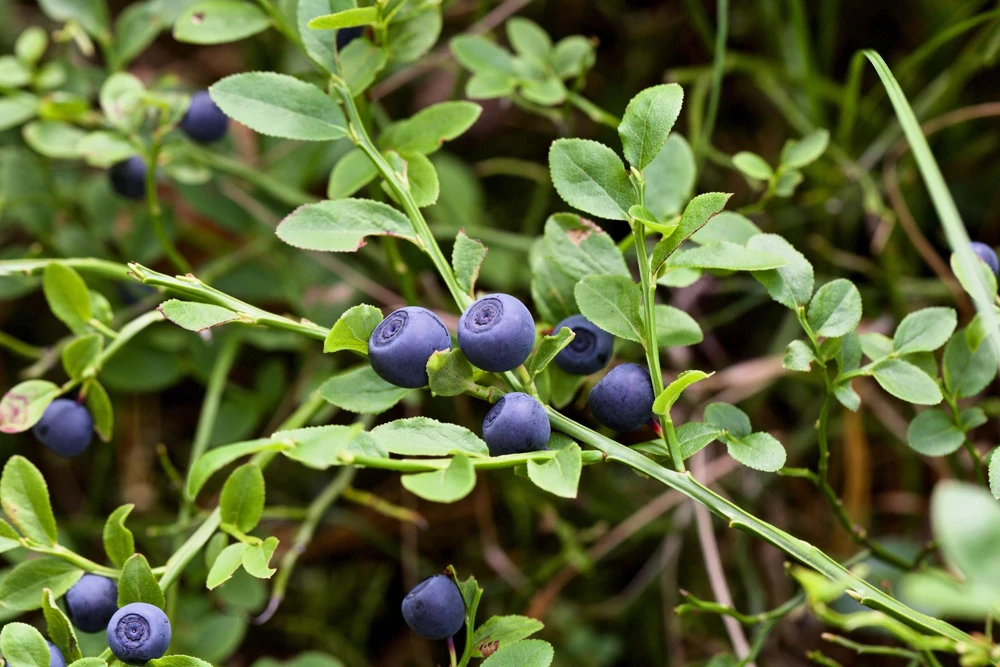
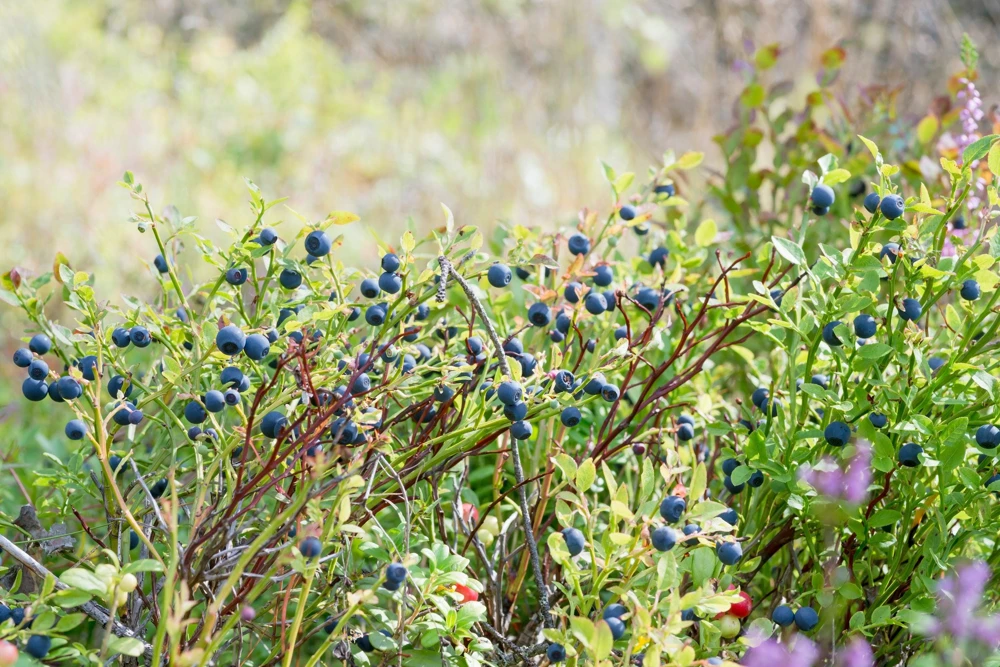
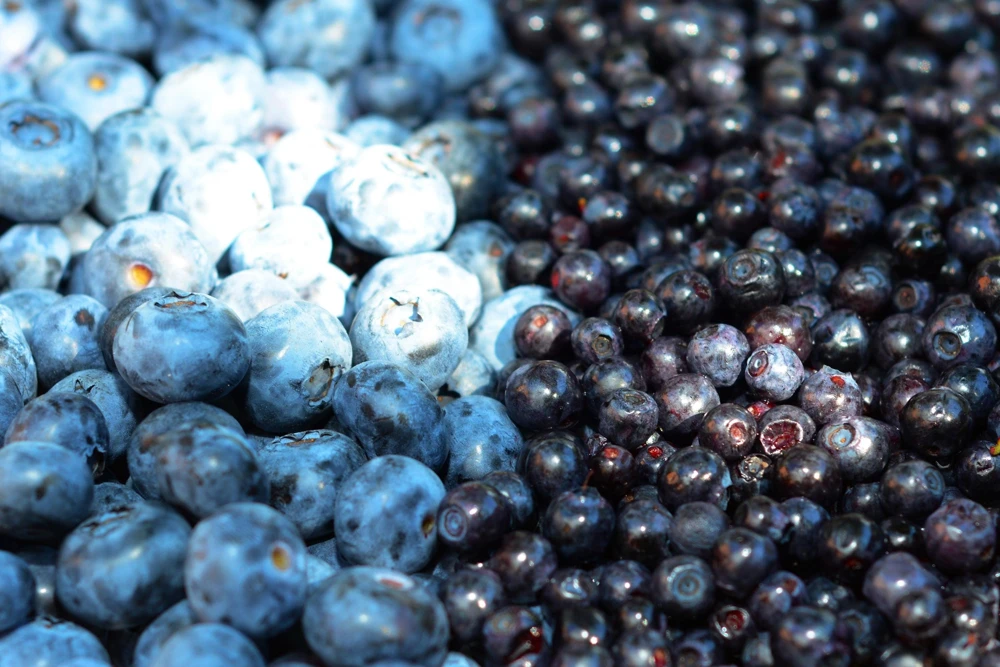
Bilberry Seeds – Vaccinium Myrtillus – European Blueberry Fruit Shrub – 20 Seeds
Original price was: 32.99 $.12.99 $Current price is: 12.99 $.
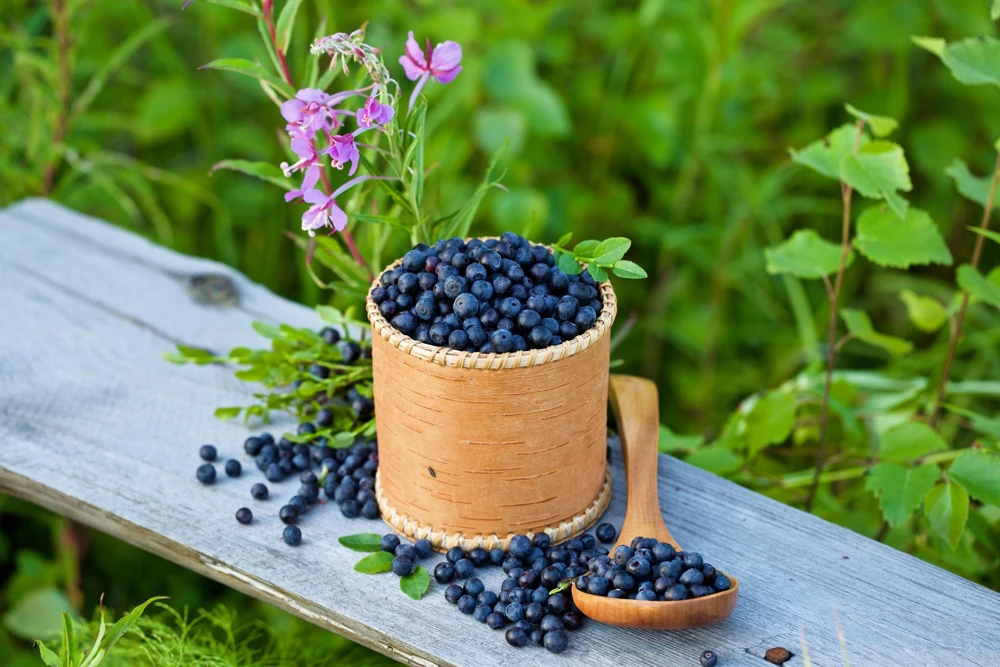
Cultivate your own delicious and vibrant bilberry seeds (Vaccinium Myrtillus) with this packet of 20 premium seeds. These European blueberries produce edible, dark blue fruit and charming pink flowers, perfect for home gardens in USDA Zones 2-7.
Estimated arrival
Sep 18
Sep 23 - Sep 25
Sep 25 - Sep 30
See our Shipping Policy.
Get in touch with us via email, and our team will review your concerns.
Our Alive & Thrive Guarantee covers issues with your plants within the first 30 days. Read our Refund & Returns Policy.
-
USDA Hardiness Zone
2 - 7 -
Soil Type
Average, well-draining, slightly acidic soil -
Sunlight Exposure
Sun - Part Shade -
Expected Planting Period
Outdoors after frost / Fall / Cold Stratify / Indoors weeks before last frost
Overview
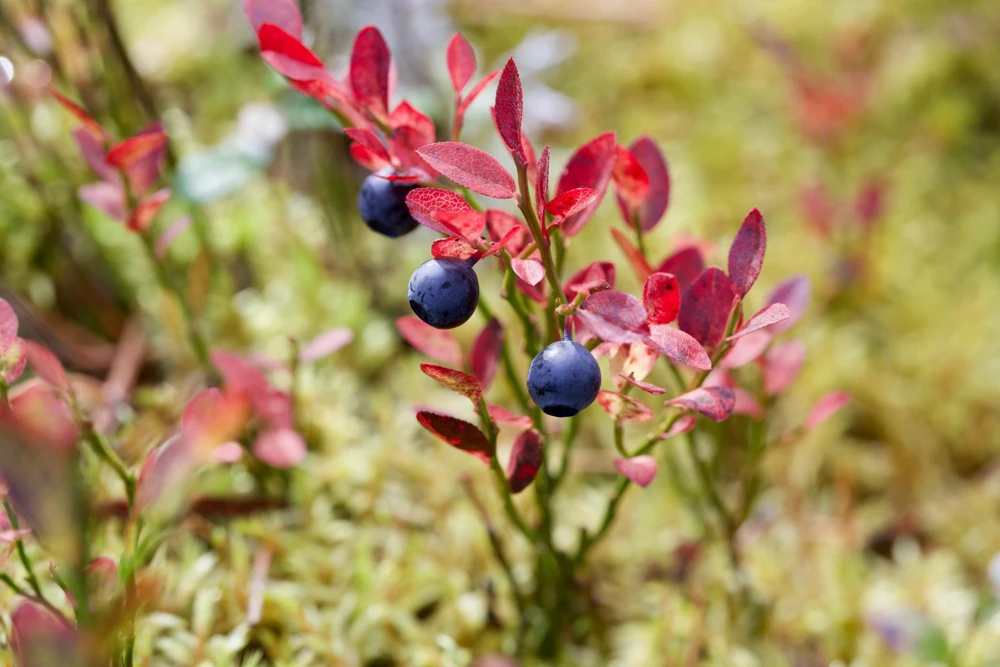
Embark on a rewarding gardening journey with these premium bilberry seeds, scientifically known as Vaccinium Myrtillus. Often referred to as European Blueberry or Blue Whortleberry, these small deciduous shrubs are cherished for their delectable, dark blue fruit and delicate pink flowers. Bilberries offer a unique flavor profile, distinct from common blueberries, with a softer, juicier texture and a vibrant blue/purple/red pulp. Growing bilberries from seed allows you to establish a resilient and productive fruit-bearing shrub that thrives in a range of climates, adding both beauty and bounty to your garden. Ideal for home growers looking to cultivate an uncommon yet highly rewarding fruit.
Each packet contains 20 high-quality bilberry seeds, ready to be nurtured into thriving plants. These seeds are perfect for gardeners who appreciate the satisfaction of growing their own food and wish to introduce a unique and healthful fruit to their landscape. Vaccinium Myrtillus plants also contribute to local wildlife habitats, attracting birds and other small critters, making them a wonderful addition to any eco-conscious garden.
Key Benefits
Growing bilberries from seed offers numerous advantages, from fresh, homegrown fruit to enhancing your garden’s biodiversity. These benefits make them a valuable addition to any gardening endeavor:
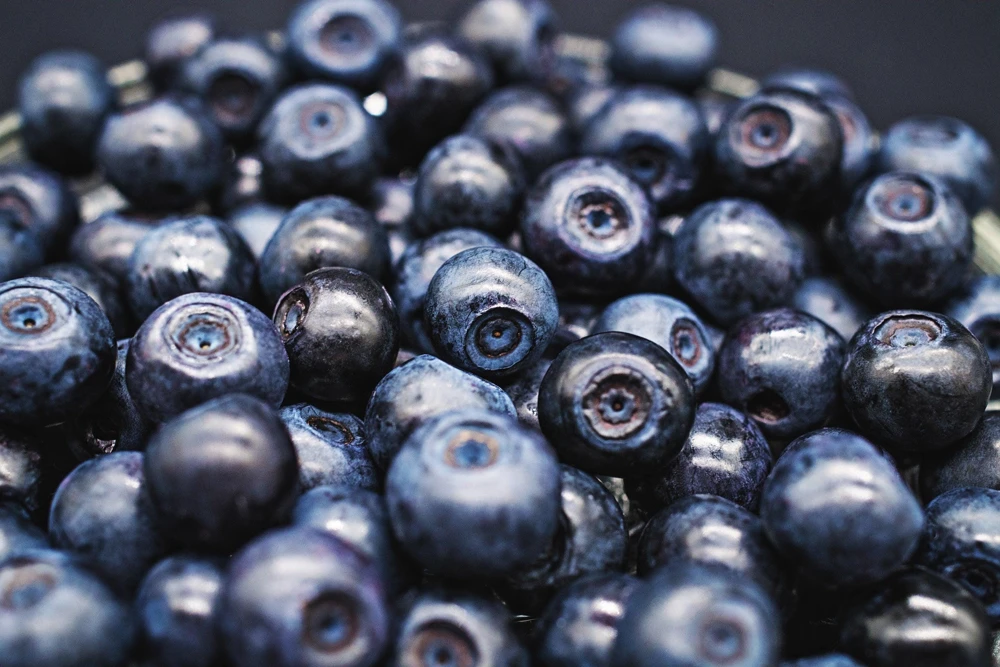
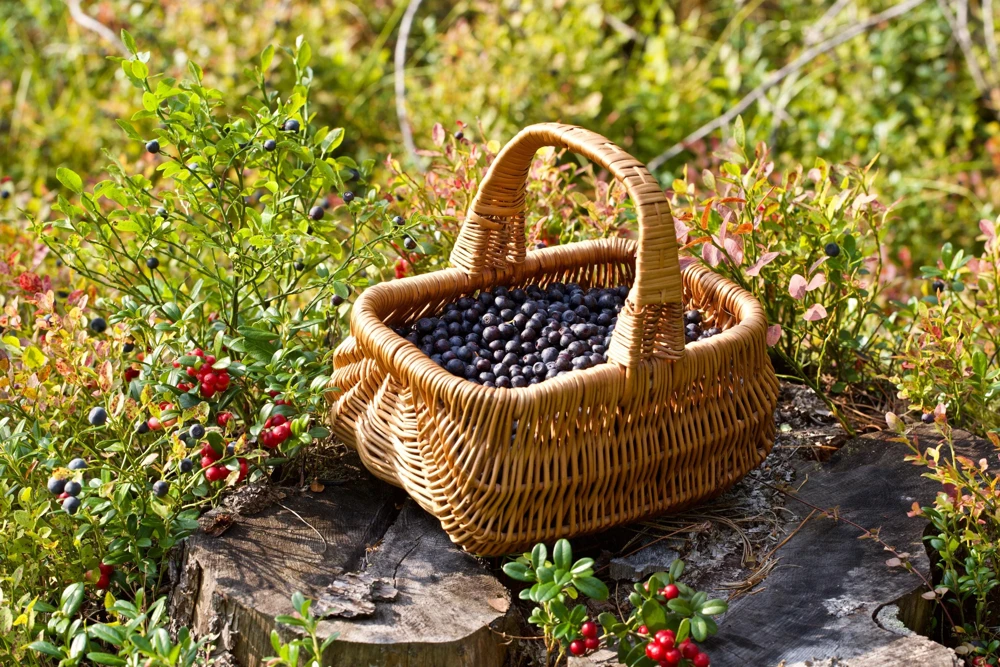
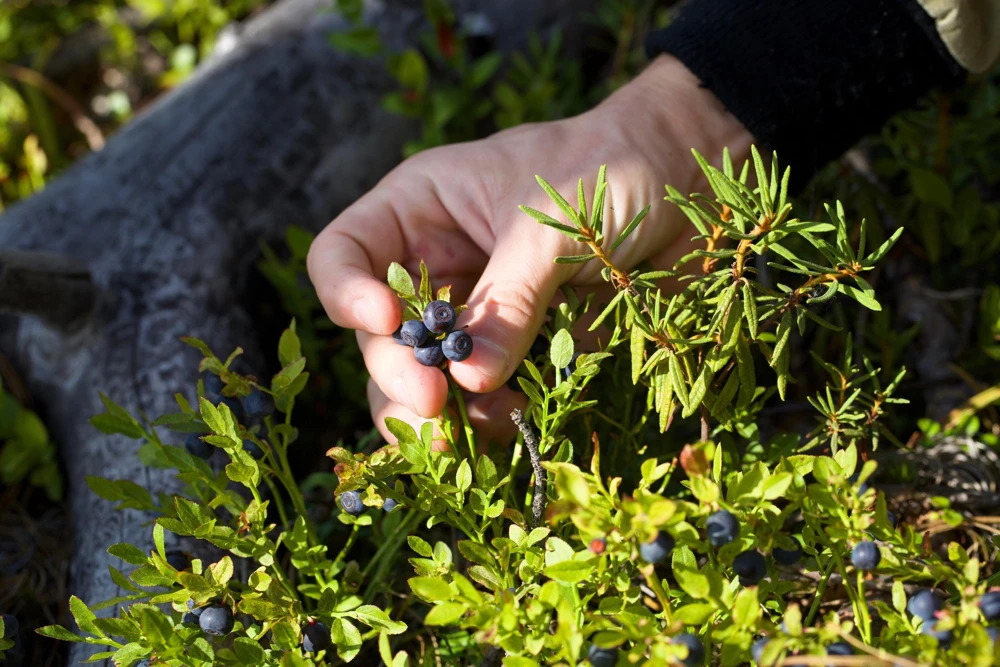
- Delicious Edible Fruit: Enjoy a continuous harvest of sweet, juicy, dark blue bilberries from July to September. These fruits are perfect for eating fresh, drying, making jams, or incorporating into various desserts like pies and muffins, offering a distinct flavor profile from traditional blueberries.
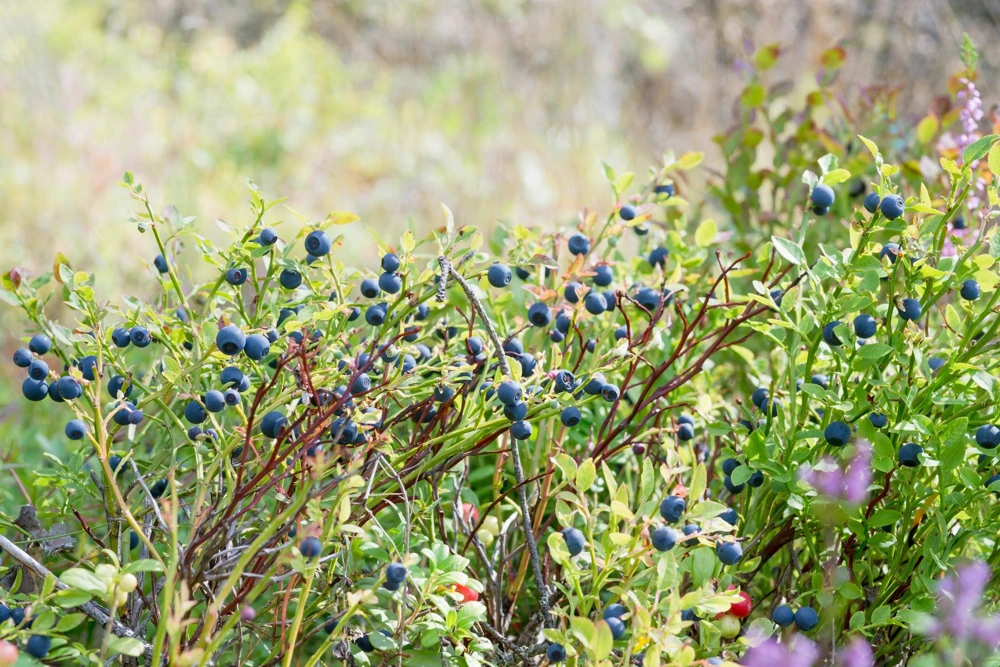
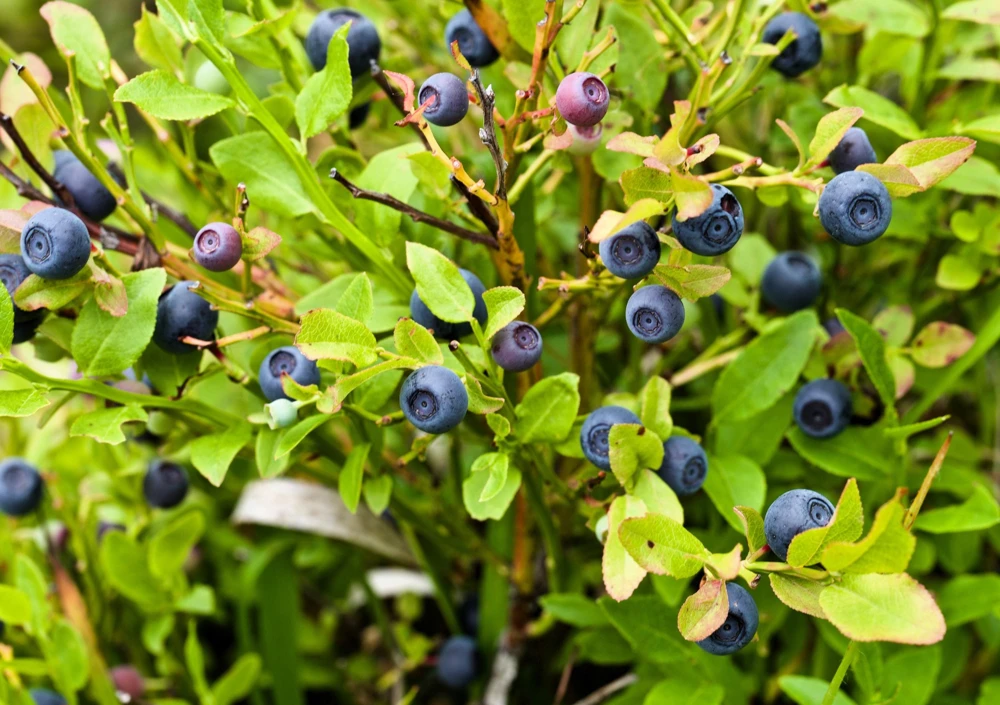
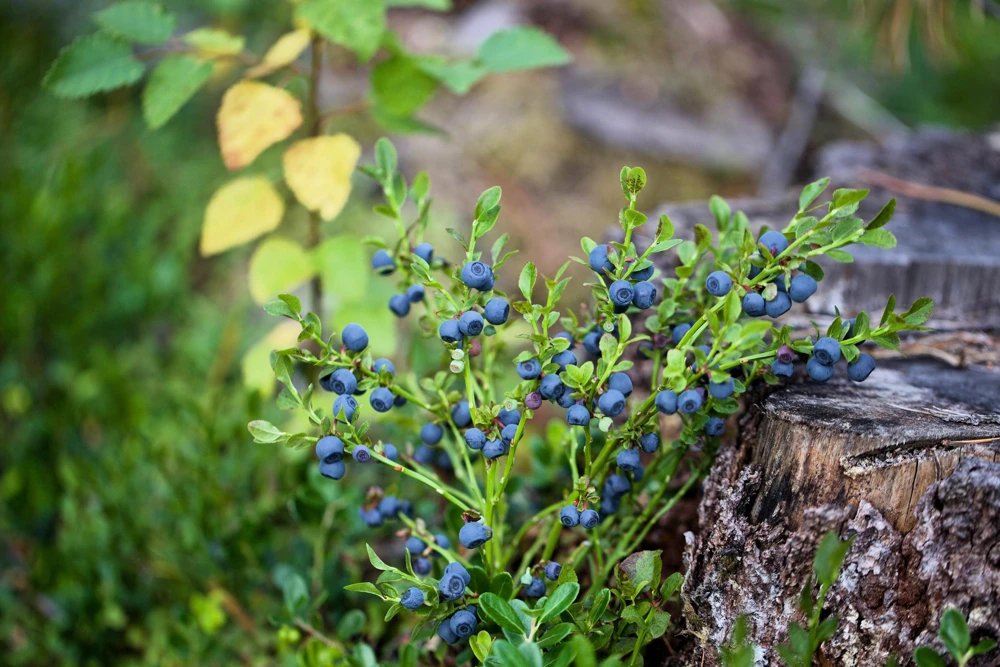
- Attractive Garden Addition: Beyond their fruit, bilberry plants feature charming pink flowers blooming from April to June and a compact shrub form (6-18 inches tall), making them an aesthetically pleasing choice for garden beds, borders, or naturalized areas.
- Wildlife Attraction: The berries provide a natural food source for local wildlife, including birds and small mammals, contributing to a healthy ecosystem in your backyard.
- Hardy and Resilient: These shrubs are remarkably hardy, thriving in USDA Zones 2-7, making them suitable for a wide range of climates and relatively easy to maintain once established.
- Nutrient-Rich Harvest: Bilberries are known for their rich antioxidant content and health benefits, allowing you to harvest not only flavor but also wellness directly from your garden. Cultivating your own European blueberry seeds ensures a fresh, organic supply.
- Unique Flavor Profile: Experience the distinct taste of bilberries, which are softer, juicier, and have a more intense color than common blueberries, adding culinary diversity to your kitchen.
- Sustainable Gardening: By growing from seed, you participate in a sustainable gardening practice, fostering biodiversity and reducing your carbon footprint.
Plant Care & Growing Tips
Successfully growing bilberry seeds requires attention to specific environmental conditions, mimicking their natural habitat. Start your seeds either indoors several weeks before the last frost or outdoors after the danger of frost has passed, or in the fall for natural cold stratification. Cold stratification is crucial for germination; you can achieve this by placing the seeds in a moist medium in the refrigerator for several weeks before planting. Once sprouted, young seedlings will require consistent care to establish strong roots and healthy growth.
Light Requirements: Bilberry plants thrive in locations that receive full sun to part shade. Aim for at least 4-6 hours of direct sunlight daily for optimal fruit production. In hotter climates, some afternoon shade can protect the plants from excessive heat stress. Ensure proper light exposure for your developing Vaccinium Myrtillus plants.
Soil & Water Preferences: These shrubs prefer average, well-draining soil with a slightly acidic pH. While they are adaptable, a soil rich in organic matter will promote healthier growth. Keep the soil consistently moist but not waterlogged, especially during dry spells and fruit development. Regular watering is essential, particularly for young plants. Avoid using hard water, as bilberries prefer slightly acidic conditions.
Temperature & Hardiness: Bilberries are incredibly robust, suitable for USDA Hardiness Zones 2-7. They are tolerant of cold temperatures, making them an excellent choice for northern climates. Protect young plants from extreme winter winds during their first year. Understanding the hardiness zone is key for successful bilberry plant care.
Fertilization: Fertilize sparingly with an acid-loving plant fertilizer in early spring, before new growth begins. Avoid over-fertilizing, as this can harm the plant. A balanced, slow-release fertilizer designed for berries or rhododendrons is often suitable. Compost can also be incorporated to enrich the soil naturally.
Pruning: Minimal pruning is typically required for bilberries. Remove any dead, damaged, or diseased branches as needed. After a few years, you can thin out older, less productive stems to encourage new growth and maintain plant vigor. This helps maintain a healthy plant and promotes better fruit yield.
Size & Details
These bilberry seeds will grow into compact, deciduous shrubs, typically reaching a mature height of 6 to 18 inches. They have a spreading habit, with a plant spacing recommendation of 12 to 18 inches to allow for adequate growth and air circulation. The plants will produce delicate pink flowers from April to June, followed by a harvest of dark blue, edible fruit from July to September. Each packet contains 20 seeds, providing a good quantity to start your bilberry patch. They are known for their relatively slow but steady growth, establishing strong root systems over time. Expect the first significant fruit production within 2-3 years, with yields increasing as the plant matures. These seeds offer an excellent opportunity to grow bilberries and enjoy fresh fruit for years to come.
Frequently Asked Questions
- Q: How big do bilberry plants get? A: Bilberry shrubs typically grow to a height of 6 to 18 inches, with a spread of 12 to 18 inches. They are compact plants, making them suitable for various garden sizes and even containers.
- Q: Is this an indoor or outdoor plant? A: Bilberry plants are primarily outdoor shrubs, thriving in garden beds or naturalized areas. While they can be started indoors from bilberry seeds, they require outdoor conditions for mature growth and fruit production.
- Q: How much sunlight does a bilberry plant need? A: Bilberries prefer full sun to partial shade, ideally receiving at least 4-6 hours of direct sunlight daily. In hotter climates, afternoon shade can be beneficial to prevent scorching.
- Q: Is this plant easy to care for? A: Once established, bilberry plants are relatively low-maintenance. The most critical aspects of bilberry plant care are providing acidic, well-draining soil and consistent moisture. Germinating the seeds requires patience and proper cold stratification.
- Q: What condition will the seeds arrive in? A: You will receive a packet containing 20 high-quality Vaccinium Myrtillus seeds, carefully packaged to ensure their viability upon arrival.
- Q: How long until bilberry plants produce fruit? A: Bilberry plants typically begin producing fruit within 2-3 years after planting the seeds. The yield will increase as the plant matures, offering a generous harvest in subsequent years.
- Q: Will bilberry plants survive winter in my zone? A: Yes, bilberries are very hardy and are suitable for USDA Zones 2-7. They are well-adapted to cold climates and will survive winter in these regions, going dormant until spring.
- Q: What is the best way to germinate bilberry seeds? A: European blueberry seeds require cold stratification for successful germination. This can be achieved by refrigerating the seeds in a moist medium for several weeks before planting, or by planting them outdoors in the fall for natural stratification over winter.
- Q: Can I use bilberries for cooking? A: Absolutely! Bilberries are excellent for culinary uses. You can eat them fresh, dry them, or use them in jams, pies, muffins, and other desserts, much like you would with regular blueberries.
- Q: What kind of soil is best for bilberries? A: Bilberries thrive in average, well-draining, and slightly acidic soil. Amending your soil with organic matter like compost can help create ideal growing conditions for your plants.
Be the first to review “Bilberry Seeds – Vaccinium Myrtillus – European Blueberry Fruit Shrub – 20 Seeds”
Related products


Fruit Seeds
Ruegen Alpine Strawberry Seeds – 60 Count Everbearing Fragaria Vesca Red Fruit White Flower
You May Like
5 Best Bulbs for Fall Planting: Brighten Your Garden This Spring
Are you dreaming of a garden full of vibrant colors in the spring? The key [...]
Aug
How to Repot Houseplants Like a Pro
Do your houseplants look like they’ve outgrown their pots? Are their roots popping out of [...]
Aug
10 Houseplants That Will Thrive in Your Kitchen
Are you tired of your kitchen feeling dull and lifeless? Want to add a little [...]
Aug
Reviews
There are no reviews yet.