


Pomegranate Tree Seeds – 25 Punica Granatum Red Fruit Seeds for Planting
Original price was: 32.99 $.12.99 $Current price is: 12.99 $.
Cultivate your own fruitful garden with these pomegranate tree seeds. This pack contains 25 high-quality punica granatum seeds, ready to grow into beautiful trees bearing delicious red pomegranate seeds. Perfect for home gardeners looking to enjoy fresh, sweet-tart fruit.
Estimated arrival
Sep 18
Sep 23 - Sep 25
Sep 25 - Sep 30
See our Shipping Policy.
Get in touch with us via email, and our team will review your concerns.
Our Alive & Thrive Guarantee covers issues with your plants within the first 30 days. Read our Refund & Returns Policy.
-
USDA Hardiness Zone
7 - 11 -
Soil Type
Average, well-draining soil -
Sunlight Exposure
Full sun - Part shade -
Expected Planting Period
Outdoors after frost / Indoors weeks before last frost
Overview
Embark on a rewarding gardening journey with these premium pomegranate tree seeds. Each pack contains 25 viable Punica Granatum seeds, offering you the opportunity to cultivate your very own pomegranate trees. Known for their vibrant red fruit and striking appearance, pomegranates are not only a culinary delight but also an attractive addition to any landscape. These seeds are perfect for both seasoned gardeners and enthusiastic beginners eager to grow pomegranate from seed, promising a bountiful harvest of juicy, sweet-tart fruit.
The pomegranate, or Punica Granatum, is a deciduous shrub or small tree native to the Middle East and parts of Asia. It has been cultivated for thousands of years for its unique fruit, which is rich in antioxidants. Growing your own pomegranate trees from these pomegranate tree seeds allows you to experience the satisfaction of nurturing a plant from its earliest stage to a fruit-bearing specimen. Imagine harvesting fresh pomegranates right from your backyard, knowing exactly how they were grown.
Key Benefits
Growing pomegranates from these pomegranate tree seeds offers numerous advantages, transforming your garden and enhancing your lifestyle. Here are some of the key benefits:
- Delicious & Nutritious Fruit: Enjoy fresh, homegrown pomegranates with a distinctive sweet-tart flavor. Pomegranates are packed with vitamins, minerals, and antioxidants, making them a healthy addition to your diet.
- Ornamental Appeal: The pomegranate tree boasts beautiful, bright red-orange flowers in mid-summer, followed by attractive red fruit, adding significant visual interest to your garden. Its unique form can also make a great focal point.
- Versatile Culinary Uses: Pomegranate arils can be enjoyed fresh, juiced, or used in a variety of dishes, from salads and desserts to savory meals. The dried fruit can even be used in potpourri for its wonderful fragrance.
- Drought Tolerance: Once established, pomegranate trees are remarkably drought-tolerant, making them a sustainable choice for many climates and requiring less frequent watering compared to other fruit trees.
- Long Lifespan: Pomegranate trees are known for their longevity, providing many years of fruit production and beauty in your landscape. With proper pomegranate plant care, your tree can thrive for decades.
- Pruning Flexibility: These trees can be easily pruned to maintain a desired size and shape, whether you prefer a bushy shrub or a small tree, making them adaptable to various garden spaces.
- High Yield Potential: A mature pomegranate tree can produce a significant amount of fruit, with some varieties yielding up to 500 fruits in a single season, ensuring a generous harvest for you and your family.
Plant Care & Growing Tips
Successfully growing your pomegranate tree seeds requires attention to specific environmental conditions and care practices. Pomegranates thrive in full sun to partial shade, ideally receiving at least 6-8 hours of direct sunlight per day for optimal fruit production. While they can tolerate some shade, more sun generally means more fruit. For planting the punica granatum seeds, you can start them indoors several weeks before the last frost or directly outdoors after all danger of frost has passed. Ensure the soil temperature is warm enough for germination.
When it comes to soil, pomegranate trees are quite adaptable but prefer well-draining soil with a pH between 5.5 and 7.0. Average garden soil is usually sufficient, but amending heavy clay soils with organic matter can improve drainage. Watering is crucial, especially during the establishment phase and fruit development. Water deeply and regularly, allowing the top few inches of soil to dry out between waterings. Established trees are more drought-tolerant but will produce better fruit with consistent moisture. Fertilize sparingly in the spring with a balanced fertilizer, especially if your soil is poor. Proper pomegranate plant care also involves occasional pruning to remove dead or diseased branches and to maintain an open structure for better air circulation and sunlight penetration.
Pomegranates are hardy in USDA Zones 7-11, meaning they can tolerate a range of temperatures. In colder zones, they may need winter protection or can be grown in containers and brought indoors. Monitor for common pests like aphids and scale insects, and treat as needed with organic or appropriate horticultural sprays. With consistent care, these red pomegranate seeds will develop into robust trees that yield abundant fruit for years to come. Learning to grow pomegranate from seed is a rewarding experience that connects you with nature’s bounty.
Size & Details
This offering includes 25 high-quality pomegranate tree seeds (Punica Granatum). Once mature, a pomegranate tree typically reaches a height of 15-20 feet with a similar spread, though it can be easily pruned to a smaller, more manageable size or shape, even as a large shrub. The seeds should be planted with a spacing of 15-20 feet apart if you intend to grow multiple trees in a landscape setting. Bloom time occurs in mid-summer, showcasing beautiful red flowers that eventually develop into the iconic red fruit. The fruit has a sweet-tart flavor and is ready for harvest in late summer to fall, depending on your climate and specific growing conditions. You can expect your tree to start producing fruit within 3-5 years from seed, with significant yields once the tree is fully mature. These seeds provide a cost-effective and satisfying way to start your own pomegranate orchard or add a single specimen to your garden.
Frequently Asked Questions
- Q: How big does a pomegranate tree get from these seeds? A: A pomegranate tree typically grows to a height of 15-20 feet and has a similar spread. However, it can be pruned to a smaller, more compact size or trained as a large shrub, making it adaptable to various garden spaces.
- Q: Is this an indoor or outdoor plant? A: Pomegranate trees are primarily outdoor plants, thriving in full sun to partial shade. In colder climates (below USDA Zone 7), they can be grown in large containers and brought indoors during winter.
- Q: How much sunlight do these pomegranate tree seeds need to grow? A: For optimal growth and fruit production, pomegranate trees require at least 6-8 hours of direct sunlight per day. They can tolerate partial shade, but fruit yield may be reduced.
- Q: Is this plant easy to care for? A: Pomegranate trees are relatively easy to care for once established. They are known for their drought tolerance and adaptability to various soil types, making pomegranate plant care manageable for most gardeners.
- Q: What condition will the punica granatum seeds arrive in? A: The seeds will arrive as dry, viable seeds, ready for planting. They are carefully packaged to ensure their quality during transit.
- Q: How long until the tree blooms and produces fruit? A: Pomegranate trees grown from seed typically start blooming in mid-summer and can begin producing fruit within 3-5 years. Full production usually occurs as the tree matures.
- Q: Will it survive winter in my zone? A: Pomegranate trees are hardy in USDA Zones 7-11. If you are in a colder zone, you may need to provide winter protection or grow the tree in a container that can be moved indoors.
- Q: Can I really get a lot of fruit from one tree when I grow pomegranate from seed? A: Yes, a mature pomegranate tree can be very prolific, with some varieties capable of producing up to 500 fruits in a single season under ideal growing conditions.
- Q: What are the best conditions for germinating red pomegranate seeds? A: For best germination, sow seeds outdoors after the last frost when soil temperatures are consistently warm, or start them indoors weeks before the last frost in a warm, well-draining seed starting mix.
- Q: Do these seeds require any special treatment before planting? A: Some gardeners find that a brief stratification (cold treatment) or scarification (lightly scratching the seed coat) can improve germination rates, though it’s not always strictly necessary.
Be the first to review “Pomegranate Tree Seeds – 25 Punica Granatum Red Fruit Seeds for Planting”
Related products


You May Like

5 Best Bulbs for Fall Planting: Brighten Your Garden This Spring
Are you dreaming of a garden full of vibrant colors in the spring? The key [...]
Aug

How to Repot Houseplants Like a Pro
Do your houseplants look like they’ve outgrown their pots? Are their roots popping out of [...]
Aug
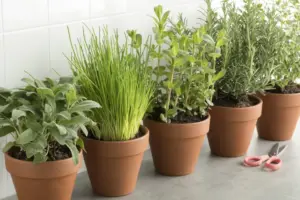
10 Houseplants That Will Thrive in Your Kitchen
Are you tired of your kitchen feeling dull and lifeless? Want to add a little [...]
Aug
Reviews
There are no reviews yet.