


Peruvian Ground Cherry Seeds – 50 Count Physalis Peruviana for Home Gardens
Original price was: 32.99 $.12.99 $Current price is: 12.99 $.
Cultivate your own sweet and tart peruvian ground cherry seeds (Physalis Peruviana) with this pack of 50 high-quality seeds. Enjoy fresh goldenberries, perfect for snacking, salads, jams, and pies. These versatile plants thrive in full sun and can be grown as annuals or perennials in USDA Zones 6-11.
Estimated arrival
Sep 19
Sep 24 - Sep 26
Sep 26 - Oct 01
See our Shipping Policy.
Get in touch with us via email, and our team will review your concerns.
Our Alive & Thrive Guarantee covers issues with your plants within the first 30 days. Read our Refund & Returns Policy.
-
USDA Hardiness Zone
6-11 -
Soil Type
Average - Dry, tolerant of sandy or heavy clay soil -
Sunlight Exposure
Full Sun -
Expected Planting Period
Spring to early summer (after last frost)
Overview
Embark on a rewarding gardening journey with these premium peruvian ground cherry seeds. Also known as Goldenberry, Poha Berry, Cape Gooseberry, Inca Berry, or Aztec Berry, Physalis peruviana offers a unique and delicious fruit that is often hard to find in stores. This small shrub, native to South America, produces bright yellow-orange fruits encased in a delicate, papery husk. Growing your own peruvian ground cherry seeds allows you to enjoy an abundance of these sweet-tart berries, reminiscent of a blend between a tomato, pineapple, and strawberry, right from your backyard. These plants are fast-growing and adaptable, making them an excellent choice for both experienced gardeners and those new to cultivating unique edibles.
The peruvian ground cherry seeds are an excellent choice for home gardeners looking to add an exotic and flavorful fruit to their harvest. The plants are not only productive but also ornamental, featuring heart-shaped leaves, charming spring flowers, and intriguing seed pods that mature into vibrant fruits. With 50 seeds included, you’ll have plenty to start a thriving patch of these delightful plants, ensuring a bountiful supply for fresh consumption, preserves, or drying.
Key Benefits
Growing peruvian ground cherry seeds offers a multitude of advantages for any home gardener, providing both culinary delight and ornamental appeal. These benefits contribute to a fulfilling and productive gardening experience:
- Rare & Delicious Fruit: Enjoy a unique, sweet-tart fruit often difficult and expensive to purchase commercially. The flavor profile is a delightful blend of tropical and garden-fresh notes.
- Versatile Culinary Uses: The bright yellow-orange fruits are perfect for eating fresh, adding to salads, canning, making delicious jams and pies, or drying for a healthy snack.
- Ornamental Appeal: Beyond their fruit, these plants are visually attractive with heart-shaped leaves, delicate flowers, and interesting papery husks that protect the ripening berries.
- Adaptable Growth:Physalis peruviana seeds can be grown as annuals in cooler climates or as perennials in warmer USDA Zones 6-11, making them suitable for various garden settings.
- Container Friendly: Their manageable height of 18-24 inches makes them an ideal candidate for container gardening, perfect for patios, balconies, or smaller garden spaces.
- Easy to Grow: These plants tolerate a range of soil conditions, from sandy to heavy clay, and are relatively low-maintenance once established, making goldenberry plant care straightforward.
- Abundant Harvest: With proper care, how to grow ground cherries successfully leads to a generous yield of fruit from August through November, providing a long harvesting season.
Plant Care & Growing Tips
Cultivating peruvian ground cherry seeds is a rewarding experience, and with a few key care tips, you can ensure a healthy and productive harvest. These plants thrive in conditions that mimic their native South American environment. Begin by planting your seeds indoors 6-8 weeks before the last frost date, or directly outdoors once soil temperatures consistently reach 70-85°F. Provide a location with full sun exposure, meaning at least 6-8 hours of direct sunlight daily, to encourage robust growth and abundant fruiting. While they can tolerate some shade, full sun will yield the best results for your physalis peruviana seeds.
For soil and water preferences, peruvian ground cherry seeds are quite adaptable. They prefer average to dry soil conditions and are not overly demanding. Well-draining soil is crucial to prevent root rot, and they can thrive in various types, including sandy or heavy clay. Water regularly during dry spells, especially when fruits are developing, but allow the top inch of soil to dry out between waterings. These plants are relatively low-maintenance regarding fertilization; a balanced, all-purpose fertilizer applied once or twice during the growing season should suffice. Understanding goldenberry plant care involves monitoring for common garden pests, though ground cherries are generally quite resilient. Keep an eye out for aphids or whiteflies and address them with organic pest control methods if necessary. Pruning can help manage plant size and encourage more fruit production.
The hardiness zone for peruvian ground cherry seeds ranges from USDA Zone 6 to 11. In zones 6-8, they are typically grown as annuals, completing their life cycle within one growing season. In warmer zones (9-11), they can behave as perennials, returning year after year. The plants grow to a height of 18-24 inches and require spacing of 12-24 inches between plants to allow for adequate air circulation and growth. Bloom time usually occurs from July to October, with harvest following from August to November. Learning how to grow ground cherries successfully means providing consistent conditions and enjoying the delicious fruits of your labor.
Size & Details
This offering includes a quantity of 50 peruvian ground cherry seeds, providing ample opportunity to establish a thriving garden patch. The mature plants typically reach a height of 18-24 inches, making them a manageable size for various garden layouts, including raised beds or larger containers. When planting, ensure a spacing of 12-24 inches between individual plants to allow for healthy development and air circulation, which is vital for fruit production and overall plant health. The seeds are best started when temperatures are consistently between 70-85°F.
The vibrant bright yellow-orange fruits are about the size of a cherry tomato, encased in their distinctive papery husks. Harvest typically begins in August and can continue through November, providing a long season of fresh fruit. These plants are fast-growing and can produce fruit within a single growing season when treated as annuals, or continue to yield for multiple years in suitable perennial climates. The peruvian ground cherry seeds will develop into robust plants that are both productive and visually appealing.
Frequently Asked Questions
- Q: How big do these Peruvian Ground Cherry plants get? A: Peruvian ground cherry plants typically grow to a height of 18-24 inches, making them a good size for garden beds and containers.
- Q: Is this an indoor or outdoor plant? A: While they thrive outdoors in full sun, peruvian ground cherry seeds can also be grown in containers and brought indoors during colder months in zones where they are not perennial. They are generally grown as an outdoor plant.
- Q: How much sunlight do Peruvian Ground Cherries need? A: These plants prefer and perform best in full sun, requiring at least 6-8 hours of direct sunlight per day for optimal growth and fruit production.
- Q: Is this plant easy to care for? A: Yes, peruvian ground cherry seeds are considered relatively easy to care for. They are adaptable to various soil types and tolerate average to dry conditions, making goldenberry plant care quite manageable for beginners.
- Q: Can I use Peruvian Ground Cherries in cooking? A: Absolutely! The fruits are incredibly versatile and can be eaten raw, used in salads, made into jams and pies, or dried for later use. Just remember to remove the husk before consumption.
- Q: When is the best time to plant Peruvian Ground Cherry seeds? A: You can start physalis peruviana seeds indoors 6-8 weeks before the last frost, or sow them directly outdoors after all danger of frost has passed and soil temperatures are between 70-85°F.
- Q: Will Peruvian Ground Cherries survive winter in my zone? A: Peruvian ground cherry seeds are hardy in USDA Zones 6-11. In zones 6-8, they are typically grown as annuals. In zones 9-11, they can be grown as perennials and may return each year.
- Q: What condition will the seeds arrive in? A: You will receive 50 high-quality, viable peruvian ground cherry seeds, carefully packaged to ensure their integrity upon arrival, ready for planting.
- Q: Are there any special considerations for growing these? A: Like their relatives, the fruits are encased in a papery husk that is poisonous and must be removed before eating the fruit. This is an important part of how to grow ground cherries safely.
- Q: How long until the plants bloom and fruit? A: Plants typically begin to bloom from July to October, with fruit harvest occurring from August to November, providing a long season of fresh produce from your goldenberry plant care efforts.
Be the first to review “Peruvian Ground Cherry Seeds – 50 Count Physalis Peruviana for Home Gardens”
Related products


Fruit Seeds
Southern Highbush Blueberry Seeds – 50 Pre-Stratified Vaccinium Corymbosum Fruit Bush Seeds


Fruit Seeds
Ruegen Alpine Strawberry Seeds – 60 Count Everbearing Fragaria Vesca Red Fruit White Flower

You May Like
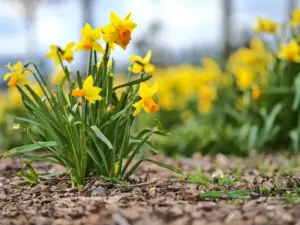
5 Best Bulbs for Fall Planting: Brighten Your Garden This Spring
Are you dreaming of a garden full of vibrant colors in the spring? The key [...]
Aug
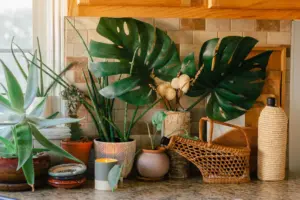
How to Repot Houseplants Like a Pro
Do your houseplants look like they’ve outgrown their pots? Are their roots popping out of [...]
Aug
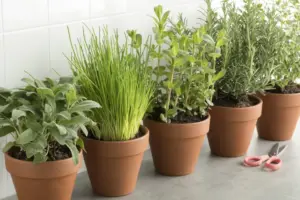
10 Houseplants That Will Thrive in Your Kitchen
Are you tired of your kitchen feeling dull and lifeless? Want to add a little [...]
Aug
Reviews
There are no reviews yet.