


Purple Flowering Raspberry Seeds – 20 Count, Thornless Edible Fruit, Rubus Odoratus
Original price was: 32.99 $.12.99 $Current price is: 12.99 $.
Cultivate beautiful and productive purple flowering raspberry seeds from scratch. These thornless raspberry seeds (Rubus Odoratus) produce fragrant magenta flowers and edible red berries, making them a perfect addition to any garden. Enjoy a native plant that supports pollinators and offers delicious fruit.
Estimated arrival
Sep 18
Sep 23 - Sep 25
Sep 25 - Sep 30
See our Shipping Policy.
Get in touch with us via email, and our team will review your concerns.
Our Alive & Thrive Guarantee covers issues with your plants within the first 30 days. Read our Refund & Returns Policy.
-
USDA Hardiness Zone
3 - 8 -
Soil Type
Average - Moist, well-draining soil -
Sunlight Exposure
Sun - Part Shade -
Expected Planting Period
Fall or Spring after cold stratification
Overview
Embark on a rewarding gardening journey by cultivating purple flowering raspberry seeds. This remarkable native North American shrub, scientifically known as Rubus Odoratus, offers a wealth of benefits for both your garden and local ecosystem. Unlike many other raspberry varieties, this plant is entirely thornless, making harvesting and maintenance a breeze. The Purple Flowering Raspberry is cherished for its striking magenta-purple flowers, which bloom from June to September, and its delicious, albeit less sweet, red berries. These seeds provide an excellent opportunity to grow a beautiful and beneficial plant that supports local wildlife, including bees, butterflies, songbirds, and small mammals. Its ornamental value, coupled with its edible fruit, makes it a fantastic choice for gardeners looking to enhance their landscape with a resilient and attractive perennial.
The purple flowering raspberry seeds allow you to grow a robust and adaptable shrub that can thrive in various conditions. This perennial plant is known for its unique maple-like leaves that turn a lovely yellow in the fall, adding seasonal interest to your garden. Historically, these plants have become rare in certain regions, so growing them from seed contributes to the preservation of a valuable native species. Enjoy the beauty of its long-lasting blooms and the satisfaction of harvesting your own edible fruit, all while providing a vital food source and habitat for local fauna.
Key Benefits
Growing the Purple Flowering Raspberry from seed offers numerous advantages for both the gardener and the environment. This versatile plant brings beauty, ecological value, and edible rewards to your outdoor space.
- Thornless & Easy to Manage: Enjoy the convenience of a raspberry bush without the prickly thorns, making it safe and easy to harvest the fruit and prune the plant. This makes gardening a more pleasant experience for everyone.
- Stunning Ornamental Value: The large, fragrant, magenta-purple flowers, which can reach 2 inches in diameter, provide a spectacular display throughout the summer and early fall. Its unique maple-like leaves also add visual interest.
- Edible & Wildlife-Friendly Fruit: Produce your own edible red raspberries, which, while not as sweet as some cultivated varieties, are still delicious and highly sought after by songbirds, game birds, chipmunks, and squirrels.
- Pollinator Support: The long blooming period ensures a continuous source of pollen and nectar for essential pollinators like honey bees, bumble bees, and butterflies, contributing to a vibrant and healthy ecosystem.
- Native & Resilient: As a native North American plant, it is well-adapted to local climates and soils, requiring less intervention once established. It’s also deer resistant, providing peace of mind for gardeners in areas with deer populations.
- Adaptable Growing Conditions: While preferring moist soil and part shade, the Rubus odoratus is remarkably tolerant of a wide range of conditions, including wet or dry, sandy or heavy clay soils, and even full sun or full shade.
- Conservation Contribution: By choosing to grow Rubus odoratus, you are actively participating in the conservation of a native species that is threatened or endangered in some regions, helping to restore natural habitats.
Plant Care & Growing Tips
Successfully growing purple flowering raspberry seeds requires some attention to detail, but the plant’s resilience makes it a rewarding endeavor. For optimal germination, fall sowing seeds or cold stratifying them for several months is recommended. Once germinated, provide a well-drained soil mix that retains moisture. While adaptable, the plant performs best in consistently moist soil. Avoid waterlogging, but ensure the soil does not dry out completely, especially during establishment. These plants prefer a location with sun to part shade, meaning they can tolerate a few hours of direct sunlight combined with some afternoon shade, which helps protect them from intense heat.
The Purple Flowering Raspberry is hardy in USDA Zones 3-8, indicating its ability to withstand a wide range of winter temperatures. Plant spacing should be approximately 6-8 feet apart to allow for mature growth, as these shrubs can reach heights of 4-6 feet. Fertilization is generally not heavily required for this native plant, but an annual application of a balanced, slow-release fertilizer in early spring can promote vigorous growth and abundant blooms. Monitor for pests and diseases, though the Purple Flowering Raspberry is generally robust. Ensure good air circulation to prevent fungal issues, especially in humid environments. Proper care will ensure your native plant seeds develop into thriving, productive shrubs.
Maintaining consistent moisture is crucial, particularly during dry spells. Mulching around the base of the plants can help retain soil moisture and regulate soil temperature. Pruning can be done in late winter or early spring to remove dead or weak canes and to maintain the desired shape and size of the shrub. While the fruit is edible, its primary value often lies in its ornamental appeal and ecological benefits. Growing these edible berry seeds will bring vibrant color and life to your garden for years to come.
Size & Details
This package contains 20 purple flowering raspberry seeds, offering a generous quantity to start your garden. Once established, these perennial shrubs typically reach a mature height of 4-6 feet with a spread of 6-8 feet, forming a dense and attractive bush. The large, fragrant flowers are approximately 2 inches in diameter, and the berries mature to about 3/4 inch in diameter. Bloom time extends from June to September, with fruit harvest occurring from July to September. The plant is hardy in USDA Zones 3-8, making it suitable for a wide range of climates across North America. Seeds should be fall sown or cold stratified before planting to encourage successful germination. Expect a moderate growth rate, with plants beginning to produce fruit within a couple of years after establishment.
Frequently Asked Questions
- Q: How big does the Purple Flowering Raspberry plant get? A: The Purple Flowering Raspberry typically grows to a height of 4 to 6 feet and can spread 6 to 8 feet wide, forming a substantial shrub. Proper spacing is important to allow for its mature size.
- Q: Is this an indoor or outdoor plant? A: The Purple Flowering Raspberry (Rubus Odoratus) is an outdoor plant, best suited for gardens, naturalized areas, or as part of a native plant landscape. It is not generally grown indoors.
- Q: How much sunlight does it need? A: This plant thrives in locations ranging from full sun to part shade. It will tolerate full sun, but often performs best with some afternoon shade, especially in hotter climates, to prevent leaf scorch.
- Q: Is this plant easy to care for? A: Yes, once established, the Purple Flowering Raspberry is relatively easy to care for. It’s a resilient native plant that tolerates a variety of soil and light conditions, making it suitable for gardeners of all experience levels.
- Q: What condition will the purple flowering raspberry seeds arrive in? A: Your order will contain 20 high-quality, viable seeds, carefully packaged to ensure their integrity during transit. They will be ready for cold stratification or fall sowing upon arrival.
- Q: Can I use the fruit of the Purple Flowering Raspberry in cooking? A: Yes, the berries are edible, though they are often described as less sweet than commercial raspberry varieties. They can be used in jams, jellies, pies, or eaten fresh, and are also a favorite of local wildlife.
- Q: When is the best time to plant these edible berry seeds? A: For best results, sow the seeds in the fall directly into the ground, allowing them to undergo natural cold stratification over winter. Alternatively, you can cold stratify them indoors for 60-90 days before planting in spring.
- Q: Will it survive winter in my zone? A: The Purple Flowering Raspberry is very hardy and will survive winters in USDA Hardiness Zones 3 through 8. It is a true perennial that will return year after year in these regions.
- Q: What type of soil does Rubus Odoratus prefer? A: While adaptable, the plant prefers average to moist, well-draining soil. It can tolerate sandy or heavy clay soils and will adapt to various pH levels. Consistent moisture is key for optimal growth.
- Q: Are these thornless raspberry seeds deer resistant? A: Yes, the Purple Flowering Raspberry is known to be deer resistant, making it a good choice for gardens in areas where deer browse is a concern.
Be the first to review “Purple Flowering Raspberry Seeds – 20 Count, Thornless Edible Fruit, Rubus Odoratus”
Related products
Flower Seeds
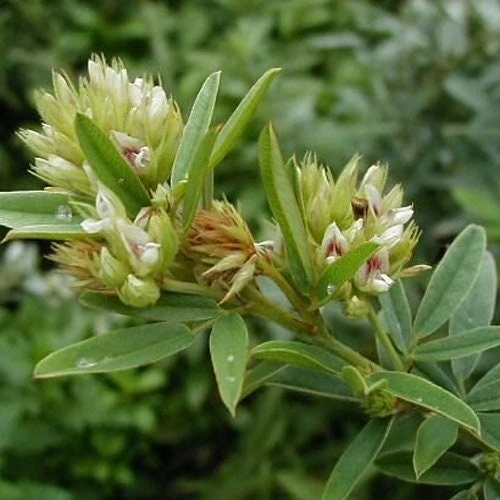
Lespedeza Capitata Seeds – Round Headed Bush Clover – 2000 Seed Pack – Perennial Flower


You May Like
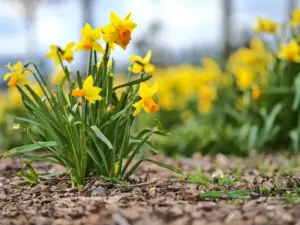
5 Best Bulbs for Fall Planting: Brighten Your Garden This Spring
Are you dreaming of a garden full of vibrant colors in the spring? The key [...]
Aug
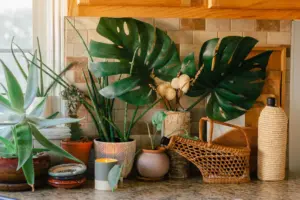
How to Repot Houseplants Like a Pro
Do your houseplants look like they’ve outgrown their pots? Are their roots popping out of [...]
Aug
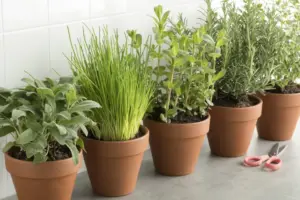
10 Houseplants That Will Thrive in Your Kitchen
Are you tired of your kitchen feeling dull and lifeless? Want to add a little [...]
Aug
Reviews
There are no reviews yet.