


Purple Crepe Myrtle Seeds (Lagerstroemia Indica) – 35 Seeds – Flowering Shrub/Small Tree
Original price was: 32.99 $.12.99 $Current price is: 12.99 $.
Cultivate stunning purple crepe myrtle seeds (Lagerstroemia Indica) for vibrant garden displays. These versatile seeds grow into beautiful flowering shrubs or small trees, perfect for attracting bees, birds, and butterflies. Enjoy their unique crinkly blooms and drought-tolerant nature.
Estimated arrival
Sep 19
Sep 24 - Sep 26
Sep 26 - Oct 01
See our Shipping Policy.
Get in touch with us via email, and our team will review your concerns.
Our Alive & Thrive Guarantee covers issues with your plants within the first 30 days. Read our Refund & Returns Policy.
-
USDA Hardiness Zone
7-9 -
Soil Type
Average, well-draining soil -
Sunlight Exposure
Full sun -
Expected Planting Period
Outdoors after frost / Indoors weeks before last frost
Overview
Embark on a rewarding gardening journey by cultivating purple crepe myrtle seeds. These exquisite seeds, scientifically known as Lagerstroemia Indica seeds, promise to transform your garden into a spectacle of vibrant color and texture. The Crepe Myrtle is celebrated for its distinctive crinkled flowers, which unfurl in glorious shades of purple, adding a touch of elegance to any landscape. Considered either a large shrub or a small tree, this adaptable plant can be pruned to achieve your desired shape and size, whether you prefer a natural, free-flowing form or a more structured, single-trunked tree. Growing your own crepe myrtle tree seeds allows you to witness the full lifecycle of this magnificent plant, from a tiny seed to a flourishing specimen that provides continuous beauty from late spring through early summer.
Beyond their aesthetic appeal, Crepe Myrtles are incredibly resilient and relatively easy to care for, making them an excellent choice for both novice and experienced gardeners. They are known for their ability to tolerate dry conditions once established, providing a stunning display even in challenging environments. The abundance of lovely, crepe-like blooms not only captivates the eye but also serves as a magnet for local pollinators, including bees, birds, and butterflies, enriching your garden’s ecosystem. After the flowering season, the plant develops neat seed pods, extending its visual interest well into another season. Planting purple crepe myrtle seeds offers a sustainable and fulfilling way to enhance your outdoor space with a classic and beloved flowering plant.
Key Benefits
Growing purple crepe myrtle seeds offers a multitude of benefits for your garden and local environment. These plants are not only visually captivating but also contribute positively to biodiversity and offer practical advantages.
- Stunning Visual Appeal: Enjoy a prolonged display of vibrant purple, crinkled flowers from late spring to early summer, creating a focal point in any garden or landscape. The unique texture of the blooms adds an exotic touch.
- Attracts Pollinators: The abundant flowers are a rich source of nectar, actively attracting beneficial bees, butterflies, and hummingbirds to your garden, thereby supporting local ecosystems and aiding in pollination.
- Drought Tolerant: Once established, Crepe Myrtles are highly tolerant of dry conditions and require minimal watering, making them an excellent choice for water-wise gardening and reducing maintenance efforts.
- Versatile Growth Habit: These plants can be easily pruned and trained as either a large shrub or a small tree, allowing you to customize their form to suit your garden design and specific space requirements.
- Extended Seasonal Interest: Beyond their beautiful flowers, Crepe Myrtles develop attractive seed pods after blooming, providing continued visual interest and texture in the garden through autumn and winter.
- Adaptable to Various Climates: Thriving in USDA Hardiness Zones 7-9, these plants are robust and can adapt to a range of environmental conditions, ensuring successful growth for many gardeners.
- Low Maintenance: Generally, purple crepe myrtle seeds grow into plants that are easy to care for, requiring average soil and water preferences once established, making them suitable for gardeners seeking beauty without excessive effort.
Plant Care & Growing Tips
Cultivating purple crepe myrtle seeds into flourishing plants is a rewarding experience with proper care. These seeds can be planted outdoors after the last frost or started indoors several weeks before to get a head start. For outdoor planting, choose a site that receives full sun, meaning at least 6-8 hours of direct sunlight daily, as ample light is crucial for prolific blooming. Lagerstroemia Indica seeds thrive in well-draining soil with average fertility. Avoid heavy clay soils that retain too much moisture, which can lead to root issues. If your soil is heavy, amend it with organic matter like compost to improve drainage and structure. Consistent moisture is important during the germination and establishment phases, but once mature, Crepe Myrtles are quite drought-tolerant.
When planting indoors, sow seeds in a sterile seed-starting mix and keep them consistently moist but not waterlogged. Provide warmth and bright light to encourage germination. Once seedlings are large enough to handle and the danger of frost has passed, they can be transplanted outdoors. For best results, space your young plants 6-10 feet apart to allow for their mature size, which can reach 6-10 feet in height. Fertilize lightly in early spring with a balanced slow-release fertilizer to support healthy growth and flowering. Pruning should be done in late winter or early spring before new growth begins, primarily to remove dead or crossing branches, shape the plant, and encourage more blooms. Learning how to grow crepe myrtle from seeds involves patience, but the spectacular results are well worth the effort. Monitor for common pests like aphids or powdery mildew, though Crepe Myrtles are generally quite resilient. Ensure good air circulation to minimize fungal issues.
Size & Details
This offering includes a quantity of 35 purple crepe myrtle seeds, providing a generous start for your gardening project. Each seed holds the potential to grow into a magnificent flowering shrub or small tree. Mature crepe myrtle tree seeds will develop into plants that typically reach a height of 6 to 10 feet, with a similar spread, allowing them to form a substantial presence in your landscape. Their growth rate is moderate, meaning you’ll see significant development within a few years, leading to abundant blooms. The initial bloom time usually occurs in late spring to early summer, continuing for several weeks, providing a long season of color. These seeds are suitable for planting in USDA Hardiness Zones 7 through 9, where they can thrive and exhibit their full potential.
The seeds are shipped in a protective packet, ensuring their viability upon arrival. While germination can vary, with proper care and ideal conditions, you can expect a good success rate from these Lagerstroemia Indica seeds. The resulting plants are known for their robust nature and ability to adapt to various garden settings, whether as a standalone specimen, part of a mixed border, or even trained as a small patio tree. Remember that the ultimate size and shape can be influenced by pruning practices and growing conditions. Understanding how to grow crepe myrtle from seeds allows you to enjoy the full journey of nurturing these beautiful flowering plants.
Frequently Asked Questions
- Q: How big do these purple crepe myrtle plants get? A: When fully mature, these purple crepe myrtle seeds will grow into plants that typically reach a height of 6 to 10 feet and can have a similar spread, depending on pruning and growing conditions. They can be maintained as large shrubs or small trees.
- Q: Is this an indoor or outdoor plant? A: The plants grown from these Lagerstroemia Indica seeds are primarily outdoor plants. They require full sun exposure to thrive and produce abundant blooms. While young seedlings can be started indoors, they should be transplanted outside once established.
- Q: How much sunlight do these crepe myrtle seeds need to grow? A: Crepe Myrtles require full sun to flourish, meaning at least 6 to 8 hours of direct sunlight per day. Adequate sunlight is crucial for healthy growth and prolific flowering, especially for vibrant purple blooms.
- Q: Is this plant easy to care for? A: Yes, Crepe Myrtles are generally considered easy to care for, especially once established. They are drought-tolerant and adaptable, making them a good choice for gardeners looking for beautiful, low-maintenance flowering shrubs or small trees.
- Q: When is the best time to plant purple crepe myrtle seeds? A: You can plant purple crepe myrtle seeds outdoors after the last frost in your area, typically in late spring. Alternatively, you can start them indoors 6-8 weeks before the last expected frost to give them a head start before transplanting.
- Q: What condition will the seeds arrive in? A: The purple crepe myrtle seeds will arrive in a protective packet, carefully packaged to ensure their viability and safe transit. They are ready for planting upon arrival.
- Q: Will it survive winter in my zone? A: These Crepe Myrtles are hardy in USDA Zones 7 through 9. If you are in these zones, they should survive winter outdoors. In colder zones, they may require protection or be grown as annuals.
- Q: What type of soil do purple crepe myrtles prefer? A: Crepe myrtle tree seeds grow best in well-draining soil with average fertility. They do not tolerate consistently wet or waterlogged conditions, so amending heavy clay soils with organic matter is beneficial.
- Q: How long until it blooms from seed? A: While growth rates can vary, plants grown from purple crepe myrtle seeds typically start flowering within 2-3 years, though some may bloom sooner under optimal conditions. They will reach their full flowering potential as they mature.
- Q: Do these flowering shrub seeds attract pollinators? A: Absolutely! The vibrant purple flowers of the Crepe Myrtle are highly attractive to various pollinators, including bees, butterflies, and birds, making them an excellent addition for supporting local wildlife in your garden.
Be the first to review “Purple Crepe Myrtle Seeds (Lagerstroemia Indica) – 35 Seeds – Flowering Shrub/Small Tree”
Related products


Shrub Seeds
Nannyberry Sweet Viburnum Lentago Seeds – 20 Pack, White Flowers, Edible Blue-Black Berries


Shrub Seeds
Golden Currant Shrub Seeds – 20 Count – Edible Black Fruit, Yellow Flowers, Ribes Aureum


You May Like
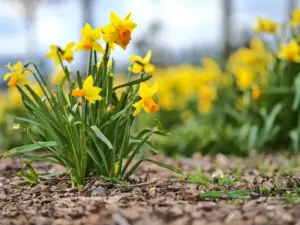
5 Best Bulbs for Fall Planting: Brighten Your Garden This Spring
Are you dreaming of a garden full of vibrant colors in the spring? The key [...]
Aug
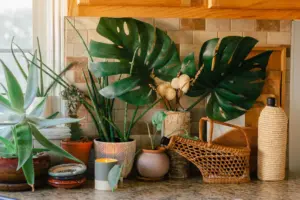
How to Repot Houseplants Like a Pro
Do your houseplants look like they’ve outgrown their pots? Are their roots popping out of [...]
Aug
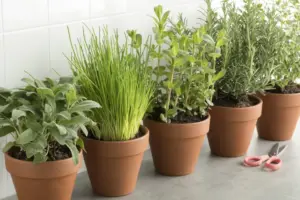
10 Houseplants That Will Thrive in Your Kitchen
Are you tired of your kitchen feeling dull and lifeless? Want to add a little [...]
Aug
Reviews
There are no reviews yet.