


Nannyberry Sweet Viburnum Lentago Seeds – 20 Pack, White Flowers, Edible Blue-Black Berries
Original price was: 32.99 $.12.99 $Current price is: 12.99 $.
Cultivate your own nannyberry sweet viburnum seeds with this pack of 20. These seeds will grow into beautiful shrubs or small trees, featuring white spring flowers, delicious blue-black berries, and stunning fall foliage. Ideal for attracting wildlife and providing edible fruit.
Estimated arrival
Sep 19
Sep 24 - Sep 26
Sep 26 - Oct 01
See our Shipping Policy.
Get in touch with us via email, and our team will review your concerns.
Our Alive & Thrive Guarantee covers issues with your plants within the first 30 days. Read our Refund & Returns Policy.
-
USDA Hardiness Zone
2 - 8 -
Soil Type
Average, well-draining soil -
Sunlight Exposure
Sun - Part Shade -
Expected Planting Period
Fall Sow / Cold Stratify
Overview
Embark on a rewarding gardening journey with our premium pack of 20 nannyberry sweet viburnum seeds. The Nannyberry, scientifically known as Viburnum Lentago, is a highly versatile and attractive plant native to Eastern North America. These seeds will grow into a lovely ornamental shrub or small tree, cherished for its multi-seasonal appeal and edible fruit. Whether you’re looking to create a naturalized landscape, attract local wildlife, or simply enjoy a unique fruit-bearing plant, the Nannyberry is an excellent choice. It can be allowed to grow into its natural shrub form or pruned into a single-trunked tree, offering flexibility in your garden design.
Known also by common names like Sweet Viburnum and Sheepberry, the Nannyberry is celebrated for its beautiful white flowers in spring, followed by sweet, juicy blue-black berries in fall. Its glossy green leaves transform into stunning shades of yellow, orange, and deep red, providing vibrant color to your autumn landscape. Growing from nannyberry sweet viburnum seeds allows you to experience the full life cycle of this remarkable plant, from germination to its mature, fruit-bearing glory.
Key Benefits
The Nannyberry Sweet Viburnum offers a multitude of benefits for any gardener. Its adaptability and aesthetic appeal make it a standout choice for various outdoor settings. Cultivating nannyberry sweet viburnum seeds provides an opportunity to enhance your garden with a plant that is both beautiful and functional.
- Edible & Delicious Berries: The plant produces sweet, juicy blue-black berries that are perfect for eating fresh, making jams, baking into pies, or drying for later enjoyment. These berries are a treat for both humans and wildlife.
- Attractive Multi-Season Interest: Enjoy large, showy white flower clusters in spring, vibrant green foliage in summer, spectacular yellow, orange, and red leaves in fall, and persistent berries that often remain through winter.
- Wildlife Attraction: The white flowers attract bees and butterflies, while the berries are a favorite food source for birds and other small critters, contributing to a healthy ecosystem in your garden.
- Versatile Growth Habit: Can be grown as a dense shrub for natural screening or privacy, or pruned into an elegant single-trunked tree, fitting various landscape designs.
- Hardy & Adaptable: Thrives in a wide range of climates (USDA Zones 2-8) and tolerates average soil conditions, making it a robust and low-maintenance addition to your garden.
- Native Plant Benefits: As a native to Eastern North America, it is well-suited to local conditions, requiring less intervention and supporting local biodiversity.
- Unique Flavor Profile: Some argue that the berries develop their best flavor after a light frost, offering a unique seasonal taste experience.
Plant Care & Growing Tips
Successful cultivation of nannyberry sweet viburnum seeds begins with proper stratification and planting. These seeds require a period of cold stratification to break dormancy, mimicking natural winter conditions. This typically involves placing the seeds in a moist medium (like sand or peat moss) in a refrigerator for 90-120 days. After stratification, sow the seeds in fall or early spring, about 1/4 inch deep in well-draining soil. Providing the right environment will ensure strong germination and healthy plant development.
Once established, Nannyberry plants are relatively low-maintenance. They prefer a location with full sun to part shade, meaning they can tolerate a few hours of direct sunlight combined with some afternoon shade. While they are adaptable to average soil conditions, they will thrive in consistently moist, well-draining soil. Water regularly, especially during dry spells, until the plant is well-established. Fertilization is generally not heavily required; a balanced, slow-release fertilizer in early spring can support vigorous growth. Pruning can be done to maintain shape, remove dead branches, or train the plant into a tree form. For those wondering how to grow nannyberry successfully, ensuring adequate light, moisture, and proper initial seed treatment are key.
The Nannyberry is quite resilient to pests and diseases, making it an easy-care option for many gardeners. Its hardiness across USDA Zones 2-8 means it can withstand cold winters and hot summers within its range. Consider planting in groups to encourage better pollination and fruit production. For optimal growth and to learn more about how to grow nannyberry, ensure consistent moisture during the first few years of growth and provide protection from strong winds if planted in an exposed area.
Size & Details
This offering includes 20 seeds of Viburnum Lentago, commonly known as Nannyberry or Sweet Viburnum. When mature, these plants typically reach a height of 15 to 25 feet with a spread of 10 to 15 feet, forming either a large, multi-stemmed shrub or a small, attractive tree. The glossy green leaves are approximately 4 inches long and provide a lush appearance throughout the growing season, transforming into stunning yellow, orange, and deep red hues in the fall. The white flower clusters, appearing in spring, can be up to 5 inches across, adding a beautiful display before the fruit sets.
The blue-black (dark purple) berries, which develop from the spring flowers, are typically ready for harvest in fall and can persist into winter. These seeds are ideal for planting in USDA Hardiness Zones 2 through 8, making them suitable for a wide range of climates across the United States. They require fall sowing or cold stratification for successful germination. The plant prefers full sun to part shade conditions and average soil and water preferences. Expect a moderate growth rate, with plants reaching a significant size within a few years, providing both ornamental beauty and edible fruit.
Frequently Asked Questions
- Q: How big does the Nannyberry plant get? A: Nannyberry plants typically grow to a height of 15 to 25 feet with a spread of 10 to 15 feet. They can be maintained as a large shrub or pruned into a small tree.
- Q: Is this an indoor or outdoor plant? A: The Nannyberry (Viburnum Lentago) is an outdoor plant, well-suited for gardens and landscapes. It thrives in USDA Hardiness Zones 2-8.
- Q: How much sunlight does it need? A: These plants prefer full sun to part shade, ideally receiving at least 4-6 hours of direct sunlight per day. They can tolerate some afternoon shade, especially in hotter climates.
- Q: Is this plant easy to care for? A: Yes, the Nannyberry is considered relatively easy to care for once established. It’s hardy, adaptable to various soil types, and generally resistant to pests and diseases.
- Q: What condition will the seeds arrive in? A: You will receive 20 high-quality nannyberry sweet viburnum seeds in a protective packet, ready for stratification and planting.
- Q: Can I use the Nannyberry fruit in cooking? A: Absolutely! The blue-black berries are sweet and juicy, perfect for eating fresh, making jams, pies, or drying. They are a delicious and versatile edible berry. If you’re looking for other edible berry seeds, explore their wide range of uses.
- Q: When is the best time to plant Nannyberry seeds? A: The best time to plant Nannyberry seeds is in the fall after they have undergone a period of cold stratification, or in early spring after stratification is complete. This mimics their natural germination cycle.
- Q: Will it survive winter in my zone? A: Yes, the Nannyberry is very cold hardy and will survive winter in USDA Zones 2-8. It’s well-adapted to cooler climates.
- Q: Do these seeds require cold stratification? A: Yes, these viburnum lentago seeds require cold stratification to break dormancy and ensure successful germination. This usually involves a period of moist chilling for 90-120 days.
- Q: What are some common names for this plant? A: Besides Nannyberry, it is also commonly known as Sweet Viburnum and Sheepberry.
Be the first to review “Nannyberry Sweet Viburnum Lentago Seeds – 20 Pack, White Flowers, Edible Blue-Black Berries”
Related products


You May Like

5 Best Bulbs for Fall Planting: Brighten Your Garden This Spring
Are you dreaming of a garden full of vibrant colors in the spring? The key [...]
Aug

How to Repot Houseplants Like a Pro
Do your houseplants look like they’ve outgrown their pots? Are their roots popping out of [...]
Aug
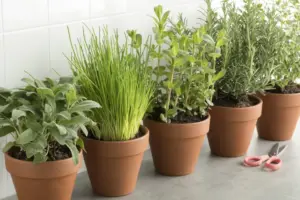
10 Houseplants That Will Thrive in Your Kitchen
Are you tired of your kitchen feeling dull and lifeless? Want to add a little [...]
Aug
Reviews
There are no reviews yet.