
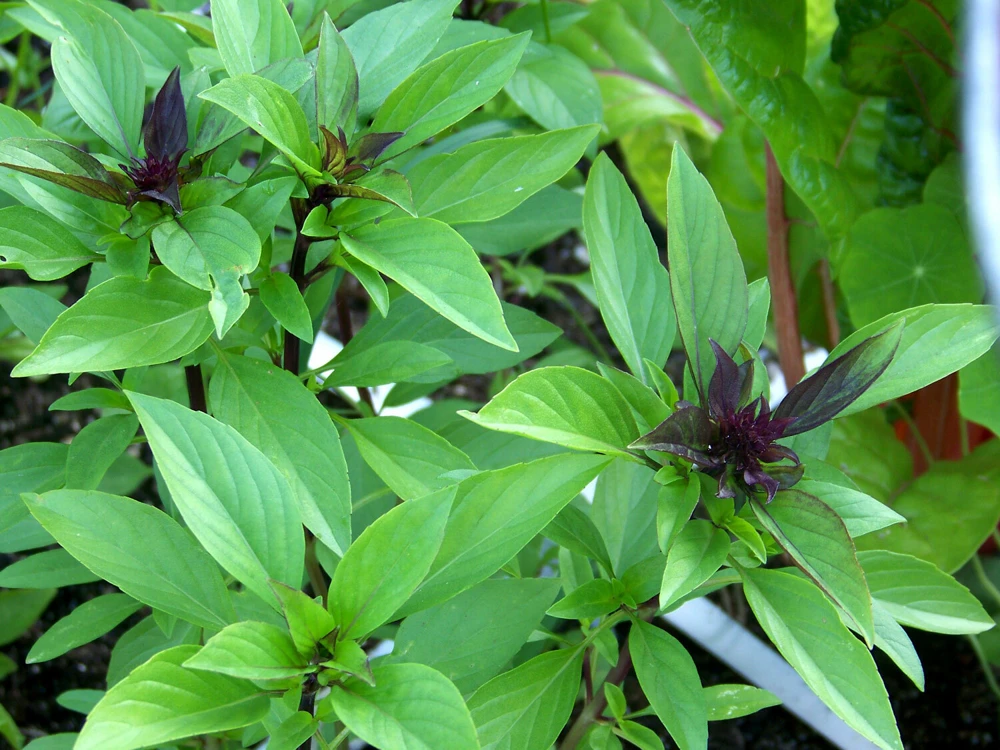
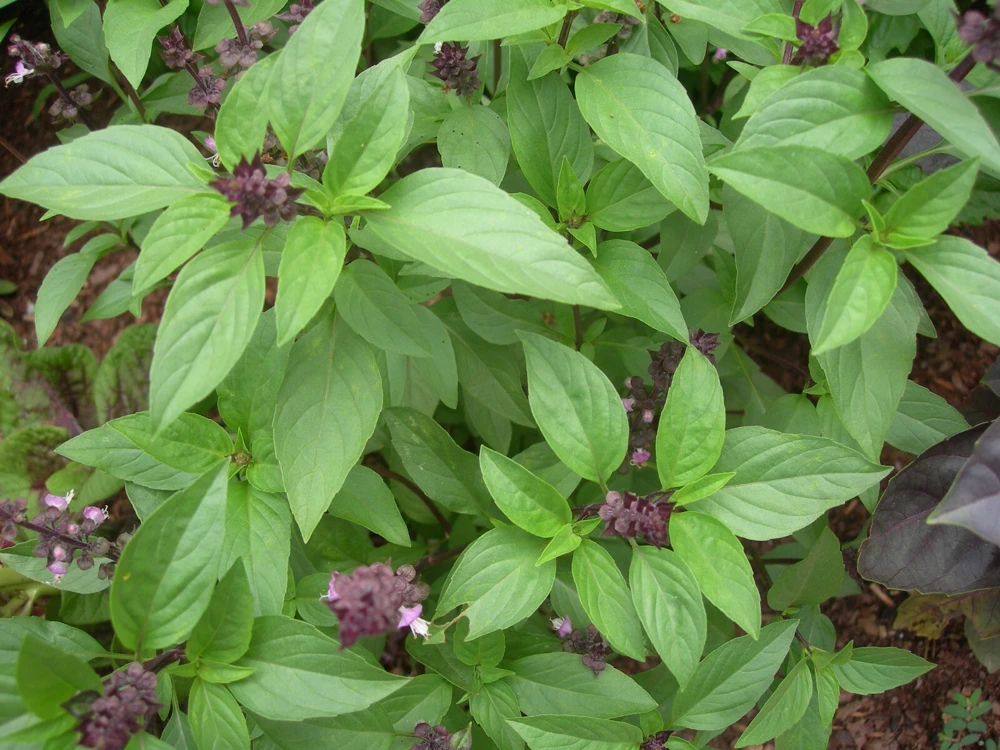
Thai Basil Seeds – Horapha Herb Seeds, Ocimum basilicum, Very Easy to Grow
From 10.77 $
Cultivate your own flavorful thai basil seeds at home. These horapha seeds are perfect for adding an authentic zesty, anise flavor to your culinary creations. Enjoy fresh herbs from your garden with this very easy-to-grow variety.
Estimated arrival
Sep 19
Sep 24 - Sep 26
Sep 26 - Oct 01
See our Shipping Policy.
Get in touch with us via email, and our team will review your concerns.
Our Alive & Thrive Guarantee covers issues with your plants within the first 30 days. Read our Refund & Returns Policy.
-
USDA Hardiness Zone
Zones 3-12 (annual) -
Soil Type
Loam, Peat, Sand (well-draining) -
Sunlight Exposure
Full Sun -
Expected Planting Period
Spring to Summer (outdoors), Year-round (indoors)
Overview
Discover the joy of growing your own authentic thai basil seeds, also known as Horapha or Hun Que. These premium herb seeds, scientifically named Ocimum basilicum, promise a bountiful harvest of fragrant and flavorful leaves that are a staple in Southeast Asian cuisine. Renowned for its distinctive zesty and subtle anise notes, Thai Basil adds an exotic touch to curries, stir-fries, and salads. Whether you are a seasoned gardener or just starting, cultivating horapha seeds is a rewarding experience, providing fresh, aromatic herbs right at your fingertips. These annual plants thrive in warm conditions and are surprisingly easy to maintain, making them a fantastic addition to any home garden, patio, or even an indoor herb collection.
Our thai basil seeds are selected for their vigor and ability to produce robust, clumping plants with vibrant green leaves. This variety is perfect for those looking to grow thai basil that delivers both visual appeal and exceptional taste. Enjoy the satisfaction of harvesting your own herbs, knowing they are fresh, organic, and free from any unwanted chemicals. With their beautiful green foliage and delightful aroma, these basil plants are not just for cooking; they also make an attractive ornamental addition to your garden space.
Key Benefits
Growing thai basil seeds offers a multitude of benefits, from enhancing your culinary skills to providing a fresh, aromatic presence in your garden. Here are some of the key advantages:
- Authentic Flavor for Cuisine: Thai Basil is indispensable in many Asian dishes, offering a unique zesty, peppery, and slightly anise-like flavor profile that elevates your cooking to new heights. Freshly picked leaves provide the most intense flavor.
- Very Easy to Grow: These seeds are perfect for beginners and experienced gardeners alike. The plants are robust and require minimal fuss, making them an excellent choice for a low-maintenance herb garden.
- Versatile Indoor & Outdoor Cultivation: Whether you have a spacious garden, a small balcony, or even just a sunny windowsill, grow thai basil successfully. It adapts well to both indoor and outdoor environments.
- Continuous Harvest: With proper care and regular pruning, your Thai Basil plants will produce a continuous supply of fresh leaves throughout the growing season, ensuring you always have herbs on hand.
- Aromatic & Ornamental Appeal: Beyond its culinary uses, the lush green foliage and clumping growth habit of Thai Basil add beauty and a delightful fragrance to any garden space, attracting beneficial pollinators.
- Health Benefits: Like many herbs, Thai Basil contains various vitamins and antioxidants, contributing to a healthy diet and offering potential wellness advantages.
- Cost-Effective & Sustainable: Growing your own herbs from anise basil seeds is more economical than buying fresh basil from the store and promotes a sustainable lifestyle by reducing packaging waste.
Plant Care & Growing Tips
Cultivating thai basil seeds is a straightforward process, ensuring a rewarding harvest with just a few key care practices. For optimal growth, Thai Basil thrives in areas that receive full sun, meaning at least 6-8 hours of direct sunlight per day. If growing indoors, place your pots in a south-facing window or use grow lights to ensure adequate light exposure. The ideal planting time is in the spring after the last frost, or year-round indoors. Seeds typically germinate within 7-14 days.
When it comes to watering, Thai Basil prefers consistently moist but not waterlogged soil. Water regularly, especially during dry spells, ensuring the top inch of soil feels dry before re-watering. Good drainage is crucial to prevent root rot. These plants perform best in well-draining soil types such as loam, peat, or sand, with a slightly acidic to neutral pH range of 6.0-7.5. Fertilize every 2-4 weeks with a balanced liquid fertilizer during the active growing season. Pinch off flower buds as they appear to encourage bushier growth and prevent the plant from going to seed too early, which can diminish leaf production and flavor. This also helps to grow thai basil with more robust foliage.
Thai Basil is an annual plant that flourishes in warm climates, ideally within USDA Hardiness Zones 3-12 during its growing season. It is sensitive to cold temperatures and should be protected from frost. Common pests are usually not a significant issue, but keep an eye out for aphids or spider mites, especially in dry indoor conditions. Address any pest issues with organic insecticidal soap. The ocimum basilicum seeds are surprisingly easy to cultivate, making them an excellent choice for beginner gardeners looking to expand their herb collection with a flavorful and versatile herb.
Size & Details
These thai basil seeds will develop into robust, clumping plants, typically reaching a height of 18-24 inches (45-60 cm) and a similar spread, depending on growing conditions and pruning. The vibrant green leaves are medium-sized and possess the characteristic zesty, anise flavor that makes Thai Basil so popular in culinary applications. As an annual, the plant completes its life cycle within one growing season, producing abundant foliage for harvesting. The seeds are packaged to ensure viability and are ready for planting upon arrival. Expect vigorous growth from these horapha seeds, with plants ready for initial harvesting approximately 60-70 days after planting.
The cultivation difficulty is rated as ‘Very Easy’, making it accessible for gardeners of all skill levels. These plants are suitable for both indoor and outdoor environments, providing flexibility for your gardening setup. They are known for their clumping growth habit, which helps create a full and attractive plant. With consistent watering and full sunlight, your Thai Basil will flourish, providing a continuous supply of fresh, aromatic leaves for your kitchen throughout the spring, summer, and fall seasons. You will find that these anise basil seeds are incredibly rewarding to grow, offering a fresh, pungent herb that enhances a wide array of dishes.
Frequently Asked Questions
- Q: How big does Thai Basil get? A: Thai Basil plants typically grow to a height of 18-24 inches (45-60 cm) with a similar spread, forming a bushy, clumping habit. Regular harvesting and pinching can encourage a more compact plant.
- Q: Is this an indoor or outdoor plant? A: Thai Basil is versatile and can be grown successfully both indoors and outdoors. It thrives outdoors in warm weather and can be grown indoors year-round in a sunny location or under grow lights.
- Q: How much sunlight does Thai Basil need? A: For best results, Thai Basil requires at least 6-8 hours of full sun per day. If growing indoors, ensure it receives bright, direct light for several hours daily.
- Q: Is this plant easy to care for? A: Yes, Thai Basil is considered very easy to cultivate, making it an excellent choice for beginner gardeners. It requires consistent watering and plenty of sunlight.
- Q: Can I use Thai Basil in cooking? A: Absolutely! Thai Basil is a culinary staple, especially in Southeast Asian dishes. Its unique zesty, anise flavor is perfect for curries, stir-fries, soups, and salads.
- Q: How long until it blooms? A: Thai Basil typically starts to flower around 60-90 days after planting. It’s recommended to pinch off flower buds to encourage more leaf production and maintain flavor.
- Q: What condition will the seeds arrive in? A: Your thai basil seeds will arrive in a sealed packet, ensuring their viability and readiness for planting. We take care to package them securely for safe transit.
- Q: What’s the best soil type for Thai Basil? A: Thai Basil prefers well-draining soil rich in organic matter. A mix of loam, peat, and sand with a pH between 6.0 and 7.5 is ideal for these ocimum basilicum seeds.
- Q: What USDA Hardiness Zones are suitable for Thai Basil? A: Thai Basil is an annual and can be grown in USDA Hardiness Zones 3-12 during its active growing season. It is not frost-tolerant and will die back in cold weather.
- Q: How often should I water my Thai Basil? A: Water your Thai Basil regularly to keep the soil consistently moist but not waterlogged. Allow the top inch of soil to dry out slightly before watering again.
| Seed Amount | 20K Seeds Or 1 Oz, 250 Seeds, 2500 Seeds Or 1/8 Oz, 40K Seeds Or 2 Oz, 500 Seeds, 5000 Seeds Or 1/4 Oz, 80K Seeds Or 1/4 Lb |
|---|
Be the first to review “Thai Basil Seeds – Horapha Herb Seeds, Ocimum basilicum, Very Easy to Grow”
Related products


Herb Seeds
500 English Lavender Vera Seeds – Lavandula Angustifolia – Fragrant Purple Flower Herb – Outdoor


Herb Seeds
Munstead Lavender Seeds – 200 English Lavandula Angustifolia Fragrant Purple Flower Herb Seeds


Herb Seeds
Great Saint John’s Wort Seeds – Hypericum Pyramidatum – 1500 Count – Yellow Flower Herb – Zones 2-10


You May Like
5 Best Bulbs for Fall Planting: Brighten Your Garden This Spring
Are you dreaming of a garden full of vibrant colors in the spring? The key [...]
Aug
How to Repot Houseplants Like a Pro
Do your houseplants look like they’ve outgrown their pots? Are their roots popping out of [...]
Aug
10 Houseplants That Will Thrive in Your Kitchen
Are you tired of your kitchen feeling dull and lifeless? Want to add a little [...]
Aug
Reviews
There are no reviews yet.