


Great Saint John’s Wort Seeds – Hypericum Pyramidatum – 1500 Count – Yellow Flower Herb – Zones 2-10
Original price was: 32.99 $.12.99 $Current price is: 12.99 $.
Cultivate stunning great saint john’s wort seeds (Hypericum Pyramidatum) with this generous pack of 1500 seeds. Known for its bright yellow flowers and traditional herbal uses, this plant thrives in zones 2-10. Perfect for garden beds or naturalized areas, these seeds will help you grow a robust and beautiful herb.
Estimated arrival
Sep 19
Sep 24 - Sep 26
Sep 26 - Oct 01
See our Shipping Policy.
Get in touch with us via email, and our team will review your concerns.
Our Alive & Thrive Guarantee covers issues with your plants within the first 30 days. Read our Refund & Returns Policy.
-
USDA Hardiness Zone
2-10 -
Soil Type
Average, well-draining soil -
Sunlight Exposure
Full sun to part shade -
Expected Planting Period
Outdoors after frost / Indoors weeks before last frost
Overview
Embark on a rewarding gardening journey with these great saint john’s wort seeds, scientifically known as Hypericum Pyramidatum. This exceptional variety, also known as Stars of Jerusalem, is celebrated for producing the largest flowers among all Saint John’s Wort varieties, often reaching an impressive 2 inches in diameter. Each packet contains 1500 high-quality seeds, ensuring you have ample supply to create a vibrant and flourishing garden. Ideal for gardeners seeking both ornamental beauty and a plant with historical herbal significance, these seeds offer an opportunity to grow a robust and resilient perennial herb that will enhance any outdoor space.
Great Saint John’s Wort is a versatile plant, adaptable to a wide range of climates (USDA Zones 2-10) and relatively easy to care for, making it suitable for both novice and experienced gardeners. Its striking bright yellow blooms provide a cheerful splash of color from mid-summer, attracting beneficial pollinators to your garden. Whether you’re planning a dedicated herb garden, a mixed perennial bed, or a naturalized landscape, these Hypericum Pyramidatum seeds are an excellent choice for adding beauty and ecological value to your home. Discover the joy of growing your own Great Saint John’s Wort from seed.
Key Benefits
Growing great saint john’s wort seeds offers a multitude of benefits for your garden and well-being:
- Stunning Ornamental Value: The large, bright yellow flowers of Hypericum Pyramidatum are incredibly eye-catching, providing a vibrant display during the summer months. They add a cheerful aesthetic to garden borders, rock gardens, or as a focal point in a naturalized setting.
- Attracts Pollinators: These beautiful blooms are a magnet for bees and other beneficial pollinators, contributing to the biodiversity and health of your garden ecosystem. Planting great saint john’s wort seeds supports local wildlife.
- Hardy and Adaptable: With a broad hardiness range of USDA Zones 2-10, this plant is remarkably resilient and can thrive in various climates, making it a reliable choice for many gardeners across the United States.
- Low Maintenance: Once established, Great Saint John’s Wort requires minimal care. It’s known for its ability to tolerate average soil conditions and moderate watering, making it an easy-care addition to your landscape.
- Traditional Herbal Uses: Historically, Saint John’s Wort has been recognized for its various herbal properties. Growing your own allows for a deeper connection to this traditional plant, though always consult with a professional for any medicinal use.
- Generous Quantity: With 1500 seeds included, you have the flexibility to plant a large area, share with friends, or ensure multiple successful plantings, guaranteeing a bountiful harvest of this lovely herb.
- Naturalizes Beautifully: This perennial herb can naturalize over time, creating charming drifts of yellow flowers year after year, enhancing the natural beauty of your garden with minimal effort.
Plant Care & Growing Tips
Cultivating Hypericum Pyramidatum seeds into thriving plants is a straightforward process, suitable for gardeners of all experience levels. For best results, consider starting your seeds indoors several weeks before the last expected frost, or directly sow them outdoors after all danger of frost has passed. When starting indoors, use a quality seed-starting mix and keep the soil consistently moist. Lightly cover the seeds or press them gently into the soil surface, as some Hypericum species require light for germination. Provide a warm environment, ideally between 65-75°F (18-24°C).
Once seedlings are established and outdoor temperatures are consistently mild, transplant them to a location that receives full sun to part shade. While great saint john’s wort seeds are quite tolerant, they perform best with at least 6 hours of direct sunlight daily. The ideal soil for these plants is average, well-draining, and not overly rich. Avoid heavy, waterlogged soils, as this can lead to root rot. Space your plants about 18-24 inches apart to allow for their mature size, which can reach 48-72 inches in height. Watering should be consistent during the establishment phase, but once mature, the plants are relatively drought-tolerant and only require watering during prolonged dry spells. Fertilization is generally not necessary in average garden soil, but a light application of balanced slow-release fertilizer in spring can encourage more vigorous growth and blooms. Keep an eye out for common garden pests, though Saint John’s Wort is generally quite resistant. Understanding st john’s wort plant care will ensure a beautiful display.
Size & Details
This offering includes 1500 individual Hypericum Pyramidatum seeds, providing a substantial quantity for most gardening projects. Once mature, the Great Saint John’s Wort plant typically reaches an impressive height of 48 to 72 inches (4 to 6 feet) with a spread of 18 to 24 inches, creating a substantial presence in the garden. The large, bright yellow flowers, a distinguishing feature of this specific variety, measure approximately 2 inches across. These plants are biennial in some regions but often behave as short-lived perennials in suitable climates, returning for several years. Expect bloom time to occur in mid-summer, adding a vibrant splash of color to your landscape. The seeds are suitable for planting in a wide range of USDA Hardiness Zones, specifically from 2 to 10, demonstrating their adaptability to various environmental conditions. Achieving the full height and bloom potential of your great saint john’s wort seeds will typically take one to two growing seasons, with established plants providing a stunning seasonal display.
Frequently Asked Questions
- Q: How big does this plant get from these great saint john’s wort seeds? A: The Great Saint John’s Wort can grow quite tall, typically reaching a height of 48 to 72 inches (4 to 6 feet) with a spread of 18 to 24 inches when mature. Its substantial size makes it a striking addition to garden beds.
- Q: Is this an indoor or outdoor plant? A: While you can start the hypericum pyramidatum seeds indoors, the mature Great Saint John’s Wort plant is primarily an outdoor plant, thriving in garden beds, borders, and naturalized areas.
- Q: How much sunlight does it need? A: Great Saint John’s Wort prefers full sun to part shade. For optimal flowering and growth, aim for at least 6 hours of direct sunlight per day. Too much shade can result in fewer blooms.
- Q: Is this plant easy to care for? A: Yes, st john’s wort plant care is generally considered easy. Once established, it’s a relatively low-maintenance plant that tolerates average soil and moderate watering, making it suitable for gardeners of all skill levels.
- Q: What condition will the seeds arrive in? A: Your 1500 stars of jerusalem seeds will arrive as dry, viable seeds, carefully packaged to ensure their quality and readiness for planting. They are not pre-germinated or potted.
- Q: How long until it blooms? A: Great Saint John’s Wort typically blooms in mid-summer. From seed, it may take one full growing season for the plant to mature and produce its first set of flowers, especially if sown directly outdoors.
- Q: Will it survive winter in my zone? A: These great saint john’s wort seeds are suitable for USDA Hardiness Zones 2 through 10. This wide range means the plant is quite cold-hardy and should survive winter in most temperate climates, though it may behave as a biennial in some colder zones.
- Q: What type of soil does Great Saint John’s Wort prefer? A: This plant thrives in average, well-draining soil. It is not particular about soil pH but does not tolerate heavy, waterlogged conditions, which can lead to root issues.
- Q: Are these seeds for a medicinal herb? A: Historically, Saint John’s Wort has been used as a traditional herb. However, any medicinal use should only be pursued under the guidance of a qualified healthcare professional. These seeds are for gardening purposes.
- Q: When is the best time to plant these seeds? A: You can plant the hypericum pyramidatum seeds outdoors after the last frost in spring, or start them indoors several weeks before the last frost to get a head start on the growing season.
Be the first to review “Great Saint John’s Wort Seeds – Hypericum Pyramidatum – 1500 Count – Yellow Flower Herb – Zones 2-10”
Related products


Herb Seeds
500 English Lavender Vera Seeds – Lavandula Angustifolia – Fragrant Purple Flower Herb – Outdoor

Herb Seeds
10 Mouse Garlic Allium Angulosum Wild Garlic Pink Flower Herb Seeds Pink Flowers Zones 4-8


You May Like
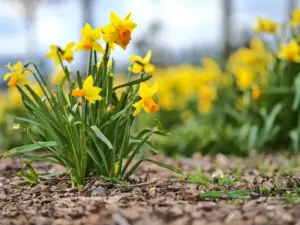
5 Best Bulbs for Fall Planting: Brighten Your Garden This Spring
Are you dreaming of a garden full of vibrant colors in the spring? The key [...]
Aug

How to Repot Houseplants Like a Pro
Do your houseplants look like they’ve outgrown their pots? Are their roots popping out of [...]
Aug
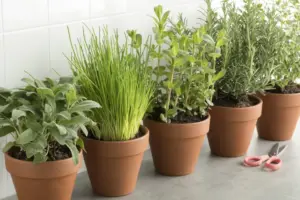
10 Houseplants That Will Thrive in Your Kitchen
Are you tired of your kitchen feeling dull and lifeless? Want to add a little [...]
Aug
Reviews
There are no reviews yet.