
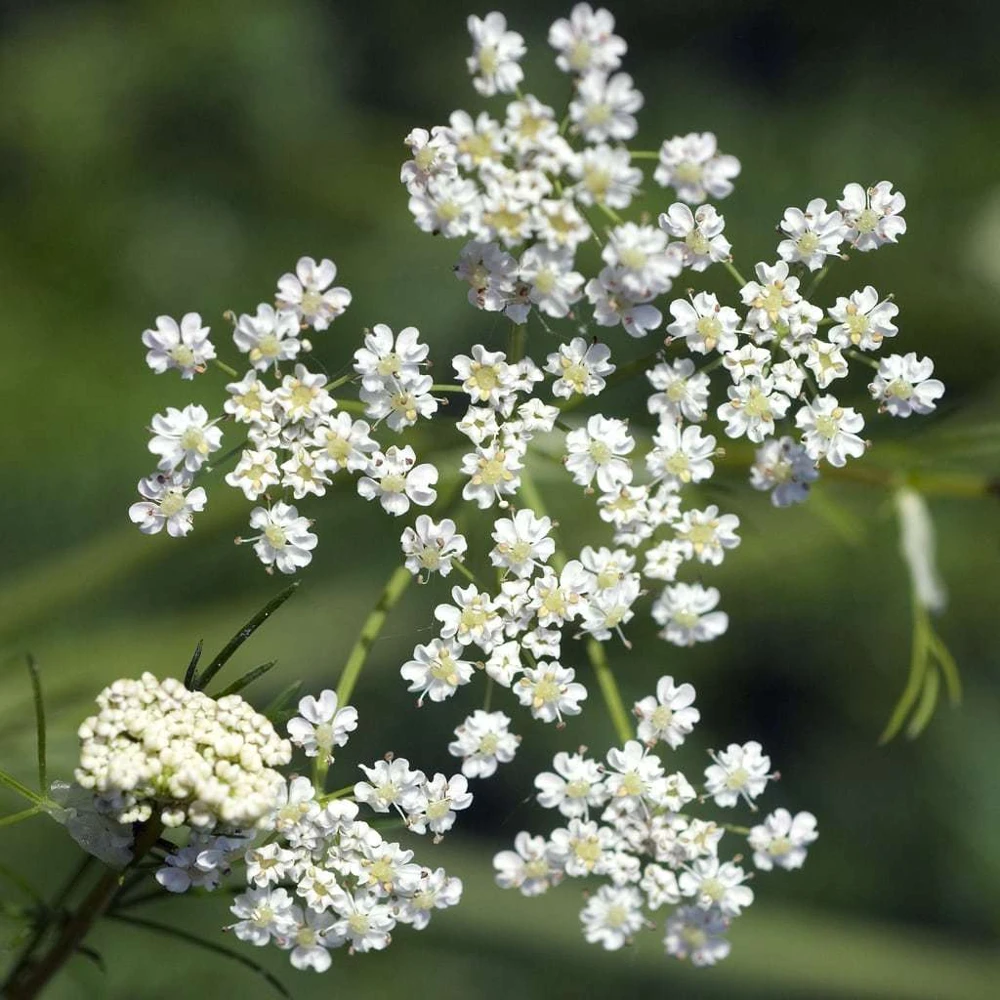
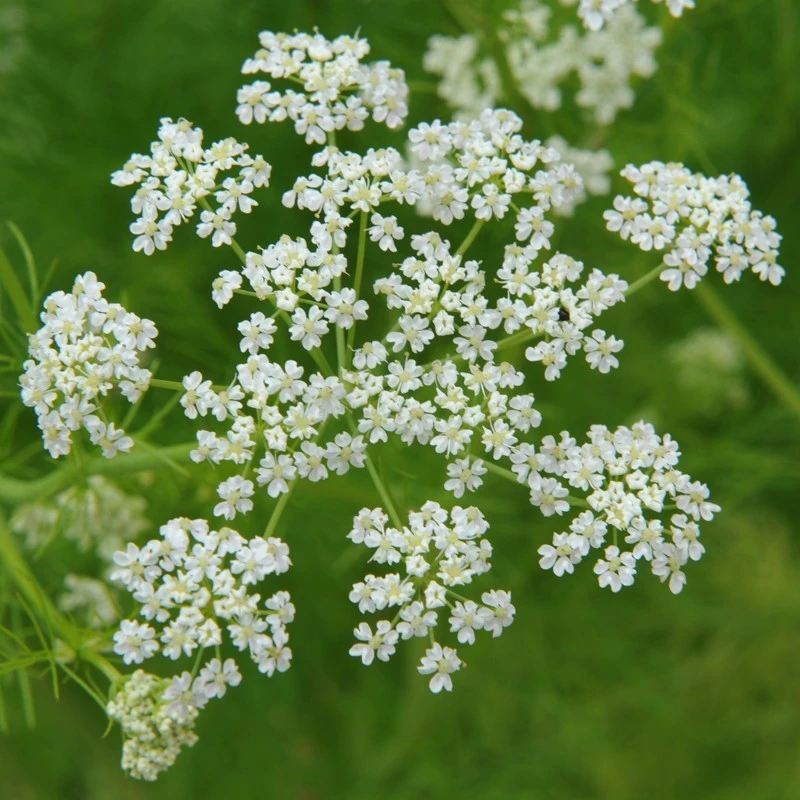
Caraway Herb Seeds – Garden Planting Variety – Carum carvi
From 10.77 $
Cultivate your own aromatic caraway herb with these high-quality caraway seeds. Perfect for garden planting, these seeds yield the flavorful herb known for its distinct taste in cooking and baking. Easy to grow in various climates.
Estimated arrival
Sep 18
Sep 23 - Sep 25
Sep 25 - Sep 30
See our Shipping Policy.
Get in touch with us via email, and our team will review your concerns.
Our Alive & Thrive Guarantee covers issues with your plants within the first 30 days. Read our Refund & Returns Policy.
-
USDA Hardiness Zone
Zones 3-12 -
Soil Type
Loam, Peat, Sand -
Sunlight Exposure
Full Sun, Partial Shade -
Expected Planting Period
Early spring or fall
Overview
Embark on a rewarding gardening journey with our premium caraway seeds. These exceptional seeds allow you to cultivate your very own Carum carvi plants, bringing the distinctive flavor and aroma of caraway directly to your kitchen. Known by common names such as Meridian Fennel and Persian Cumin, caraway is a versatile herb cherished for its culinary uses, from adding a unique zest to rye bread and cheese to enhancing stews and sauerkraut. Our caraway seeds are selected for their viability and vigor, ensuring a successful harvest for both novice and experienced gardeners. Whether you’re looking to expand your herb garden or explore new culinary ingredients, planting caraway is a delightful and enriching experience.
Caraway (Carum carvi) is a biennial plant, meaning it grows foliage in its first year and flowers and produces seeds in its second. Its delicate feathery leaves add an attractive texture to any garden space, while the subsequent seed heads are the real prize. The plant thrives in temperate climates and is relatively low-maintenance once established, making it a fantastic addition to various garden settings. Experience the satisfaction of growing your own fresh caraway, right from the seed packet.
Key Benefits
Growing caraway seeds offers a multitude of benefits, enriching both your garden and your culinary endeavors. From its aromatic qualities to its ease of cultivation, caraway is a valuable addition:
- Culinary Versatility: The seeds are a staple in many cuisines, essential for flavoring bread, cheese, soups, and liqueurs. Enjoy the fresh, pungent flavor of home-grown caraway in your favorite recipes.
- Aromatic Garden Addition: The plant itself adds a beautiful, feathery texture to your herb garden, attracting beneficial insects with its delicate white flowers in its second year.
- Easy to Grow: Caraway is a robust plant that can tolerate a range of soil types and climates, making it suitable for many gardeners, including beginners looking to grow caraway.
- Medicinal Properties: Traditionally, caraway has been used for its digestive benefits, known to alleviate bloating and indigestion.
- Attracts Pollinators: The flowers, when they appear, are a great source of nectar for bees and other beneficial pollinators, contributing to a healthy garden ecosystem.
- Flavor Enhancement: Freshly harvested caraway herb has a more intense and nuanced flavor compared to store-bought dried versions, elevating your dishes.
- Self-Seeding Potential: If allowed to go to seed, caraway can often self-sow, providing a continuous supply of plants for future seasons.
Plant Care & Growing Tips
Successful cultivation of caraway seeds begins with understanding their basic requirements. Caraway thrives in conditions that mimic its native European and Asian habitats. For optimal growth, choose a location that receives full sun, meaning at least 6 hours of direct sunlight per day. While it can tolerate partial shade, full sun promotes stronger growth and better seed production. The ideal soil pH for caraway is slightly acidic to neutral, between 6.5 and 7.0. It prefers well-draining soil types such as loam, peat, or sand, avoiding heavy, waterlogged conditions that can lead to root rot. Good drainage is crucial for healthy root development.
When it comes to watering, caraway prefers consistent moisture, especially during dry spells, but it is also somewhat drought-tolerant once established. Water regularly to keep the soil evenly moist but not saturated. Fertilization is generally not heavily required; a balanced organic fertilizer applied once in spring can be beneficial, particularly in poor soils. Caraway is hardy in USDA Zones 3-12, tolerating cold, sub-tropical, and temperate climates. Pests are rarely a major issue, but keep an eye out for aphids. Proper spacing of seeds, about 6-12 inches apart, allows for good air circulation and plant development. For best results when you plant caraway, direct sow seeds in early spring or fall.
Size & Details
These caraway seeds are offered in a variety of sizes, allowing you to choose the quantity that best suits your gardening needs. Each seed packet contains high-quality seeds of Carum carvi, ready for planting. As a biennial, the plant will establish its leafy growth in the first year, typically reaching 1-2 feet in height, and then produce flowering stalks up to 2-3 feet tall in its second year before setting seed. The feathery foliage creates an attractive, delicate presence in the garden. These seeds are suitable for growing in a range of climates, from cold to sub-tropical and temperate, reflecting their wide hardiness across USDA Zones 3-12. Expect the plants to reach maturity and produce seeds in their second growing season, providing a bountiful harvest for culinary use or further planting.
Frequently Asked Questions
- Q: How big does a caraway plant get? A: A caraway plant typically grows 1 to 2 feet tall in its first year, focusing on foliage. In its second year, it sends up flowering stalks that can reach 2 to 3 feet in height, producing the seeds.
- Q: Is caraway an indoor or outdoor plant? A: Caraway is primarily an outdoor plant, best grown in a garden or large container where it can receive ample sunlight and space to develop. While it can be started indoors, it thrives outdoors.
- Q: How much sunlight does caraway need? A: Caraway prefers full sun, requiring at least 6 hours of direct sunlight per day for optimal growth and seed production. It can tolerate partial shade, but growth may be less vigorous.
- Q: Is this plant easy to care for? A: Yes, caraway is considered an easy-to-care-for herb. It’s relatively low-maintenance, requiring well-draining soil, consistent moisture, and plenty of sun. It’s a good choice for beginners looking to plant caraway.
- Q: What condition will the caraway seeds arrive in? A: Your caraway seeds will arrive in a sealed packet, ensuring their freshness and viability for planting. They are ready to be sown directly into your garden or seed-starting trays.
- Q: How long until caraway produces seeds? A: As a biennial, caraway typically produces seeds in its second growing season. The first year is dedicated to leafy growth, and the second year sees flowering and subsequent seed development.
- Q: Will caraway survive winter in my zone? A: Caraway is hardy in USDA Zones 3-12, meaning it can survive winters in a wide range of climates. In colder zones, it will overwinter and resume growth in spring.
- Q: Can I use the leaves of the caraway herb? A: While the seeds are the most commonly used part, the young leaves of the caraway herb can also be harvested and used in salads or as a garnish, offering a milder flavor similar to parsley.
- Q: What is the best time to start planting caraway? A: The best time to start planting caraway is in early spring after the last frost, or in the fall. Fall planting allows the seeds to stratify naturally over winter and emerge in spring.
- Q: What are some common uses for caraway? A: Caraway seeds are widely used in baking (especially rye bread), cooking (sauerkraut, stews, cheeses), and even in liqueurs. The flavor is warm, slightly bitter, and anise-like, making carum carvi seeds a popular spice.
| Seed Quantity | 10K Seeds Or 1 Oz, 1250 Seeds Or 1/8 Oz, 160K Seeds Or 1 Lb, 20K Seeds Or 2 Oz, 2500 Seeds Or 1/4 Oz, 350 Seeds Or 1 Gram, 40K Seeds Or 1/4 Lb, 700 Seeds Or 2 Grams, 80K Seeds Or 1/2 Lb |
|---|
Be the first to review “Caraway Herb Seeds – Garden Planting Variety – Carum carvi”
Related products


Herb Seeds
500 English Lavender Vera Seeds – Lavandula Angustifolia – Fragrant Purple Flower Herb – Outdoor


Herb Seeds
Munstead Lavender Seeds – 200 English Lavandula Angustifolia Fragrant Purple Flower Herb Seeds


Herb Seeds
Great Saint John’s Wort Seeds – Hypericum Pyramidatum – 1500 Count – Yellow Flower Herb – Zones 2-10
You May Like
5 Best Bulbs for Fall Planting: Brighten Your Garden This Spring
Are you dreaming of a garden full of vibrant colors in the spring? The key [...]
Aug
How to Repot Houseplants Like a Pro
Do your houseplants look like they’ve outgrown their pots? Are their roots popping out of [...]
Aug
10 Houseplants That Will Thrive in Your Kitchen
Are you tired of your kitchen feeling dull and lifeless? Want to add a little [...]
Aug
Reviews
There are no reviews yet.