
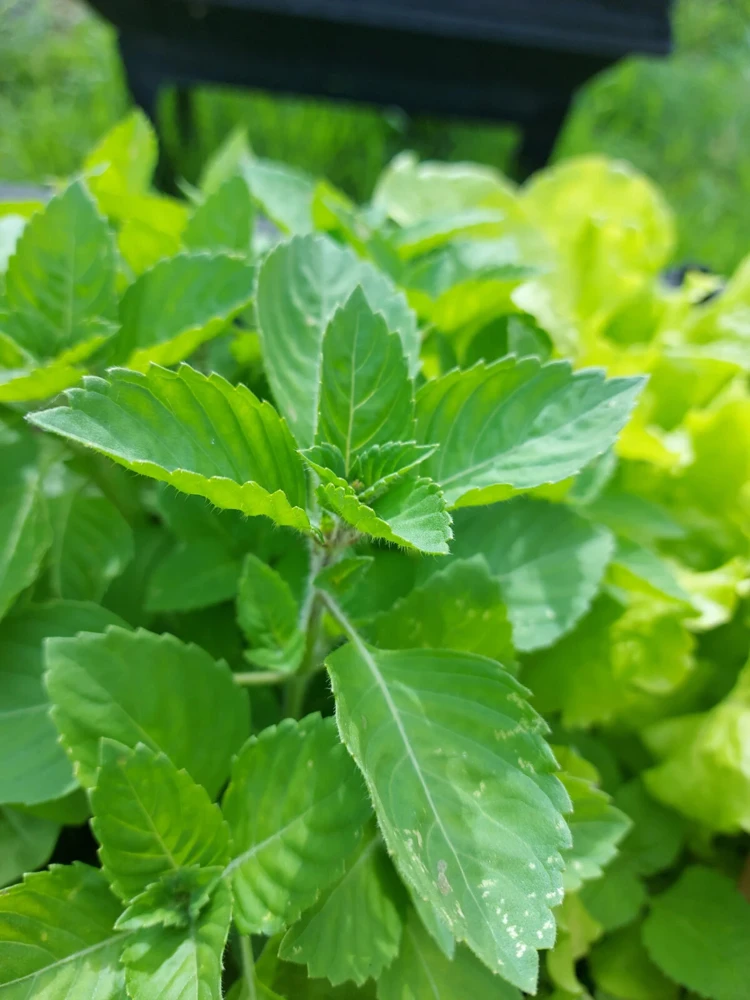
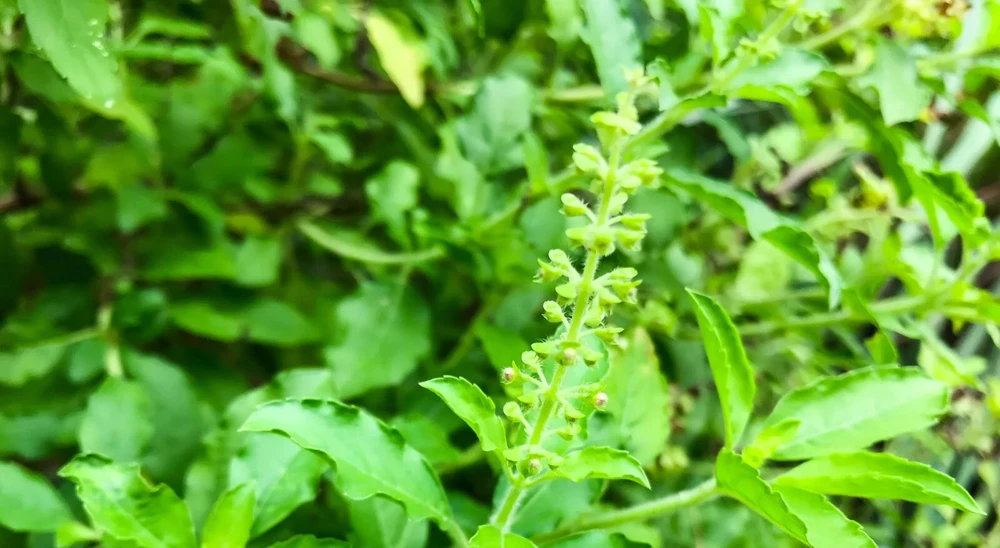
Holy Basil Seeds – Rama Tulsi (Ocimum sanctum) Herb Seeds for Indoor/Outdoor Planting
From 10.77 $
Cultivate your own sacred herb with these holy basil seeds, specifically the revered Rama Tulsi seeds variety. Known for its aromatic foliage and medicinal properties, this annual herb thrives both indoors and outdoors. Enjoy fresh leaves for teas, cooking, and traditional Ayurvedic practices.
Estimated arrival
Sep 19
Sep 24 - Sep 26
Sep 26 - Oct 01
See our Shipping Policy.
Get in touch with us via email, and our team will review your concerns.
Our Alive & Thrive Guarantee covers issues with your plants within the first 30 days. Read our Refund & Returns Policy.
-
USDA Hardiness Zone
Zones 3-12 (as annual) -
Soil Type
Loam, Peat, Sand (well-draining) -
Sunlight Exposure
Full Sun -
Expected Planting Period
Spring, Summer (outdoors); Year-round (indoors)
Overview
Embark on a journey of natural wellness and culinary delight by growing your own holy basil seeds. This offering features the cherished Rama Tulsi variety (Ocimum sanctum), a cornerstone of Ayurvedic tradition. Holy Basil, often referred to as ‘The Incomparable One’ or ‘Queen of Herbs,’ is celebrated for its distinctive aroma, vibrant green leaves, and a wealth of beneficial properties. These holy basil seeds provide an excellent opportunity to cultivate this sacred plant in your own garden or home, whether you’re interested in its use as a medicinal plant, a culinary herb, or for its spiritual significance. It’s a relatively easy plant to grow, making it suitable for gardeners of all experience levels who wish to grow holy basil.
Rama Tulsi is a sweet-scented variety known for its slightly purplish-green leaves and a milder, more pleasant flavor compared to other Tulsi types. It’s an annual herb that can be grown successfully in a wide range of climates, from sub-tropical to temperate and tropical. Originating from the United States, these seeds are ideal for starting your own supply of fresh Holy Basil, ensuring you have access to its unique qualities throughout the growing season.
Key Benefits
Growing holy basil seeds offers a multitude of advantages, from enhancing your garden’s biodiversity to providing a continuous supply of a highly valued herb. The benefits extend beyond mere gardening, touching upon health, culinary arts, and even spiritual practices. Discover why cultivating rama tulsi seeds is a rewarding endeavor:
- Medicinal Properties: Holy Basil is widely recognized in Ayurveda for its adaptogenic qualities, helping the body manage stress. It’s believed to support overall well-being, boost immunity, and possess anti-inflammatory and antioxidant properties. Many seek to grow holy basil for these health benefits.
- Aromatic and Flavorful: The leaves of Rama Tulsi are highly aromatic with a unique, slightly spicy, and sweet flavor profile. They are perfect for brewing refreshing herbal teas, infusing into dishes, or adding a fresh zest to salads.
- Easy to Grow: These holy basil seeds are classified as easy to cultivate, making them an excellent choice for both novice and experienced gardeners. They thrive with minimal fuss, provided they receive adequate sunlight and water.
- Versatile Use: Suitable for both indoor and outdoor cultivation, Holy Basil can be grown in pots on a windowsill, in garden beds, or as part of a larger herb collection. Its clumping growth habit makes it an attractive addition to any space.
- Attracts Pollinators: When in bloom, Holy Basil flowers are known to attract beneficial pollinators like bees and butterflies to your garden, contributing to a healthier ecosystem.
- Spiritual Significance: In many cultures, Holy Basil, especially Rama Tulsi, holds deep spiritual importance and is revered as a sacred plant, often grown near homes or temples for purification and positive energy.
- Continuous Harvest: With proper care, you can enjoy a continuous harvest of fresh leaves throughout the growing season, ensuring a steady supply of this valuable ayurvedic herb seeds product.
Plant Care & Growing Tips
Cultivating holy basil seeds into thriving plants is a straightforward process when you understand their basic needs. Holy Basil, or Rama Tulsi, is an annual plant that enjoys warmth and sunshine. For successful germination, sow the seeds indoors about 6-8 weeks before the last expected frost date, or directly outdoors once soil temperatures consistently reach above 60°F (15°C). Lightly press the tiny seeds into the soil surface and cover with a very thin layer of soil or vermiculite, as light aids germination. Keep the soil consistently moist until seedlings emerge, which typically takes 7-14 days. Once established, these plants are quite resilient and a joy to grow holy basil.
Sunlight: Holy Basil thrives in Full Sun, requiring at least 6-8 hours of direct sunlight per day to produce the most flavorful and potent leaves. If growing indoors, place it in a south-facing window or under a grow light. Watering: This plant prefers consistent moisture but dislikes soggy roots. Water regularly, especially during dry spells, ensuring the top inch of soil dries out slightly between waterings. The ‘Medium’ watering requirement means it appreciates a steady supply of water but is not overly demanding. Soil Type: Holy Basil adapts well to various soil types but flourishes in well-draining, fertile soil rich in organic matter. A mix of Loam, Peat, and Sand is ideal, with a slightly acidic to neutral pH between 6.0 and 7.5. Good drainage is crucial to prevent root rot. Temperature & Hardiness: As a tropical and sub-tropical plant, Holy Basil prefers warm temperatures. It is suitable for USDA Hardiness Zones 3-12 as an annual. It will not tolerate frost. Fertilization: While not a heavy feeder, a balanced liquid fertilizer can be applied every 2-4 weeks during the active growing season to encourage lush growth. Avoid over-fertilizing, which can reduce the intensity of its aromatic compounds. Pest & Disease: Generally robust, keep an eye out for common garden pests like aphids or spider mites. Good air circulation helps prevent fungal diseases. The ‘Easy’ cultivating difficulty truly reflects how manageable these plants are.
Size & Details
These holy basil seeds will grow into plants with a clumping growth habit, typically reaching a mature height of 18-36 inches (45-90 cm) and a similar spread, depending on growing conditions and variety. The vibrant green leaves are the primary feature, providing a rich aroma and flavor. This product offers high-quality rama tulsi seeds, ready for planting to establish your own herb garden. The life cycle of Holy Basil is annual, meaning it completes its growth cycle within one year and then needs to be replanted from fresh medicinal plant seeds.
Expect to begin harvesting leaves within 10-12 weeks of planting. Regular harvesting encourages bushier growth and prolongs the plant’s productivity. The seeds are suitable for planting during the Spring and Summer seasons for outdoor growth, and can be started year-round indoors with adequate light. The USDA Hardiness Zone suitability of 3-12 indicates its adaptability across most of the US as an annual, thriving in warm conditions. These seeds are a fantastic way to acquire ayurvedic herb seeds for your home.
Frequently Asked Questions
- Q: How big does a Holy Basil plant get from these seeds? A: A Holy Basil plant grown from these holy basil seeds typically reaches a height of 18 to 36 inches (45-90 cm) with a similar spread, forming a bushy, clumping habit. Its ultimate size can depend on growing conditions like sunlight, soil fertility, and water availability.
- Q: Is Holy Basil an indoor or outdoor plant? A: Holy Basil is versatile and can be grown both indoors and outdoors. It thrives outdoors in warm climates during the spring and summer, especially in USDA Zones 3-12 as an annual. Indoors, it needs a sunny spot or grow lights to flourish year-round.
- Q: How much sunlight does Holy Basil need? A: To ensure vigorous growth and potent leaves, Holy Basil requires at least 6-8 hours of direct sunlight per day. It prefers a ‘Full Sun’ exposure whether grown in a garden bed or a container.
- Q: Is this plant easy to care for, especially for beginners? A: Yes, these rama tulsi seeds are considered ‘Easy’ to cultivate. With consistent watering, ample sunlight, and well-draining soil, even beginner gardeners can successfully grow Holy Basil and enjoy its benefits.
- Q: What condition will the seeds arrive in? A: The product consists of high-quality holy basil seeds, packaged to ensure viability upon arrival. You will receive seeds ready for planting, not a live plant.
- Q: When is the best time to plant Holy Basil seeds? A: For outdoor planting, the best time is after the last frost in spring, when soil temperatures are consistently warm. For indoor starting, you can plant 6-8 weeks before the last frost, or any time of year with sufficient light.
- Q: Can I use Holy Basil leaves for tea and cooking? A: Absolutely! The leaves from your homegrown Holy Basil (Rama Tulsi) are perfect for brewing herbal teas, adding to stir-fries, curries, or using in traditional Ayurvedic preparations. It’s a fantastic ayurvedic herb seeds option for culinary exploration.
- Q: What kind of soil is best for growing Holy Basil? A: Holy Basil prefers well-draining, fertile soil with a pH between 6.0 and 7.5. A mixture of loam, peat, and sand provides an ideal environment for its root system to thrive.
- Q: Will Holy Basil survive winter in my zone? A: Holy Basil is an annual plant and will generally not survive frost. In colder USDA zones (below 9-10), it will need to be replanted each year from new medicinal plant seeds or brought indoors before cold weather sets in.
- Q: How long does it take for Holy Basil seeds to germinate? A: Under optimal conditions (warmth and consistent moisture), Holy Basil seeds typically germinate within 7 to 14 days after planting.
| Seed Quantity | 10K Seeds Or 1/2 Oz, 1250 Seeds Or 2 Grams, 20K Seeds Or 1 Oz, 250 Seeds Or 1/2 Gram, 2500 Seeds Or 1/8 Oz, 40K Seeds Or 2 Oz, 500 Seeds Or 1 Gram, 5000 Seeds Or 1/4 Oz |
|---|
Be the first to review “Holy Basil Seeds – Rama Tulsi (Ocimum sanctum) Herb Seeds for Indoor/Outdoor Planting”
Related products


Herb Seeds
Munstead Lavender Seeds – 200 English Lavandula Angustifolia Fragrant Purple Flower Herb Seeds


Herb Seeds
Great Saint John’s Wort Seeds – Hypericum Pyramidatum – 1500 Count – Yellow Flower Herb – Zones 2-10

You May Like
5 Best Bulbs for Fall Planting: Brighten Your Garden This Spring
Are you dreaming of a garden full of vibrant colors in the spring? The key [...]
Aug
How to Repot Houseplants Like a Pro
Do your houseplants look like they’ve outgrown their pots? Are their roots popping out of [...]
Aug
10 Houseplants That Will Thrive in Your Kitchen
Are you tired of your kitchen feeling dull and lifeless? Want to add a little [...]
Aug
Reviews
There are no reviews yet.