

10 Red Japanese Pine Tree Seeds – Pinus Densiflora Evergreen, Hardy Zones 3-7
Original price was: 32.99 $.12.99 $Current price is: 12.99 $.
Cultivate stunning Red Japanese Pine Tree seeds (Pinus Densiflora) for a vibrant evergreen addition to your landscape. These hardy seeds are ideal for creating ornamental trees or unique bonsai specimens, thriving in a range of climates.
Estimated arrival
Sep 19
Sep 24 - Sep 26
Sep 26 - Oct 01
See our Shipping Policy.
Get in touch with us via email, and our team will review your concerns.
Our Alive & Thrive Guarantee covers issues with your plants within the first 30 days. Read our Refund & Returns Policy.
-
USDA Hardiness Zone
3-7 (reports up to 9) -
Soil Type
Average, well-draining soil -
Sunlight Exposure
Full sun - Part shade -
Expected Planting Period
Outdoors after frost / Indoors weeks before last frost (with cold stratification)
Overview
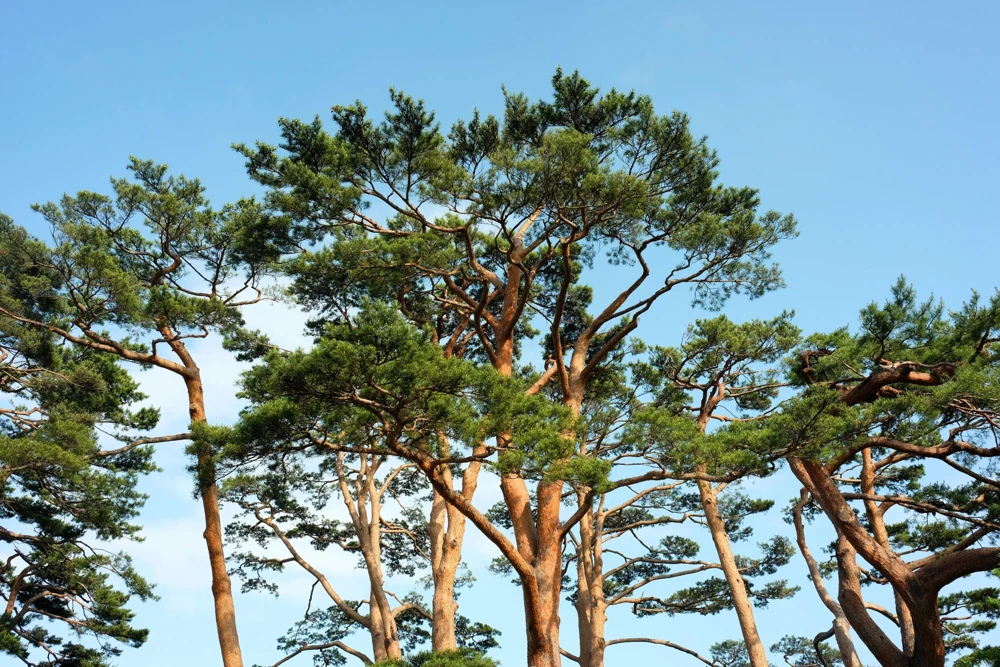
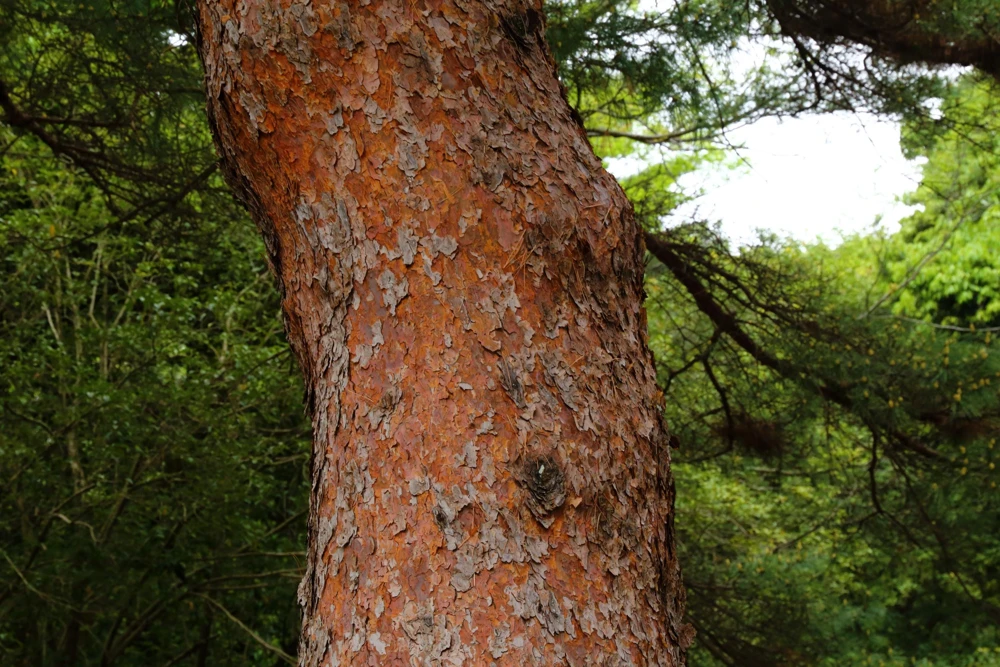
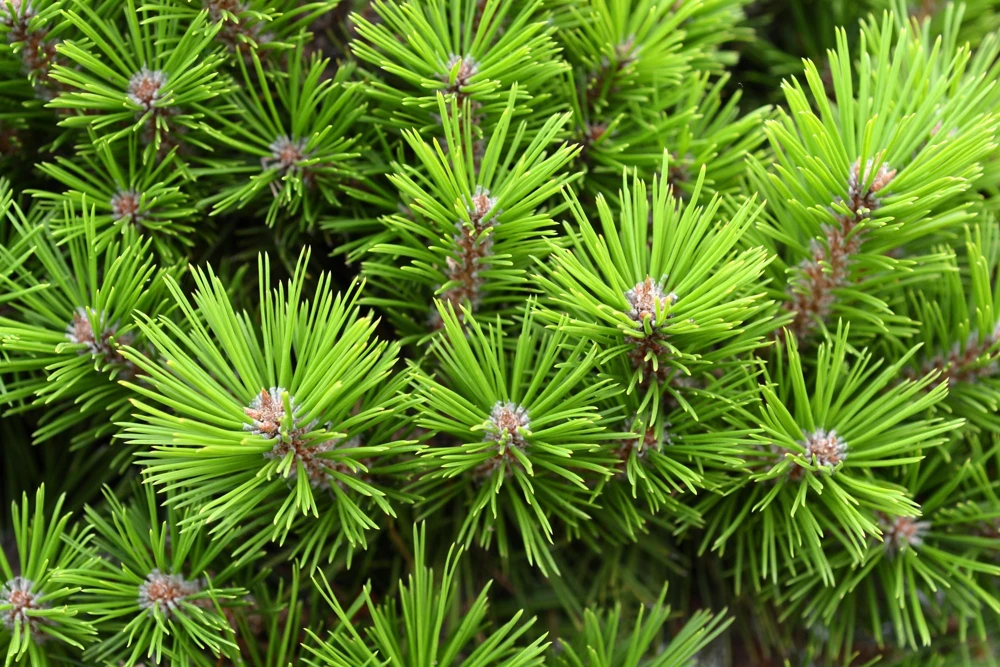
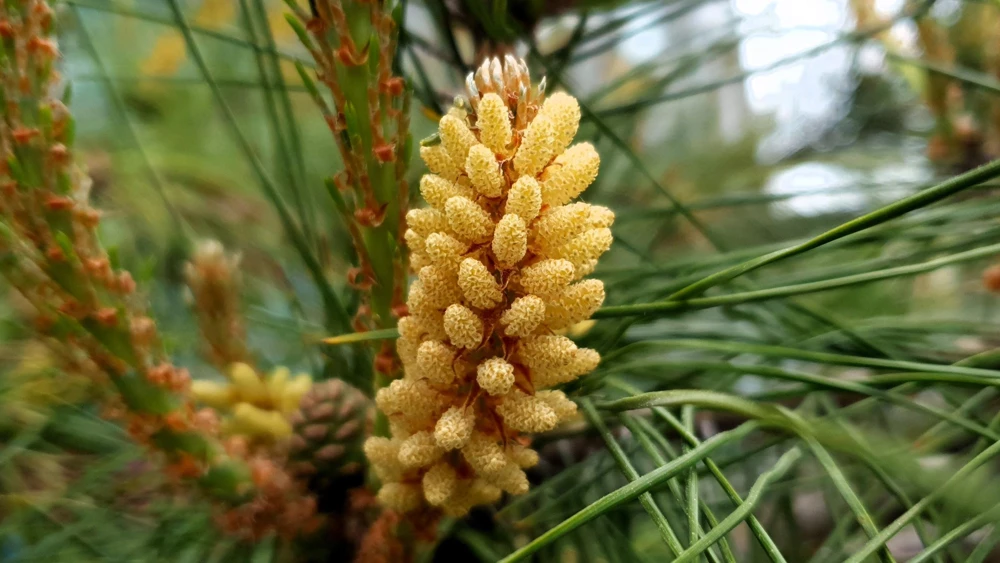
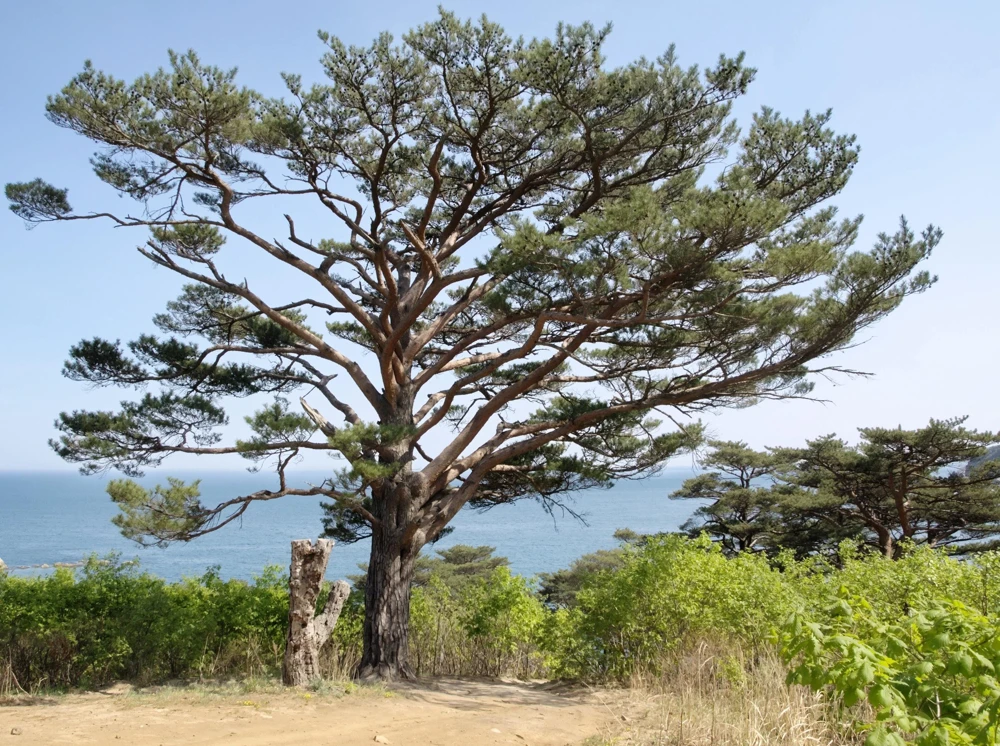
Embark on a rewarding gardening journey with Red Japanese Pine Tree seeds, scientifically known as Pinus Densiflora. These exquisite evergreen seeds offer the opportunity to grow a distinctive tree celebrated for its bright green foliage and characteristically reddish bark. Originating from Japan and surrounding regions, the Red Japanese Pine is highly prized as an ornamental plant in gardens and is also valued for timber. While these conifers can reach impressive heights of up to 100 feet in their natural habitat, they typically grow to a more manageable size in domestic settings, adding elegance and structure to any landscape. The slow growth rate, approximately one foot per year, makes them an excellent choice for those looking to cultivate a long-term garden feature or a magnificent bonsai. Growing Pinus Densiflora seeds is a fulfilling experience for gardeners of all levels, leading to a resilient and beautiful tree.
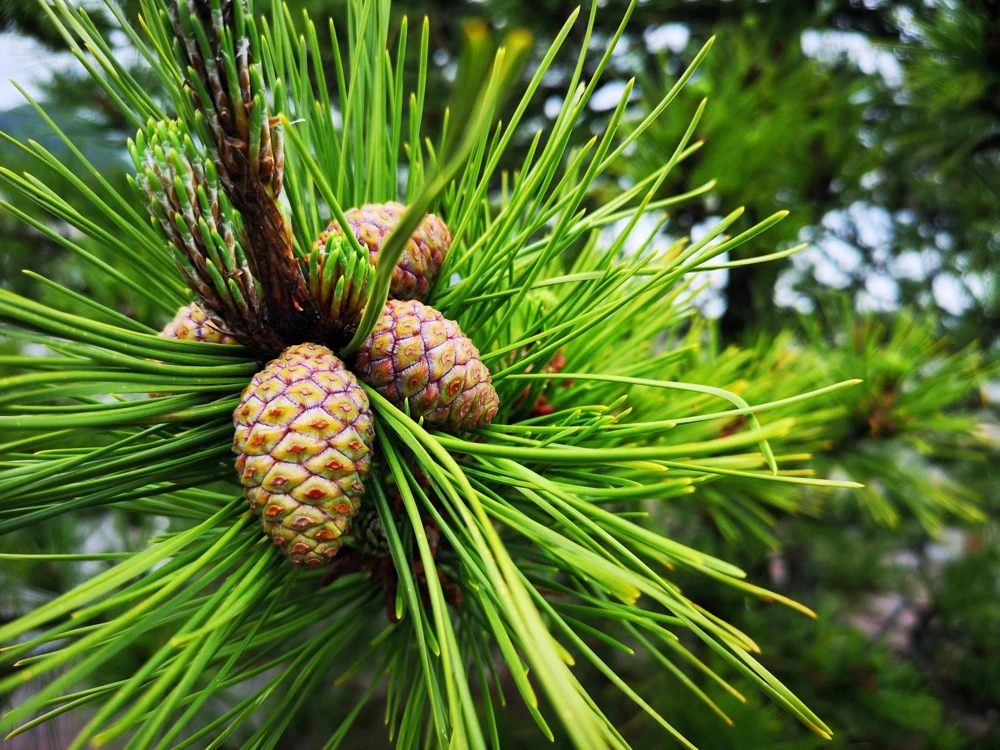
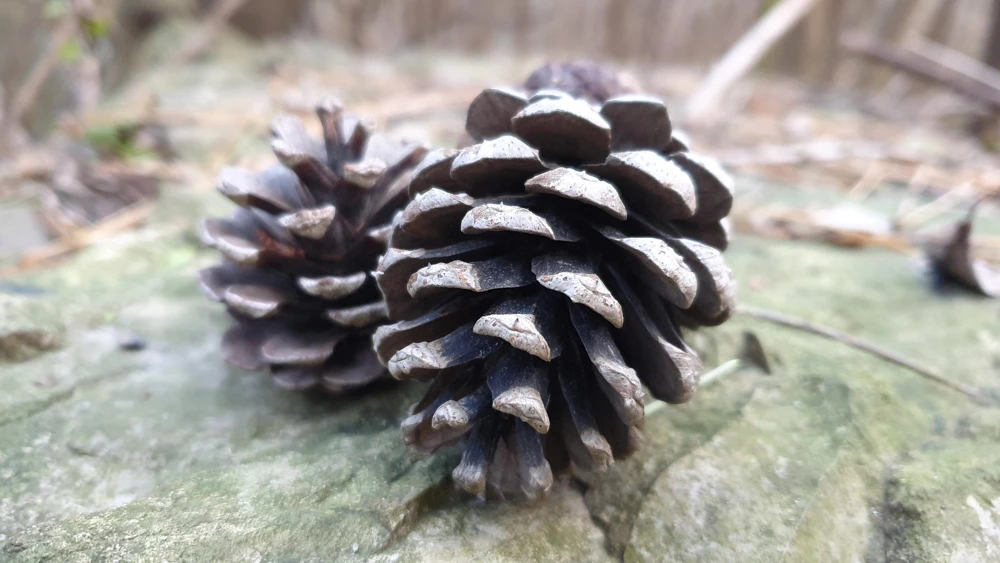
The Red Japanese Pine Tree seeds you receive are ready to be nurtured into majestic trees. Known for its multi-trunked habit and soft needles, this pine produces numerous small pinecones, adding to its aesthetic appeal throughout the year. Beyond its visual charm, the pine needle oil of Pinus Densiflora is traditionally known for various medicinal properties and uses, further enhancing its appeal as a valuable plant. Whether you aim to create a striking focal point in your garden or explore the intricate art of bonsai, these seeds provide the foundation for a truly special botanical endeavor. Understanding how to grow Japanese Red Pine successfully begins with quality seeds and proper care.
Key Benefits
The Red Japanese Pine Tree seeds offer numerous advantages for gardeners seeking to enhance their outdoor spaces or cultivate unique plants. These seeds grow into robust trees with distinct characteristics and versatile uses, making them a superb choice for various landscaping and horticultural projects.
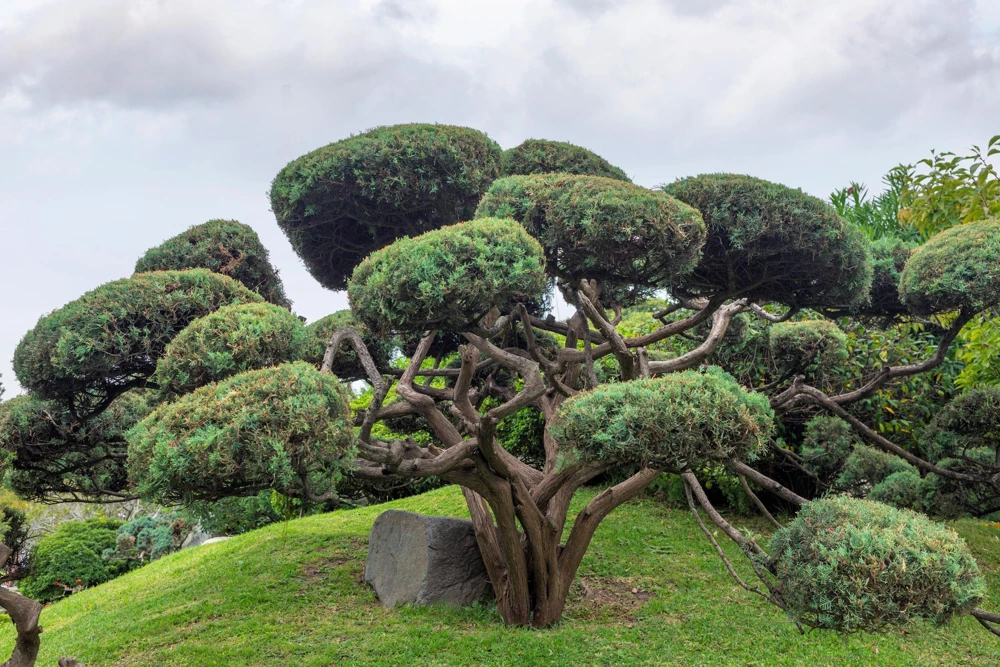
- Stunning Ornamental Value: The bright green evergreen foliage and reddish bark provide year-round visual interest, making it a beautiful addition to any garden or landscape design. Its multi-trunked form adds unique character.
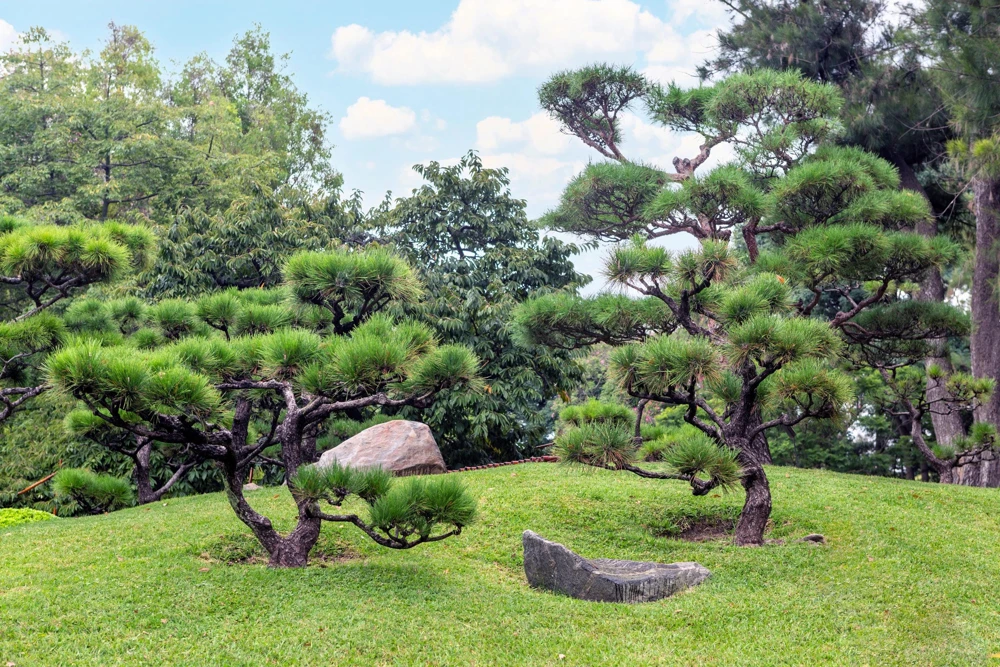
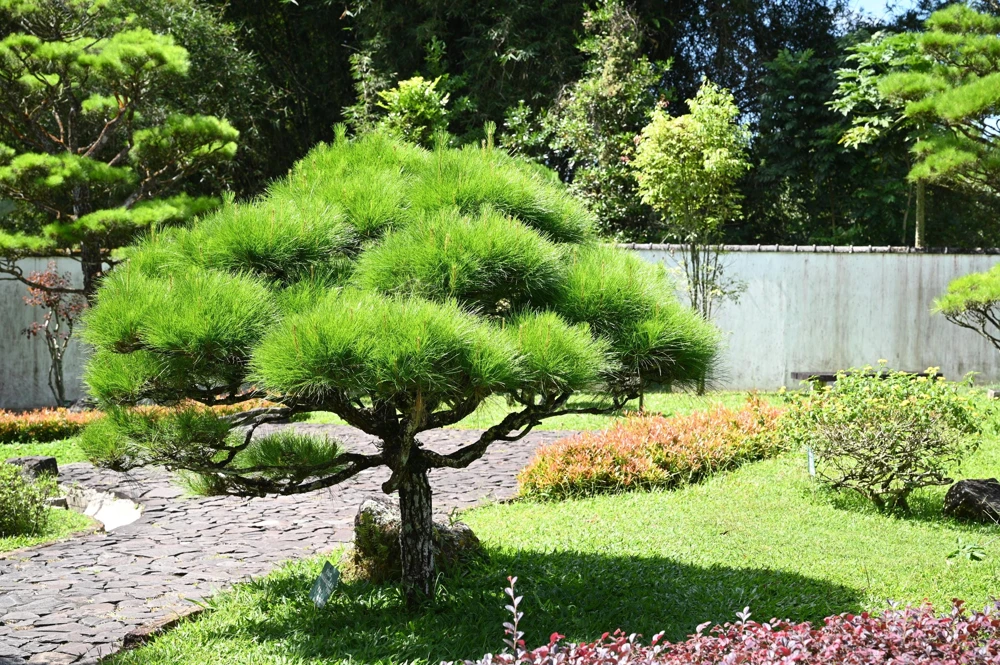
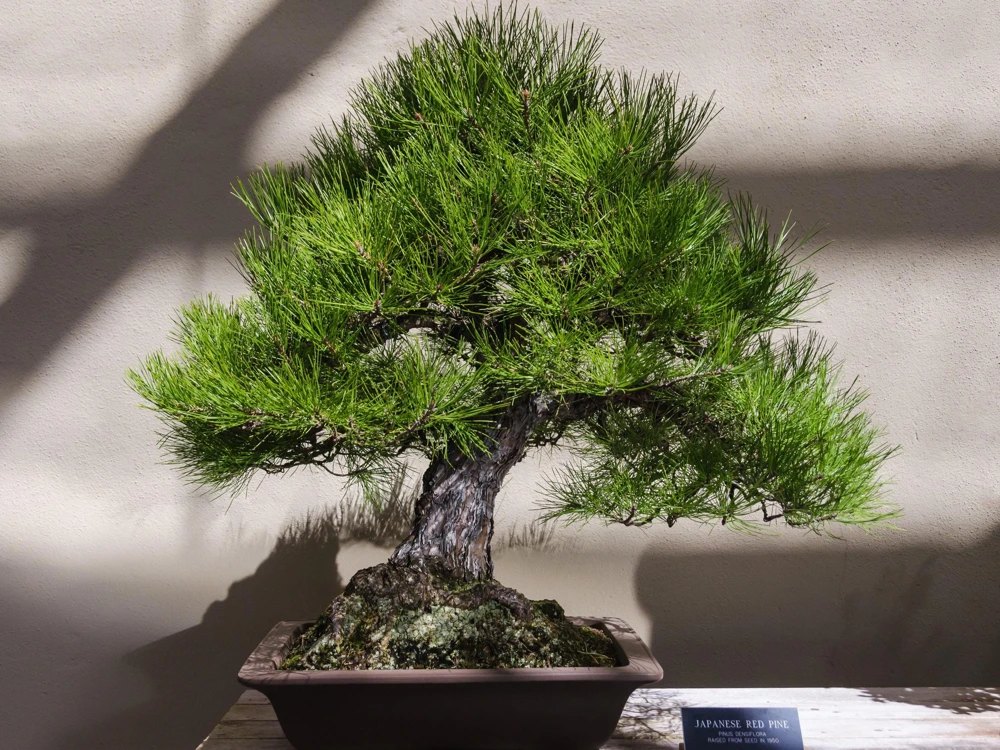
- Bonsai Specimen Potential: Due to its relatively slow growth rate and adaptable nature, Pinus Densiflora seeds are highly sought after by bonsai enthusiasts, allowing for the creation of intricate and long-lived miniature trees.
- Hardy and Adaptable: Thrives in USDA Hardiness Zones 3-7, with reports of success up to Zone 9, demonstrating excellent resilience to varying climates and average soil conditions.
- Low Maintenance Evergreen: Once established, the Red Japanese Pine Tree requires minimal care, providing enduring beauty without constant attention, perfect for busy gardeners.
- Wildlife Attraction: The small pinecones produced by the tree can attract various small wildlife, enhancing biodiversity in your garden.
- Medicinal Properties: The pine needle oil is traditionally recognized for its potential medicinal uses, adding another layer of interest to this versatile tree.
- Long-Term Investment: Growing these seeds offers a long-term investment in your landscape, as the trees can live for many decades, maturing into impressive specimens.
Plant Care & Growing Tips
Successfully cultivating Red Japanese Pine Tree seeds requires attention to specific environmental conditions and care practices. These seeds can be planted outdoors after the last frost or started indoors several weeks before the last frost. For optimal germination, cold stratification is recommended, mimicking natural winter conditions. This can be achieved by placing the seeds in a moist medium (like sand or peat) in a refrigerator for a period before planting. Once germinated, providing the right light, soil, and water will ensure your Pinus Densiflora seeds develop into healthy trees.
For light requirements, the Red Japanese Pine Tree prefers full sun to part shade. Ensure it receives at least 6 hours of direct sunlight daily for robust growth. In terms of soil and water, average conditions are typically sufficient. The tree is not overly particular about soil type but thrives in well-draining soil. Avoid waterlogged conditions, as this can be detrimental to pine roots. Water regularly during the initial establishment phase, then reduce frequency, allowing the soil to dry out slightly between waterings. Fertilization is generally not heavily required for established trees, but a balanced slow-release fertilizer can be beneficial for young seedlings to encourage strong development. Pay attention to common pine issues like needle blight or pest infestations and address them promptly with appropriate organic or chemical treatments.
The hardiness of the Red Japanese Pine Tree makes it suitable for USDA Zones 3-7, with some reports of successful growth up to Zone 9. This wide range indicates its adaptability to various temperate climates. Protecting young seedlings from extreme cold or harsh winds during their first winter can significantly increase their survival rate. As they mature, these trees become quite resilient. Regular pruning can help maintain shape, especially if you are cultivating a bonsai specimen or wish to manage its size in a garden setting. Proper care for your evergreen tree seeds will result in a magnificent and long-lasting addition to your garden.
Size & Details
Each order contains 10 Red Japanese Pine Tree seeds, providing ample opportunity to start your own collection of these beautiful evergreens. These seeds will grow into trees that can reach a mature height of 40 feet or more in domestic settings, though they can grow up to 100 feet in nature. The growth rate is approximately one foot per year, making it a relatively slow-growing tree. When planting, consider a spacing of 20 to 40 feet between trees to allow for adequate growth and spread. These trees are well-suited for a variety of landscapes, from large gardens to more contained spaces where their growth can be managed for ornamental purposes or bonsai. The seeds are packaged to ensure viability upon arrival, ready for your planting efforts.
The Red Japanese Pine Tree seeds are shipped as raw, un-germinated seeds, requiring stratification and proper planting techniques. They are ideal for gardeners who enjoy the process of growing from scratch. The hardiness zone for this species ranges from USDA 3 to 7, with some success reported in Zone 9, indicating its adaptability to various North American climates. The mature tree will feature bright green, evergreen needles and distinctive reddish bark, providing year-round aesthetic appeal. Whether you plan to cultivate a towering landscape tree or a meticulously shaped bonsai, these seeds offer the potential for a truly remarkable plant.
Frequently Asked Questions
- Q: How big does this Red Japanese Pine Tree get? A: In cultivation, the Red Japanese Pine Tree typically grows to a height of 40 feet or more, though in its natural habitat, it can reach up to 100 feet. Its growth rate is about one foot per year.
- Q: Is this an indoor or outdoor plant? A: The Red Japanese Pine Tree is primarily an outdoor plant, suited for landscapes and gardens. It can also be cultivated indoors as a bonsai specimen with appropriate care and light conditions.
- Q: How much sunlight do these Pinus Densiflora seeds need? A: These trees thrive in full sun to part shade, requiring at least 6 hours of direct sunlight daily for optimal growth and health.
- Q: Is this plant easy to care for? A: Once established, the Red Japanese Pine Tree is relatively low maintenance. The initial stages of growing from seeds require specific attention to germination and early care, but mature trees are quite resilient.
- Q: What condition will the Red Japanese Pine Tree seeds arrive in? A: The seeds will arrive as raw, un-germinated seeds, ready for your chosen stratification and planting methods.
- Q: How long until the seeds germinate and grow? A: Germination times can vary, but with proper cold stratification, you can expect to see sprouts within several weeks. The trees grow approximately one foot per year.
- Q: Will this tree survive winter in my zone? A: The Red Japanese Pine Tree is hardy in USDA Zones 3-7 and has been reported to survive in Zone 9, making it suitable for a wide range of winter climates.
- Q: Can I use these seeds to grow a bonsai? A: Yes, these bonsai pine seeds are an excellent choice for cultivating bonsai specimens due to the tree’s slow growth rate and multi-trunked habit.
- Q: What type of soil do Red Japanese Pine Tree seeds prefer? A: These trees prefer average, well-draining soil. They are not overly particular but avoid heavy, waterlogged conditions.
- Q: When is the best time to plant these evergreen tree seeds? A: You can plant the seeds outdoors after the last frost or start them indoors several weeks before the last frost, following cold stratification.
Be the first to review “10 Red Japanese Pine Tree Seeds – Pinus Densiflora Evergreen, Hardy Zones 3-7”
Related products


You May Like
5 Best Bulbs for Fall Planting: Brighten Your Garden This Spring
Are you dreaming of a garden full of vibrant colors in the spring? The key [...]
Aug
How to Repot Houseplants Like a Pro
Do your houseplants look like they’ve outgrown their pots? Are their roots popping out of [...]
Aug
10 Houseplants That Will Thrive in Your Kitchen
Are you tired of your kitchen feeling dull and lifeless? Want to add a little [...]
Aug
Reviews
There are no reviews yet.