



20 Cinderella Milkweed Seeds – Magenta Pink Asclepias Incarnata
Original price was: 32.99 $.12.99 $Current price is: 12.99 $.
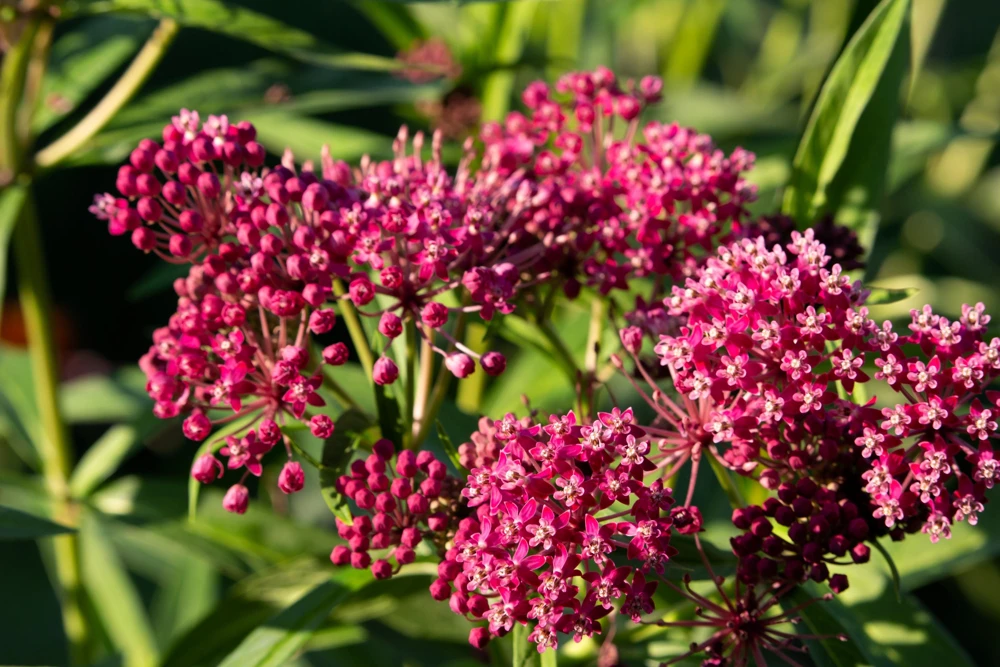
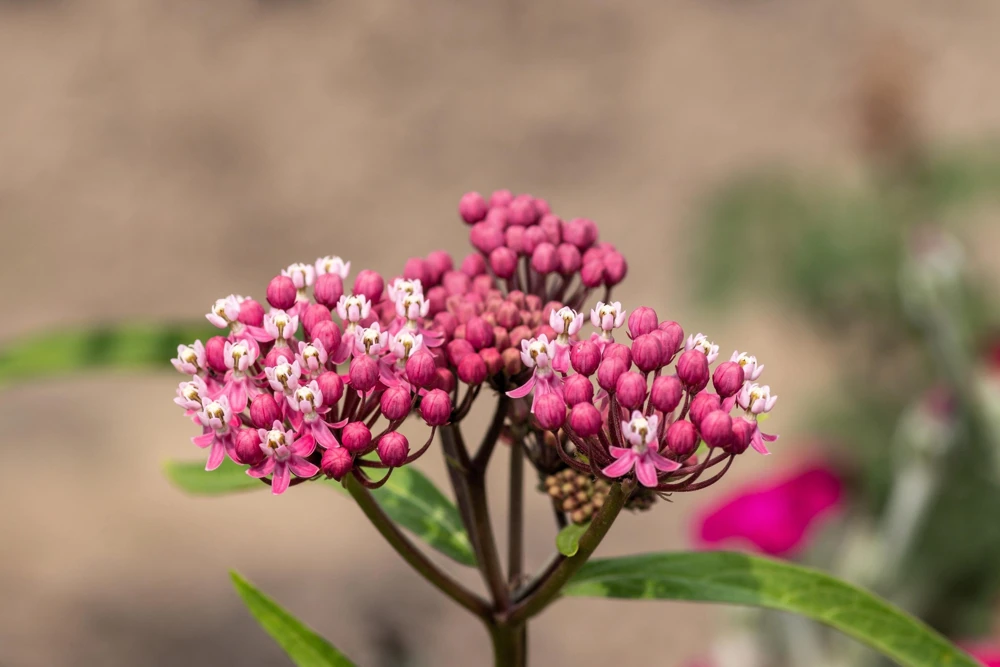
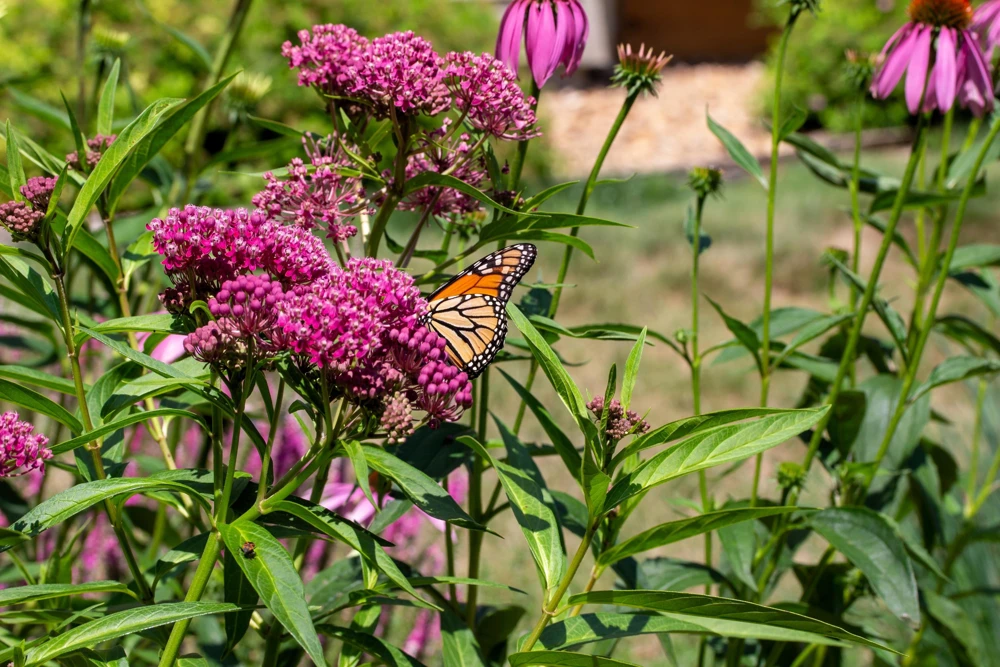
Cultivate stunning cinderella milkweed seeds (Asclepias incarnata) with this pack of 20 high-quality seeds. Enjoy vibrant magenta pink flowers that attract essential pollinators like monarch butterflies to your garden. Perfect for creating a beautiful and eco-friendly outdoor space.
Estimated arrival
Sep 19
Sep 24 - Sep 26
Sep 26 - Oct 01
See our Shipping Policy.
Get in touch with us via email, and our team will review your concerns.
Our Alive & Thrive Guarantee covers issues with your plants within the first 30 days. Read our Refund & Returns Policy.
-
USDA Hardiness Zone
3-9 -
Soil Type
Moist to wet, rich, fertile soil -
Sunlight Exposure
Full sun -
Expected Planting Period
Spring after last frost (after stratification)
Overview
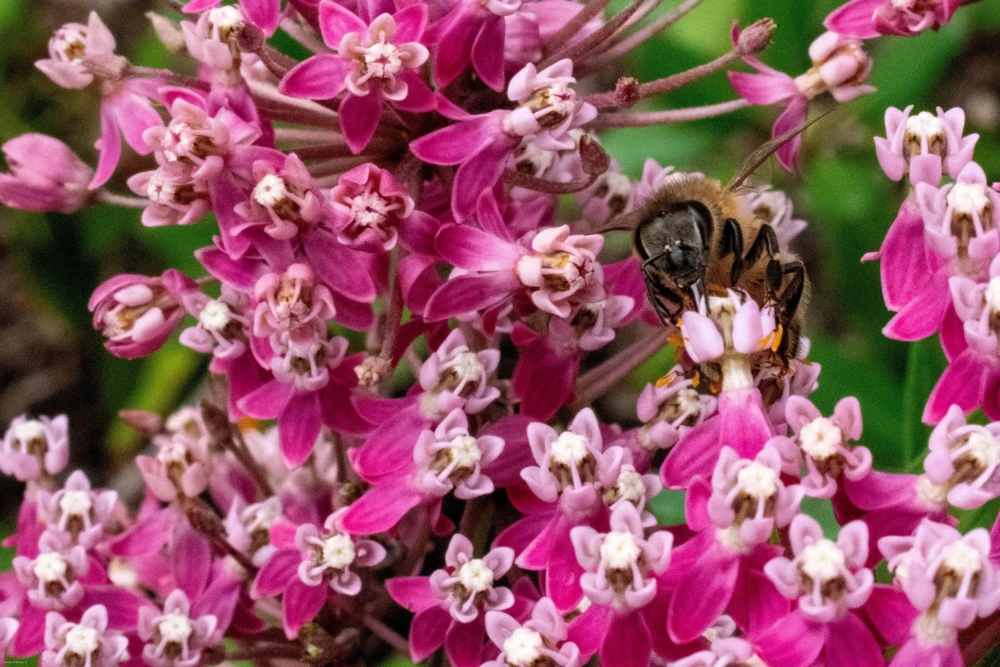
Embark on a rewarding gardening journey with our premium pack of cinderella milkweed seeds. These 20 seeds of Asclepias incarnata, commonly known as Swamp Milkweed, will transform your garden into a haven for pollinators. The ‘Cinderella’ variety is celebrated for its striking magenta pink to purple flowers, which bloom profusely throughout the summer. As a vital host plant for monarch butterfly caterpillars, planting these seeds directly contributes to the conservation of these magnificent insects. This perennial native to North America thrives in various conditions and is an excellent choice for rain gardens, borders, or naturalized areas, adding both beauty and ecological value to your landscape.
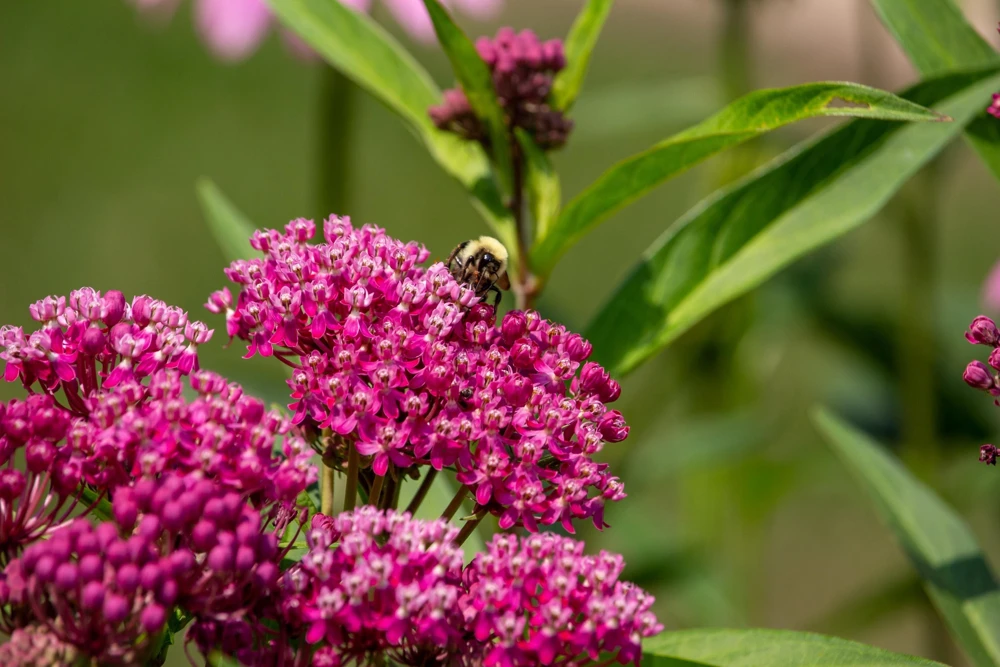
Cinderella milkweed seeds are an excellent choice for gardeners looking to support local ecosystems while enjoying a burst of vibrant color. The robust nature of Asclepias incarnata makes it a reliable performer, returning year after year with minimal fuss. Its upright growth habit and clusters of fragrant flowers make it a standout in any garden setting, attracting not only monarchs but also a wide array of other beneficial insects, including bees and hummingbirds. Growing your own asclepias incarnata seeds is a fulfilling experience, offering the unique joy of watching your garden come alive with nature.
Key Benefits
Planting cinderella milkweed seeds offers a multitude of benefits for both your garden and the environment. These advantages extend beyond mere aesthetics, contributing to a healthier and more vibrant ecosystem:
- Supports Monarch Butterflies: Asclepias incarnata is a crucial host plant for monarch butterfly caterpillars, providing the sole food source they need to develop. By planting these milkweed for monarchs seeds, you directly aid in the conservation of this iconic species.
- Attracts Pollinators: The nectar-rich flowers of Cinderella Milkweed are a magnet for various pollinators, including bees, hummingbirds, and other beneficial insects, promoting biodiversity in your garden.
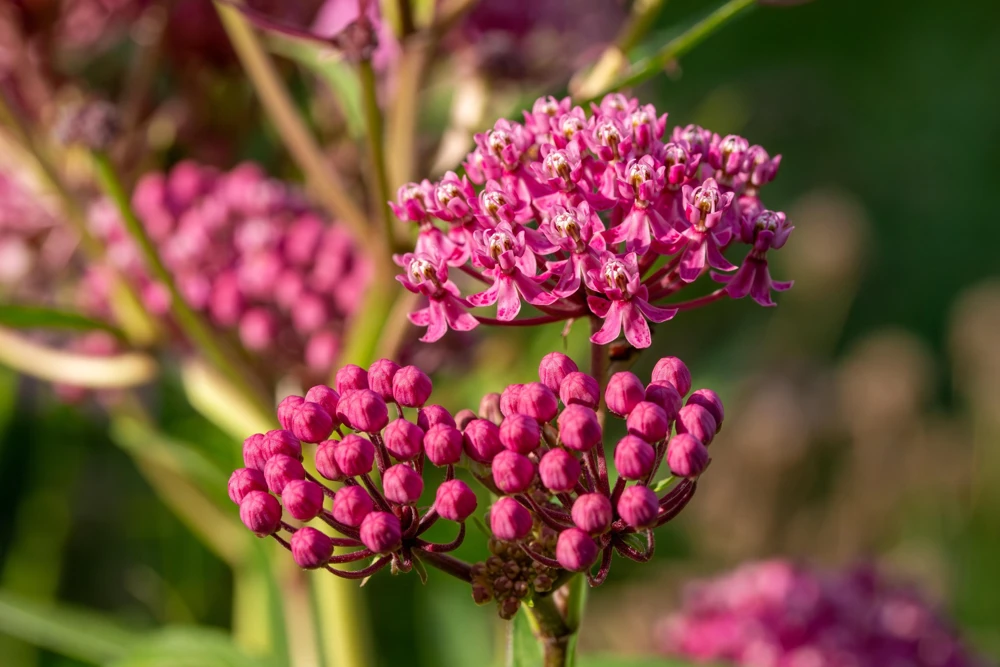
- Vibrant Floral Display: Enjoy abundant clusters of beautiful magenta pink to purple flowers that provide a stunning visual impact from mid-summer through early fall, adding a splash of intense color to your landscape.
- Low Maintenance: Once established, asclepias incarnata seeds grow into hardy, resilient plants that require minimal care, making them ideal for busy gardeners or those new to native plants.
- Deer Resistant: The milky sap of milkweed plants deters deer and other browsing animals, protecting your garden investment.
- Adapts to Various Conditions: While preferring moist to wet soils, Cinderella Milkweed is surprisingly adaptable and can tolerate average garden conditions, making it versatile for different garden types.
- Native Plant Benefits: As a native species, it is well-suited to local climates and soils, requiring less water and fewer inputs than non-native alternatives, contributing to a sustainable garden.
Plant Care & Growing Tips
Successfully growing cinderella milkweed seeds begins with proper planting and ongoing care. These plants are relatively easy to establish and maintain, especially when their basic needs are met. For optimal germination, a period of cold stratification (simulating winter conditions) is recommended. You can achieve this by placing the seeds in a moist paper towel inside a plastic bag in your refrigerator for 30-60 days before planting. Once stratified, sow the seeds directly outdoors in spring after the last frost, or start them indoors 6-8 weeks before transplanting.
Sunlight requirements: Cinderella Milkweed thrives in full sun, meaning at least 6 hours of direct sunlight per day. While it can tolerate partial shade, flowering will be less prolific. Ensure your chosen planting site receives ample light for the best performance. Watering schedule and soil moisture preferences: As its common name “Swamp Milkweed” suggests, this plant prefers consistently moist to wet soil. It is an excellent choice for areas with poor drainage or near water features. Regular watering is crucial, especially during dry spells and in its establishment phase. Once mature, it can tolerate short periods of drought but will perform best with consistent moisture.
Soil type and drainage requirements: While it prefers moist to wet conditions, magenta milkweed also appreciates rich, fertile soil. It can tolerate a range of soil types from clay to loam, as long as there is adequate moisture. Good drainage is less critical for this species compared to other milkweeds, given its natural habitat. Temperature range and USDA hardiness zone: Asclepias incarnata is hardy in USDA Zones 3-9, making it suitable for a wide range of climates across the United States. It is a perennial that will die back to the ground in winter and re-emerge in spring. Fertilization schedule and type: Generally, Cinderella Milkweed does not require heavy fertilization. If your soil is poor, a balanced, slow-release granular fertilizer applied in early spring can be beneficial. Avoid over-fertilizing, as this can lead to lush foliage at the expense of flowers. Common problems and solutions: Aphids can sometimes be an issue; a strong spray of water or insecticidal soap can manage them. Ensure good air circulation to prevent fungal diseases. Providing a healthy environment will help your pink milkweed seeds flourish.
Size & Details
When mature, plants grown from cinderella milkweed seeds typically reach a height of 3 to 5 feet with a spread of 2 to 3 feet, forming an upright, bushy clump. The growth rate is moderate, with plants establishing well in their first year and reaching full size in subsequent seasons. These seeds are provided in a pack of 20, ensuring you have enough to start a significant patch or distribute throughout your garden. The plant produces multiple stems from its base, each topped with large, flat-topped clusters of fragrant, star-shaped flowers that are a delightful shade of magenta pink to purple.
The bloom period for magenta milkweed typically extends from July through September, offering a long season of color and pollinator activity. The foliage consists of lance-shaped, dark green leaves that provide an attractive backdrop to the vibrant blooms. After flowering, distinctive seed pods form, which eventually split open to release seeds attached to silky white tufts, allowing for natural reseeding. This natural reseeding can help expand your milkweed patch over time, further benefiting monarch populations. These seeds are ready for cold stratification and planting to begin your journey of growing beautiful and beneficial milkweed.
Frequently Asked Questions
- Q: How big does Cinderella Milkweed get? A: Cinderella Milkweed typically grows to a height of 3 to 5 feet and can spread 2 to 3 feet wide. It forms an upright, bushy clump, making it a prominent feature in the garden.
- Q: Is this an indoor or outdoor plant? A: Cinderella milkweed seeds are intended for outdoor cultivation. Asclepias incarnata is a hardy perennial native to North America and thrives in garden settings, supporting local ecosystems.
- Q: How much sunlight does it need? A: This plant prefers full sun, meaning it needs at least 6 hours of direct sunlight per day to produce the most abundant flowers and robust growth. Partial shade can be tolerated but may result in fewer blooms.
- Q: Is this plant easy to care for? A: Yes, once established, Cinderella Milkweed is considered low maintenance. It is hardy and resilient, particularly when planted in conditions that meet its preference for moist soil and full sun. It’s an excellent choice for beginners.
- Q: What condition will the seeds arrive in? A: You will receive 20 high-quality asclepias incarnata seeds in a protective packet, ready for stratification and planting. They are carefully packaged to ensure viability upon arrival.
- Q: When is the best time to plant Cinderella Milkweed seeds? A: After a period of cold stratification, the best time to sow pink milkweed seeds directly outdoors is in the spring after the last frost. For earlier blooms, you can start them indoors 6-8 weeks prior to the last frost date.
- Q: Will it survive winter in my zone? A: Yes, Cinderella Milkweed is hardy in USDA Zones 3-9. It is a perennial plant that will die back to the ground in colder months and reliably re-emerge in spring, growing back from its roots.
- Q: What kind of soil does Cinderella Milkweed prefer? A: Magenta milkweed prefers consistently moist to wet, rich, fertile soil. It can tolerate various soil types, including clay, loam, and sandy soils, as long as moisture is abundant.
- Q: Can I use these seeds to attract monarch butterflies? A: Absolutely! Growing milkweed for monarchs is one of the primary reasons gardeners choose this plant. It is a crucial host plant for monarch caterpillars and a vital nectar source for adult butterflies.
- Q: Do I need to stratify these seeds? A: Yes, cold stratification is highly recommended for cinderella milkweed seeds to improve germination rates. Place them in a moist paper towel in the refrigerator for 30-60 days before planting.
Be the first to review “20 Cinderella Milkweed Seeds – Magenta Pink Asclepias Incarnata”
Related products


Flower Seeds
Blue Stock Matthiola Incana Seeds – 50 Fragrant Gillyflower Seeds – Ten-Week Blue Stock

You May Like

5 Best Bulbs for Fall Planting: Brighten Your Garden This Spring
Are you dreaming of a garden full of vibrant colors in the spring? The key [...]
Aug

How to Repot Houseplants Like a Pro
Do your houseplants look like they’ve outgrown their pots? Are their roots popping out of [...]
Aug

10 Houseplants That Will Thrive in Your Kitchen
Are you tired of your kitchen feeling dull and lifeless? Want to add a little [...]
Aug
Reviews
There are no reviews yet.