


30 Japanese Red Rose Seeds – Rosa Rugosa Rubra – Fragrant Flower Seeds
Original price was: 32.99 $.12.99 $Current price is: 12.99 $.
Cultivate stunning and fragrant Japanese Red Rose seeds (Rosa Rugosa Rubra), known for their vibrant magenta blooms. These hardy plants are perfect for creating beautiful garden displays and attracting pollinators. Each pack contains 30 fragrant rose seeds.
Estimated arrival
Sep 18
Sep 23 - Sep 25
Sep 25 - Sep 30
See our Shipping Policy.
Get in touch with us via email, and our team will review your concerns.
Our Alive & Thrive Guarantee covers issues with your plants within the first 30 days. Read our Refund & Returns Policy.
-
USDA Hardiness Zone
2 - 9 -
Soil Type
Average, well-draining soil -
Sunlight Exposure
Full sun - Part shade -
Expected Planting Period
Fall sow or cold stratify for spring planting
Overview
Embark on a rewarding gardening journey with Japanese Red Rose seeds, offering the promise of vibrant beauty and intoxicating fragrance. Scientifically known as Rosa Rugosa Rubra, these exceptional roses are celebrated for their striking magenta blooms that can be single, semi-double, or double, adding a splash of color to any landscape. Originating from East Asia, the Rosa Rugosa Rubra seeds are a fantastic choice for gardeners seeking a resilient and visually appealing plant. These roses are not only beautiful but also incredibly hardy, thriving across a wide range of climates and requiring minimal fuss once established. They are continuous or repeat bloomers, ensuring a long season of enjoyment from spring through late summer. Their robust nature makes them an excellent option for creating hedges, borders, or as standalone specimens in your garden.
The allure of the Japanese Red Rose seeds extends beyond their visual charm. Their intensely fragrant flowers are a delight, commonly used in potpourri and as exquisite cut flowers that can last up to two weeks. These roses also produce large, ornamental rose hips in late summer and fall, often simultaneously with new blooms, providing additional visual interest and a food source for birds. The foliage undergoes a stunning transformation in autumn, turning a brilliant yellow that creates a spectacular fall display. Planting hardy rose seeds like these allows you to cultivate a garden that not only captivates the senses but also supports local wildlife, attracting bees and butterflies.
Key Benefits
Growing Japanese Red Rose seeds offers a multitude of advantages for both novice and experienced gardeners, enhancing any outdoor space with their unique characteristics and ease of care. These are truly exceptional plants that provide long-lasting beauty and ecological value.
- Vibrant & Continuous Blooms: Enjoy a prolonged display of large, 3-inch wide magenta flowers from spring to late summer. The continuous blooming habit ensures your garden remains colorful and lively throughout the warmer months, making these fragrant rose seeds a garden favorite.
- Intensely Fragrant: The rich, captivating scent of the Japanese Red Rose is perfect for enhancing your garden’s aroma, creating soothing potpourri, or bringing fresh fragrance indoors as cut flowers. Their strong perfume is a signature trait of the Rosa Rugosa Rubra seeds.
- Exceptional Hardiness: These roses are incredibly resilient, tolerating temperatures as low as -50 degrees F and thriving in USDA Zones 2-9. This makes them an ideal choice for a wide variety of climates, ensuring your hardy rose seeds will flourish.
- Attracts Pollinators & Wildlife: The appealing blooms draw in bees and butterflies, contributing to a healthy ecosystem. The large rose hips provide a valuable food source for birds in the fall, making your garden a haven for local wildlife.
- Ornamental Rose Hips & Fall Foliage: Beyond their flowers, these roses offer decorative large hips and stunning bright yellow fall foliage, extending their visual interest well into the cooler seasons. This adds multi-seasonal appeal to your garden.
- Low Maintenance: Once established, the Japanese Red Rose is relatively easy to care for, requiring average soil and water preferences. This makes them a great choice for gardeners looking for beautiful, yet undemanding, plants.
- Versatile Use: Ideal for hedges, borders, specimen planting, or as a source for cut and dried flowers. The robust nature of the red rugosa rose allows for diverse applications in garden design.
Plant Care & Growing Tips
Caring for your Japanese Red Rose seeds involves a few key steps to ensure robust growth and abundant blooms. Starting with proper planting, fall sowing is recommended, or you can cold stratify the seeds before planting in spring. Once germinated, these plants prefer a location with ample sunlight, ideally receiving full sun to part shade. Aim for at least 6 hours of direct sunlight daily for the best flowering performance. While adaptable, well-draining soil is crucial to prevent root rot. An average garden soil enriched with some organic matter will provide an excellent foundation for your Rosa Rugosa Rubra seeds to thrive. Ensure good air circulation around the plants to minimize disease.
Watering requirements for the Japanese Red Rose seeds are moderate. They prefer average moisture levels and are quite drought-tolerant once established. Water deeply when the top inch of soil feels dry, especially during prolonged dry spells or in their first year of growth. Avoid overwatering, as this can lead to issues. Fertilize in early spring with a balanced slow-release fertilizer or a rose-specific formula to encourage vigorous growth and prolific blooming. Pruning is best done in late winter or early spring to remove dead or weak wood and to shape the plant. These hardy rose seeds are known for their resilience, but keeping an eye out for common rose pests like aphids or diseases like black spot can help maintain their health. Address any issues promptly with appropriate organic or chemical treatments.
The red rugosa rose is particularly cold hardy, capable of withstanding temperatures down to -50 degrees F, making it suitable for USDA Zones 2-9. This exceptional cold tolerance means that in most regions of the US, winter protection is not typically required, especially for established plants. However, in extremely harsh conditions or for newly planted seedlings, a layer of mulch around the base can provide extra insulation. Ensure good soil drainage, as standing water in winter can be detrimental. With proper care, your Japanese Red Roses will reward you with years of beautiful, fragrant blooms and striking fall foliage, truly embodying the beauty of fragrant rose seeds.
Size & Details
This offering includes 30 Japanese Red Rose seeds, providing an excellent start to cultivating these magnificent plants. Once established, these roses typically grow to a height of 6 to 9 feet, forming a dense, shrubby bush with a spread of 4 to 6 feet. They are vigorous growers, quickly establishing themselves in the garden. The seeds will develop into mature plants producing large, 3-inch wide flowers. Bloom time extends from spring through late summer, with continuous or repeat flowering ensuring a long season of interest. The plant will develop substantial rose hips in the late summer and fall, adding to its ornamental value. These Rosa Rugosa Rubra seeds are shipped in a standard seed packet, ready for fall sowing or cold stratification for spring planting. Expect initial growth in the first season, with more prolific blooming in subsequent years as the plant matures.
Frequently Asked Questions
- Q: How big do these Japanese Red Rose plants get? A: Once mature, the Japanese Red Rose seeds will grow into plants that typically reach a height of 6 to 9 feet and spread 4 to 6 feet wide, forming a robust shrub.
- Q: How much sunlight do Japanese Red Roses need? A: These roses thrive in full sun to part shade conditions, ideally receiving at least 6 hours of direct sunlight per day for optimal flowering.
- Q: Is this an indoor or outdoor plant? A: The Japanese Red Rose seeds are intended for outdoor cultivation, as they are a hardy shrub rose that requires significant space and sunlight.
- Q: When is the best time to plant these rose seeds? A: It is recommended to fall sow the hardy rose seeds, or cold stratify them and plant in the spring after the last frost.
- Q: How long until the Japanese Red Rose blooms from seed? A: While germination can occur in the first spring after planting, significant blooming from Rosa Rugosa Rubra seeds typically begins in the second or third year as the plant establishes itself.
- Q: Are these roses fragrant? A: Yes, the red rugosa rose is famously known for its very fragrant flowers, making it a popular choice for potpourri and cut flower arrangements.
- Q: What USDA Hardiness Zones are suitable for these roses? A: These extremely cold-hardy roses are suitable for USDA Zones 2 through 9, tolerating temperatures as low as -50 degrees F.
- Q: What type of soil do Japanese Red Roses prefer? A: They prefer average, well-draining soil. Amending with organic matter can improve soil structure and fertility for the fragrant rose seeds.
- Q: Do these roses produce rose hips? A: Yes, the Japanese Red Rose produces large, ornamental rose hips in late summer and fall, which are also enjoyed by birds.
- Q: Are these roses easy to care for? A: Yes, once established, the Japanese Red Rose seeds grow into relatively low-maintenance plants due to their hardiness and adaptability.
Be the first to review “30 Japanese Red Rose Seeds – Rosa Rugosa Rubra – Fragrant Flower Seeds”
Related products


Flower Seeds


You May Like
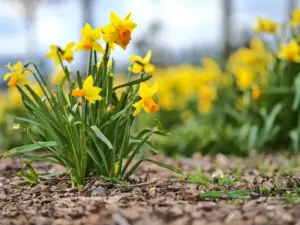
5 Best Bulbs for Fall Planting: Brighten Your Garden This Spring
Are you dreaming of a garden full of vibrant colors in the spring? The key [...]
Aug
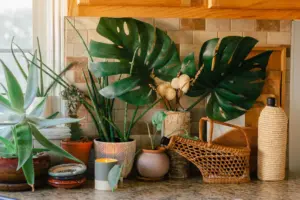
How to Repot Houseplants Like a Pro
Do your houseplants look like they’ve outgrown their pots? Are their roots popping out of [...]
Aug
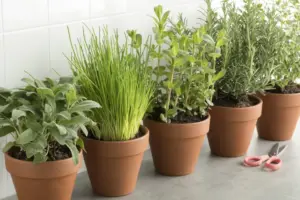
10 Houseplants That Will Thrive in Your Kitchen
Are you tired of your kitchen feeling dull and lifeless? Want to add a little [...]
Aug
Reviews
There are no reviews yet.