


300 Sweet Coneflower Seeds – Rudbeckia Subtomentosa Yellow Black Eyed Susan
Original price was: 32.99 $.12.99 $Current price is: 12.99 $.
Discover the joy of growing sweet coneflower seeds (Rudbeckia Subtomentosa), also known as black eyed susan seeds. Each packet contains 300 seeds to cultivate vibrant yellow flowers with dark brown centers, perfect for zones 3-8. These beautiful blooms attract pollinators and add a splash of color to any garden.
Estimated arrival
Sep 19
Sep 24 - Sep 26
Sep 26 - Oct 01
See our Shipping Policy.
Get in touch with us via email, and our team will review your concerns.
Our Alive & Thrive Guarantee covers issues with your plants within the first 30 days. Read our Refund & Returns Policy.
-
USDA Hardiness Zone
3 - 8 -
Soil Type
Average - Dry, well-draining -
Sunlight Exposure
Full Sun - Part Shade -
Expected Planting Period
Outdoors after frost / Fall / Cold stratify / Indoors weeks before last frost
Overview
Cultivate stunning garden displays with our premium sweet coneflower seeds. Also known by its scientific name, Rudbeckia Subtomentosa, or the charming common name Sweet Black Eyed Susan, this variety is celebrated for its cheerful yellow petals and distinctive dark brown centers. Our generous packet contains 300 seeds, providing ample opportunity to establish a thriving patch of these delightful wildflowers. Sweet Coneflowers are renowned for their robust nature and ability to flourish in a wide range of climates, making them a fantastic choice for gardeners seeking both beauty and resilience. These seeds promise to transform your outdoor space into a haven for beneficial insects and a spectacle of natural beauty, blooming consistently from late summer into fall.
The Rudbeckia subtomentosa seeds are easy to sow and require minimal fuss once established, making them ideal for both novice and experienced gardeners. Their bright, sun-kissed appearance brings a touch of wild elegance to borders, meadows, and cottage gardens. Expect mature plants to reach impressive heights, adding vertical interest and a layered look to your landscape. Embrace the natural charm and ecological benefits these flowers bring, enhancing biodiversity and providing nectar for bees and butterflies throughout their long blooming season.
Key Benefits
Growing sweet coneflower seeds offers a multitude of advantages for your garden and local ecosystem. These resilient flowers are not only beautiful but also contribute significantly to environmental health and garden aesthetics. Here are some key benefits you can expect from cultivating these wonderful plants:
- Pollinator Attraction: The vibrant yellow blooms and nectar-rich centers of sweet coneflower seeds are a magnet for bees, butterflies, and other beneficial pollinators, helping to support local ecosystems and improve garden productivity.
- Long Blooming Season: Enjoy a continuous display of cheerful yellow flowers from August through October, providing extended color and interest when many other plants begin to fade.
- Drought Tolerance: Once established, Sweet Coneflowers are remarkably tolerant of dry conditions, making them an excellent choice for water-wise gardening and areas prone to drought.
- Low Maintenance: These plants are generally easy to care for, requiring minimal attention beyond initial planting and occasional watering. They are a perfect choice for gardeners seeking high impact with low effort.
- Versatile Landscaping: Their height and striking appearance make them suitable for various garden applications, including borders, mass plantings, wildflower meadows, and cutting gardens.
- Deer Resistant: Sweet Coneflowers are less appealing to deer compared to many other garden plants, offering a natural defense against common garden pests.
- Naturalizing Capabilities: These seeds are excellent for naturalizing, spreading gently to create beautiful, informal drifts of color that enhance a naturalistic garden design.
Plant Care & Growing Tips
Successfully growing sweet coneflower seeds begins with proper planting and understanding their basic needs. These hardy plants are quite forgiving, but a good start ensures a more robust and floriferous display. For germination, Rudbeckia subtomentosa seeds often benefit from cold stratification. You can achieve this by planting them outdoors in the fall, allowing winter’s cold to naturally break dormancy, or by placing seeds in a moist medium in the refrigerator for several weeks before indoor planting. Indoors, sow seeds weeks before the last frost for an earlier bloom.
Once established, Sweet Coneflowers prefer a location with full sun to part shade, meaning they thrive with at least 6 hours of direct sunlight per day. While they can tolerate some shade, full sun promotes the most abundant flowering. They are adaptable to a variety of soil types but perform best in average to dry soils with good drainage. Avoid overly wet conditions, as this can lead to root rot. Water regularly after planting until the plants are established, then they become quite drought-tolerant. In their hardiness zones of 3-8, they are perennial and will return year after year, providing reliable beauty.
Plant spacing is crucial for healthy growth; aim for 24-36 inches between plants to allow for ample air circulation and prevent overcrowding. Mature plants can reach up to 60 inches in height, so consider their mature size when choosing a planting location. Fertilization is generally not necessary in rich soils, but in poorer soils, a balanced, slow-release fertilizer can be applied in spring. Deadheading spent blooms can encourage more flowers and prevent excessive self-seeding, though allowing some seeds to mature will provide food for birds and ensure future generations of these beautiful yellow flower seeds.
Size & Details
This product includes 300 high-quality sweet coneflower seeds, providing a generous quantity for creating a stunning garden display. Each seed has the potential to grow into a robust plant, typically reaching an impressive height of up to 60 inches (5 feet). The mature plants will boast a spread of 24 to 36 inches, making them ideal for adding significant vertical interest and natural volume to your garden beds or wildflower areas. These Rudbeckia subtomentosa seeds are packaged for optimal viability, ready for planting to bring vibrant yellow hues and a touch of wild beauty to your landscape.
Sweet Coneflowers are known for their strong, upright growth habit and their ability to produce numerous blooms. Their long bloom time, from August to October, ensures a prolonged period of color in the late summer and early fall garden. These seeds are suitable for a wide range of climates, thriving in USDA Hardiness Zones 3 through 8. The resulting plants are low-maintenance and will provide a consistent, eye-catching presence in your outdoor space year after year.
Frequently Asked Questions
- Q: How tall do Sweet Coneflowers get? A: Sweet Coneflowers, grown from these sweet coneflower seeds, typically reach an impressive height of up to 60 inches (5 feet) when mature, adding significant vertical interest to your garden.
- Q: What are the light requirements for these seeds? A: These plants thrive in full sun to part shade. For the best blooming performance and strongest growth, aim for at least 6 hours of direct sunlight per day.
- Q: When is the best time to plant Sweet Coneflower seeds? A: You can plant these Rudbeckia subtomentosa seeds outdoors after the last frost in spring, or in the fall for natural cold stratification. For earlier blooms, start them indoors several weeks before the last expected frost.
- Q: Are these black eyed susan seeds suitable for attracting pollinators? A: Yes, Sweet Coneflowers are excellent for attracting a variety of pollinators, including bees and butterflies, making them a wonderful addition to a pollinator-friendly garden.
- Q: What kind of soil do Sweet Coneflowers prefer? A: They are adaptable but prefer average to dry soil conditions with good drainage. Avoid overly wet or waterlogged soils to prevent root issues.
- Q: How much space do I need between each plant? A: For optimal growth and air circulation, it’s recommended to space Sweet Coneflower plants 24 to 36 inches apart.
- Q: Are Sweet Coneflowers perennial? A: Yes, in USDA Hardiness Zones 3-8, Sweet Coneflowers are reliable perennials and will return year after year from the same rootstock.
- Q: Can I grow these yellow flower seeds in containers? A: While they can be grown in large containers, their significant height and spread mean they are generally better suited for garden beds and borders where their roots have more space.
- Q: Do these plants require a lot of watering? A: After establishment, Sweet Coneflowers are quite drought-tolerant. Water regularly during their first growing season, then reduce watering frequency as they mature.
- Q: Will Sweet Coneflowers grow in my hardiness zone? A: These sweet coneflower seeds are suitable for USDA Hardiness Zones 3-8, covering a wide range of climates across the United States.
Be the first to review “300 Sweet Coneflower Seeds – Rudbeckia Subtomentosa Yellow Black Eyed Susan”
Related products

Flower Seeds

Flower Seeds
Blue Stock Matthiola Incana Seeds – 50 Fragrant Gillyflower Seeds – Ten-Week Blue Stock


You May Like
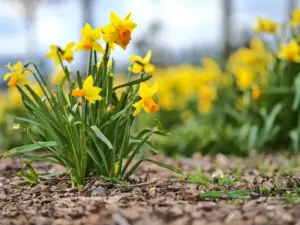
5 Best Bulbs for Fall Planting: Brighten Your Garden This Spring
Are you dreaming of a garden full of vibrant colors in the spring? The key [...]
Aug

How to Repot Houseplants Like a Pro
Do your houseplants look like they’ve outgrown their pots? Are their roots popping out of [...]
Aug

10 Houseplants That Will Thrive in Your Kitchen
Are you tired of your kitchen feeling dull and lifeless? Want to add a little [...]
Aug
Reviews
There are no reviews yet.