
50 Cape Gooseberry Seeds – Golden Berry, Easy Fruit Plant for Home Gardens
Original price was: 35.99 $.5.99 $Current price is: 5.99 $.
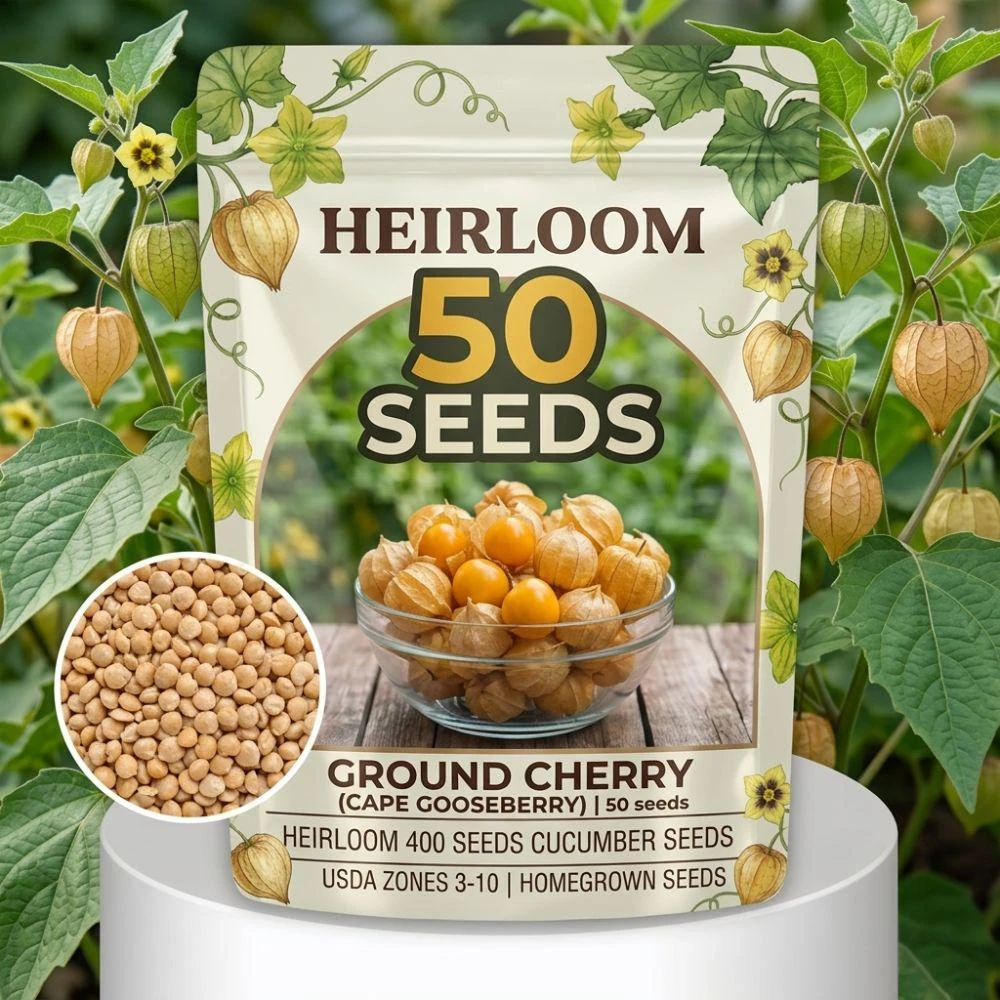
Cultivate your own sweet and tangy cape gooseberry seeds at home. This packet contains 50 golden berry seeds, ideal for garden beds, raised planters, or container gardening. Perfect for beginner gardeners wanting a unique fruit plant.
Estimated arrival
Sep 19
Sep 24 - Sep 26
Sep 26 - Oct 01
See our Shipping Policy.
Get in touch with us via email, and our team will review your concerns.
Our Alive & Thrive Guarantee covers issues with your plants within the first 30 days. Read our Refund & Returns Policy.
-
USDA Hardiness Zone
USDA zones 9-11 as tender perennial; typically grown as annuals -
Soil Type
Well-draining, rich in organic matter -
Sunlight Exposure
Full sun (6-8 hours daily) -
Expected Planting Period
Spring after last frost
Overview
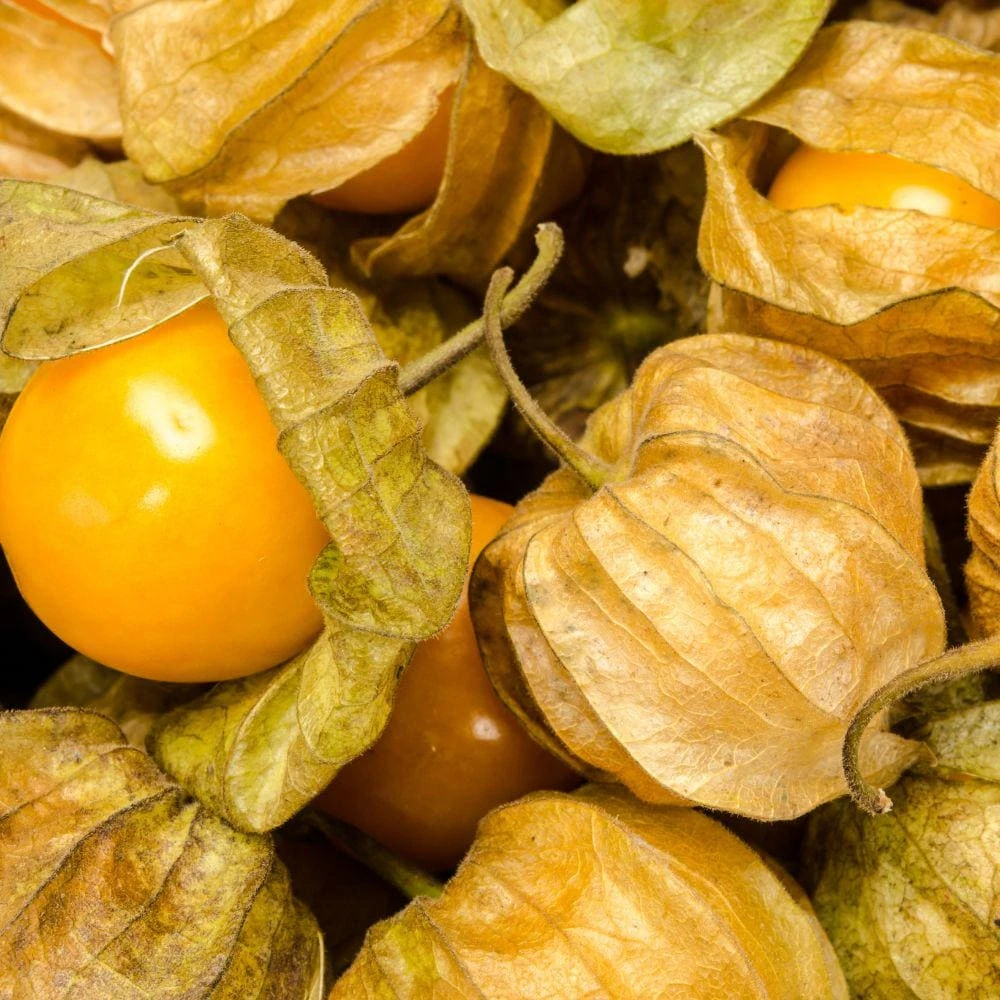
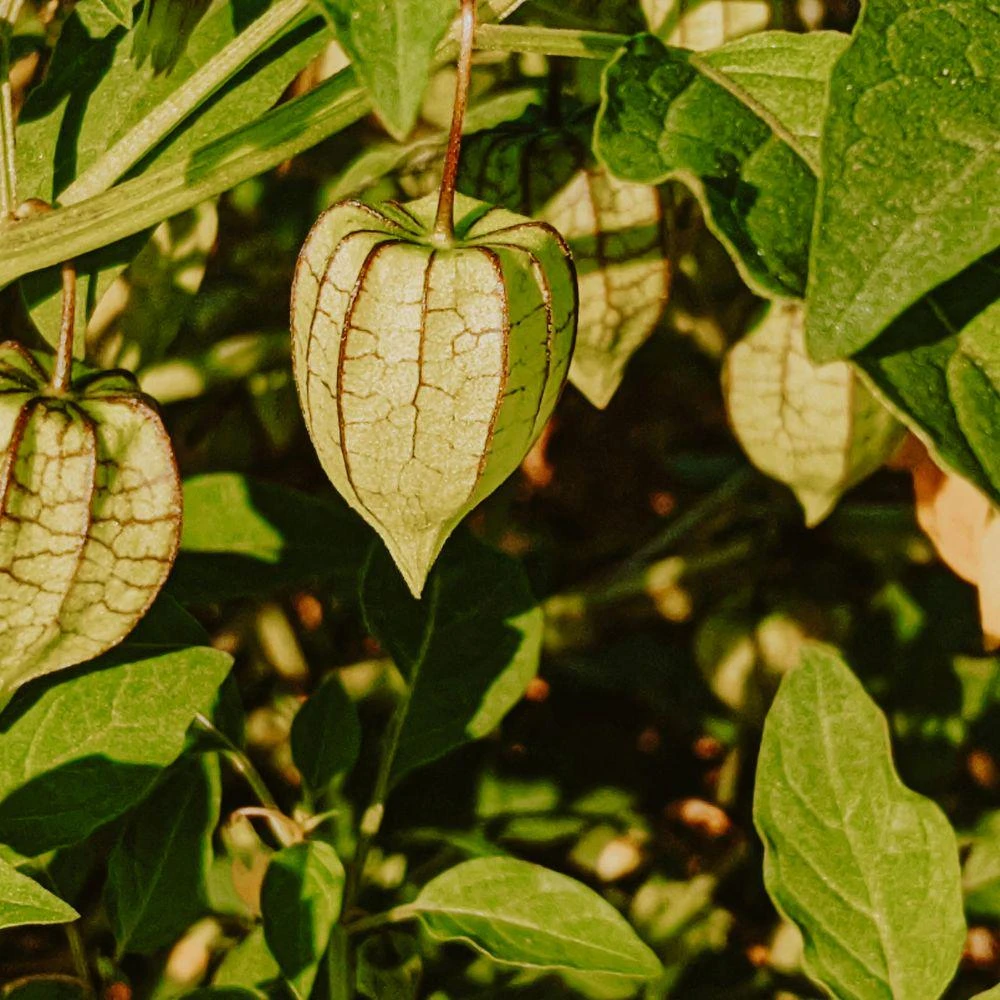
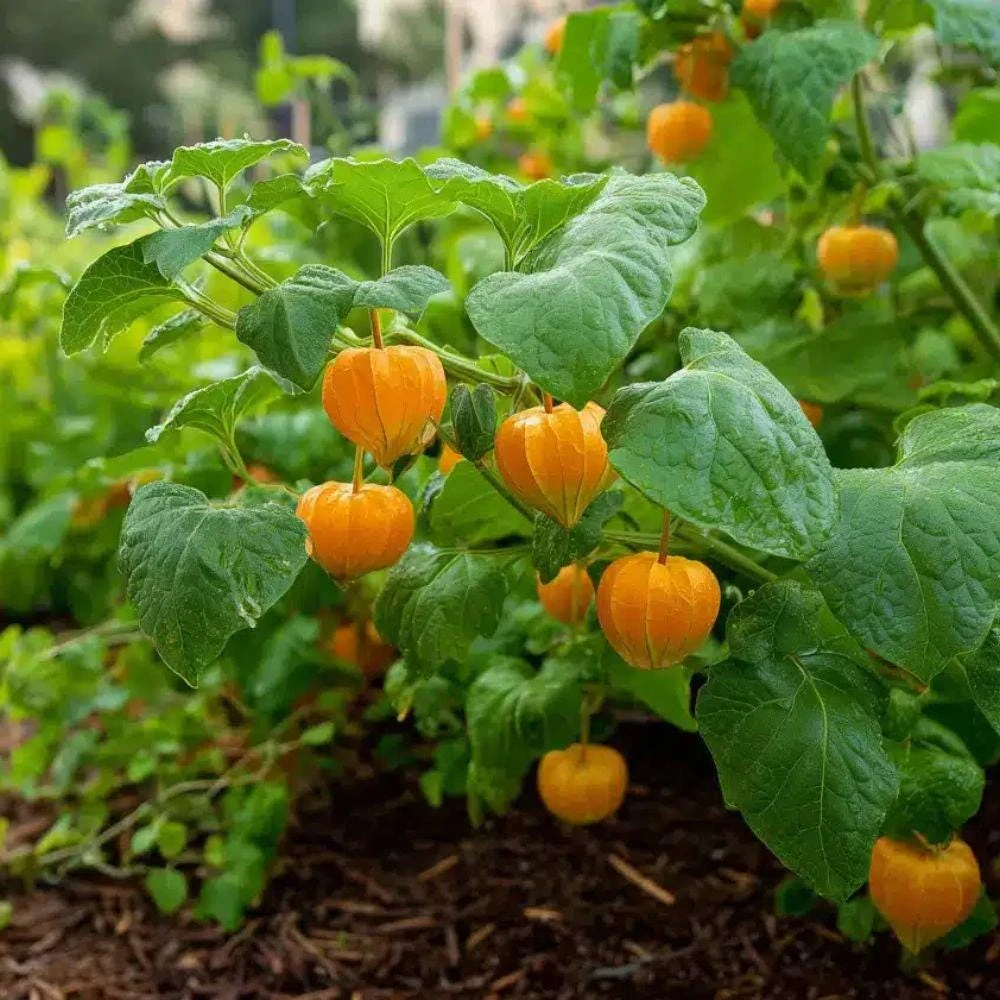
Embark on a delightful gardening journey with these high-quality cape gooseberry seeds, also known as golden berry seeds (Physalis peruviana). This packet provides 50 seeds, giving you ample opportunity to grow a bountiful harvest of these unique and flavorful fruits right in your own backyard. The Cape Gooseberry is a charming plant that produces small, vibrant orange berries encased in a papery husk, offering a sweet-tart taste that’s perfect for snacking, desserts, or preserves. Growing your own cape gooseberry seeds is a rewarding experience, suitable for gardeners of all skill levels, especially those looking to add an exotic touch to their edible garden. These plants are known for their relatively easy care and vigorous growth, making them a fantastic choice for both novice and experienced plant enthusiasts.
The Cape Gooseberry, a member of the nightshade family, is native to South America but has adapted well to various climates, thriving in sunny conditions. Starting from physalis peruviana seeds allows you to witness the entire growth cycle, from tiny seedlings to fruit-laden bushes. These plants are not only productive but also add an interesting visual element to your garden with their distinctive lantern-like husks. If you’re looking to grow golden berries that are fresh, organic, and bursting with flavor, these seeds are an excellent starting point. They are particularly well-suited for home gardens, providing a continuous supply of delicious fruit throughout the growing season.
Key Benefits
Growing your own cape gooseberry seeds offers a multitude of benefits, from the joy of harvesting fresh fruit to enhancing your garden’s biodiversity. These plants are a wonderful addition to any edible landscape.
- Unique & Delicious Fruit: Enjoy the distinct sweet and tangy flavor of fresh golden berry seeds. These berries are excellent for eating fresh, in salads, desserts, or making jams and sauces, providing a versatile culinary ingredient.
- Easy to Grow: These seeds are surprisingly easy to germinate and grow, making them an ideal choice for beginner gardeners. They are resilient and adapt well to various growing conditions with proper care, making it simple to grow golden berries successfully.
- High Yield Potential: With good care, a single plant can produce a significant amount of fruit, ensuring a plentiful harvest for your family. The vigorous growth habit of these plants means more berries per plant.
- Versatile Planting Options: Suitable for outdoor gardens, raised beds, and even container gardening, allowing flexibility regardless of your space. You can easily integrate these fruit plant seeds into diverse garden setups.
- Nutrient-Rich Berries: Cape Gooseberries are packed with vitamins, antioxidants, and fiber, contributing to a healthy diet. Harvesting them fresh from your garden ensures maximum nutritional value.
- Educational Experience: A fantastic project for families and children, teaching them about plant growth and where food comes from. Watching the papery husks form around the developing fruit is particularly fascinating.
- Garden Aesthetics: The distinctive husks and bright orange berries add an ornamental touch to your garden, making it both productive and beautiful.
Plant Care & Growing Tips
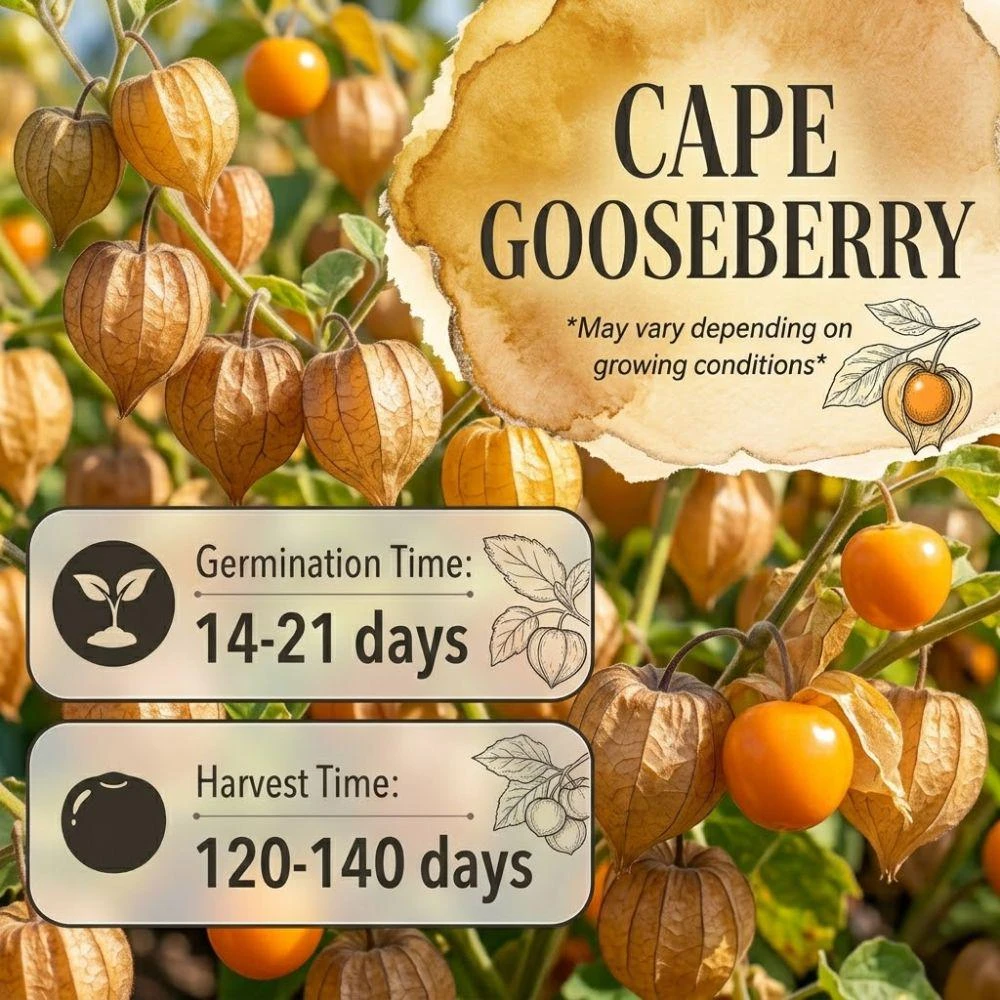
To successfully cultivate your cape gooseberry seeds and enjoy a bountiful harvest, understanding their basic care requirements is key. These plants thrive in conditions that mimic their native South American environment. For optimal growth, start your physalis peruviana seeds indoors 6-8 weeks before the last frost date in your area. Sow seeds about 1/4 inch deep in a good quality seed-starting mix. Maintain a consistent soil temperature of 70-75°F (21-24°C) for best germination, which typically occurs within 7-14 days. Once seedlings have developed a few true leaves, transplant them into larger pots.
When the danger of frost has passed and soil temperatures have warmed, harden off your seedlings before transplanting them outdoors. Choose a location that receives full sun, meaning at least 6-8 hours of direct sunlight per day. Cape gooseberry seeds prefer well-draining soil that is rich in organic matter. A slightly acidic to neutral pH (6.0-7.0) is ideal. Space plants about 2-3 feet apart to allow for their bushy growth habit. Water regularly, especially during dry spells, ensuring the soil remains consistently moist but not waterlogged. Overwatering can lead to root rot, so good drainage is crucial. Fertilize every 3-4 weeks with a balanced organic fertilizer once the plants start to flower and fruit. Providing support with stakes or cages can help manage their sprawling growth and keep the fruit off the ground. Watch out for common pests like aphids and whiteflies, and treat with organic insecticidal soap if necessary. Learning to grow golden berries requires attention to these details for a successful yield.
Size & Details
This packet contains 50 cape gooseberry seeds, providing an excellent foundation for establishing a productive patch of these unique fruits. Each seed has the potential to grow into a robust plant, typically reaching heights of 2-3 feet and spreading 2-4 feet wide, depending on growing conditions and support. The plants have a moderate growth rate, with berries usually ready for harvest 70-80 days after transplanting. The fruits themselves are small, about the size of a marble, encased in a distinctive papery calyx. These fruit plant seeds are intended for outdoor cultivation in suitable climates, but can also be grown in large containers if space is limited. They are shipped as dry seeds, ensuring viability and ease of storage until you are ready to plant. Expect a continuous harvest from mid-summer until the first frost, especially if you provide consistent care and nutrition. If you want to grow golden berries, these seeds offer a fantastic start.
Frequently Asked Questions
- Q: How big do Cape Gooseberry plants get? A: Cape Gooseberry plants typically grow to be about 2-3 feet tall and can spread 2-4 feet wide. Providing stakes or cages can help manage their growth and support the fruit-laden branches, especially when you grow golden berries in a compact space.
- Q: Are these cape gooseberry seeds for indoor or outdoor planting? A: These cape gooseberry seeds are primarily intended for outdoor planting in garden beds or large containers. While you can start them indoors, the mature plants thrive in full sun outdoors for optimal fruit production.
- Q: How much sunlight do Cape Gooseberry plants need? A: Cape Gooseberry plants require full sun, meaning at least 6-8 hours of direct sunlight per day, to produce the best fruit. Insufficient light can lead to leggy growth and reduced yields.
- Q: Is this plant easy to care for, especially for beginners? A: Yes, Cape Gooseberry plants are generally considered easy to care for, making them a good choice for beginner gardeners. They are quite resilient as long as they receive adequate sunlight, water, and well-draining soil.
- Q: What condition will the physalis peruviana seeds arrive in? A: The physalis peruviana seeds will arrive as dry seeds in a protective packet, ensuring their viability and readiness for planting. You will need to provide your own seed-starting mix and growing environment.
- Q: When is the best time to plant these fruit plant seeds? A: The best time to plant these fruit plant seeds is in spring, after the last danger of frost has passed. You can start them indoors 6-8 weeks before transplanting them outside.
- Q: Will Cape Gooseberry plants survive winter in my zone? A: Cape Gooseberry plants are typically grown as annuals in most climates, as they are sensitive to frost. In warmer, frost-free regions (USDA zones 9-11), they can sometimes be grown as tender perennials.
- Q: What kind of soil is best for growing golden berry seeds? A: Well-draining soil rich in organic matter is best for growing golden berry seeds. A slightly acidic to neutral pH (6.0-7.0) is ideal for healthy plant development and fruit production.
- Q: How long does it take for cape gooseberry seeds to germinate? A: Under optimal conditions (consistent warmth and moisture), cape gooseberry seeds typically germinate within 7-14 days after planting.
- Q: Can I grow these fruit plant seeds in pots? A: Yes, you can successfully grow these fruit plant seeds in large pots or containers, especially if you have limited garden space. Ensure the containers have good drainage and are at least 5 gallons in size to accommodate the plant’s root system.
Be the first to review “50 Cape Gooseberry Seeds – Golden Berry, Easy Fruit Plant for Home Gardens”
Related products

Fruit Seeds
Ruegen Alpine Strawberry Seeds – 60 Count Everbearing Fragaria Vesca Red Fruit White Flower


You May Like
5 Best Bulbs for Fall Planting: Brighten Your Garden This Spring
Are you dreaming of a garden full of vibrant colors in the spring? The key [...]
Aug
How to Repot Houseplants Like a Pro
Do your houseplants look like they’ve outgrown their pots? Are their roots popping out of [...]
Aug
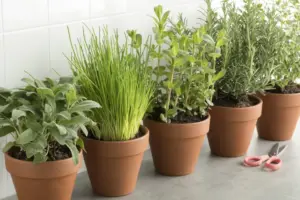
10 Houseplants That Will Thrive in Your Kitchen
Are you tired of your kitchen feeling dull and lifeless? Want to add a little [...]
Aug
Reviews
There are no reviews yet.