


50 Mixed Colors Astilbe Simplicifolia Seeds – Shade Red White Purple Pink Flower Seeds
Original price was: 32.99 $.12.99 $Current price is: 12.99 $.
Discover the beauty of astilbe simplicifolia seeds with this generous pack of 50 mixed color seeds. Ideal for enhancing shaded garden areas or woodland settings, these perennials will transform your landscape with their feathery plumes and vibrant hues. Perfect for creating a colorful, low-maintenance display that returns year after year.
Estimated arrival
Sep 18
Sep 23 - Sep 25
Sep 25 - Sep 30
See our Shipping Policy.
Get in touch with us via email, and our team will review your concerns.
Our Alive & Thrive Guarantee covers issues with your plants within the first 30 days. Read our Refund & Returns Policy.
-
USDA Hardiness Zone
USDA Zones 4-8 -
Soil Type
Rich, consistently moist, well-draining soil -
Sunlight Exposure
Partial to full shade -
Expected Planting Period
Start indoors late winter/early spring; plant outdoors after last frost
Overview
Introduce a burst of color and delicate texture to your shaded garden spaces with our premium pack of 50 astilbe simplicifolia seeds. Astilbe, commonly known as false spirea or goat’s beard, is renowned for its elegant, feathery plumes that bloom in a stunning array of colors. This mixed collection includes seeds that will produce flowers in beautiful shades of red, white, purple, and pink, ensuring a diverse and vibrant display. Perfect for gardeners looking to add visual interest to challenging shady spots, these perennial seeds promise a rewarding and long-lasting floral show. Growing astilbe simplicifolia seeds allows you to cultivate these charming plants from their very beginning, offering a fulfilling gardening experience.
Astilbes are celebrated for their ability to thrive where many other flowering plants struggle – in the cool, moist conditions of partial to full shade. Their lush, fern-like foliage provides an attractive backdrop even before the spectacular blooms emerge in late spring to mid-summer. These hardy plants are a fantastic choice for borders, mass plantings, or as accents in woodland gardens. Cultivating these mixed color astilbe plants from seed is an economical way to fill your garden with these exquisite flowers.
Key Benefits
Planting these astilbe flower seeds offers numerous advantages for your garden, transforming shaded areas into vibrant havens:
- Stunning Visual Appeal: Astilbes produce striking, feathery plumes in a variety of colors, adding an elegant and soft texture to your garden. The mixed colors ensure a dynamic and captivating display throughout the blooming season.
- Shade Tolerance: Unlike many flowering plants, astilbes thrive in partial to full shade, making them perfect for illuminating darker corners of your garden where other plants might struggle.
- Perennial Growth: Once established, these plants return year after year, providing reliable beauty with minimal effort. This makes them an excellent, long-term investment for your landscape.
- Low Maintenance: Astilbes are generally easy to care for, requiring consistent moisture but otherwise being relatively fuss-free. They are also known for their resistance to pests and diseases.
- Versatile Landscaping Use: Ideal for woodland gardens, shade borders, ground cover, or even container planting, their adaptability makes them a valuable addition to various garden designs.
- Attracts Pollinators: While not a primary pollinator magnet, astilbes can still attract some beneficial insects to your garden, contributing to a healthy ecosystem.
- Economical Choice: Starting with astilbe simplicifolia seeds is a cost-effective way to acquire a large number of these beautiful plants, allowing for extensive planting without a high upfront cost.
Plant Care & Growing Tips
Successful cultivation of astilbe simplicifolia seeds begins with proper planting and consistent care. Start seeds indoors 8-10 weeks before the last frost date. Sow seeds on the surface of a well-draining seed-starting mix, as they require light for germination. Do not cover the seeds. Keep the soil consistently moist but not waterlogged, ideally at a temperature between 60-70°F (15-21°C). A humidity dome can help maintain moisture. Germination can be slow and erratic, often taking 3-6 weeks, so patience is key when learning how to grow astilbe from seed.
Once seedlings are large enough to handle, transplant them into individual pots. Harden them off gradually before planting outdoors after all danger of frost has passed. Astilbes prefer a location with partial to full shade; too much sun can scorch their leaves and diminish bloom quality, especially in warmer climates. The soil should be rich in organic matter, consistently moist, and well-draining. Amend heavy clay soils with compost to improve drainage and lighter sandy soils to enhance moisture retention. Maintain consistent moisture throughout the growing season, especially during dry spells, as astilbes do not tolerate drought. Mulching around the plants can help retain soil moisture and regulate temperature.
Fertilize annually in early spring with a balanced slow-release granular fertilizer or a liquid feed diluted to half strength. Deadhead spent flower plumes to maintain a tidy appearance, though some gardeners leave them for winter interest. Divide clumps every 3-4 years in early spring to rejuvenate plants and prevent overcrowding. Astilbes are generally pest and disease resistant, but watch for powdery mildew in humid conditions or if air circulation is poor. Proper spacing and good air flow can prevent many common issues when growing mixed color astilbe.
Size & Details
This package contains 50 astilbe simplicifolia seeds, offering a generous supply to establish a vibrant display in your garden. Once mature, Astilbe simplicifolia typically reaches a height of 1-2 feet (30-60 cm) and spreads about 1-1.5 feet (30-45 cm) wide, forming attractive, mounded clumps of foliage. The feathery flower plumes emerge in late spring to mid-summer, providing a long-lasting show of color. These plants exhibit a moderate growth rate, establishing well within their first year and reaching full maturity within 2-3 years. The seeds are suitable for planting in USDA Hardiness Zones 4-8, thriving in temperate climates with cold winters and mild summers. Expect a beautiful mix of red, white, purple, and pink flowers from these versatile seeds, making your garden truly unique.
Frequently Asked Questions
- Q: How big does this plant get? A: Mature Astilbe simplicifolia typically grows to a height of 1-2 feet (30-60 cm) with a spread of 1-1.5 feet (30-45 cm), forming a compact, mounding habit in the garden.
- Q: Is this an indoor or outdoor plant? A: Astilbes are primarily outdoor perennial plants, best suited for garden beds, borders, and woodland settings. While they can be grown in containers, they are not typically grown as indoor houseplants.
- Q: How much sunlight does it need? A: Astilbes thrive in partial to full shade. They prefer locations that receive dappled sunlight or morning sun with afternoon shade. Direct, harsh afternoon sun can cause leaf scorch.
- Q: Is this plant easy to care for? A: Yes, astilbes are considered relatively easy to care for once established. Their main requirements are consistently moist, well-draining soil and a shaded location. They are also quite resistant to pests.
- Q: What condition will the astilbe simplicifolia seeds arrive in? A: Your 50 astilbe simplicifolia seeds will arrive carefully packaged to ensure their viability and protection during transit, ready for immediate planting.
- Q: How long until it blooms? A: When grown from seed, astilbes typically take 2-3 years to reach full maturity and produce their first significant blooms. Patience is a virtue when you how to grow astilbe from seed.
- Q: When is the best time to plant these astilbe flower seeds? A: It’s best to start astilbe flower seeds indoors 8-10 weeks before the last expected frost date in your region, then transplant the seedlings outdoors after the danger of frost has passed.
- Q: Will it survive winter in my zone? A: Astilbes are hardy perennials suitable for USDA Zones 4-8, meaning they are well-equipped to survive cold winters and return each spring in these regions.
- Q: What type of soil do these mixed color astilbe prefer? A: They prefer rich, consistently moist, and well-draining soil. Amending the soil with plenty of organic matter like compost will provide the ideal growing conditions.
- Q: Do these seeds produce a specific color? A: This is a pack of mixed color astilbe seeds, so you can expect a beautiful variety of red, white, purple, and pink blooms from the plants you grow.
Be the first to review “50 Mixed Colors Astilbe Simplicifolia Seeds – Shade Red White Purple Pink Flower Seeds”
Related products


Flower Seeds
Blue Stock Matthiola Incana Seeds – 50 Fragrant Gillyflower Seeds – Ten-Week Blue Stock


You May Like
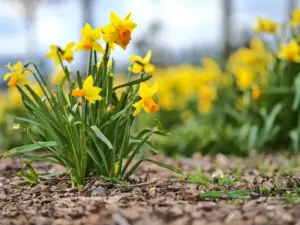
5 Best Bulbs for Fall Planting: Brighten Your Garden This Spring
Are you dreaming of a garden full of vibrant colors in the spring? The key [...]
Aug
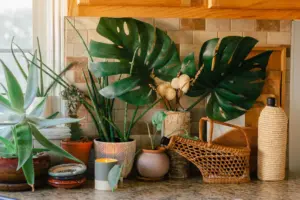
How to Repot Houseplants Like a Pro
Do your houseplants look like they’ve outgrown their pots? Are their roots popping out of [...]
Aug
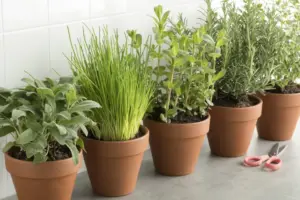
10 Houseplants That Will Thrive in Your Kitchen
Are you tired of your kitchen feeling dull and lifeless? Want to add a little [...]
Aug
Reviews
There are no reviews yet.