


Arctic Raspberry Seeds – Nagoonberry Rubus Arcticus Red Fruit (10 Seeds)
Original price was: 32.99 $.12.99 $Current price is: 12.99 $.
Cultivate delicious, sweet arctic raspberry seeds in your garden. These nagoonberry seeds (Rubus Arcticus) produce hardy plants with vibrant red fruit, perfect for eating fresh or making preserves. Ideal for zones 2-8.
Estimated arrival
Sep 18
Sep 23 - Sep 25
Sep 25 - Sep 30
See our Shipping Policy.
Get in touch with us via email, and our team will review your concerns.
Our Alive & Thrive Guarantee covers issues with your plants within the first 30 days. Read our Refund & Returns Policy.
-
USDA Hardiness Zone
2-8 -
Soil Type
Moist, well-draining soil -
Sunlight Exposure
Full sun to partial shade -
Expected Planting Period
Outdoors after frost / Fall sow / Cold stratify / Indoors weeks before last frost
Overview
Embark on a rewarding gardening journey by cultivating your own arctic raspberry seeds. These rare and highly sought-after perennial delights, also known as Nagoonberry or Arctic Bramble (scientific name: Rubus arcticus), offer a unique taste of the northern wilderness. Originating from the US, Canada, and other Arctic regions, this plant is renowned for its exceptional hardiness, thriving in temperatures as low as -50°F. The berries are a true delicacy, celebrated for their intensely sweet and juicy flavor, making them a gourmet addition to any home garden. Growing arctic raspberry seeds allows you to experience the joy of harvesting your own succulent red fruits, perfect for fresh eating, desserts, jams, or liqueurs. These small, low-growing plants are a charming addition to any landscape, providing both ornamental beauty with their purple flowers and red fall foliage, and a bountiful harvest of exquisite berries.
The journey from rubus arcticus seeds to a fruiting plant is a delightful experience for any gardener, from novice to expert. These plants typically grow to a compact height of 4-12 inches, making them suitable for various garden settings, including ground cover or containers. Their adaptability to a wide range of climates (USDA Hardiness Zones 2-8) makes them a versatile choice for many regions across the United States. With proper care and attention, these seeds will germinate and grow into robust plants, ready to produce their highly anticipated red fruits in late summer to early fall. Discover the satisfaction of nurturing these resilient plants and enjoying their delectable harvest.
Key Benefits
Growing arctic raspberry seeds offers a multitude of benefits, both for your garden and your palate. These unique berries are not only delicious but also provide a beautiful and hardy addition to your landscape. Here are some of the key advantages:
- Exceptional Flavor: The fruits of the arctic raspberry seeds are renowned for their incredibly sweet and juicy taste, often described as a concentrated raspberry flavor with floral notes. They are a true gourmet treat, far surpassing the taste of common raspberries.
- Remarkable Hardiness: These plants are incredibly resilient, thriving in cold climates down to USDA Zone 2 (-50°F). This makes them an excellent choice for gardeners in northern regions where other berry plants may struggle.
- Versatile Culinary Use: The red berries can be enjoyed fresh, used in desserts, made into jams, jellies, teas, liqueurs, or incorporated into smoothies and ice cream. Their rich flavor enhances a variety of dishes.
- Attractive Ground Cover: With their low-growing habit (4-12 inches tall), Arctic Raspberries serve as an attractive ground cover, suppressing weeds while providing beautiful purple blooms in June-July and vibrant red fall foliage.
- Easy to Grow from Seed: While requiring cold stratification, cultivating nagoonberry seeds is a straightforward process, allowing gardeners to propagate many plants economically and enjoy the satisfaction of growing from scratch.
- Native Plant Benefits: As a native plant to North America, Rubus Arcticus supports local ecosystems and biodiversity, attracting pollinators and contributing to a healthy garden environment.
- Long-Term Productivity: Once established, these perennial plants will return year after year, providing a consistent supply of delicious fruit with minimal ongoing effort, making them a sustainable choice for your edible garden.
Plant Care & Growing Tips
Successful cultivation of arctic raspberry seeds requires understanding their specific needs, particularly concerning germination and ongoing care. To germinate, these seeds require cold stratification. You can either sow them outdoors in the fall, allowing natural winter stratification to occur, or cold stratify them indoors. For indoor stratification, mix the rubus arcticus seeds with moist sand or peat moss in a sealed plastic bag and refrigerate for 60-90 days before planting. After stratification, sow seeds just beneath the soil surface. Germination can be slow and sporadic, so patience is key. Once seedlings emerge, provide them with adequate light and moisture.
For established plants, Arctic Raspberries thrive in full sun to partial shade, preferring at least 6 hours of sunlight daily for optimal fruit production. They require moist, well-drained soil, ideally with a slightly acidic to neutral pH. Avoid waterlogged conditions, but ensure the soil remains consistently damp, especially during dry spells and fruit development. A good way to grow arctic raspberry is to amend heavy soils with organic matter to improve drainage and fertility. These plants are hardy in USDA Zones 2-8, making them incredibly cold-tolerant. Fertilize sparingly with a balanced, slow-release fertilizer in early spring. Minimal pruning is typically needed, primarily to remove any dead or damaged canes to encourage new growth and air circulation.
To ensure a healthy patch of Arctic Raspberries, consider their spacing requirements; ideally, space plants about 24 inches apart. This allows for good air circulation and prevents overcrowding. While generally disease-resistant, ensure good garden hygiene to prevent fungal issues. Keep an eye out for common garden pests, though Arctic Raspberries are not typically heavily targeted. Providing a layer of mulch can help retain soil moisture, suppress weeds, and regulate soil temperature, especially in colder climates. With these care tips, your arctic raspberry plant care routine will be straightforward, leading to a vibrant and productive berry patch.
Size & Details
This offering includes 10 arctic raspberry seeds, ready for cultivation in your home garden. Each seed holds the potential to grow into a robust Arctic Raspberry plant (Rubus Arcticus), reaching a mature height of approximately 4 to 12 inches. These low-growing plants have a spreading habit, making them an excellent choice for ground cover or naturalizing in suitable areas. The plants typically spread horizontally, with a recommended spacing of around 24 inches between individual plants to allow for healthy growth and air circulation. Expect beautiful purple flowers to bloom from June to July, followed by the harvest of sweet red berries in late summer to early fall.
The seeds are provided in a quantity of 10, offering a good starting point for establishing your own patch of these unique berries. Arctic Raspberries are known for their moderate growth rate, establishing well within the first couple of seasons. The fruit, a prized delicacy, can be harvested once ripe, typically from late summer through early fall, depending on your specific climate and planting time. These hardy plants are perennials, meaning they will return year after year, providing a continuous yield of delicious berries for many seasons to come with proper arctic raspberry plant care.
Frequently Asked Questions
- Q: How many arctic raspberry seeds are included in this package? A: This package contains 10 arctic raspberry seeds, providing a good quantity to start your berry patch and ensure successful germination.
- Q: What is the best way to germinate nagoonberry seeds? A: Nagoonberry seeds require cold stratification. You can sow them outdoors in the fall for natural stratification, or cold stratify them indoors in a refrigerator for 60-90 days before planting.
- Q: How tall do Arctic Raspberry plants grow? A: Arctic Raspberry plants typically grow to a compact height of 4 to 12 inches, making them ideal for ground cover or border plantings.
- Q: What are the sunlight requirements for Rubus Arcticus? A: Rubus Arcticus thrives in full sun to partial shade. For the best fruit production, aim for at least 6 hours of direct sunlight per day.
- Q: Are these plants suitable for beginners? A: Yes, with proper cold stratification and consistent moisture, growing rubus arcticus seeds can be a rewarding experience for gardeners of all skill levels.
- Q: When can I expect to harvest the berries? A: Arctic Raspberry plants typically bloom in June-July, and the delicious red berries are ready for harvest in late summer to early fall, usually from August to September.
- Q: What hardiness zones are suitable for Arctic Raspberries? A: These incredibly hardy plants are suitable for USDA Hardiness Zones 2 through 8, tolerating very cold winter temperatures.
- Q: What kind of soil do Arctic Raspberries prefer? A: They prefer moist, well-drained soil. Amending with organic matter can improve drainage and fertility for optimal growth.
- Q: Can I grow arctic raspberry in containers? A: Yes, due to their compact size, Arctic Raspberries can be successfully grown in containers, provided they have adequate drainage and consistent moisture.
- Q: What are the common uses for Arctic Raspberry fruit? A: The sweet, juicy fruit can be enjoyed fresh, or used to make jellies, jams, pies, teas, liqueurs, ice cream, and smoothies, similar to other raspberry varieties.
Be the first to review “Arctic Raspberry Seeds – Nagoonberry Rubus Arcticus Red Fruit (10 Seeds)”
Related products


You May Like
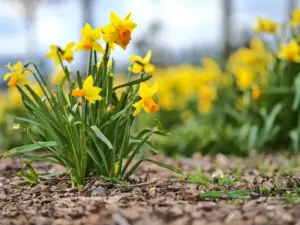
5 Best Bulbs for Fall Planting: Brighten Your Garden This Spring
Are you dreaming of a garden full of vibrant colors in the spring? The key [...]
Aug
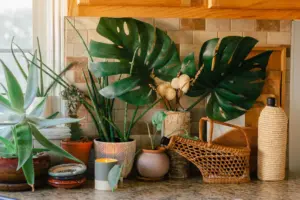
How to Repot Houseplants Like a Pro
Do your houseplants look like they’ve outgrown their pots? Are their roots popping out of [...]
Aug
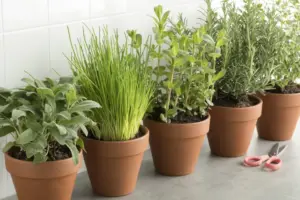
10 Houseplants That Will Thrive in Your Kitchen
Are you tired of your kitchen feeling dull and lifeless? Want to add a little [...]
Aug
Reviews
There are no reviews yet.