
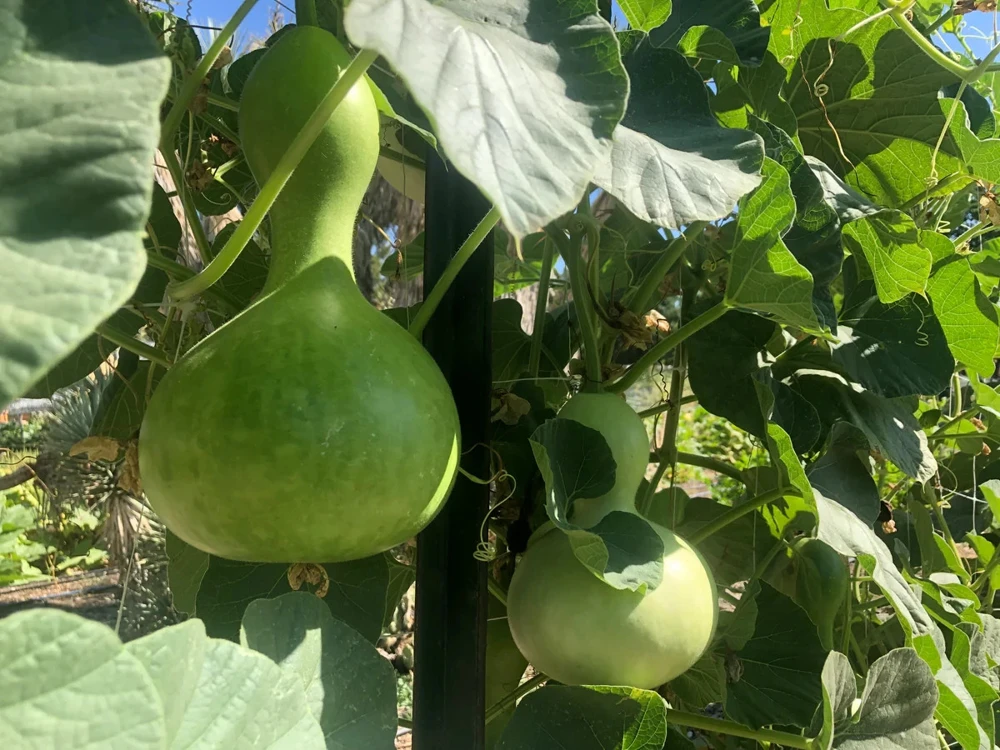
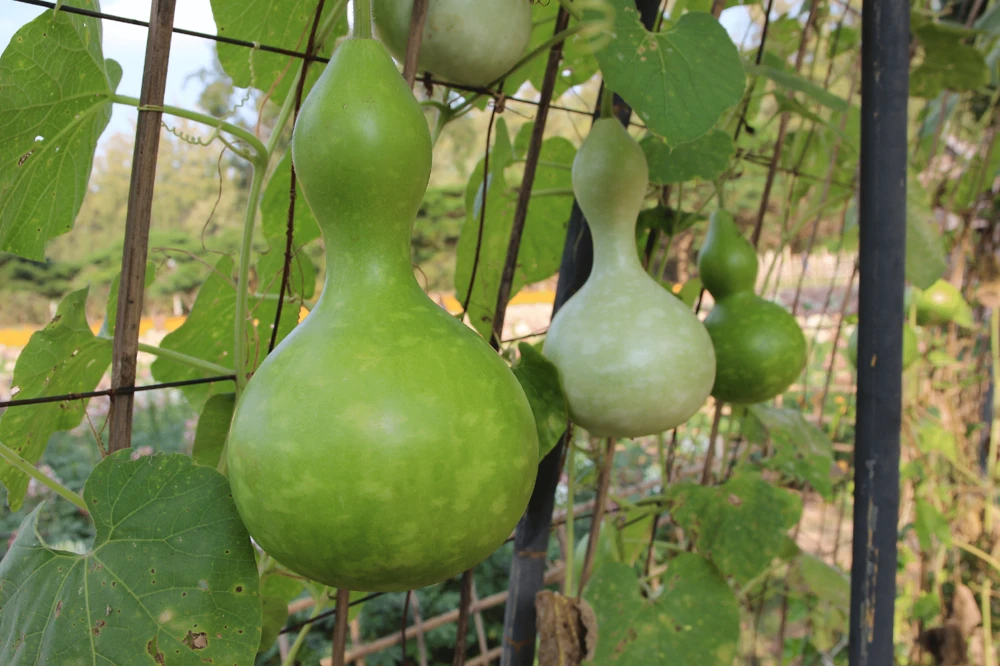
Birdhouse Bottle Gourd Seeds – Calabash Ornamental Gourd, Easy Grow
From 11.13 $
Cultivate unique and decorative birdhouse bottle gourd seeds for your garden. These ornamental gourds, also known as calabash, are perfect for crafting natural birdhouses or adding a unique touch to your landscape. Enjoy an easy growing experience with these versatile seeds.
Estimated arrival
Sep 19
Sep 24 - Sep 26
Sep 26 - Oct 01
See our Shipping Policy.
Get in touch with us via email, and our team will review your concerns.
Our Alive & Thrive Guarantee covers issues with your plants within the first 30 days. Read our Refund & Returns Policy.
-
USDA Hardiness Zone
Zones 3-12 (Annual) -
Soil Type
Well-Drained Loamy or Sandy Loam -
Sunlight Exposure
Full Sun -
Expected Planting Period
Spring to Early Summer (after last frost)
Overview
Embark on a rewarding gardening journey with our premium birdhouse bottle gourd seeds. These fascinating ornamental gourds, scientifically known as Lagenaria siceraria, are celebrated for their distinctive bottle-like shape and hard, durable shells when dried. Often referred to as calabash, these gourds have been used for centuries across cultures for practical purposes like containers and musical instruments, and more recently, as charming natural birdhouses. Growing your own birdhouse bottle gourd seeds offers a unique opportunity to connect with nature and engage in creative crafting. The vigorous climbing habit of these plants makes them an impressive addition to arbors, trellises, or fences, providing lush green foliage and intriguing fruit throughout the growing season.
Our birdhouse bottle gourd seeds are sourced to ensure robust growth and excellent yield, making them suitable for both novice and experienced gardeners. Imagine transforming your garden into a haven for birds with handmade gourds, or creating beautiful decorative pieces for your home. These ornamental gourds are not only aesthetically pleasing but also provide a tangible connection to traditional crafts and sustainable living. The journey from planting a tiny seed to harvesting a mature, ready-to-dry gourd is incredibly satisfying and offers endless possibilities for artistic expression.
Key Benefits
Growing birdhouse bottle gourd seeds in your garden provides a multitude of benefits, from enhancing your landscape’s aesthetic appeal to supporting local wildlife and offering unique crafting opportunities.
- Highly Decorative Ornamental Value: These gourds develop into unique, light green shapes that turn a beautiful tan when dried, adding visual interest to your garden and home decor. Their unusual forms are a conversation starter.
- Attracts Wildlife: Once dried and prepared, these gourds make excellent natural birdhouses, providing shelter for various bird species and encouraging biodiversity in your garden. This is a wonderful way to grow birdhouse gourds that benefit nature.
- Versatile Crafting Material: The hard shells of dried bottle gourds are perfect for a wide range of craft projects, including birdhouses, bowls, lamps, and decorative art. Unleash your creativity with a sustainable, natural medium.
- Easy to Cultivate: Despite their unique appearance, these gourds are surprisingly easy to grow, making them suitable for gardeners of all skill levels. Even beginners can successfully grow birdhouse gourds with minimal fuss.
- Vigorous Growth: The plants exhibit a strong climbing habit, quickly covering trellises, fences, or arbors, providing excellent shade and a lush green backdrop in your garden.
- Sustainable Gardening: Growing your own gourds is an eco-friendly practice, providing natural materials for crafting and reducing reliance on manufactured goods.
- Educational Experience: An excellent project for families and children, teaching about plant life cycles, gardening, and sustainable crafting. Learning how to grow birdhouse gourds is a rewarding experience.
Plant Care & Growing Tips
To successfully cultivate your birdhouse bottle gourd seeds, understanding their specific care requirements is essential. These gourds thrive in warm climates and require ample sunlight and well-drained soil to produce their best fruit. Plant your seeds after the last frost, when soil temperatures have warmed up, typically in late spring or early summer. You can start them indoors 2-4 weeks before the last frost date for an earlier harvest, but direct sowing is often preferred due to their vigorous taproot.
Sunlight Requirements: Bottle gourds are sun-loving plants and require at least 6-8 hours of full sun daily for optimal growth and fruit production. Choose a location in your garden that receives direct sunlight throughout the day. In extremely hot climates, some afternoon shade can be beneficial to prevent scorching, but generally, more sun equals more gourds. Ensure good air circulation to prevent fungal diseases.
Watering Schedule: These plants have medium watering needs. Keep the soil consistently moist, especially during flowering and fruiting, but avoid waterlogging. Water deeply and regularly, particularly during dry spells. A good rule of thumb is to water when the top inch of soil feels dry to the touch. Drip irrigation or soaker hoses are ideal to deliver water directly to the roots without wetting the foliage, which can help prevent diseases.
Soil Type and Drainage:Birdhouse bottle gourd seeds prefer well-drained, loamy or sandy loam soil with a pH between 6.0 and 7.0. Rich, fertile soil amended with compost or well-rotted manure will promote vigorous growth. Good drainage is crucial to prevent root rot. If your soil is heavy clay, amend it with organic matter and sand to improve its structure and permeability. Ensuring proper soil pH is vital for nutrient uptake, which helps your ornamental gourd seeds flourish.
Temperature and Hardiness: Bottle gourds are annuals and prefer warm temperatures, ideally between 70-85°F (21-29°C). They are sensitive to frost, so ensure all danger of frost has passed before planting outdoors. They are suitable for USDA Hardiness Zones 3-12 during their growing season, as they complete their life cycle within one year. Protecting young plants from sudden cold snaps is advisable.
Fertilization: Start with nutrient-rich soil. Once the plants begin to vine and produce fruit, a balanced liquid fertilizer or granular fertilizer with a slightly higher phosphorus content can encourage better fruiting. Avoid excessive nitrogen, which promotes leafy growth at the expense of fruit production. Fertilize every 3-4 weeks, following package instructions.
Support and Training: Due to their vigorous climbing habit, providing a sturdy trellis, arbor, or fence is essential for these gourds. Training the vines upwards will not only save space but also encourage straighter gourd development and better air circulation. This also helps keep the gourds off the ground, reducing the risk of rot and pest damage. Learning how to properly support your plants is key to successfully growing calabash seeds.
Size & Details
Our birdhouse bottle gourd seeds offer the potential to grow impressive ornamental gourds. These plants exhibit a vigorous climbing growth habit, with vines that can easily reach lengths of 10-20 feet or more, depending on growing conditions and support. The gourds themselves vary in size and shape, typically maturing into the classic bottle form, light green in color, and turning a tan hue when dried. The exact dimensions of the mature gourds will depend on environmental factors and care, but they generally range from 6-12 inches in length, with some varieties growing larger. The seeds are annuals, completing their life cycle within one growing season, typically taking about 15 weeks from planting to maturity for harvest.
You will receive a packet of high-quality birdhouse bottle gourd seeds, ready for planting. These seeds are ideal for starting your own gourd patch, whether for crafting natural birdhouses, creating unique garden decor, or simply enjoying the beauty of these intriguing plants. With proper care and a suitable growing environment, you can expect a bountiful harvest of these highly decorative ornamental gourds, perfect for your next creative project or for attracting feathered friends to your garden.
Frequently Asked Questions
- Q: How big do these birdhouse bottle gourds get? A: The gourds typically grow to be 6-12 inches long, but their exact size can vary based on growing conditions. The vines themselves can reach 10-20 feet in length, requiring sturdy support.
- Q: Are these an indoor or outdoor plant? How much sunlight do they need? A: These are outdoor plants that require at least 6-8 hours of full sun daily to thrive and produce fruit. They are not suitable for indoor cultivation.
- Q: Is this plant easy to care for? Is it good for beginners? A: Yes, birdhouse bottle gourd seeds are considered easy to cultivate. They are a great choice for beginners looking to grow unique ornamental plants with a rewarding harvest.
- Q: What condition will the seeds arrive in? A: You will receive a packet of high-quality, viable seeds, ready for planting in your garden. They are carefully packaged to ensure freshness and successful germination.
- Q: Can I use these gourds for crafting? A: Absolutely! These gourds are specifically known for their suitability for crafting. Once dried, their hard shells are perfect for making birdhouses, bowls, and various decorative items. Learning to grow birdhouse gourds is often the first step to crafting.
- Q: When is the best time to plant birdhouse bottle gourd seeds? A: The best time to plant is after the last frost in spring, when soil temperatures have warmed sufficiently. This typically means late spring or early summer, allowing for the 15-week growing period.
- Q: What USDA Hardiness Zones are suitable for growing these gourds? A: These annual gourds can be grown in USDA Hardiness Zones 3-12 during their single growing season, as long as they are planted after the danger of frost has passed.
- Q: What kind of soil do these gourds prefer? A: They thrive in well-drained loamy or sandy loam soil with a pH between 6.0 and 7.0. Amending the soil with organic matter will greatly benefit growth.
- Q: How often should I water my bottle gourd plants? A: Water regularly and deeply, keeping the soil consistently moist but not waterlogged, especially during flowering and fruiting periods.
- Q: Will these plants attract pests? A: Like many garden plants, they can occasionally attract common garden pests. Regular inspection and appropriate organic pest control methods can keep them healthy.
| Seed Amount | 10 Seeds, 1400 Seeds Or 1/2 Lb, 170 Seeds Or 1 Oz, 20 Seeds Or 1/8 Oz, 350 Seeds Or 2 Oz, 40 Seeds Or 1/4 Oz, 5 Seeds, 700 Seeds Or 1/4 Lb |
|---|
Be the first to review “Birdhouse Bottle Gourd Seeds – Calabash Ornamental Gourd, Easy Grow”
Related products


Vegetable Seeds
Hanover Salad Kale Seeds – 1000 Smooth Siberian Vegetable Seeds


Vegetable Seeds
Job’s Tears Seeds – Coix Lacryma Vegetable Seeds – 20 Count for Edible & Decorative Use


Vegetable Seeds
Yellow Cheese Pimento Pepper Seeds – 50 Count – Sweet & Mild
You May Like
5 Best Bulbs for Fall Planting: Brighten Your Garden This Spring
Are you dreaming of a garden full of vibrant colors in the spring? The key [...]
Aug
How to Repot Houseplants Like a Pro
Do your houseplants look like they’ve outgrown their pots? Are their roots popping out of [...]
Aug
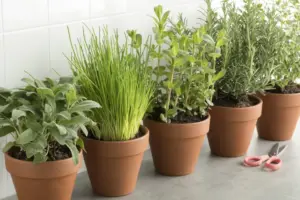
10 Houseplants That Will Thrive in Your Kitchen
Are you tired of your kitchen feeling dull and lifeless? Want to add a little [...]
Aug
Reviews
There are no reviews yet.