
Black Eyed Susan Seeds – Rudbeckia Hirta Wildflower Flower Seeds – Zones 3-12
From 10.77 $
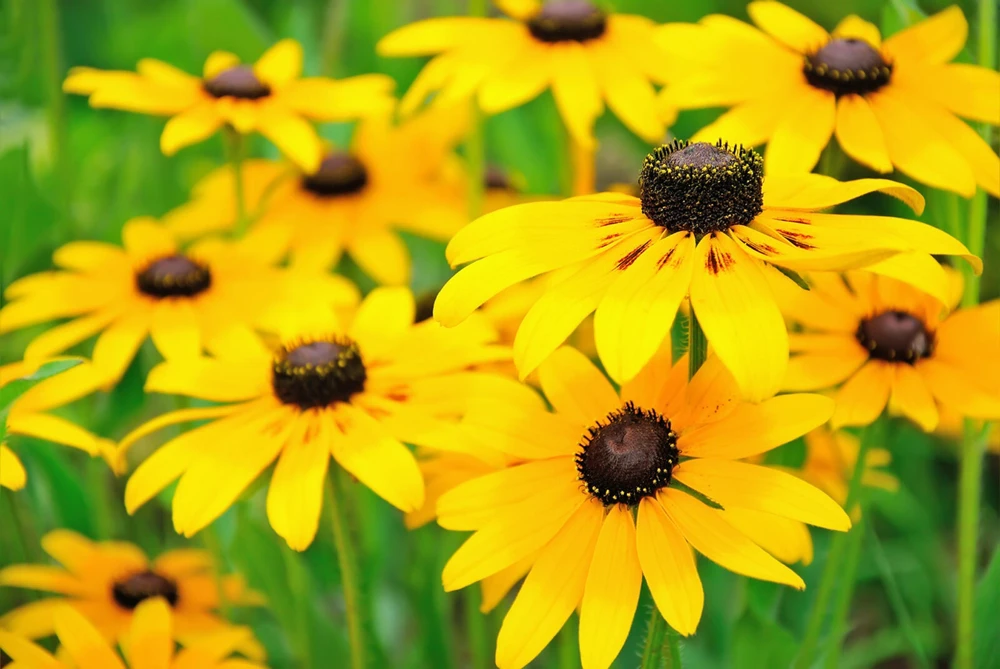
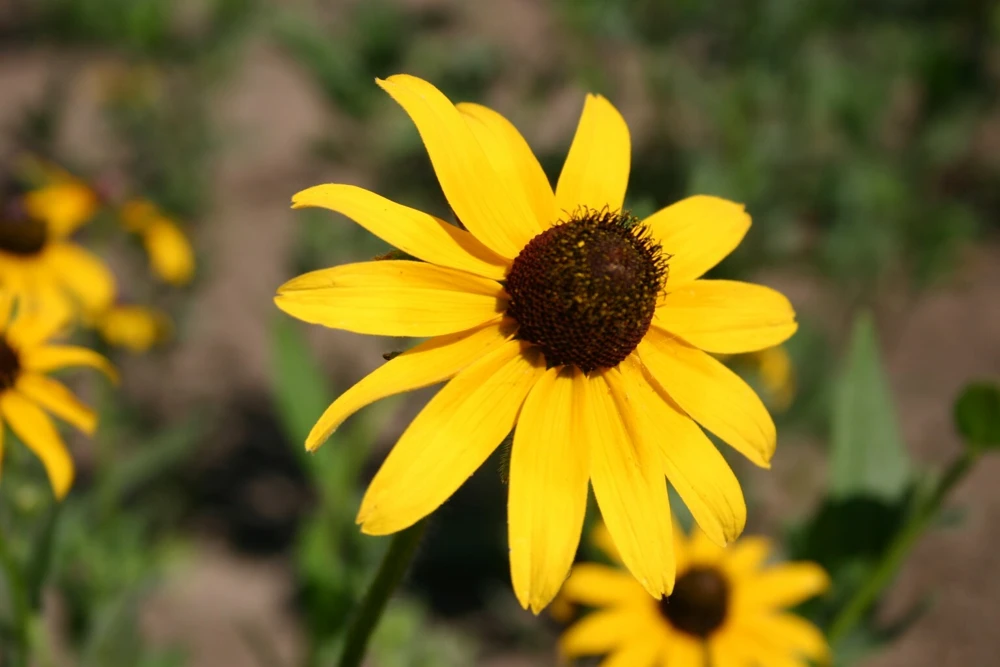
Cultivate stunning Black Eyed Susan seeds (Rudbeckia hirta) in your garden. These classic wildflower seeds produce vibrant yellow and brown blooms, perfect for adding cheerful color to outdoor spaces. Enjoy easy-to-grow, deer-resistant flowers that attract pollinators.
Estimated arrival
Sep 19
Sep 24 - Sep 26
Sep 26 - Oct 01
See our Shipping Policy.
Get in touch with us via email, and our team will review your concerns.
Our Alive & Thrive Guarantee covers issues with your plants within the first 30 days. Read our Refund & Returns Policy.
-
USDA Hardiness Zone
Zones 3-12 -
Soil Type
Loam, Peat, Sand; well-draining -
Sunlight Exposure
Full Sun, Partial Shade -
Expected Planting Period
Spring, Summer
Overview
Introduce a burst of sunshine into your garden with these magnificent Black Eyed Susan seeds. Known scientifically as Rudbeckia hirta, these beloved flowers are a classic choice for gardeners seeking vibrant, long-lasting color. Black Eyed Susans are iconic American wildflowers, celebrated for their cheerful yellow petals and distinctive dark brown centers. Our high-quality Rudbeckia hirta seeds promise a bountiful display of these charming blooms, perfect for meadows, borders, or cutting gardens. They are incredibly adaptable, making them a fantastic addition to almost any landscape, and are recognized for their resilience and ability to thrive in various conditions. Growing these flowers from seed is a rewarding experience, providing an opportunity to connect with nature and enjoy the beauty of a thriving garden.
These robust flowers are not only aesthetically pleasing but also play an important ecological role, attracting a variety of pollinators such as bees and butterflies. The ease of cultivation makes them a favorite among both novice and experienced gardeners. Whether you’re looking to create a naturalized area, add visual interest to your flower beds, or simply enjoy fresh cut flowers, these Black Eyed Susan seeds offer an excellent solution. They are a symbol of summer and resilience, bringing joy and natural beauty wherever they grow. Prepare to be enchanted by the simple elegance and enduring charm of these classic wildflowers.
Key Benefits
Planting Black Eyed Susan seeds offers numerous advantages for your garden and the local ecosystem. These flowers are not just beautiful; they are also incredibly beneficial and easy to maintain.
- Vibrant Floral Display: Enjoy a spectacular show of bright yellow petals with dark brown centers, creating a cheerful and eye-catching display from summer through fall. These blooms are perfect for adding a splash of color to any garden.
- Attracts Pollinators: The nectar-rich flowers are a magnet for bees, butterflies, and other beneficial insects, supporting local biodiversity and contributing to a healthier garden ecosystem. Planting these wildflower seeds helps foster a thriving environment.
- Drought Tolerant & Low Maintenance: Once established, Black Eyed Susans are remarkably drought-tolerant and require minimal care, making them ideal for busy gardeners or those in drier climates. They are a resilient choice for any landscape.
- Deer and Rabbit Resistant: Gardeners often struggle with pests, but Black Eyed Susans are generally unappealing to deer and rabbits, allowing your beautiful blooms to flourish undisturbed.
- Excellent Cut Flowers: Their sturdy stems and long-lasting blooms make them a perfect choice for fresh floral arrangements, bringing the beauty of your garden indoors.
- Versatile Garden Use: Ideal for naturalized areas, meadows, borders, mass plantings, or container gardening. These yellow flower seeds adapt well to various garden designs and settings.
- Hardy and Adaptable: Thriving across a wide range of USDA hardiness zones (3-12), these flowers are known for their adaptability to different soil types and climates, ensuring success for many gardeners.
Plant Care & Growing Tips
Growing Black Eyed Susan seeds is a straightforward and rewarding process. To ensure optimal growth and a spectacular bloom, follow these simple care instructions. Black Eyed Susans prefer a location with full sun, meaning at least 6 hours of direct sunlight per day. While they can tolerate partial shade, too little sun may result in fewer flowers and leggy growth. For best results, sow seeds directly into well-draining soil after the last frost in spring. You can also start seeds indoors 6-8 weeks before the last frost, especially if you want earlier blooms. Cold stratification can improve germination rates for these easy to grow flower seeds; simply place seeds in a moist paper towel inside a plastic bag and refrigerate for 4-6 weeks before planting.
Watering should be consistent, especially during dry spells and in the early stages of growth. Once established, Black Eyed Susans are quite drought-tolerant, but regular watering will promote more vigorous growth and abundant flowering. They thrive in various soil types, including loam, peat, and sand, as long as it is well-drained. A slightly acidic to neutral soil pH (5.8 – 6.8) is ideal. Fertilization is generally not required in rich soil, but a balanced, slow-release fertilizer can be applied in poorer soils during the growing season. Deadhead spent blooms to encourage continuous flowering and prevent self-seeding if desired. These plants are relatively pest and disease resistant, making them a low-hassle choice for your garden. Keep an eye out for powdery mildew in humid conditions and ensure good air circulation.
Size & Details
These Black Eyed Susan seeds will develop into robust plants typically growing between 24 and 36 inches tall, with a spread of about 12 to 18 inches. The vibrant yellow flowers, characteristic of Rudbeckia hirta, will generally appear in summer and continue blooming through fall, providing extended garden interest. Each flower head can reach 2-3 inches in diameter. The plants have a life cycle that can be annual, biennial, or tender perennial, depending on your climate zone and specific growing conditions. The seeds are packaged to ensure viability and are ready for planting. Expect germination within 7-30 days under ideal conditions, especially if cold stratification is applied. These flowers are highly adaptable and will establish quickly, transforming your garden into a lively display of color.
Frequently Asked Questions
- Q: How big do these Black Eyed Susan plants get? A: Black Eyed Susans typically grow to a height of 24 to 36 inches (2-3 feet) with a spread of 12 to 18 inches. Their size can vary slightly based on growing conditions and climate.
- Q: Are these Black Eyed Susan seeds suitable for containers? A: Yes, these flowers can be grown successfully in containers, provided they have adequate drainage and receive full sun. Choose a pot that is at least 10-12 inches in diameter for best results.
- Q: How much sunlight do Rudbeckia hirta seeds need? A: For optimal growth and abundant blooms, Black Eyed Susans require full sun, meaning at least 6 hours of direct sunlight per day. They can tolerate partial shade but may produce fewer flowers.
- Q: When is the best time to plant wildflower seeds like Black Eyed Susan? A: The best time to sow Black Eyed Susan seeds directly outdoors is after the last frost in spring. For earlier blooms, you can start them indoors 6-8 weeks before the last expected frost.
- Q: Is this plant easy to care for? Is it good for beginners? A: Yes, Black Eyed Susans are considered very easy to grow and are an excellent choice for beginner gardeners. They are low-maintenance and tolerant of various conditions once established.
- Q: Will these yellow flower seeds attract pollinators? A: Absolutely! Black Eyed Susans are known for attracting a wide array of pollinators, including bees, butterflies, and other beneficial insects, making them a great addition to a pollinator garden.
- Q: What USDA Hardiness Zones are these Black Eyed Susans suitable for? A: These Black Eyed Susans are hardy in USDA Zones 3 through 12, showcasing their remarkable adaptability to a broad range of climates.
- Q: Do these plants require cold stratification for germination? A: While not always strictly necessary, cold stratification can significantly improve the germination rate for Black Eyed Susan seeds. You can achieve this by refrigerating moist seeds for 4-6 weeks before planting.
- Q: What kind of soil do Black Eyed Susans prefer? A: They prefer well-draining soil and are tolerant of various soil types, including loam, peat, and sand. A soil pH between 5.8 and 6.8 is ideal.
- Q: How often should I water my Black Eyed Susans? A: Water regularly during dry periods and especially when the plants are young. Once established, they are quite drought-tolerant but will benefit from occasional watering during prolonged dry spells.
| Seed Quantity | 1.25 Million Seeds Or 1 Lb, 10K Seeds Or 1/8 Oz, 1400 Seeds Or 1/2 Gram, 160K Seeds Or 2 Oz, 20K Seeds Or 1/4 Oz, 2800 Seeds Or 1 Gram, 320K Seeds Or 1/4 Lb, 640K Seeds Or 1/2 Lb, 80K Seeds Or 1 Oz |
|---|
Be the first to review “Black Eyed Susan Seeds – Rudbeckia Hirta Wildflower Flower Seeds – Zones 3-12”
Related products


You May Like
5 Best Bulbs for Fall Planting: Brighten Your Garden This Spring
Are you dreaming of a garden full of vibrant colors in the spring? The key [...]
Aug
How to Repot Houseplants Like a Pro
Do your houseplants look like they’ve outgrown their pots? Are their roots popping out of [...]
Aug
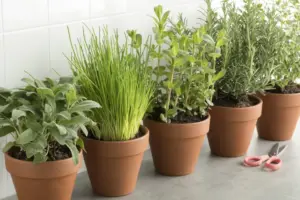
10 Houseplants That Will Thrive in Your Kitchen
Are you tired of your kitchen feeling dull and lifeless? Want to add a little [...]
Aug
Reviews
There are no reviews yet.