


Blue Grama Grass Seeds – Bouteloua Gracilis – 1000 Count – Drought Tolerant
Original price was: 32.99 $.12.99 $Current price is: 12.99 $.
Cultivate a resilient landscape with blue grama grass seeds. This native, warm-season grass (Bouteloua Gracilis) is incredibly drought tolerant grass seeds, ideal for sustainable lawns, erosion control, and wildlife habitats. Each pack contains 1000 blue grama grass seeds, perfect for establishing a beautiful and low-maintenance ground cover.
Estimated arrival
Sep 19
Sep 24 - Sep 26
Sep 26 - Oct 01
See our Shipping Policy.
Get in touch with us via email, and our team will review your concerns.
Our Alive & Thrive Guarantee covers issues with your plants within the first 30 days. Read our Refund & Returns Policy.
-
USDA Hardiness Zone
3 - 10 -
Soil Type
Average to dry, well-draining soil (sandy to heavy clay) -
Sunlight Exposure
Full sun -
Expected Planting Period
Spring or Summer
Overview
Transform your outdoor space with premium blue grama grass seeds. This offering includes 1000 blue grama grass seeds of Bouteloua Gracilis, a remarkable warm-season grass native to the North American plains. Also known as Blue Gramma Grass or Mosquito Grass, this species is celebrated for its distinctive bluish foliage, delicate yellow flowers, and ornamental bluish-purple seed heads. It’s an excellent choice for creating sustainable landscapes, offering both beauty and ecological benefits. Whether you’re aiming for a naturalized meadow look, a low-maintenance lawn, or effective erosion control, these blue grama grass seeds provide a robust and adaptable solution.
Blue Grama Grass is renowned for its exceptional hardiness and ability to thrive in challenging conditions. From arid deserts to cooler alpine regions, it tolerates a wide range of climates and soil types, including sandy or heavy clay. Its drought-defying nature makes it a perfect candidate for water-wise gardening and sustainable landscaping. Beyond its practical uses, this grass adds significant aesthetic value, with its unique clumping habit, attractive seed heads that persist into fall, and beautiful seasonal color changes. It’s a truly versatile plant, suitable for various garden designs and environmental applications.
Key Benefits
Choosing blue grama grass seeds for your landscape offers a multitude of advantages, combining ecological responsibility with aesthetic appeal and ease of care. This native grass provides long-term value and beauty.
- Exceptional Drought Tolerance:Blue Grama Grass is incredibly resilient, thriving in dry conditions where many other grasses would falter. This makes it an ideal choice for xeriscaping and reducing water consumption, contributing to a more sustainable garden. Its ability to laugh in the face of drought ensures a vibrant landscape even during extended dry spells.
- Versatile Landscaping Solution: With its clumping habit, blue grama grass can serve various roles in your garden. It’s perfect as an accent plant in rock gardens or containers, a border plant, a ground cover for naturalizing large areas, or even as a durable turfgrass for mowed lawns. This versatility ensures it fits seamlessly into diverse design schemes.
- Erosion Control: The strong root system of Bouteloua Gracilis seeds makes it an excellent candidate for stabilizing soil and preventing erosion on slopes, banks, or disturbed areas. Its ability to establish quickly and form dense clumps provides reliable ground cover that holds soil in place, protecting your landscape.
- Wildlife Support: The summer flowers of blue grama grass attract butterflies, including Skipper Butterflies, for which it serves as a host plant. Birds and small animals also enjoy feasting on the seeds in the fall, providing a valuable food source and enhancing biodiversity in your garden.
- Ornamental Appeal: Beyond its ecological benefits, blue grama grass offers significant ornamental value. Its bluish foliage, delicate seed heads, and beautiful fall colors (golden brown, orange, red, and purple hues) make it a visually appealing addition. The seed heads are particularly attractive and can even be used in dried flower arrangements.
- Low Maintenance: Once established, blue grama grass for lawn requires minimal care. It’s a relatively slow-growing grass, reducing the need for frequent mowing if used as a lawn alternative. Its adaptability to various soil types and light conditions further simplifies its upkeep, making it a great option for busy gardeners.
- Native and Eco-Friendly: As a native North American grass, Bouteloua Gracilis seeds contribute to local ecosystems and require fewer resources (like water and fertilizer) than many non-native species. Planting native grass helps restore natural habitats and supports local wildlife, making your garden a haven for beneficial insects and animals.
Plant Care & Growing Tips
Growing blue grama grass seeds is a rewarding experience, especially given its resilience and low-maintenance nature. This warm-season grass thrives in full sun, requiring at least 6-8 hours of direct sunlight per day to achieve its best growth and flowering. It is highly adaptable and can tolerate some partial shade, though too little sun may result in sparser growth. When planting, aim for spring or early summer after the last frost, when soil temperatures have warmed up. This allows the seeds ample time to germinate and establish before the heat of summer or the cold of winter.
Soil and water preferences for blue grama grass are quite flexible. It prefers average to dry conditions and is incredibly tolerant of various soil types, from sandy to heavy clay, as long as there is decent drainage. Avoid overly wet or waterlogged conditions, as this can lead to root rot. Once established, it is remarkably drought-tolerant and requires minimal supplemental watering, making it an excellent choice for water-conscious landscapes. During its establishment phase, ensure consistent moisture to encourage strong root development, but avoid overwatering. Fertilization is generally not necessary, especially in established plantings, as this native grass is well-adapted to nutrient-poor soils. If your soil is extremely poor, a light application of a balanced, slow-release fertilizer in spring can be beneficial, but too much nitrogen can lead to excessive, floppy growth.
Blue Grama Grass is hardy in USDA Zones 3-10 and readily reseeds, ensuring its return year after year. It typically grows 18-24 inches tall and spreads 15-18 inches wide, forming attractive clumps. While generally pest and disease resistant, ensuring proper air circulation and avoiding overwatering will help prevent any potential issues. Its hardiness and adaptability make it an ideal choice for gardeners seeking a robust and beautiful native grass. For those looking for drought tolerant grass seeds, this is a top recommendation.
Size & Details
This offering includes 1000 blue grama grass seeds, providing ample quantity for establishing a significant area of this beautiful native grass. Once mature, individual Blue Grama Grass plants typically reach a height of 18 to 24 inches, with a similar spread, forming attractive, clumping mounds. These seeds are ideal for planting in spring or summer, and the plants will begin to bloom with yellow flowers from July to August, followed by distinctive bluish-purple seed heads that persist from August to October. The plant spacing should ideally be 15 to 18 inches apart to allow for proper growth and air circulation.
The grass is known for its moderate growth rate, establishing a strong root system that aids in erosion control. It is a warm-season grass, meaning it will show its most vigorous growth during the hotter months. The seeds are packaged to ensure viability upon arrival, ready for planting in your garden. Expect to see germination within a few weeks under optimal conditions, with full establishment taking a season or two. This quantity of bouteloua gracilis seeds is suitable for creating a substantial patch of this versatile and beautiful grass, whether for a lawn, meadow, or accent planting.
Frequently Asked Questions
- Q: How big does Blue Grama Grass get? A: Blue Grama Grass typically grows to a height of 18 to 24 inches and spreads 15 to 18 inches wide, forming attractive clumps. Its size makes it suitable for various landscaping applications, from ground cover to accent plants.
- Q: Is this an indoor or outdoor plant? A: Blue Grama Grass is primarily an outdoor plant, best suited for gardens, meadows, and naturalized areas. It thrives in full sun and is highly adaptable to a wide range of outdoor conditions, making it an excellent choice for open landscapes.
- Q: How much sunlight does Blue Grama Grass need? A: This grass prefers full sun, ideally receiving 6-8 hours of direct sunlight per day. While it can tolerate some partial shade, abundant sunshine promotes the healthiest growth and best development of its distinctive seed heads.
- Q: Is this plant easy to care for? A: Yes, Blue Grama Grass is considered very easy to care for, especially once established. It is drought-tolerant, adaptable to various soil types, and generally requires minimal watering or fertilization, making it a low-maintenance option for gardeners.
- Q: What condition will the blue grama grass seeds arrive in? A: The blue grama grass seeds will arrive in a sealed packet, ready for planting. We ensure the seeds are fresh and viable, packaged to maintain their quality during transit.
- Q: Can I use Blue Grama Grass for a lawn? A: Yes, Blue Grama Grass can be used very effectively as a low-maintenance lawn grass or turfgrass. Its drought tolerance and adaptability make it a sustainable alternative to traditional lawns, requiring less water and mowing. This is why many seek blue grama grass for lawn applications.
- Q: When is the best time to plant blue grama grass seeds? A: The best time to plant blue grama grass seeds is in spring or early summer, after the last threat of frost has passed and soil temperatures have warmed. This allows for optimal germination and establishment before the peak heat or cold.
- Q: Will Blue Grama Grass survive winter in my zone? A: Blue Grama Grass is remarkably hardy and resilient, thriving in USDA Hardiness Zones 3 through 10. It is a perennial grass that will return year after year and readily reseeds itself, ensuring its presence in your garden.
- Q: Is Blue Grama Grass good for erosion control? A: Absolutely. The extensive root system of Blue Grama Grass makes it an excellent choice for erosion control. It effectively stabilizes soil on slopes, banks, and other areas prone to erosion, providing a natural and robust solution.
- Q: Does Blue Grama Grass attract wildlife? A: Yes, Blue Grama Grass is beneficial for wildlife. Its summer flowers attract butterflies, and it serves as a host plant for Skipper Butterflies. Furthermore, birds and small animals enjoy eating the seeds in the fall, contributing to local biodiversity.
Be the first to review “Blue Grama Grass Seeds – Bouteloua Gracilis – 1000 Count – Drought Tolerant”
Related products


Grass Seeds
Creeping Meadow Foxtail ‘Garrison’ Grass Seeds – 1000 Clay Coated Seeds, Cool Season, Moist Soil

Grass Seeds
Dwarf Fountain Grass Seeds – Pennisetum Alopecuroides – 25 Seeds, White Plumes, Hardy Ornamental
You May Like
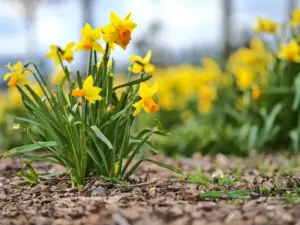
5 Best Bulbs for Fall Planting: Brighten Your Garden This Spring
Are you dreaming of a garden full of vibrant colors in the spring? The key [...]
Aug
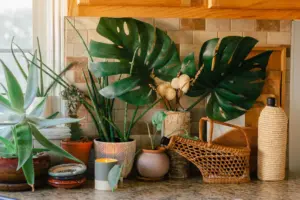
How to Repot Houseplants Like a Pro
Do your houseplants look like they’ve outgrown their pots? Are their roots popping out of [...]
Aug
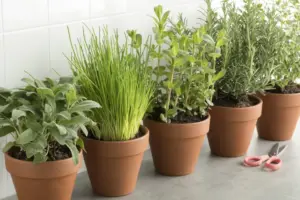
10 Houseplants That Will Thrive in Your Kitchen
Are you tired of your kitchen feeling dull and lifeless? Want to add a little [...]
Aug
Reviews
There are no reviews yet.