


Blue Wild Indigo (Baptisia Australis) Flower Seeds – 50 Seeds, Zones 3-10
Original price was: 32.99 $.12.99 $Current price is: 12.99 $.
Cultivate beautiful, hardy perennials with this pack of blue wild indigo seeds. Also known as false indigo seeds (Baptisia Australis), these 50 seeds produce striking blue flowers and are suitable for USDA Zones 3-10. Ideal for sun to part shade gardens, offering drought tolerance and architectural interest.
Estimated arrival
Sep 19
Sep 24 - Sep 26
Sep 26 - Oct 01
See our Shipping Policy.
Get in touch with us via email, and our team will review your concerns.
Our Alive & Thrive Guarantee covers issues with your plants within the first 30 days. Read our Refund & Returns Policy.
-
USDA Hardiness Zone
3 - 10 -
Soil Type
Average - Dry, well-draining soil -
Sunlight Exposure
Full Sun - Part Shade -
Expected Planting Period
Spring, after last frost (or indoors weeks before)
Overview
Embark on a rewarding gardening journey with our premium pack of blue wild indigo seeds. These exceptional seeds will allow you to grow the magnificent Baptisia Australis, commonly known as False Indigo, a stunning perennial renowned for its vibrant blue flowers and robust nature. Often difficult and expensive to find as mature plants in garden centers, growing Baptisia Australis seeds offers an economical and satisfying way to introduce this captivating native plant into your landscape. The tall, elegant flower spikes emerge in spring, creating a breathtaking display of true blue hues that gracefully arch from the plant. Beyond their floral beauty, these plants develop interesting dried seed pods, adding architectural interest to your garden even after the blooms fade. Ideal for creating a naturalized look or adding a touch of wild elegance, blue wild indigo seeds are a fantastic choice for any gardener.
This species is celebrated for its ease of cultivation from seed, making it accessible even for novice gardeners. Once established, Baptisia Australis is a low-maintenance powerhouse, thriving in a variety of conditions and providing years of beauty. Its deep taproot system contributes to its drought tolerance, making it an excellent candidate for sustainable landscaping. The distinctive foliage and striking blue flowers make these perennial flower seeds a must-have for those seeking long-lasting beauty and ecological benefits in their garden.
Key Benefits
Growing blue wild indigo seeds offers a multitude of advantages for both your garden and the local ecosystem. These resilient plants provide enduring beauty and require minimal upkeep once established.
- Stunning Blue Blooms: Enjoy a spectacular display of true blue flowers in spring, creating a dramatic focal point in your garden. The unique form and color are truly captivating and elevate any landscape design.
- Drought-Tolerant Perennial: Once established, Baptisia Australis is highly drought-tolerant, making it an excellent choice for xeriscaping or gardens in drier climates. This reduces the need for frequent watering, saving time and resources.
- Low Maintenance: These plants are incredibly easy to care for, requiring minimal intervention once mature. They are generally pest and disease resistant, allowing you more time to simply enjoy their beauty.
- Attracts Pollinators: The vibrant flowers are a magnet for various pollinators, including bees and butterflies, contributing to a healthy and thriving garden ecosystem. Planting baptisia australis seeds supports local wildlife.
- Architectural Interest: Even after the flowering period, the plants develop interesting seed pods that add unique texture and structure to your garden through fall and winter, extending their visual appeal.
- Hardy & Resilient: Thriving in USDA Zones 3-10, these robust perennials are incredibly hardy and adaptable to a wide range of climates, ensuring long-term success. They are truly perennial flower seeds that keep on giving.
- Deer Resistant: Baptisia Australis is generally unappealing to deer, which helps protect your garden from browsing damage without the need for chemical deterrents.
Plant Care & Growing Tips
Successfully cultivating blue wild indigo seeds into thriving plants is straightforward with the right approach. For best results, sow seeds outdoors after the last frost, or start them indoors several weeks beforehand. Before planting, it is beneficial to scarify the seeds (gently nicking the seed coat) and then stratify them (cold treatment) for a few weeks to improve germination rates. Once germinated, ensure seedlings receive adequate light to prevent legginess. Transplant outdoor seedlings once they have developed a few sets of true leaves and all danger of frost has passed.
Baptisia Australis thrives in a location that receives full sun to part shade. Full sun (at least 6 hours of direct sunlight per day) will generally result in the most prolific blooming. While adaptable to various soil types, well-draining soil is crucial to prevent root rot. Average garden soil with good drainage is usually sufficient; they are not particular about soil pH. Once established, these plants are remarkably drought-tolerant, requiring infrequent watering. During prolonged dry spells, occasional deep watering will be beneficial, especially for younger plants. Avoid overwatering, as they prefer drier conditions. Fertilization is rarely necessary; these plants are nitrogen fixers, enriching the soil naturally. However, a light application of a balanced, slow-release fertilizer in early spring can promote vigorous growth, especially in poorer soils.
These hardy perennials are suitable for USDA Zones 3-10, tolerating a wide range of temperatures. They are generally resistant to most pests and diseases, making them a low-maintenance choice. Deadheading spent flowers is not strictly necessary unless you wish to prevent self-seeding or prefer a tidier appearance. The dried seed pods offer ornamental value. With proper care, your false indigo seeds will mature into impressive, long-lived plants that enhance your garden for years to come. Remember that drought tolerant seeds like these are an excellent investment for a sustainable and beautiful garden.
Size & Details
This offering includes 50 blue wild indigo seeds (Baptisia Australis), providing ample opportunity to establish a beautiful patch of these hardy perennials. When mature, these plants typically reach a height of 24 to 36 inches with a similar spread of 24 to 36 inches, creating a substantial and impactful presence in the garden. They exhibit a moderate growth rate, establishing themselves well within their first few seasons and becoming more robust with age. The seeds ship in a protective packet, ensuring their viability upon arrival.
Expect blooms to appear in spring, typically from late April through June, depending on your specific climate and planting time. The plants will form strong, upright stems topped with their characteristic blue flower spikes. The striking blue color of the flowers is one of their most attractive features. These perennial flower seeds will yield plants that contribute significantly to your garden’s structure and aesthetic for many years.
Frequently Asked Questions
- Q: How big does blue wild indigo get? A: Blue Wild Indigo (Baptisia Australis) typically grows to a height of 24 to 36 inches and spreads about 24 to 36 inches wide. It forms a substantial, bushy mound that becomes more impressive with age.
- Q: Is this an indoor or outdoor plant? A: Blue Wild Indigo is primarily an outdoor plant, suited for garden beds, borders, and naturalized areas. It requires outdoor conditions to thrive and complete its perennial life cycle.
- Q: How much sunlight do these seeds need to grow? A: For optimal growth and blooming, Baptisia Australis seeds should be planted in a location that receives full sun (at least 6 hours of direct sunlight daily) to part shade. More sun generally leads to more abundant flowers.
- Q: Is this plant easy to care for? A: Yes, once established, blue wild indigo is a very easy-to-care-for plant. It is drought-tolerant, generally pest and disease resistant, and requires minimal maintenance, making it suitable for gardeners of all experience levels.
- Q: What condition will the seeds arrive in? A: The 50 blue wild indigo seeds will arrive in a sealed packet, ensuring their freshness and viability for planting. They are ready for stratification and sowing upon receipt.
- Q: How long until blue wild indigo blooms from seed? A: While the plant will establish foliage in its first year, you can typically expect your first significant blooms from blue wild indigo seeds in the second or third year after planting. Patience is rewarded with spectacular flowers.
- Q: Will it survive winter in my zone? A: Yes, blue wild indigo is extremely hardy and will survive winter in USDA Zones 3 through 10. It is a reliable perennial that will return year after year, even in colder climates.
- Q: What is the best soil for Baptisia Australis? A: Baptisia Australis prefers average to dry, well-draining soil. It is adaptable to various soil types but good drainage is key to prevent root issues.
- Q: Are these false indigo seeds drought tolerant? A: Yes, false indigo seeds grow into plants that are highly drought-tolerant once established, thanks to their deep taproot system. This makes them an excellent choice for water-wise gardening.
- Q: Do I need to stratify these perennial flower seeds? A: Yes, it is highly recommended to cold stratify perennial flower seeds like Baptisia Australis for several weeks to break dormancy and improve germination rates. Scarification can also be beneficial prior to stratification.
Be the first to review “Blue Wild Indigo (Baptisia Australis) Flower Seeds – 50 Seeds, Zones 3-10”
Related products


Flower Seeds


You May Like
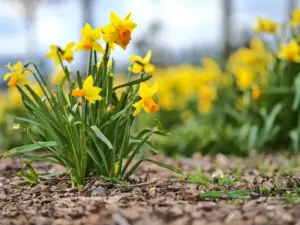
5 Best Bulbs for Fall Planting: Brighten Your Garden This Spring
Are you dreaming of a garden full of vibrant colors in the spring? The key [...]
Aug
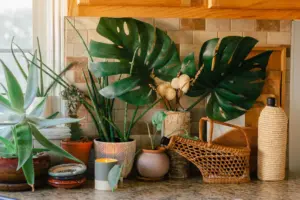
How to Repot Houseplants Like a Pro
Do your houseplants look like they’ve outgrown their pots? Are their roots popping out of [...]
Aug
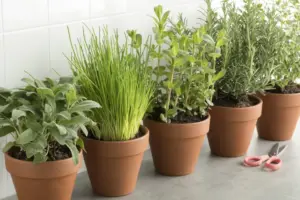
10 Houseplants That Will Thrive in Your Kitchen
Are you tired of your kitchen feeling dull and lifeless? Want to add a little [...]
Aug
Reviews
There are no reviews yet.