
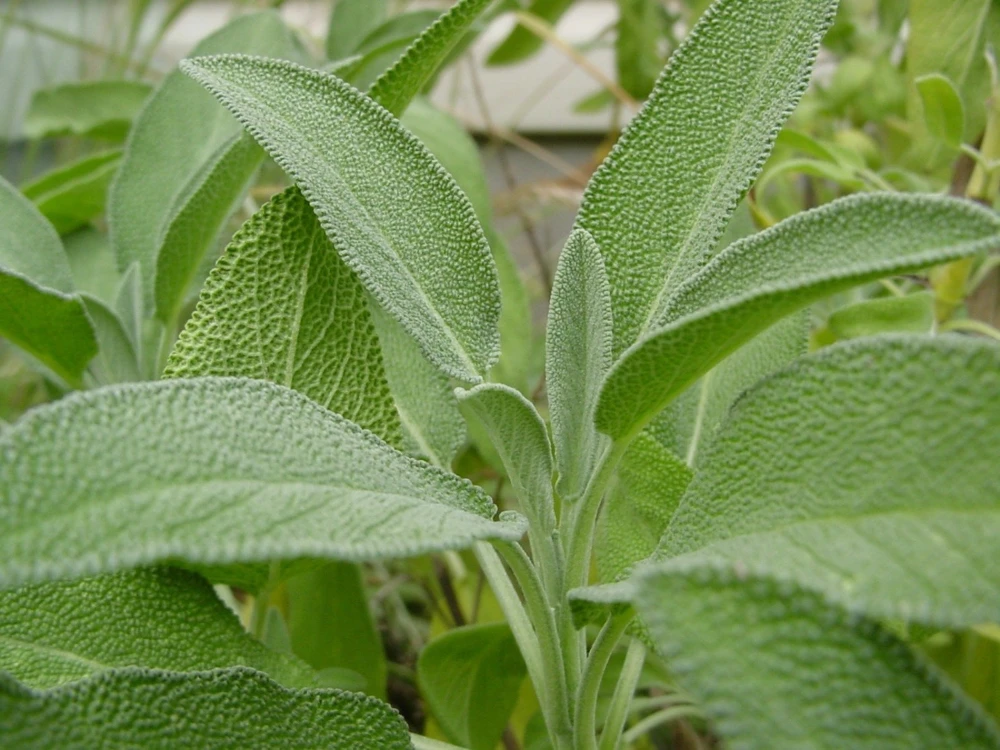
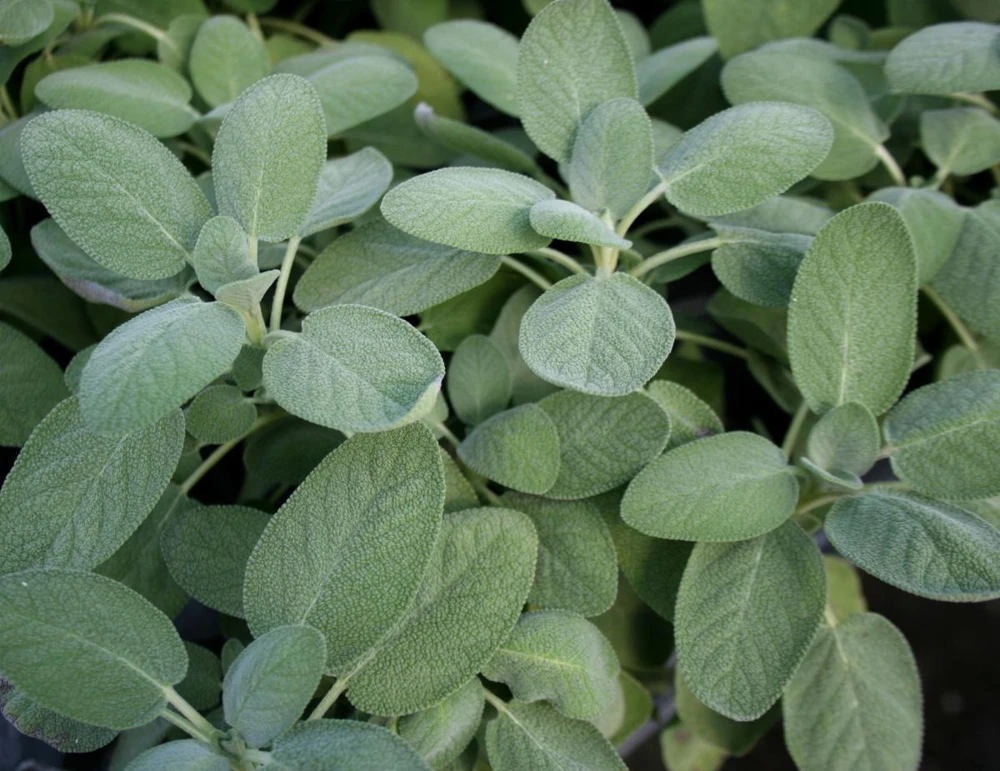
Broadleaf Sage Seeds – Salvia Officinalis Herb Seeds – Garden Sage – Perennial – Full Sun
From 10.77 $
Cultivate your own aromatic garden with broadleaf sage seeds. These Salvia Officinalis seeds grow into robust, perennial plants, perfect for both culinary use and ornamental beauty. Enjoy fresh garden sage seeds with easy cultivation.
Estimated arrival
Sep 19
Sep 24 - Sep 26
Sep 26 - Oct 01
See our Shipping Policy.
Get in touch with us via email, and our team will review your concerns.
Our Alive & Thrive Guarantee covers issues with your plants within the first 30 days. Read our Refund & Returns Policy.
-
USDA Hardiness Zone
Zones 4-9 -
Soil Type
Loam, Peat, Sand -
Sunlight Exposure
Full Sun -
Expected Planting Period
Spring, Summer
Overview
Transform your garden or kitchen herb collection with premium broadleaf sage seeds. This offering provides high-quality Salvia Officinalis seeds, allowing you to cultivate this beloved herb from scratch. Known for its distinct aroma and flavor, broadleaf sage is a staple in many culinary traditions and a beautiful addition to any landscape. These seeds will grow into vigorous, bushy, and compact perennial plants, offering evergreen foliage and a continuous supply of fresh leaves. Whether you’re an experienced gardener or just starting, growing sage from seed is a rewarding experience, providing both aesthetic appeal and practical benefits. Also known as Garden Sage, Common Sage, Kitchen Sage, and Culinary Sage, this versatile herb is highly regarded for its aromatic leaves and ease of cultivation.
Key Benefits
Cultivating broadleaf sage from seed offers numerous advantages for home gardeners and culinary enthusiasts alike. These benefits make it a must-have in any herb garden:
- Culinary Versatility: Fresh sage leaves are indispensable in the kitchen, adding depth to meats, stuffings, sauces, and roasted vegetables. Enjoy the satisfaction of using your own homegrown herbs.
- Aromatic Foliage: The highly aromatic, evergreen foliage of sage not only smells wonderful but also deters certain garden pests, contributing to a healthier garden ecosystem.
- Attractive Landscape Addition: With its compact, bushy growth habit and attractive green leaves, sage makes an excellent ornamental plant for borders, rock gardens, or containers.
- Perennial Growth: As a perennial, your sage plant will return year after year, providing a consistent harvest without the need for annual replanting, making salvia officinalis seeds a long-term investment.
- Easy to Grow: These garden sage seeds are known for their ease of cultivation, making them suitable for gardeners of all experience levels. With basic care, you can expect a thriving plant.
- Drought Tolerance: Once established, sage plants are relatively drought-tolerant, requiring medium watering and thriving in various soil types, simplifying maintenance.
- Pollinator Friendly: While primarily grown for its leaves, sage also produces small flowers that attract beneficial pollinators to your garden.
Plant Care & Growing Tips
Successful cultivation of broadleaf sage seeds requires attention to a few key environmental factors to ensure healthy and robust growth. Sage thrives in full sun, meaning it needs at least 6 hours of direct sunlight per day. Choose a location in your garden that receives ample sun exposure, or if growing indoors, place it near a south-facing window. When it comes to watering, sage prefers medium moisture. Allow the soil to dry out between waterings to prevent root rot, as overwatering can be detrimental. The ideal soil type for sage is well-draining, consisting of loam, peat, and sand, with a slightly acidic to neutral pH between 6.0 and 7.0. Good drainage is crucial for preventing fungal issues and promoting strong root development.
Sage is a hardy perennial, typically thriving in USDA Hardiness Zones 4-9, making it suitable for a wide range of climates. It tolerates both sub-tropical and temperate conditions. Fertilization is generally not heavily required; a balanced, all-purpose fertilizer can be applied sparingly in spring if soil nutrients are low. Common problems like powdery mildew can occur in humid conditions, so ensure good air circulation around the plants. Pests are rarely an issue due to the plant’s strong aroma. For growing sage from seed, start indoors 6-8 weeks before the last frost or sow directly outdoors after the danger of frost has passed. Thin seedlings to 12-18 inches apart once they are a few inches tall to allow for ample growth and air circulation. Proper care will lead to a bountiful harvest of culinary sage seeds.
Size & Details
These broadleaf sage seeds will develop into a compact, bushy perennial herb, typically reaching a height of 1-2 feet and a similar spread. The growth habit is dense, with textured green leaves that are highly aromatic. Sage plants are known for their relatively fast growth rate, especially when provided with optimal conditions. You can expect to begin harvesting leaves within a few months of planting from seed. The plant is shipped as seeds, providing you with the opportunity to grow it from its very beginning. As a perennial, it will establish itself and return each season, providing fresh leaves through Spring, Summer, and Fall. The mature plants are robust and can tolerate various conditions once established, making them a reliable addition to your herb garden.
Frequently Asked Questions
- Q: How big does this plant get? A: Broadleaf sage typically grows to about 1-2 feet tall and wide, forming a compact and bushy mound of foliage. Its size can be managed with regular pruning for a tidier appearance.
- Q: Is this an indoor or outdoor plant? A: Broadleaf sage can be grown both indoors and outdoors. It thrives outdoors in full sun in USDA Zones 4-9, but can also be grown indoors near a sunny window for fresh leaves year-round.
- Q: How much sunlight does it need? A: This plant requires full sun, meaning at least 6 hours of direct sunlight per day, whether planted outdoors or kept indoors. Adequate sunlight is crucial for its aromatic oil production.
- Q: Is this plant easy to care for? A: Yes, sage is considered easy to cultivate. It’s relatively low-maintenance once established, tolerating a range of soil types and requiring medium watering, making growing sage from seed accessible to beginners.
- Q: What condition will it arrive in? A: The product you will receive consists of high-quality salvia officinalis seeds, ready for planting. They will be packaged to ensure their viability upon arrival.
- Q: Can I use broadleaf sage in cooking? A: Absolutely! Broadleaf sage, also known as culinary sage seeds, is a fantastic herb for cooking. Its strong, earthy flavor pairs wonderfully with poultry, pork, vegetables, and in sauces and stuffings.
- Q: How long until it’s ready to harvest? A: You can typically start harvesting sage leaves within 75-90 days after planting the seeds. For the best flavor, harvest leaves before the plant flowers.
- Q: What’s the best time to plant these broadleaf sage seeds? A: For outdoor planting, sow seeds after the last frost in spring. For a head start, you can begin seeds indoors 6-8 weeks before the last expected frost.
- Q: Will it survive winter in my zone? A: Broadleaf sage is a perennial hardy in USDA Zones 4-9. In these zones, it will typically survive winter and grow back in spring. In colder zones, it can be grown as an annual or overwintered indoors.
- Q: What kind of soil does broadleaf sage prefer? A: Sage prefers well-draining soil with a pH between 6.0 and 7.0. A mix of loam, peat, and sand is ideal to ensure proper drainage and root health for your garden sage seeds.
| Seed Amount | 100 Seeds, 12.5K Seeds Or 1/4 Lb, 3000 Seeds Or 1 Oz, 375 Seeds Or 1/8 Oz, 50 Seeds, 6000 Seeds Or 2 Oz, 750 Seeds Or 1/4 Oz |
|---|
Be the first to review “Broadleaf Sage Seeds – Salvia Officinalis Herb Seeds – Garden Sage – Perennial – Full Sun”
Related products


Herb Seeds
10 Mouse Garlic Allium Angulosum Wild Garlic Pink Flower Herb Seeds Pink Flowers Zones 4-8


You May Like
5 Best Bulbs for Fall Planting: Brighten Your Garden This Spring
Are you dreaming of a garden full of vibrant colors in the spring? The key [...]
Aug
How to Repot Houseplants Like a Pro
Do your houseplants look like they’ve outgrown their pots? Are their roots popping out of [...]
Aug
10 Houseplants That Will Thrive in Your Kitchen
Are you tired of your kitchen feeling dull and lifeless? Want to add a little [...]
Aug
Reviews
There are no reviews yet.