
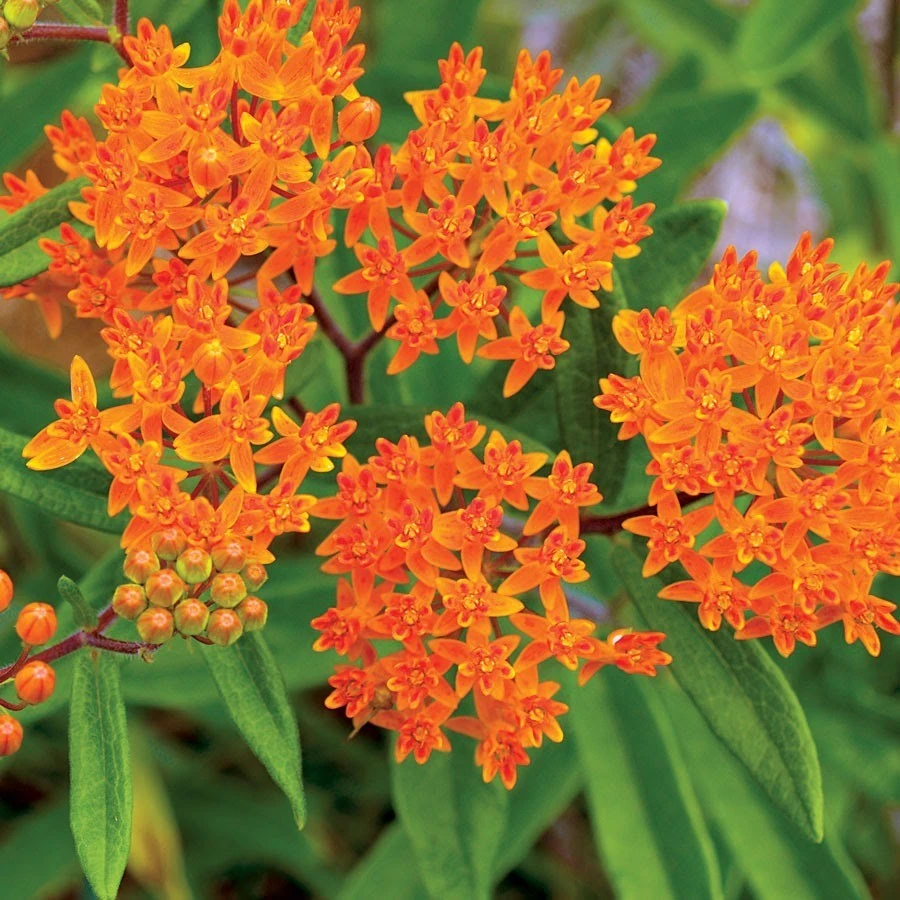
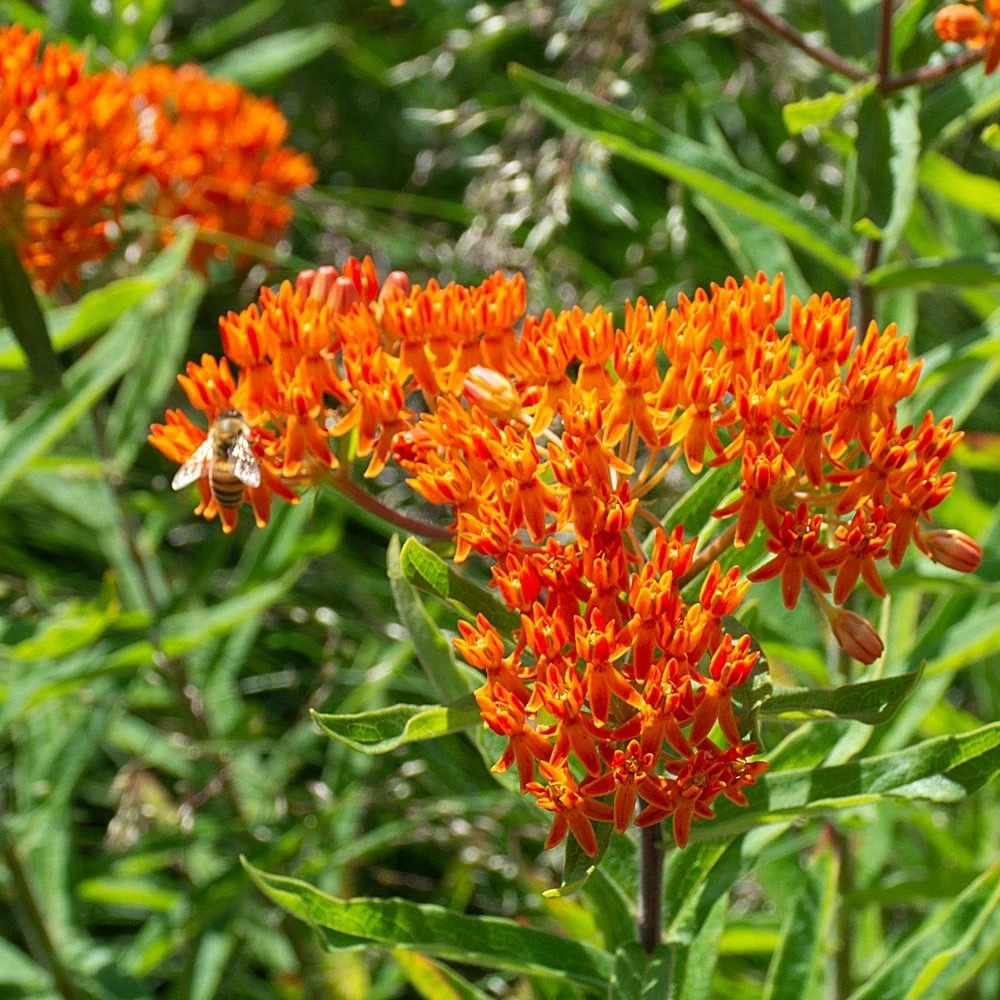
Butterfly Weed Seeds – Orange Milkweed, Asclepias tuberosa, Perennial Flower Seeds, Attracts Pollinators
From 10.77 $
Cultivate beautiful butterfly weed seeds (Asclepias tuberosa) and invite essential pollinators to your garden. These vibrant orange milkweed seeds produce stunning perennial flowers, perfect for creating a wildlife-friendly habitat. Enjoy easy-to-grow, drought-tolerant blooms that support monarch butterflies and other beneficial insects.
Estimated arrival
Sep 18
Sep 23 - Sep 25
Sep 25 - Sep 30
See our Shipping Policy.
Get in touch with us via email, and our team will review your concerns.
Our Alive & Thrive Guarantee covers issues with your plants within the first 30 days. Read our Refund & Returns Policy.
-
USDA Hardiness Zone
Zones 3-11 -
Soil Type
Well-Drained, Sandy or Loamy -
Sunlight Exposure
Full Sun -
Expected Planting Period
Spring to Summer (after cold stratification)
Overview
Transform your garden into a pollinator paradise with these high-quality butterfly weed seeds. Also known as orange milkweed seeds or Pleurisy Root, Asclepias tuberosa is a stunning perennial native to North America, celebrated for its brilliant orange blooms and its crucial role in supporting local ecosystems. These seeds offer an excellent opportunity to cultivate a hardy, drought-tolerant plant that is a vital food source for monarch butterfly caterpillars and a nectar source for a wide array of adult butterflies, bees, and other beneficial insects. Growing asclepias tuberosa seeds is a rewarding experience, providing both beauty and ecological benefit to your outdoor space.
This particular variety of milkweed is known for its clumping growth habit, producing masses of bright orange flowers throughout the summer months. Unlike some other milkweed species, Butterfly Weed does not have milky sap, making it a favorite among gardeners for its clean appearance and ease of handling. It thrives in various climates, from cold to tropical, making it a versatile choice for many USDA Hardiness Zones. Whether you’re an experienced gardener or just starting, these pollinator friendly seeds are a fantastic addition to any garden aiming to support local wildlife and add a splash of vibrant color.
Key Benefits
Planting butterfly weed seeds offers numerous advantages for both your garden and the environment. These resilient flowers are not only aesthetically pleasing but also serve critical ecological functions, making them a must-have for any eco-conscious gardener.
- Attracts Pollinators: The most significant benefit of growing orange milkweed seeds is their ability to draw in a diverse range of pollinators, including monarch butterflies, bees, and other beneficial insects. The nectar-rich flowers provide an essential food source, contributing to a healthier local ecosystem.
- Supports Monarch Butterflies: Asclepias tuberosa is a host plant for monarch butterfly caterpillars, meaning it’s the only plant monarch larvae can eat. By planting these milkweed seeds for monarchs, you directly contribute to the conservation of this iconic species.
- Vibrant Orange Blooms: Enjoy a spectacular display of bright orange flowers that add a cheerful and striking element to your garden beds, borders, or wildflower meadows. The intense color is a true standout.
- Drought-Tolerant: Once established, Butterfly Weed is remarkably drought-tolerant, requiring minimal watering. This makes it an ideal choice for xeriscaping or gardens in areas with water restrictions.
- Low Maintenance Perennial: As a perennial, it returns year after year, saving you the effort of replanting. It’s relatively pest-free and disease-resistant, making it a low-effort addition to your landscape.
- Adapts to Various Climates: Thrives across a wide range of USDA Hardiness Zones (3-11) and can adapt to cold, sub-tropical, temperate, and tropical climates, demonstrating its impressive versatility.
- Native Plant: Being a native species, it is well-adapted to local conditions and contributes to the natural biodiversity of your region, promoting a balanced environment.
Plant Care & Growing Tips
Growing butterfly weed seeds is a straightforward process, though it does require some initial preparation to ensure successful germination and establishment. These plants are remarkably hardy once mature, but understanding their specific needs during the seedling phase is key. For optimal germination, cold stratification is highly recommended. This involves mimicking winter conditions by placing the seeds in a moist medium in the refrigerator for about 4 weeks. After stratification, sow the seeds directly outdoors in late spring after the last frost, or start them indoors 6-8 weeks before the last frost date.
Sunlight Requirements:Orange milkweed seeds germinate best and mature plants thrive in full sun, meaning at least 6 hours of direct sunlight per day. While they can tolerate some partial shade, too little sun will result in fewer blooms and weaker growth. Position your plants in the brightest part of your garden for the most spectacular floral display. This plant is suitable for outdoor cultivation across its wide hardiness zone range.
Watering and Soil: Butterfly Weed prefers well-drained soil and is particularly tolerant of sandy or loamy conditions. Avoid heavy clay soils that retain too much moisture, as this can lead to root rot. Once established, these plants are quite drought-tolerant and require only medium watering. Allow the soil to dry out between waterings. Overwatering is a common mistake. A soil pH between 6.0 and 7.5 is ideal. No specific fertilization is typically needed unless your soil is very poor; a light application of compost in spring is usually sufficient.
Temperature and Hardiness: These plants are hardy perennials across USDA Zones 3-11, making them incredibly adaptable. They can withstand cold winters and hot summers. However, in colder zones, ensuring good drainage is even more crucial to prevent root damage from freezing wet soil. The cultivating difficulty is considered moderate, mainly due to the stratification requirement for germination. Once established, these plants are robust and generally free from major pests or diseases, providing a reliable source of pollinator friendly seeds for years to come.
Size & Details
These butterfly weed seeds will grow into robust perennial plants with a clumping and flowering habit. Mature plants typically reach a height of 1 to 3 feet (30-90 cm) and spread similarly, forming attractive mounds of foliage topped with vibrant orange blooms. The plant habit is clump-forming, flowering, and blooming, providing continuous interest throughout the growing season. Each seed packet contains high-quality asclepias tuberosa seeds, ready for planting. The life cycle is perennial, meaning once planted, they will return year after year, establishing a long-lasting pollinator haven in your garden.
Expect flowers to appear primarily in summer, with some blooming extending into fall. The plants are of moderate cultivating difficulty, primarily due to the need for cold stratification for optimal germination. After planting, allow 18 weeks for the plant to establish and begin its growth cycle. These seeds are a product of the United States, ensuring quality and adaptability to North American climates. The genus is Asclepias tuberosa, commonly known as Milkweed or Butterfly Flower, and is a vital component for those looking to support milkweed seeds for monarchs.
Frequently Asked Questions
- Q: How big does this plant get? A: Mature butterfly weed plants typically grow to a height of 1 to 3 feet and have a similar spread, forming a clumping habit with abundant orange blooms.
- Q: Is this an indoor or outdoor plant? A: This is primarily an outdoor plant. While you can start orange milkweed seeds indoors, the mature plants thrive in full sun conditions in a garden setting.
- Q: How much sunlight does it need? A: Butterfly Weed requires full sun, meaning at least 6 hours of direct sunlight per day, for the best growth and most prolific flowering.
- Q: Is this plant easy to care for? A: The cultivating difficulty for asclepias tuberosa seeds is moderate, mainly due to the cold stratification requirement for germination. Once established, the plants are low-maintenance and drought-tolerant.
- Q: What condition will the seeds arrive in? A: You will receive high-quality butterfly weed seeds in a protective packet, ready for planting according to the provided instructions.
- Q: When is the best time to plant? A: After cold stratification, sow the seeds directly outdoors in late spring after the last frost, or start them indoors 6-8 weeks before the last frost.
- Q: Will it survive winter in my zone? A: Yes, butterfly weed is a perennial hardy in USDA Zones 3-11, meaning it will return year after year even after cold winters.
- Q: What type of soil does it prefer? A: It thrives in well-drained, sandy, or loamy soil with a pH between 6.0 and 7.5. Good drainage is crucial to prevent root rot.
- Q: Do these pollinator friendly seeds really help monarchs? A: Absolutely! Asclepias tuberosa is a vital host plant for monarch butterfly caterpillars, making it essential for their life cycle and a key contributor to monarch conservation efforts.
- Q: How often should I water my orange milkweed? A: Once established, Butterfly Weed is drought-tolerant and prefers medium watering. Allow the soil to dry out completely between waterings to prevent overwatering.
| Seed Quantity | 1000 Seeds Or 1/4 Oz, 150 Seeds Or 1 Gram, 2100 Seeds Or 1/2 Oz, 35 Seeds, 4200 Seeds Or 1 Oz, 500 Seeds Or 1/8 Oz, 75 Seeds Or 1/2 Gram |
|---|
Be the first to review “Butterfly Weed Seeds – Orange Milkweed, Asclepias tuberosa, Perennial Flower Seeds, Attracts Pollinators”
Related products


You May Like

5 Best Bulbs for Fall Planting: Brighten Your Garden This Spring
Are you dreaming of a garden full of vibrant colors in the spring? The key [...]
Aug
How to Repot Houseplants Like a Pro
Do your houseplants look like they’ve outgrown their pots? Are their roots popping out of [...]
Aug
10 Houseplants That Will Thrive in Your Kitchen
Are you tired of your kitchen feeling dull and lifeless? Want to add a little [...]
Aug
Reviews
There are no reviews yet.