


Buttonbush Seeds – White Hummingbird Flower Bush Shrub, 50 Seeds, Outdoor
Original price was: 32.99 $.12.99 $Current price is: 12.99 $.
Cultivate a unique and fragrant garden with buttonbush seeds (Cephalanthus Occidentalis). This shrub produces distinctive white, ball-shaped flowers that attract hummingbirds and other pollinators. Ideal for moist areas, these honeyball shrub seeds are perfect for creating a vibrant, wildlife-friendly landscape.
Estimated arrival
Sep 19
Sep 24 - Sep 26
Sep 26 - Oct 01
See our Shipping Policy.
Get in touch with us via email, and our team will review your concerns.
Our Alive & Thrive Guarantee covers issues with your plants within the first 30 days. Read our Refund & Returns Policy.
-
USDA Hardiness Zone
3 - 6 -
Soil Type
Moist, well-draining soil -
Sunlight Exposure
Full Sun - Part Shade -
Expected Planting Period
Outdoors after frost / Indoors weeks before last frost
Overview
Transform your garden into a pollinator’s paradise with these premium buttonbush seeds. Also known by its scientific name, Cephalanthus Occidentalis, and commonly as Honeyball, this unique woody shrub is celebrated for its distinctive spherical white flowers that bloom from June to August. Each packet contains 50 high-quality seeds, ready to grow into a beautiful and fragrant addition to your outdoor space. The Buttonbush is not only visually appealing but also plays a vital ecological role, attracting hummingbirds, butterflies, and other beneficial insects. It thrives in moist conditions, making it an excellent choice for planting near ponds, streams, or in rain gardens. These cephalanthus occidentalis seeds offer a rewarding gardening experience for both beginners and seasoned enthusiasts, promising a vibrant display and a haven for local wildlife.
The Buttonbush, a native North American plant, is a hardy and adaptable shrub that can reach impressive heights of 4 to 8 feet. Its unique flower heads are a conversation starter, resembling dainty pincushions that exude a sweet fragrance. This plant is a true multi-tasker in the garden, providing nectar for pollinators, serving as a host plant for the Sphinx Moth, and offering nesting sites for songbirds. Planting buttonbush seeds allows you to contribute to local biodiversity while enjoying the natural beauty this shrub brings. Its ease of care and resilience make it a fantastic choice for various landscape designs, from naturalized areas to more formal garden settings.
Key Benefits
Adding the Buttonbush to your garden offers a multitude of advantages, enhancing both its aesthetic appeal and ecological value. Growing from buttonbush seeds is a sustainable way to introduce this beneficial plant.
- Attracts Pollinators: The fragrant white flowers are a magnet for hummingbirds, butterflies, and bees, making your garden a lively hub of activity. This makes it an ideal choice for a hummingbird bush seeds project.
- Unique Ornamental Value: The distinct spherical flower heads provide an unusual and captivating visual interest that stands out from typical garden shrubs.
- Supports Wildlife: Beyond pollinators, the Buttonbush serves as a host plant for the Sphinx Moth and offers valuable nesting sites for songbirds, contributing to local wildlife conservation.
- Adaptable & Hardy: Thrives in a wide range of conditions, particularly moist soils, and is highly resilient, making it suitable for various climates and garden types.
- Low Maintenance: Once established, the Buttonbush requires minimal care, making it an excellent option for gardeners seeking a beautiful yet easy-to-manage shrub.
- Fragrant Blooms: Enjoy a delightful, sweet fragrance emanating from the blossoms throughout the summer months, enhancing your outdoor living spaces.
- Erosion Control: Its strong root system makes it an excellent choice for planting along stream banks or ponds, helping to prevent soil erosion.
Plant Care & Growing Tips
Cultivating a healthy Buttonbush from cephalanthus occidentalis seeds is a straightforward process, especially if you provide the right conditions. For best results, sow seeds outdoors after the last frost, or start them indoors several weeks beforehand for an earlier bloom. Ensure the soil remains consistently moist, as Buttonbush naturally thrives in wetlands and along water margins. A location with full sun to part shade is ideal; while it can tolerate some shade, more sunlight generally leads to more abundant flowering. The plant is hardy in USDA Zones 3-6, demonstrating its ability to withstand cold winters.
When it comes to soil, the Buttonbush prefers moist, well-draining soil, but it is quite adaptable to various soil types, including clay. Regular watering is crucial, especially during dry spells or if planted in a less naturally moist area. Fertilization is generally not heavily required; a balanced, slow-release fertilizer in spring can encourage robust growth if your soil is poor. Pruning can be done in late winter or early spring to maintain shape or remove any dead or damaged branches. Watch out for common pests like aphids, which can be managed with organic insecticidal soaps. By following these simple guidelines, your white buttonbush flower will flourish, providing years of enjoyment and ecological benefit.
Size & Details
This offering includes 50 high-quality buttonbush seeds, ready for planting. Once established, the Buttonbush shrub (Cephalanthus Occidentalis) typically grows to a mature height of 48 to 96 inches (4 to 8 feet) with a spread of 36 to 60 inches (3 to 5 feet). Its growth rate is moderate, allowing it to establish a significant presence in your garden within a few seasons. The spherical white flowers bloom profusely from June through August, creating a continuous display of beauty and fragrance. These seeds are perfect for cultivating a medium to large shrub ideal for back borders, naturalized areas, or alongside water features. Expect the plant to start flowering within 1-2 years from seed, depending on growing conditions and care.
Frequently Asked Questions
- Q: How many buttonbush seeds are included in this packet? A: Each packet contains 50 high-quality Buttonbush seeds, providing ample opportunity to grow multiple shrubs for your garden.
- Q: Is Buttonbush an indoor or outdoor plant? A: The Buttonbush (Cephalanthus Occidentalis) is an outdoor shrub that thrives in garden settings, particularly in moist areas. It is not typically grown as an indoor plant.
- Q: What are the light requirements for growing cephalanthus occidentalis seeds? A: Buttonbush prefers full sun to part shade. It will produce the most abundant blooms in full sun (at least 6 hours of direct sunlight daily).
- Q: How tall does a Buttonbush shrub typically grow? A: A mature Buttonbush can reach heights of 4 to 8 feet (48 to 96 inches), with a spread of 3 to 5 feet.
- Q: When is the best time to plant honeyball shrub seeds? A: You can plant Buttonbush seeds outdoors after the last frost in spring, or start them indoors several weeks before the last frost for an earlier head start.
- Q: What kind of soil does Buttonbush prefer? A: Buttonbush thrives in moist, well-draining soil. It is very tolerant of various soil types, including clay, as long as it receives consistent moisture.
- Q: Will Buttonbush attract hummingbirds to my garden? A: Yes, the fragrant white flowers of the Buttonbush are highly attractive to hummingbirds, butterflies, and other pollinators, making it an excellent choice for a wildlife garden, hence the name hummingbird bush seeds.
- Q: Is this plant difficult to care for? A: Buttonbush is generally considered a low-maintenance shrub once established. Its primary requirements are consistent moisture and adequate sunlight.
- Q: What USDA hardiness zones is Buttonbush suitable for? A: Buttonbush is hardy in USDA Zones 3-6, indicating its ability to withstand cold temperatures in these regions.
- Q: How long until the Buttonbush flowers after planting seeds? A: While growth varies, you can typically expect your Buttonbush to begin flowering within 1-2 years after planting the seeds, with more significant blooms as it matures.
Be the first to review “Buttonbush Seeds – White Hummingbird Flower Bush Shrub, 50 Seeds, Outdoor”
Related products


You May Like
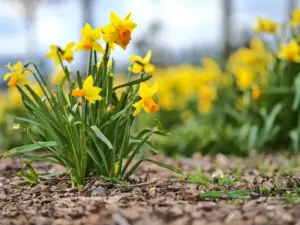
5 Best Bulbs for Fall Planting: Brighten Your Garden This Spring
Are you dreaming of a garden full of vibrant colors in the spring? The key [...]
Aug
How to Repot Houseplants Like a Pro
Do your houseplants look like they’ve outgrown their pots? Are their roots popping out of [...]
Aug
10 Houseplants That Will Thrive in Your Kitchen
Are you tired of your kitchen feeling dull and lifeless? Want to add a little [...]
Aug
Reviews
There are no reviews yet.