
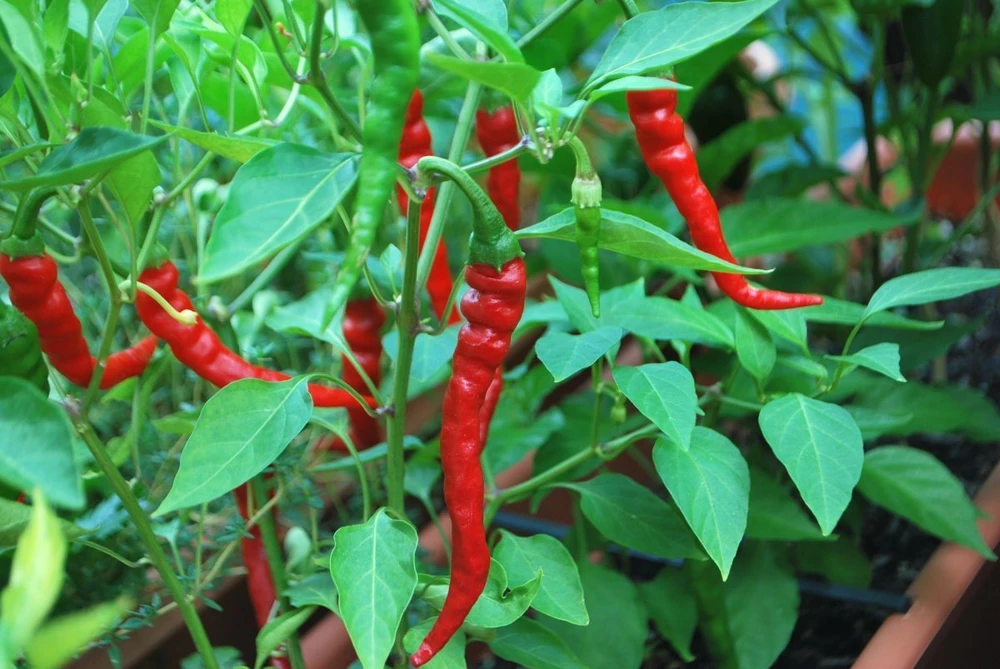
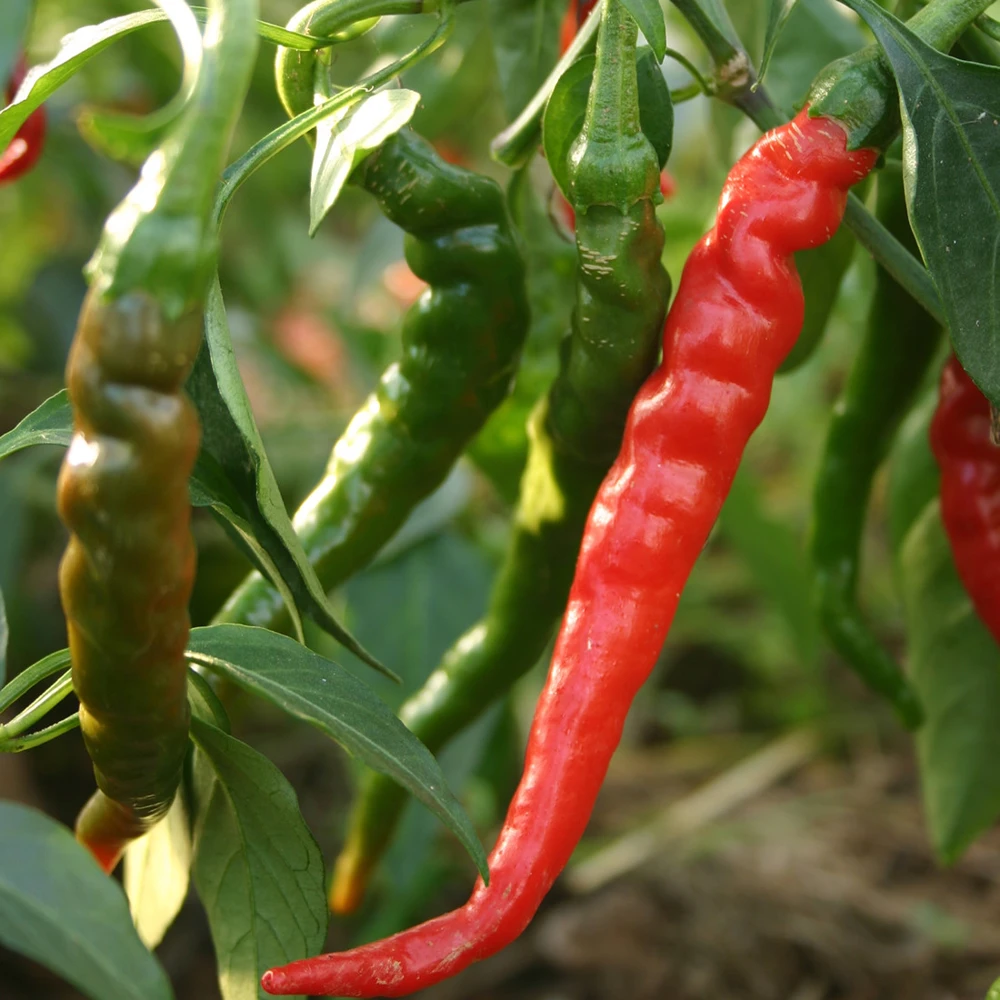
Cayenne Long Red Thin Pepper Seeds – Capsicum annuum longum – Zones 3-12
From 10.77 $
Cultivate your own spicy harvest with cayenne long red thin pepper seeds. These versatile seeds are perfect for growing thin cayenne pepper plants that yield flavorful red peppers. Ideal for home gardeners seeking a rewarding and productive crop.
Estimated arrival
Sep 18
Sep 23 - Sep 25
Sep 25 - Sep 30
See our Shipping Policy.
Get in touch with us via email, and our team will review your concerns.
Our Alive & Thrive Guarantee covers issues with your plants within the first 30 days. Read our Refund & Returns Policy.
-
USDA Hardiness Zone
Zones 3-12 -
Soil Type
Loam, Sand, well-draining -
Sunlight Exposure
Full Sun -
Expected Planting Period
Spring to early summer (after last frost)
Overview
Embark on a rewarding gardening journey with our premium cayenne long red thin pepper seeds. These high-quality seeds are perfect for cultivating vibrant, productive pepper plants in your home garden. Known scientifically as Capsicum annuum longum, the Cayenne pepper is a popular variety celebrated for its slender, bright red fruits and moderate heat. Whether you’re a seasoned gardener or just starting out, growing your own cayenne long red thin pepper seeds offers the satisfaction of fresh, homegrown produce right at your fingertips. These peppers are incredibly versatile, adding a delightful kick to a wide array of culinary dishes.
The thin cayenne pepper is characterized by its elongated shape and fiery color, making it an attractive addition to any vegetable patch. Our seeds are selected for their viability and genetic purity, ensuring a strong start for your plants. You’ll enjoy the process of nurturing these seeds from tiny sprouts into mature plants laden with delicious peppers. Prepare to harvest a bounty of fresh, spicy peppers that will elevate your cooking and provide a healthy, flavorful ingredient for your family.
Key Benefits
Growing cayenne long red thin pepper seeds offers numerous advantages, from culinary delight to the simple joy of gardening. Here are some of the key benefits you can expect:
- Culinary Versatility: The thin red peppers produced from these seeds are perfect for drying, grinding into chili powder, or using fresh in salsas, sauces, and stir-fries. They add a pleasant heat and distinctive flavor to many dishes.
- Easy to Grow: Cayenne long red thin pepper seeds are relatively straightforward to cultivate, making them an excellent choice for gardeners of all experience levels. With proper care, you can expect a bountiful harvest.
- High Yielding Plants: These pepper plants are known for their prolific production, providing a continuous supply of peppers throughout the growing season. You’ll have plenty of fresh peppers to enjoy and share.
- Attractive Garden Addition: The bright red peppers standing out against green foliage make these plants an ornamental asset to your garden beds or containers.
- Freshness and Flavor: Nothing compares to the taste of homegrown peppers. You control the growing conditions, ensuring your peppers are free from unwanted chemicals and bursting with fresh flavor.
- Economical Choice: Growing your own peppers from capsicum annuum longum seeds is a cost-effective way to enjoy fresh produce, significantly reducing your grocery bill for specialty peppers.
- Health Benefits: Cayenne peppers are rich in vitamins, particularly Vitamin C, and contain capsaicin, which is known for its potential health benefits, including pain relief and metabolic support.
Plant Care & Growing Tips
To successfully grow cayenne peppers from our cayenne long red thin pepper seeds, follow these essential care and growing tips. Peppers thrive in warm conditions, so timing your planting is crucial. Start seeds indoors 8-10 weeks before the last expected frost date in your area. Plant seeds about 1/4 inch deep in good quality seed-starting mix. Maintain soil temperatures between 70-85°F (21-29°C) for optimal germination.
Once seedlings have developed a few sets of true leaves and all danger of frost has passed, transplant them outdoors into a location that receives full sun – ideally 6-8 hours of direct sunlight per day. The ideal soil type for these peppers is a well-draining loam or sandy soil with a pH between 7.0 and 8.5. Amend heavy clay soils with organic matter to improve drainage. Space plants 18-24 inches apart. Water regularly, especially during dry spells and when fruits are developing. Aim for consistently moist, but not waterlogged, soil. Overwatering can lead to root rot, while underwatering can stunt growth and reduce yields of your red pepper seeds. Fertilize every 2-4 weeks with a balanced fertilizer once plants start producing flowers and fruits. Support taller plants with stakes to prevent them from falling over under the weight of the peppers.
Cayenne peppers are generally resilient, but keep an eye out for common pests like aphids and spider mites. Use organic pest control methods if necessary. Harvest peppers when they are fully red and firm. The more you pick, the more the plant will produce. These plants are suitable for USDA Hardiness Zones 3-12, though in colder zones, they are typically grown as annuals or started indoors.
Size & Details
These cayenne long red thin pepper seeds will mature into robust plants, typically reaching a height of 2-3 feet (60-90 cm) tall and spreading about 1-2 feet (30-60 cm) wide. The peppers themselves are slender, usually measuring 4-6 inches (10-15 cm) in length, and turn a vibrant red when ripe. Each seed packet contains a generous quantity of seeds, ensuring you have ample opportunity to cultivate a successful crop of thin cayenne pepper plants. The growth rate is moderate, with plants typically beginning to produce peppers 70-80 days after transplanting. You will receive a packet of seeds, ready for planting, allowing you to begin your gardening project at your convenience.
Frequently Asked Questions
- Q: How many seeds are in a packet of cayenne long red thin pepper seeds? A: Each packet contains a generous quantity of seeds, typically enough for multiple plantings or a sizable home garden, ensuring a good yield.
- Q: Is this an indoor or outdoor plant? A: While cayenne long red thin pepper seeds are primarily grown outdoors, they can be successfully grown in containers indoors if provided with adequate light (such as a sunny window or grow lights) and consistent warmth.
- Q: How much sunlight do these peppers need? A: Cayenne peppers require at least 6-8 hours of direct sunlight per day to thrive and produce a good harvest. Full sun exposure is crucial for optimal growth and fruit development.
- Q: Is this plant easy to care for for beginners? A: Yes, growing cayenne long red thin pepper seeds is considered relatively easy. As long as basic requirements for sun, water, and soil are met, even beginner gardeners can expect a successful crop.
- Q: What condition will the seeds arrive in? A: The seeds will arrive in a sealed packet, ensuring their freshness and viability for planting. They are dormant and ready for you to start the germination process.
- Q: When is the best time to plant these seeds? A: For outdoor planting, it’s best to start the capsicum annuum longum seeds indoors 8-10 weeks before your last frost date, then transplant seedlings outdoors after all danger of frost has passed.
- Q: Will red pepper seeds survive winter in my zone? A: Cayenne peppers are tender perennials in warmer climates (USDA Zones 9-12) but are typically grown as annuals in colder zones. They will not survive freezing temperatures.
- Q: Can I use the peppers from these thin cayenne pepper plants for drying? A: Absolutely! These peppers are ideal for drying, either by stringing them up or using a dehydrator, and can then be ground into homemade cayenne pepper powder.
- Q: What is the ideal soil pH for growing these peppers? A: Cayenne peppers prefer a slightly acidic to neutral soil pH, ideally between 7.0 and 8.5, for best nutrient absorption and growth.
- Q: How often should I water my cayenne pepper plants? A: Water regularly to keep the soil consistently moist but not waterlogged. Check the soil moisture daily and water when the top inch or two feels dry to the touch.
| Seed Amount | 100 Seeds, 1000 Seeds Or 1/4 Oz, 16K Seeds Or 1/4 Lb, 200 Seeds, 2000 Seeds Or 1/2 Oz, 4000 Seeds Or 1 Oz, 50 Seeds, 500 Seeds Or 1/8 Oz, 8000 Seeds Or 2 Oz |
|---|
Be the first to review “Cayenne Long Red Thin Pepper Seeds – Capsicum annuum longum – Zones 3-12”
Related products


You May Like
5 Best Bulbs for Fall Planting: Brighten Your Garden This Spring
Are you dreaming of a garden full of vibrant colors in the spring? The key [...]
Aug
How to Repot Houseplants Like a Pro
Do your houseplants look like they’ve outgrown their pots? Are their roots popping out of [...]
Aug
10 Houseplants That Will Thrive in Your Kitchen
Are you tired of your kitchen feeling dull and lifeless? Want to add a little [...]
Aug
Reviews
There are no reviews yet.