
Clasping Coneflower Seeds – Dracopis Amplexicaulis Wildflower Seeds, Yellow
From 10.77 $
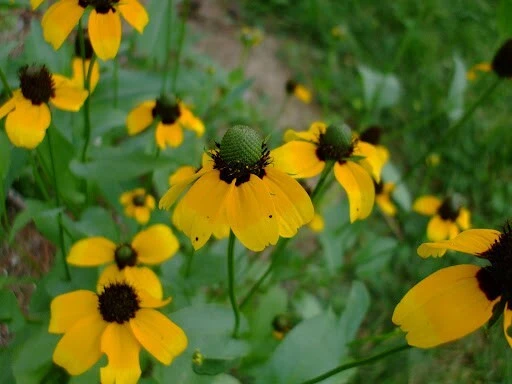
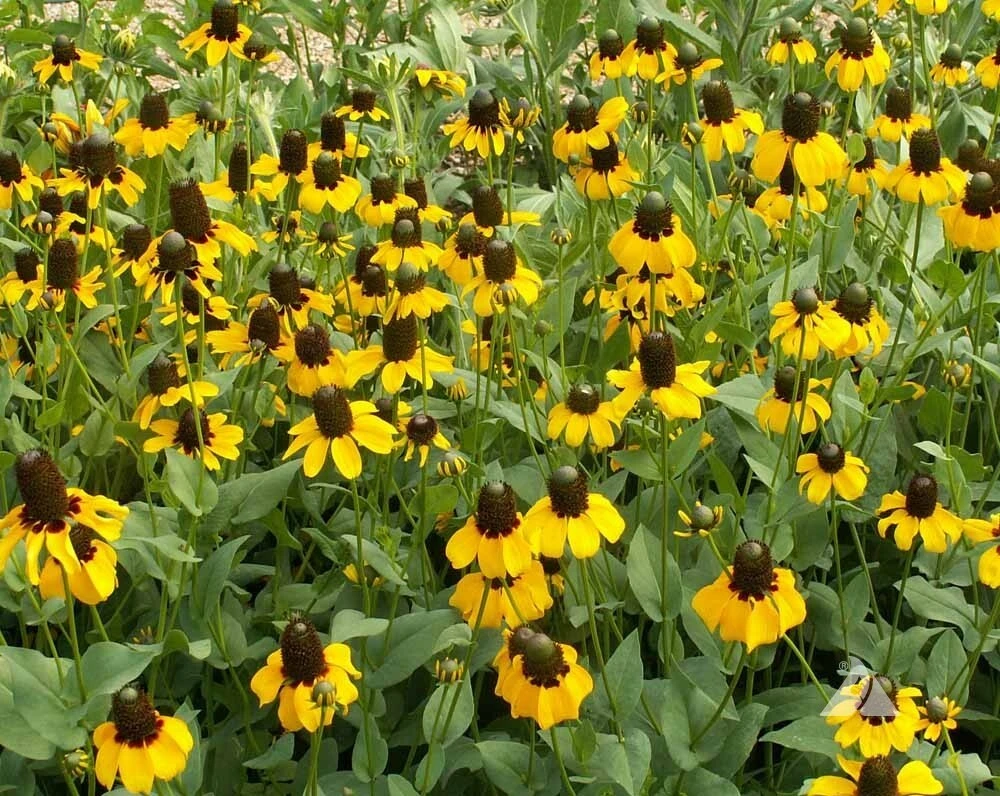
Cultivate vibrant clasping coneflower seeds (Dracopis Amplexicaulis) in your garden. These easy-to-grow annual wildflowers feature striking yellow blooms, perfect for attracting pollinators and adding a touch of native beauty to sunny or partially shaded areas. Enjoy a continuous display of these unique, Black-Eyed Susan lookalikes from fall through spring.
Estimated arrival
Sep 19
Sep 24 - Sep 26
Sep 26 - Oct 01
See our Shipping Policy.
Get in touch with us via email, and our team will review your concerns.
Our Alive & Thrive Guarantee covers issues with your plants within the first 30 days. Read our Refund & Returns Policy.
-
USDA Hardiness Zone
Zones 3-12 -
Soil Type
Clay, Loam, Sand (well-draining) -
Sunlight Exposure
Partial Shade, Full Sun -
Expected Planting Period
Spring after last frost (after cold stratification)
Overview
Transform your garden into a haven for pollinators with clasping coneflower seeds. Also known by its botanical name Dracopis Amplexicaulis, or more commonly Clasping-Leaf Coneflower, these delightful annual wildflowers are a fantastic choice for gardeners seeking low-maintenance yet visually stunning blooms. Originating from the United States, these native seeds produce vibrant yellow flowers that bear a striking resemblance to Black-Eyed Susans, adding cheerful color and natural charm to any landscape. Ideal for meadow plantings, borders, or naturalized areas, clasping coneflower seeds are an excellent way to introduce biodiversity and support local ecosystems. Growing these unique coneflowers from seed is a rewarding experience, providing a continuous display of sunshine-yellow petals throughout their long blooming season.
The Dracopis Amplexicaulis, or clasping coneflower seeds, are renowned for their distinctive foliage, where the leaves appear to ‘clasp’ the stem, giving the plant its common name. These hardy annuals are incredibly adaptable and thrive in a variety of conditions, making them suitable for many regions across the US. Whether you are an experienced gardener or just starting, these seeds offer an accessible path to cultivating beautiful wildflowers that enhance your outdoor space and contribute to local wildlife habitats.
Key Benefits
Planting clasping coneflower seeds offers a multitude of advantages for both your garden and the environment. These native wildflowers are not just beautiful but also play an important role in ecological balance:
- Pollinator Attraction: The bright yellow flowers are a magnet for bees, butterflies, and other beneficial insects, helping to support local pollinator populations and enhance the health of your garden.
- Easy to Grow: Known for their ‘easy’ cultivating difficulty, these annual seeds are perfect for beginners and experienced gardeners alike, requiring minimal fuss once established.
- Drought Tolerant: Once mature, clasping coneflower seeds develop into plants that are quite tolerant of dry conditions, making them a smart choice for water-wise gardening.
- Long Blooming Season: Enjoy a prolonged display of cheerful yellow flowers from fall through spring, providing continuous color when many other plants are fading.
- Native Wildflower: As a native species, Dracopis Amplexicaulis is well-adapted to local climates and soils, making it a sustainable and ecologically sound choice for your garden.
- Versatile Landscape Use: Excellent for naturalizing, creating wildflower meadows, adding to borders, or planting in containers, offering flexibility in garden design.
- Unique Appearance: The distinctive ‘clasping’ leaves and Black-Eyed Susan lookalike flowers provide an interesting and attractive focal point in any garden setting.
Plant Care & Growing Tips
Cultivating clasping coneflower seeds is straightforward, making it a joy for any gardener. These annual wildflowers prefer a location with full sun to partial shade, meaning they need at least 6 hours of direct sunlight per day for optimal growth and flowering. While they can tolerate some shade, more sun generally leads to more abundant blooms. They are quite adaptable to various soil types, thriving in clay, loam, or sand, as long as the soil is well-draining. A soil pH between 6.0 and 7.0 is ideal. Before planting, it is recommended to cold stratify the seeds for 4 weeks; this mimics natural winter conditions and encourages germination. Sow the seeds directly into prepared soil after the last frost, lightly covering them.
Watering requirements for clasping coneflower seeds are light. Once established, these plants are relatively drought-tolerant, but consistent moisture during germination and early growth is crucial. Avoid overwatering, as this can lead to root rot. They are annuals, completing their life cycle within one growing season, typically blooming from fall through spring depending on your climate. These resilient plants are suitable for USDA Hardiness Zones 3-12, demonstrating their wide adaptability to different temperature ranges. Fertilization is generally not heavily required in average garden soils; however, a light application of a balanced fertilizer can promote vigorous growth in poorer soils. Keep an eye out for common garden pests, though Dracopis Amplexicaulis is generally quite robust and resistant.
Size & Details
These clasping coneflower seeds will grow into upright, flowering annual plants, typically reaching a modest height that makes them suitable for various garden applications. The germination process benefits significantly from a 4-week cold stratification period, after which they are ready for planting. Once planted, expect blooms to appear during the fall and spring seasons, providing vibrant yellow color for an extended period. The plants exhibit an upright growth habit, forming attractive clumps of foliage and flowers. As annuals, they complete their life cycle within one year, often self-seeding to return in subsequent seasons if conditions are favorable. The seeds are produced in the United States, ensuring a native and well-adapted variety for your garden.
The distinctive Black Eyed Susan lookalike features make these flowers a standout. They are best grown outdoors, thriving in a range of climates from arid to humid subtropical and semiarid. The adaptable nature of clasping coneflower seeds means they can flourish in a wide spectrum of garden environments, from formal beds to wilder, naturalized areas. Their easy cultivating difficulty further enhances their appeal, making them a rewarding choice for gardeners of all skill levels.
Frequently Asked Questions
- Q: How big do clasping coneflower seeds grow? A: Clasping Coneflower plants typically exhibit an upright growth habit. While exact heights can vary based on growing conditions, they generally reach a moderate size suitable for garden beds and meadows, adding vertical interest without becoming overly tall.
- Q: Is this an indoor or outdoor plant? A: These are primarily outdoor plants. Clasping coneflower seeds are intended for cultivation in garden beds, wildflower meadows, or outdoor containers, thriving in natural sunlight and open-air conditions.
- Q: How much sunlight does growing clasping coneflower need? A: Clasping Coneflowers prefer full sun to partial shade. For the best flowering performance and robust growth, aim for at least 6 hours of direct sunlight per day. They can tolerate some afternoon shade in hotter climates.
- Q: Is this plant easy to care for? A: Yes, the cultivating difficulty for Clasping Coneflowers is rated as ‘Easy’. They are quite resilient and adaptable, making them an excellent choice for beginner gardeners or those seeking low-maintenance wildflowers.
- Q: When is the best time to plant coneflower wildflower seeds? A: After a period of cold stratification, the best time to plant these seeds is typically after the last frost in spring. This allows the annuals to establish and bloom through the fall and into the next spring.
- Q: What soil type do these seeds prefer? A: Clasping Coneflowers are adaptable and can grow in clay, loam, or sand. The most important factor is well-draining soil, with a preferred pH range of 6.0 – 7.0 for optimal health.
- Q: Will yellow coneflower seeds attract pollinators to my garden? A: Absolutely! The bright yellow blooms of the Clasping Coneflower are highly attractive to various pollinators, including bees and butterflies, making them a beneficial addition to any pollinator-friendly garden.
- Q: What is the USDA Hardiness Zone for this plant? A: Clasping Coneflowers are quite hardy and can thrive across a broad range of climates, suitable for USDA Hardiness Zones 3-12. This wide range highlights their adaptability to different environmental conditions.
- Q: Do these dracopis amplexicaulis seeds require cold stratification? A: Yes, for optimal germination, the seeds benefit from cold stratification for 4 weeks. This process helps to break seed dormancy and encourages more successful sprouting.
- Q: How much watering do Clasping Coneflowers need? A: These plants have light watering needs. Once established, they are relatively drought-tolerant. Ensure consistent moisture during the germination and seedling stages, but avoid overwatering mature plants.
| Seed Quantity | 10.5K Seeds Or 1/4 Oz, 1500 Seeds Or 1 Gram, 170K Seeds Or 1/4 Lb, 42K Seeds Or 1 Oz, 5250 Seeds Or 1/8 Oz, 750 Seeds Or 1/2 Gram, 85K Seeds Or 2 Oz |
|---|
Be the first to review “Clasping Coneflower Seeds – Dracopis Amplexicaulis Wildflower Seeds, Yellow”
Related products


Flower Seeds
Blue Stock Matthiola Incana Seeds – 50 Fragrant Gillyflower Seeds – Ten-Week Blue Stock
You May Like
5 Best Bulbs for Fall Planting: Brighten Your Garden This Spring
Are you dreaming of a garden full of vibrant colors in the spring? The key [...]
Aug
How to Repot Houseplants Like a Pro
Do your houseplants look like they’ve outgrown their pots? Are their roots popping out of [...]
Aug
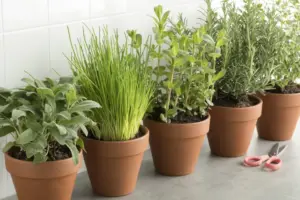
10 Houseplants That Will Thrive in Your Kitchen
Are you tired of your kitchen feeling dull and lifeless? Want to add a little [...]
Aug
Reviews
There are no reviews yet.