
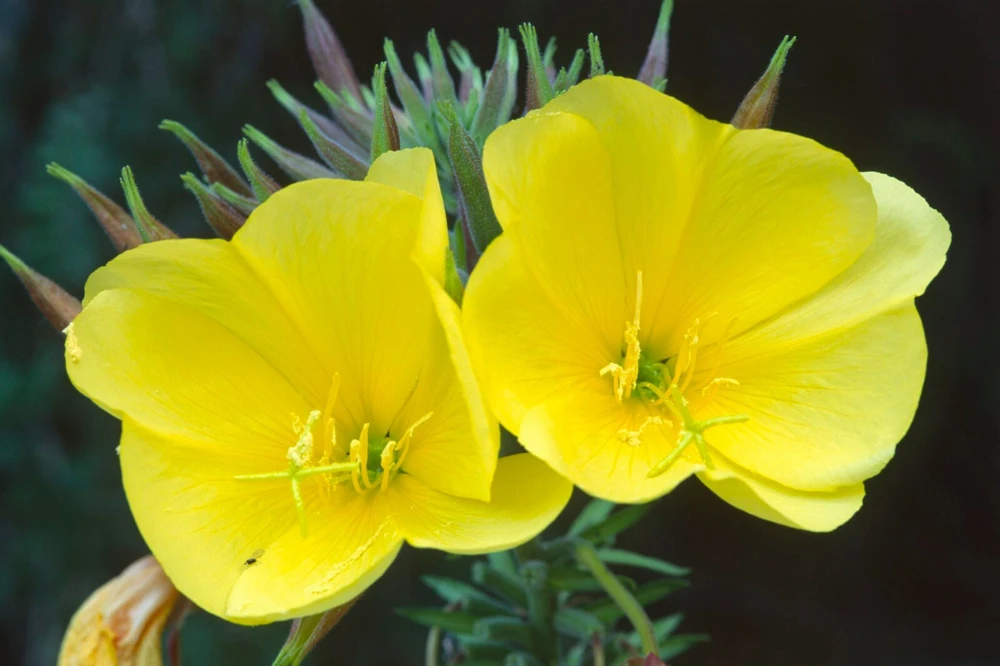
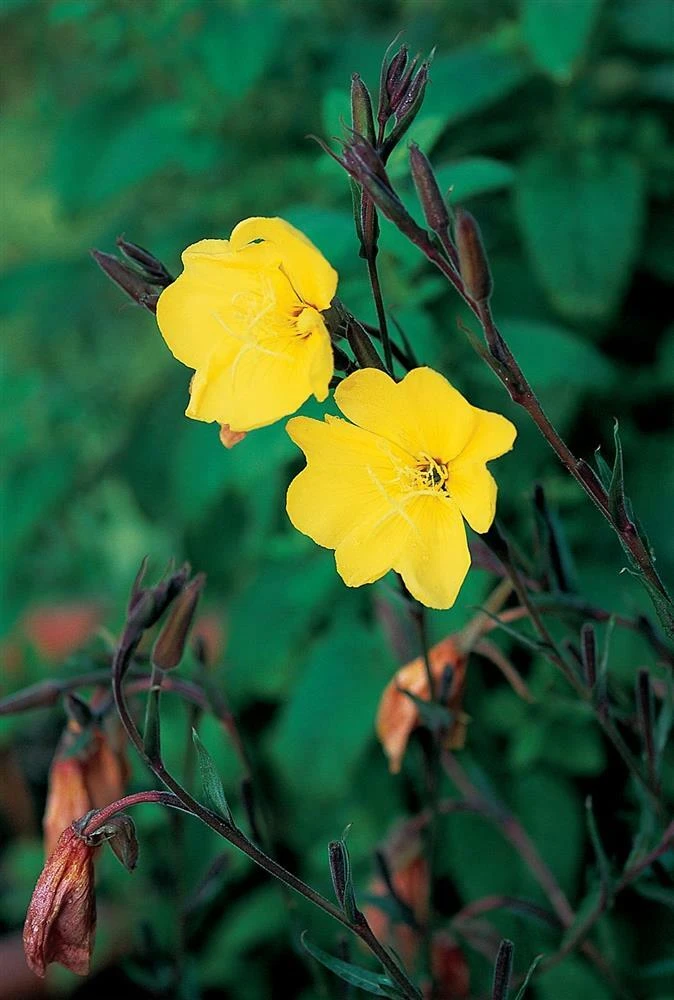
Common Evening Primrose Seeds – Yellow Flowers, Fragrant Perennial, Zones 3-12
From 10.77 $
Cultivate stunning common evening primrose seeds and enjoy beautiful, fragrant yellow blooms that open in the evening. These easy-to-grow perennial flowers are perfect for zones 3-12.
Estimated arrival
Sep 19
Sep 24 - Sep 26
Sep 26 - Oct 01
See our Shipping Policy.
Get in touch with us via email, and our team will review your concerns.
Our Alive & Thrive Guarantee covers issues with your plants within the first 30 days. Read our Refund & Returns Policy.
-
USDA Hardiness Zone
Zones 3-12 -
Soil Type
Light Soil, Well Drained -
Sunlight Exposure
Full Sun or Partial Shade -
Expected Planting Period
Spring to Fall
Overview
Discover the charm of the garden with our premium common evening primrose seeds. These delightful seeds will grow into robust plants that produce an abundance of beautiful, vibrant yellow flowers, known for their captivating fragrance that becomes particularly noticeable as evening approaches. The scientific name, Oenothera lamarckiana, hints at the plant’s unique characteristics. As a perennial, once established, these plants will return year after year, offering a reliable display of color and scent. Ideal for gardeners looking to add a touch of natural elegance and late-day beauty to their outdoor spaces, these evening primrose seeds are a fantastic choice for borders, rock gardens, or naturalized areas.
Known for their resilience and ease of cultivation, common evening primrose seeds are suitable for gardeners of all experience levels. The mat-forming growth habit creates a lovely ground cover effect or a full, bushy appearance in a mixed bed. These seeds are a wonderful way to introduce a touch of the wild into your cultivated garden, attracting pollinators and providing visual interest throughout the summer and fall. Embrace the simple beauty and enchanting fragrance that these magnificent yellow blooms bring to your landscape.
Key Benefits
Planting these common evening primrose seeds offers numerous advantages, transforming your garden into a vibrant and aromatic sanctuary. The benefits extend beyond mere aesthetics, contributing to a healthier and more enjoyable outdoor environment.
- Stunning Evening Blooms: Experience the magic of bright yellow flowers that unfurl in the late afternoon and evening, creating a spectacular display when many other garden plants are closing for the day. Their radiant color is a true garden highlight.
- Enchanting Fragrance: Enjoy a delicate, sweet fragrance that emanates from the flowers, particularly pronounced in the evening. This natural perfume adds another layer of sensory delight to your garden experience.
- Attracts Pollinators: These flowers are a magnet for nocturnal pollinators, including moths, contributing to the biodiversity and health of your garden ecosystem. They play a vital role in supporting local wildlife.
- Easy to Grow Perennial: As a perennial, these plants return each year, reducing the need for annual replanting. They are known for their robust nature and require minimal fuss once established, making them perfect for busy gardeners.
- Wide Adaptability: Thriving across a broad range of USDA Hardiness Zones (3-12), these plants are incredibly versatile and can be successfully grown in various climates, from dry to temperate regions.
- Low Maintenance: Once established, evening primrose seeds produce plants that are remarkably drought-tolerant and adaptable to various soil conditions, requiring light watering and minimal care.
- Extended Season of Interest: Enjoy blooms from spring through summer and into fall, providing continuous color and fragrance for a significant portion of the growing season.
Plant Care & Growing Tips
Growing common evening primrose seeds is a rewarding experience, thanks to their forgiving nature and beautiful output. To ensure optimal growth and a spectacular display of yellow flowers, consider these essential care tips. These plants thrive in areas with full sun to partial shade, meaning they need at least 6 hours of direct sunlight daily, but can tolerate some afternoon shade, especially in hotter climates. Adequate sunlight promotes vigorous blooming and strong plant development. Ensuring proper light exposure is crucial for cultivating healthy and vibrant plants from your yellow flower seeds.
When it comes to watering, these plants prefer a lighter touch. They are quite drought-tolerant once established, so allow the soil to dry out between waterings. Overwatering can lead to root rot, so well-drained soil is paramount. They adapt well to light, well-drained soil with a pH between 5.5 and 7. If your soil is heavy clay, amending it with organic matter and sand can improve drainage significantly. These plants are incredibly hardy, flourishing across USDA Hardiness Zones 3-12, making them a versatile choice for many gardens. For ongoing health, a light fertilization in spring can be beneficial, but it’s not strictly necessary as they are not heavy feeders. Watch for common garden pests, but these plants are generally resistant.
Planting time is flexible, but sowing perennial flower seeds in early spring after the last frost or in late summer allows them to establish before extreme temperatures. Germination typically takes around 3 weeks. Deadheading spent flowers can encourage more blooms and prevent excessive self-seeding, though some gardeners prefer to let them naturalize. With these simple guidelines, your Oenothera lamarckiana seeds will flourish, providing a beautiful and fragrant addition to your garden year after year.
Size & Details
Our common evening primrose seeds offer the opportunity to grow plants that typically exhibit a mat-forming growth habit, spreading to create a lovely ground cover or filling out garden beds with their vibrant foliage and blooms. While exact dimensions can vary based on growing conditions, these perennials generally reach a moderate height, making them suitable for a variety of garden designs. Each packet contains high-quality evening primrose seeds, ensuring a successful start to your gardening project. These plants are known for their relatively quick establishment, with germination typically occurring within 3 weeks of planting.
The mature plants will produce a continuous flush of beautiful yellow flowers throughout their season of interest, which spans from fall through spring and summer. They are quite adaptable and can thrive in various climates, particularly dry, sub-tropical, and temperate regions. The ease of cultivation makes them an excellent choice for beginner and experienced gardeners alike. Expect these plants to provide beauty and fragrance for many seasons to come, enriching your garden with their enduring charm.
Frequently Asked Questions
- Q: How big do plants grown from these common evening primrose seeds get? A: Plants grown from common evening primrose seeds typically have a mat-forming growth habit, spreading to cover an area. Their height can vary but generally stays within a moderate range, making them suitable for borders or ground cover.
- Q: Are these evening primrose seeds suitable for indoor or outdoor planting? A: These evening primrose seeds are primarily intended for outdoor planting. They thrive in garden beds, borders, and naturalized areas where they can receive ample sunlight and have space to spread.
- Q: How much sunlight do these yellow flower seeds need? A: Plants grown from these yellow flower seeds prefer full sun to partial shade. For the best blooming performance, aim for at least 6 hours of direct sunlight per day, especially in the morning.
- Q: Is this plant easy to care for, especially for beginners? A: Yes, the common evening primrose is considered very easy to cultivate. It’s an excellent choice for beginners due to its resilience and low maintenance requirements once established, making these perennial flower seeds a great starting point.
- Q: What condition will the Oenothera lamarckiana seeds arrive in? A: Your Oenothera lamarckiana seeds will arrive in a protective packet, ready for planting. They are carefully packaged to ensure their viability and quality upon delivery.
- Q: How long until plants from these seeds start to bloom? A: After planting, germination typically takes about 3 weeks. The plants will then grow and establish, usually beginning to bloom in their first or second year, providing beautiful flowers throughout their season of interest.
- Q: Will this plant survive winter in my zone? A: The common evening primrose is a hardy perennial suitable for USDA Hardiness Zones 3-12. This wide range means it can survive winters in many different climates, returning reliably each year.
- Q: What type of soil is best for growing common evening primrose? A: These plants prefer light, well-drained soil. They are adaptable to various soil conditions but good drainage is crucial to prevent root issues. A soil pH between 5.5 and 7 is ideal.
- Q: Do these flowers have a fragrance? A: Yes, the beautiful yellow flowers of the common evening primrose are known for their lovely, delicate fragrance, which becomes more noticeable in the evening hours.
- Q: When is the best time to plant these common evening primrose seeds? A: The best time to plant these common evening primrose seeds is typically in early spring after the last frost, or in late summer, allowing them to establish before extreme weather conditions.
| Seed Quantity | 1 Million Seeds Or 1 Lb, 130K Seeds Or 2 Oz, 16K Seeds Or 1/4 Oz, 2000 Seeds, 260K Seeds Or 1/4 Lb, 4000 Seeds, 520K Seeds Or 1/2 Lb, 65 Seeds Or 1 Oz, 8000 Seeds Or 1/8 Oz |
|---|
Be the first to review “Common Evening Primrose Seeds – Yellow Flowers, Fragrant Perennial, Zones 3-12”
Related products


You May Like
5 Best Bulbs for Fall Planting: Brighten Your Garden This Spring
Are you dreaming of a garden full of vibrant colors in the spring? The key [...]
Aug

How to Repot Houseplants Like a Pro
Do your houseplants look like they’ve outgrown their pots? Are their roots popping out of [...]
Aug
10 Houseplants That Will Thrive in Your Kitchen
Are you tired of your kitchen feeling dull and lifeless? Want to add a little [...]
Aug
Reviews
There are no reviews yet.