
Cucamelon Seeds – Heirloom Mexican Sour Gherkin Mouse Melon Seeds – Annual
From 11.49 $
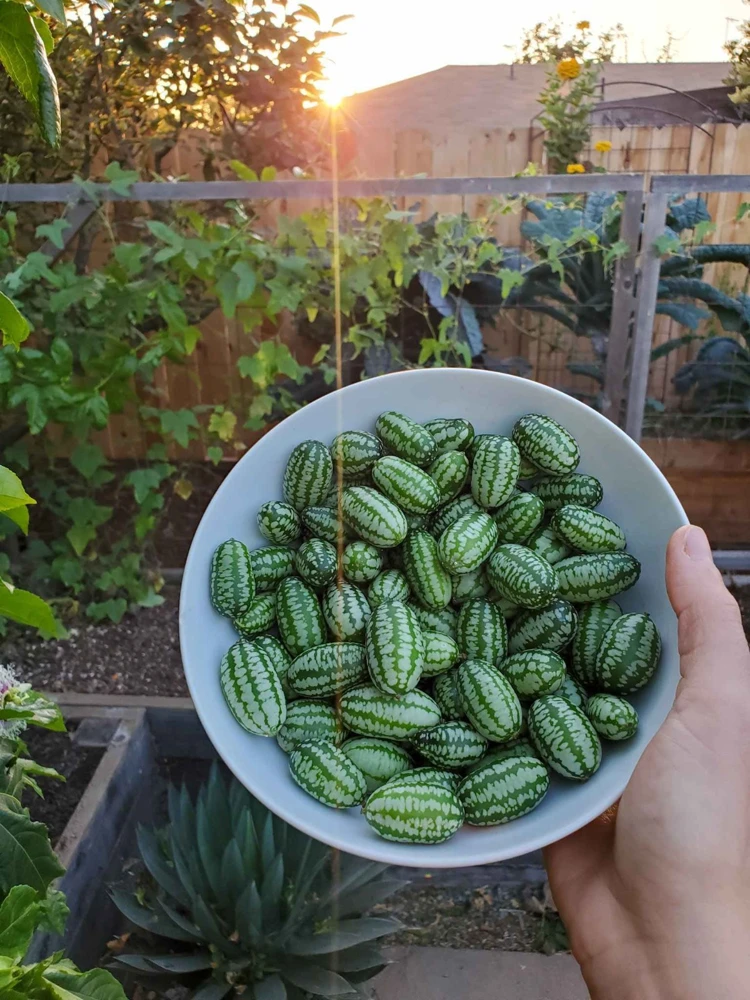
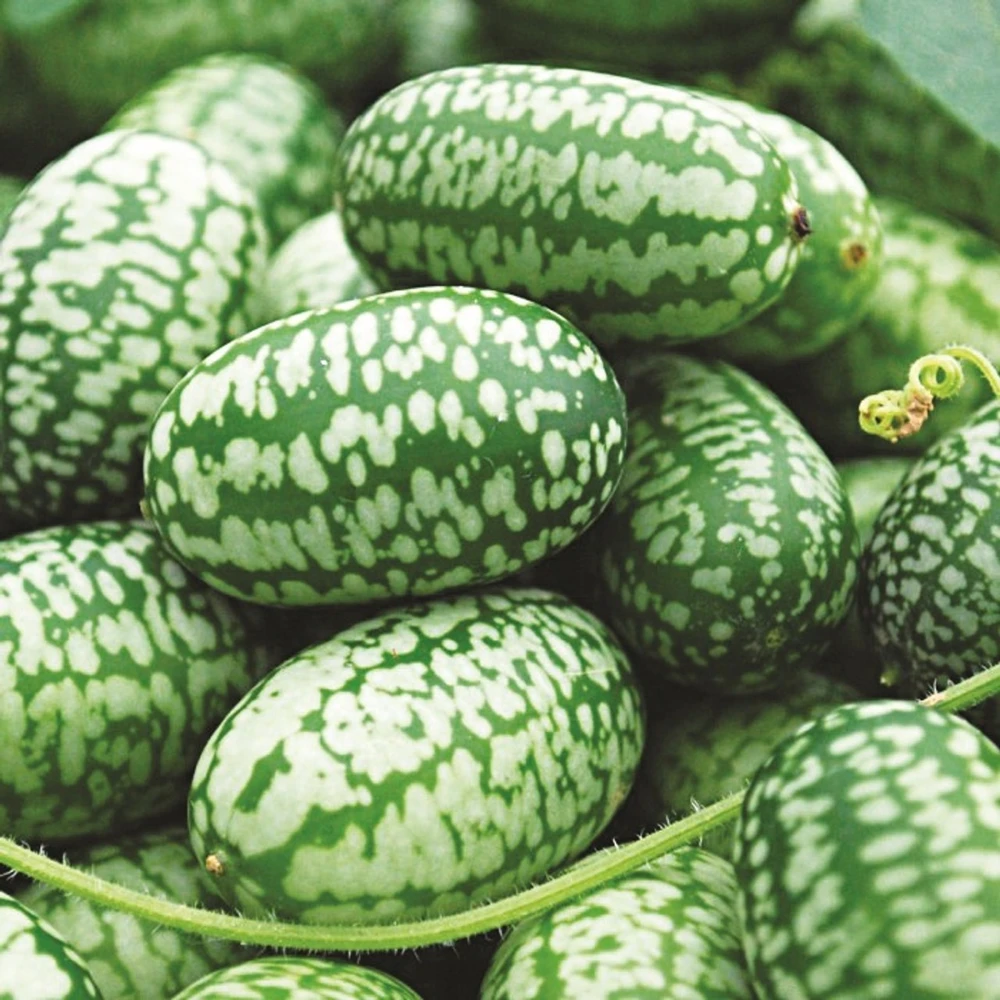
Start your garden adventure with cucamelon seeds, also known as Mexican sour gherkin or mouse melon seeds. These easy-to-grow heirloom annuals produce delightful miniature fruits that taste like a refreshing cucumber with a tangy lime twist. Perfect for outdoor gardens.
Estimated arrival
Sep 19
Sep 24 - Sep 26
Sep 26 - Oct 01
See our Shipping Policy.
Get in touch with us via email, and our team will review your concerns.
Our Alive & Thrive Guarantee covers issues with your plants within the first 30 days. Read our Refund & Returns Policy.
-
USDA Hardiness Zone
Zones 3-11 -
Soil Type
Loose, Well-Drained -
Sunlight Exposure
Full Sun -
Expected Planting Period
Spring to Summer
Overview
Embark on a unique gardening journey with our premium cucamelon seeds. Often referred to as Mexican sour gherkin or mouse melon seeds, these heirloom treasures are a delightful addition to any garden, offering both novelty and delicious flavor. Cucamelons (Melothria scabra) are annual climbing vines that produce charming, grape-sized fruits resembling tiny watermelons. Their crisp texture and refreshing taste, reminiscent of cucumber with a hint of lime, make them a favorite for snacking, salads, or pickling. These easy-to-grow plants are perfect for gardeners of all experience levels, thriving in various climates and providing an abundant harvest throughout the summer and fall seasons. Discover the joy of cultivating these miniature melons from our high-quality seeds.
Our heirloom cucamelon variety ensures you’re growing a pure, unhybridized plant with consistent characteristics and flavor. The vigorous vining habit makes them ideal for trellises, fences, or cages, maximizing your garden space and making harvesting a breeze. Beyond their culinary appeal, cucamelon plants add an attractive, lush green foliage to your garden. Whether you’re an experienced gardener looking for something new or a beginner eager to try a unique vegetable, growing cucamelon from seed is a rewarding and simple process that promises a bountiful yield of these intriguing fruits.
Key Benefits
Cultivating cucamelon seeds brings a host of benefits to your garden and your plate. These versatile plants are not only easy to grow but also offer a unique flavor profile and charming appearance. Here are some of the key advantages of adding Mexican sour gherkin to your garden:
- Unique Flavor & Texture: Enjoy the crisp, refreshing taste of cucumber with a zesty lime finish. These miniature fruits add an exciting twist to salads, stir-fries, or can be enjoyed straight off the vine. The unique flavor makes them a conversation starter.
- High Yielding & Prolific: Once established, cucamelon vines are incredibly productive, yielding a continuous supply of fruits throughout the growing season. This ensures a consistent harvest for fresh eating and preserving.
- Easy to Grow: Known for their minimal fuss, these mouse melon seeds are perfect for beginners. They require basic care and are relatively resistant to common pests and diseases, making gardening enjoyable.
- Space-Saving Vining Habit: As climbing plants, cucamelons can be grown vertically on trellises, fences, or stakes, making them an excellent choice for small gardens or urban spaces where ground area is limited.
- Versatile Culinary Use: Beyond fresh eating, cucamelons are excellent for pickling, adding a tangy crunch to sandwiches, or garnishing cocktails. Their small size makes them ideal for various culinary applications.
- Heirloom Quality: Our heirloom cucamelon seeds ensure genetic purity and robust growth, allowing you to save seeds for future seasons and preserve this unique variety.
- Attractive Garden Addition: The delicate vines and tiny, striped fruits add an ornamental touch to your vegetable patch or patio containers, making your garden as beautiful as it is productive.
Plant Care & Growing Tips
Growing cucamelon from seed is a straightforward and rewarding process. To ensure a successful harvest of these delightful Mexican sour gherkin fruits, pay attention to their specific needs regarding sunlight, soil, and watering. Cucamelons thrive in conditions similar to cucumbers, preferring warm weather and plenty of sun. Start seeds indoors 3-4 weeks before the last frost date, or sow directly outdoors once all danger of frost has passed and soil temperatures are consistently above 65°F (18°C). Plant seeds about 1/2 inch deep and 3 inches apart, thinning to 12 inches apart once seedlings are established. Provide a strong trellis or support system early, as these vines are vigorous climbers.
Cucamelons prefer full sun, meaning at least 6-8 hours of direct sunlight per day. They are suitable for outdoor cultivation and flourish in USDA Hardiness Zones 3-11. The ideal soil for cucamelon seeds is loose, well-drained, and rich in organic matter, with a pH between 6.0 and 7.0. Amend heavy clay soils with compost to improve drainage. Consistent moisture is crucial, especially during flowering and fruiting. Water regularly, aiming for medium watering, keeping the soil evenly moist but not waterlogged. Avoid overhead watering to prevent fungal diseases. Mulching around the base of the plants can help retain soil moisture and suppress weeds.
Feed your mouse melon seeds plants with a balanced fertilizer once the first true leaves appear, and then every 2-3 weeks during the growing season. A fertilizer formulated for fruiting vegetables is ideal. Watch out for common pests like aphids and cucumber beetles, and treat with organic pest control methods if necessary. Harvesting can begin when the fruits are about the size of a grape, typically 10 weeks after planting. Pick regularly to encourage more production. These annual plants will continue to produce until the first hard frost. With proper care, your heirloom cucamelon plants will provide a continuous supply of delicious, miniature fruits.
Size & Details
Our cucamelon seeds will grow into vigorous vining plants, typically reaching lengths of 5 to 10 feet. These annual plants have a climbing growth habit, making them ideal for vertical gardening, trellises, or fences. The fruits themselves are miniature, usually about 1 inch long, resembling tiny watermelons. They are ready for harvest approximately 10 weeks after planting. Each seed packet contains a generous quantity of high-quality, viable seeds to ensure a successful planting. The plants are robust and productive, offering a continuous yield of these delightful Mexican sour gherkin fruits throughout their growing season, which typically spans from summer to fall. They are perfectly suited for outdoor cultivation across a wide range of climates.
Frequently Asked Questions
- Q: How big does a cucamelon plant get? A: A cucamelon plant is a vigorous vining annual that can grow quite long, typically reaching lengths of 5 to 10 feet. It’s best to provide a trellis or support system for optimal growth and fruit production for your cucamelon seeds.
- Q: Is this an indoor or outdoor plant? A: Cucamelons are primarily grown as outdoor plants. They thrive in warm weather and full sun conditions. While they can be started indoors, they should be transplanted outside after the last frost.
- Q: How much sunlight do cucamelon seeds need? A: These plants require full sun, meaning at least 6-8 hours of direct sunlight per day, to produce a healthy crop of Mexican sour gherkin fruits.
- Q: Is this plant easy to care for? A: Yes, cucamelons are considered easy to grow and are suitable for beginners. They are relatively low-maintenance and resistant to many common pests and diseases, making growing cucamelon a simple process.
- Q: What condition will the seeds arrive in? A: Your mouse melon seeds will arrive in a sealed packet, ensuring their freshness and viability for planting. They are carefully packaged to protect them during transit.
- Q: Can I save seeds from my heirloom cucamelon plants? A: Yes, since these are heirloom seeds, you can save seeds from your mature fruits to plant in subsequent seasons, ensuring you always have a supply of this unique variety.
- Q: When is the best time to plant cucamelon seeds? A: The best time to plant is after all danger of frost has passed in your area, typically in late spring or early summer, when soil temperatures have warmed up.
- Q: What USDA Hardiness Zones are suitable for cucamelons? A: Cucamelons are annuals that can be grown in USDA Hardiness Zones 3-11 during their growing season, as long as they have warm temperatures and a frost-free period.
- Q: What is the ideal soil for growing cucamelon? A: Cucamelons prefer loose, well-drained soil that is rich in organic matter. A soil pH between 6.0 and 7.0 is optimal for healthy growth.
- Q: How long until Mexican sour gherkin fruits are ready for harvest? A: The fruits are typically ready for harvest about 10 weeks after planting the cucamelon seeds. Regular harvesting will encourage more production.
| Seed Quantity | 12 Seeds, 24 Seeds, 45 Seeds Or 1/8 Gram, 90 Seeds Or 1/4 Gram |
|---|
Be the first to review “Cucamelon Seeds – Heirloom Mexican Sour Gherkin Mouse Melon Seeds – Annual”
Related products


Vegetable Seeds
Job’s Tears Seeds – Coix Lacryma Vegetable Seeds – 20 Count for Edible & Decorative Use
You May Like
5 Best Bulbs for Fall Planting: Brighten Your Garden This Spring
Are you dreaming of a garden full of vibrant colors in the spring? The key [...]
Aug
How to Repot Houseplants Like a Pro
Do your houseplants look like they’ve outgrown their pots? Are their roots popping out of [...]
Aug
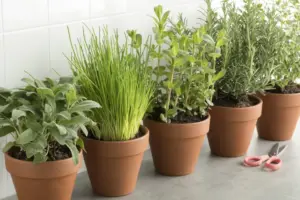
10 Houseplants That Will Thrive in Your Kitchen
Are you tired of your kitchen feeling dull and lifeless? Want to add a little [...]
Aug
Reviews
There are no reviews yet.