
Dark Opal Basil Seeds – Purple Herb Seeds for Indoor & Outdoor Gardens
From 10.77 $
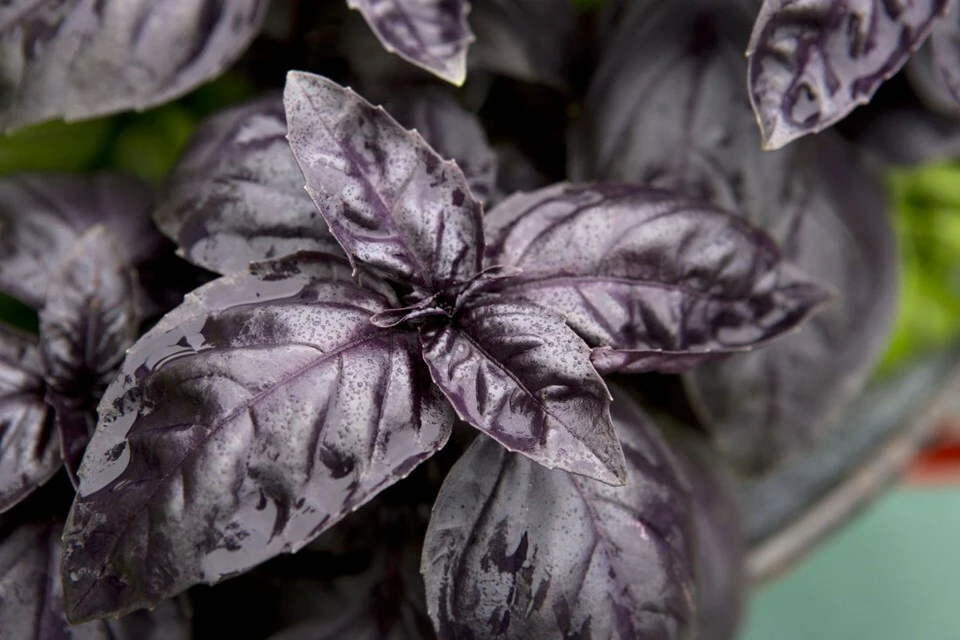
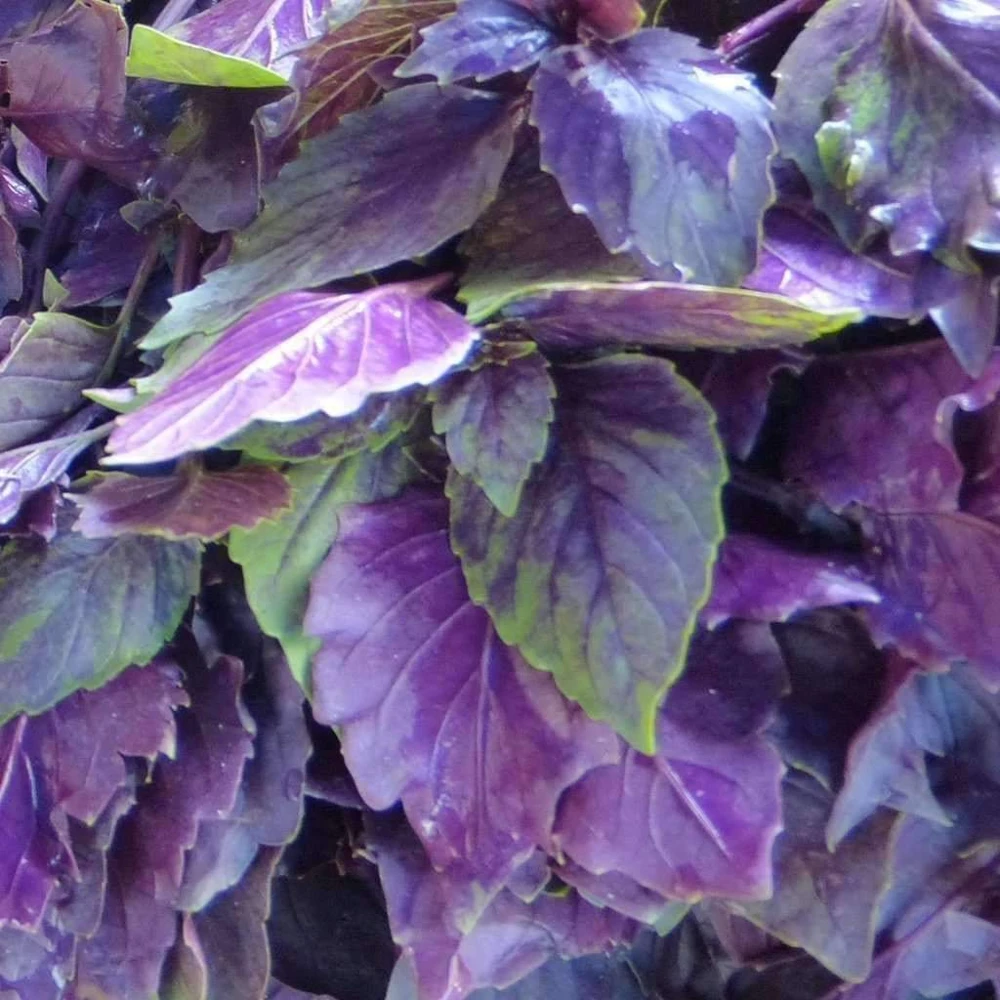
Discover the beauty and flavor of Dark Opal Basil Seeds. These versatile seeds grow into stunning plants with deep purple foliage, perfect for adding color to your garden or culinary dishes. Enjoy fresh, aromatic basil straight from your indoor or outdoor garden.
Estimated arrival
Sep 19
Sep 24 - Sep 26
Sep 26 - Oct 01
See our Shipping Policy.
Get in touch with us via email, and our team will review your concerns.
Our Alive & Thrive Guarantee covers issues with your plants within the first 30 days. Read our Refund & Returns Policy.
-
USDA Hardiness Zone
Zones 3-12 (Annual) -
Soil Type
Loam, Peat, Sand (well-draining) -
Sunlight Exposure
Full Sun -
Expected Planting Period
Spring to Summer (outdoors), Year-round (indoors)
Overview
Embark on a rewarding gardening journey with Dark Opal Basil Seeds. This exquisite variety of basil is renowned for its striking deep purple leaves and rich, spicy-sweet aroma, making it a favorite among gardeners and chefs alike. Unlike common green basil, Dark Opal offers a visual feast, transforming your herb garden, patio containers, or indoor windowsills into vibrant displays. Growing purple basil from seed is a fulfilling experience, allowing you to cultivate fresh, organic herbs right at home. These basil seeds for planting are perfect for those looking to add both beauty and flavor to their culinary endeavors. Whether you’re a seasoned gardener or just starting, Dark Opal Basil is an easy-to-grow annual that thrives in various climates, providing a continuous harvest of its unique, flavorful leaves.
The genus Ocimum basilicum, to which Dark Opal Basil belongs, is celebrated for its aromatic qualities and diverse uses. This particular species, ‘Dark Opal,’ stands out with its intense pigmentation and robust flavor profile. It’s an excellent choice for ornamental purposes, acting as a natural pest deterrent, and for its culinary versatility. From pestos to salads, and garnishes to infused oils, the possibilities are endless with fresh fragrant herb seeds like these. Elevate your gardening and cooking with this stunning and delicious herb.
Key Benefits
Cultivating Dark Opal Basil Seeds brings a multitude of benefits, enriching both your garden and your kitchen. This variety offers a unique combination of aesthetic appeal and practical utility.
- Stunning Visual Appeal: The deep purple, almost black, foliage of Dark Opal Basil creates a dramatic contrast in any garden setting. It’s perfect for adding visual interest to herb beds, container gardens, or as an attractive border plant.
- Rich Aromatic Flavor: Enjoy the distinct spicy-sweet flavor profile that Dark Opal Basil offers. It’s slightly more pungent than green basil, making it a fantastic addition to Mediterranean dishes, salads, and homemade pestos.
- Easy to Grow: These basil seeds for planting are known for their ease of cultivation, making them an ideal choice for beginners and experienced gardeners alike. They germinate readily and grow vigorously with proper care.
- Versatile Culinary Use: Fresh leaves from your Dark Opal Basil Seeds can be used in a wide array of recipes, from fresh salads and sandwiches to pasta sauces, pizzas, and infused vinegars. Its vibrant color also makes it an excellent garnish.
- Attracts Beneficial Pollinators: When allowed to flower, Dark Opal Basil can attract bees and other beneficial pollinators to your garden, contributing to a healthier ecosystem.
- Natural Pest Deterrent: The strong aroma of basil can help deter common garden pests, offering a natural and organic method of protecting neighboring plants.
- Year-Round Freshness: With proper care, Dark Opal Basil Seeds can be grown indoors, providing you with fresh, aromatic leaves even during colder months, ensuring a continuous supply of this delicious herb.
Plant Care & Growing Tips
Growing Dark Opal Basil Seeds successfully requires attention to a few key environmental factors, ensuring healthy and vigorous plants. Basil thrives in warm conditions and is sensitive to cold. For optimal growth, plant your basil seeds for planting after the last frost date in spring, when soil temperatures have warmed to at least 65°F (18°C). If starting indoors, sow seeds 6-8 weeks before the last expected frost.
Sunlight: Dark Opal Basil requires a minimum of 6-8 hours of full sun per day to produce the deepest purple color and strongest flavor. In hotter climates, some afternoon shade can prevent scorching. For indoor cultivation, place pots in a south-facing window or under grow lights to ensure adequate light exposure. Watering: Keep the soil consistently moist but not waterlogged. Water deeply when the top inch of soil feels dry to the touch. Avoid overhead watering to prevent fungal diseases; instead, water at the base of the plant. Good drainage is crucial for healthy root development of your fragrant herb seeds. Soil Type: Basil prefers rich, well-draining soil with a pH between 6.0 and 7.5. Amend heavy clay soils with organic matter like compost to improve drainage and fertility. A good quality potting mix is ideal for container growing. Temperature & USDA Hardiness Zone: Dark Opal Basil is an annual and thrives in temperatures between 65-80°F (18-27°C). It is typically grown in USDA Hardiness Zones 3-12 as an annual, but can be perennial in warmer, frost-free tropical climates. Protect plants from temperatures below 50°F (10°C). Fertilization: Fertilize every 3-4 weeks with a balanced liquid fertilizer, especially if growing in containers. Avoid over-fertilizing with nitrogen, which can promote leafy growth at the expense of flavor. Pruning: Pinch back the central stem once the plant has 6-8 true leaves to encourage bushier growth. Regularly harvest leaves from the top to promote continuous production and prevent the plant from flowering too early, which can reduce flavor. This will help you maximize your harvest of ornamental basil.
Size & Details
When cultivated from Dark Opal Basil Seeds, plants typically reach a height of 18 to 24 inches (45-60 cm) and a spread of about 12 to 18 inches (30-45 cm). The growth habit is clumping, forming a bushy, attractive plant. These basil seeds for planting are supplied in a packet, containing a generous quantity to ensure a bountiful harvest. Expected time to maturity for harvesting leaves is approximately 70-80 days from sowing, though tender young leaves can be picked sooner. The deep purple foliage is a consistent feature, intensifying with ample sunlight. The seeds are easy to handle and germinate reliably under suitable conditions. This variety of fragrant herb seeds is known for its vigorous growth and ability to produce abundant harvests throughout the growing season.
Frequently Asked Questions
- Q: How big does Dark Opal Basil get? A: Dark Opal Basil plants typically grow to a height of 18 to 24 inches and can spread up to 18 inches wide, forming an attractive, bushy clump in your garden or container.
- Q: Is this an indoor or outdoor plant? A: Dark Opal Basil is versatile and can be grown both indoors and outdoors. It thrives outdoors in warm weather and can be cultivated indoors year-round with adequate sunlight or grow lights.
- Q: How much sunlight does Dark Opal Basil need? A: For the best growth and deepest purple color, Dark Opal Basil requires at least 6-8 hours of full sunlight per day. Insufficient light can result in greener foliage.
- Q: Is this plant easy to care for? A: Yes, Dark Opal Basil Seeds are considered easy to grow, making them suitable for gardeners of all experience levels. They require consistent watering and plenty of sunlight.
- Q: Can I use Dark Opal Basil in cooking? A: Absolutely! Dark Opal Basil is a fantastic culinary herb with a spicy-sweet flavor. It’s excellent in pestos, salads, pasta dishes, and as a vibrant garnish.
- Q: How long until I can harvest Dark Opal Basil leaves? A: You can typically start harvesting tender young leaves from your Dark Opal Basil plants about 70-80 days after sowing the seeds. Regular pinching encourages more growth.
- Q: What’s the best time to plant Dark Opal Basil Seeds? A: The best time to plant Dark Opal Basil Seeds outdoors is after all danger of frost has passed in spring. For indoor growing, you can start seeds any time of year.
- Q: Will Dark Opal Basil survive winter? A: Dark Opal Basil is an annual plant in most climates and will not survive frost. In tropical, frost-free zones (USDA 10-12), it may grow as a perennial.
- Q: What type of soil does Dark Opal Basil prefer? A: Dark Opal Basil thrives in rich, well-draining soil with a pH between 6.0 and 7.5. Good quality potting mix is recommended for container gardening.
- Q: Is Dark Opal Basil an ornamental basil? A: Yes, due to its striking deep purple foliage, Dark Opal Basil is highly valued for its ornamental qualities, making it a beautiful addition to any garden or patio.
| Seed Amount | 1250 Seeds, 20K Seeds Or 1 Oz, 250 Seeds, 2500 Seeds Or 1/8 Oz, 40K Seeds Or 2 Oz, 500 Seeds, 5000 Seeds Or 1/4 Oz, 80K Seeds Or 1/4 Lb |
|---|
Be the first to review “Dark Opal Basil Seeds – Purple Herb Seeds for Indoor & Outdoor Gardens”
Related products


Herb Seeds
Munstead Lavender Seeds – 200 English Lavandula Angustifolia Fragrant Purple Flower Herb Seeds


Herb Seeds
500 English Lavender Vera Seeds – Lavandula Angustifolia – Fragrant Purple Flower Herb – Outdoor
You May Like
5 Best Bulbs for Fall Planting: Brighten Your Garden This Spring
Are you dreaming of a garden full of vibrant colors in the spring? The key [...]
Aug
How to Repot Houseplants Like a Pro
Do your houseplants look like they’ve outgrown their pots? Are their roots popping out of [...]
Aug
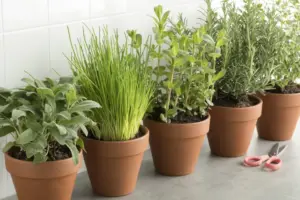
10 Houseplants That Will Thrive in Your Kitchen
Are you tired of your kitchen feeling dull and lifeless? Want to add a little [...]
Aug
Reviews
There are no reviews yet.