


Desert Marigold Seeds – Yellow Baileya Multiradiata Flower Seeds – 500 Count
Original price was: 32.99 $.12.99 $Current price is: 12.99 $.
Cultivate vibrant yellow desert marigold seeds (Baileya Multiradiata) in your garden. These drought tolerant flowers, also known as paper daisy seeds, thrive in full sun and attract beneficial pollinators. Each pack contains 500 seeds for a spectacular display of yellow desert marigold blooms.
Estimated arrival
Sep 19
Sep 24 - Sep 26
Sep 26 - Oct 01
See our Shipping Policy.
Get in touch with us via email, and our team will review your concerns.
Our Alive & Thrive Guarantee covers issues with your plants within the first 30 days. Read our Refund & Returns Policy.
-
USDA Hardiness Zone
3 - 9 -
Soil Type
Average to dry, well-draining soil -
Sunlight Exposure
Full sun -
Expected Planting Period
Fall / Cold stratify / Outdoors after frost / Indoors weeks before last frost
Overview
Bring the resilient beauty of the desert to your garden with these premium desert marigold seeds. Each packet contains 500 seeds of Baileya Multiradiata, an heirloom flower renowned for its stunning yellow blooms and exceptional hardiness. Native to the Southwest US and Mexico, the Desert Marigold is perfectly adapted to challenging conditions, making it an ideal choice for xeriscaping, rock gardens, or simply adding a splash of radiant color to any sunny landscape. Also known as Showy Desert Marigold, Wild Marigold, Desert Baileya, or Paper Daisy, this plant is a true survivor that doesn’t compromise on aesthetic appeal. Its scientific name, Baileya Multiradiata, encompasses several synonyms such as Baileya Australis, Baileya Multiradiata Thurberi, and Baileya Multiradiata Nudicaulis, highlighting its diverse natural variations. These yellow desert marigold flowers will transform your outdoor space with their cheerful disposition and long-lasting blossoms.
The Desert Marigold is a spectacular choice for gardeners seeking low-maintenance, high-impact plants. Its fuzzy, silvery foliage forms a neat, clumping mound, providing an attractive base for the large 1-2 inch flowers that emerge on stalks above. These bright yellow blooms can begin as early as March and continue relentlessly until fall, offering an extended season of color. The nectar-rich flowers are a magnet for bees and butterflies, contributing to the biodiversity of your garden, while birds will appreciate the seeds in winter. The Desert Marigold also serves as a larval host for the Desert Marigold Moth, further supporting local ecosystems. Whether you’re aiming for a naturalized desert look or a vibrant border, these desert marigold seeds are an excellent starting point.
Key Benefits
Growing desert marigold seeds offers a multitude of advantages for both the gardener and the environment. These plants are incredibly resilient and beautiful, providing continuous enjoyment with minimal effort. The yellow desert marigold is a fantastic addition to any garden, especially where water conservation is a priority.
- Exceptional Drought Tolerance: The Desert Marigold thrives in dry conditions, making it an ideal choice for water-wise gardening and arid climates. Its ability to flourish with minimal water reduces maintenance and conserves resources, making it a perfect example of drought tolerant flowers.
- Vibrant, Long-Lasting Blooms: Enjoy a prolonged display of brilliant yellow, double-petaled flowers from spring through fall. These ‘paper daisy’ flowers are not only beautiful in the garden but also make excellent fresh cut flowers or dried arrangements due to their durability.
- Attracts Pollinators: The nectar-rich blossoms are a vital food source for bees and butterflies, enhancing your garden’s ecosystem and supporting local pollinator populations. Birds are also attracted to the seeds during winter months.
- Low Maintenance & Adaptable: Once established, these plants require very little care. They are at home in a variety of challenging soil types, including rocky, sandy, heavy clay, or nutritionally poor soils, demonstrating the robust nature of Baileya Multiradiata.
- Versatile Landscape Use: Perfect for garden beds, borders, rock gardens, containers, or naturalized areas, the Desert Marigold adds cheerful color and texture wherever it’s planted. Its tidy growth habit makes it suitable for various design applications.
- Supports Wildlife: Beyond pollinators, the Desert Marigold serves as a larval host plant for the Desert Marigold Moth, contributing to the life cycle of native insect species.
- Heirloom Quality: Grow an authentic piece of horticultural history with these heirloom desert marigold seeds, ensuring genetic purity and robust performance.
Plant Care & Growing Tips
Cultivating desert marigold seeds into thriving plants is a rewarding experience, especially given their resilience. These drought tolerant flowers prefer conditions that mimic their native desert habitat. For successful germination and growth, consider planting in fall or cold stratifying the seeds. If planting outdoors, wait until after the last frost. For an earlier start, sow seeds indoors weeks before the last expected frost. The Baileya Multiradiata is known for its ability to grow in various challenging soils, from rocky to sandy or even heavy clay, as long as it’s well-draining. Avoid overly rich or constantly wet soils, as this can hinder their growth. Once established, these plants are remarkably self-sufficient.
Light Requirements: Desert Marigolds demand full sun exposure to flourish, needing at least 6-8 hours of direct sunlight daily. Planting them in a location with ample sun will ensure the most prolific blooms and healthiest growth. Watering: These plants are incredibly well-suited to dry conditions. Water sparingly once established; they are very drought-tolerant. Overwatering is a common cause of failure. Allow the soil to dry out completely between waterings. Soil Preferences: Average to dry soil is preferred. They are tolerant of poor, rocky, or sandy soils. Good drainage is crucial. Hardiness Zone: The Desert Marigold is hardy in USDA Zones 3-9, showcasing its wide adaptability to various climates. Fertilization: Generally, these plants do not require much fertilization, especially in poor soils. If growth appears stunted, a light application of a balanced, slow-release fertilizer in spring can be beneficial. Pest and Disease: Desert Marigolds are relatively pest and disease-free due to their natural hardiness. Good air circulation and proper watering practices will prevent most issues.
Size & Details
These desert marigold seeds will produce plants that reach a mature height of approximately 18-24 inches, creating a substantial visual impact in your garden. The plants develop a neat clumping or mounding habit with a spacing requirement of 6-9 inches between each plant to allow for optimal growth and air circulation. Each packet contains a generous quantity of 500 seeds, providing ample opportunity to establish a beautiful patch of yellow desert marigold flowers. The blooms themselves are large, typically 1-2 inches across, resembling cheerful paper daisies. Expect blooms all season long, from spring right through to the fall, offering continuous color. These paper daisy seeds are perfect for creating mass plantings or adding bright accents to mixed borders.
The fuzzy, silvery foliage adds an attractive texture even when not in bloom. When you plant these Baileya Multiradiata seeds, you are investing in a long-lasting and resilient garden feature. While the plant is generally beneficial, it’s worth noting that Desert Marigold is considered likely poisonous to sheep, though horses and cattle are reportedly unaffected. This information is important for those with livestock in proximity to their gardens. The seeds are suitable for fall planting, cold stratification, or direct sowing outdoors after the danger of frost has passed, or starting indoors weeks before the last frost to get a head start on the blooming season.
Frequently Asked Questions
- Q: How tall do Desert Marigold plants get? A: Desert Marigold plants typically grow to a height of 18-24 inches, forming a neat, mounding habit. This makes them suitable for various garden applications, from borders to rock gardens.
- Q: How many desert marigold seeds are included in a pack? A: Each pack contains approximately 500 high-quality desert marigold seeds, providing plenty for a vibrant display of these beautiful flowers.
- Q: Are these drought tolerant flowers? A: Yes, Desert Marigolds are exceptionally drought-tolerant once established. They thrive in dry conditions and are an excellent choice for water-wise gardening and xeriscaping, making them very low maintenance.
- Q: What kind of sunlight does Baileya Multiradiata need? A: Baileya Multiradiata requires full sun exposure, meaning at least 6-8 hours of direct sunlight per day, to produce the most abundant and vibrant yellow desert marigold blooms.
- Q: When is the best time to plant paper daisy seeds? A: You can plant these paper daisy seeds in the fall, cold stratify them, sow them outdoors after the last frost, or start them indoors several weeks before the last frost for an earlier bloom.
- Q: Do Desert Marigolds attract pollinators? A: Absolutely! The nectar-rich blossoms of the Desert Marigold are highly attractive to bees and butterflies, helping to support local pollinator populations in your garden.
- Q: What hardiness zones are suitable for Desert Marigold? A: Desert Marigolds are hardy in USDA Zones 3 through 9, demonstrating their broad adaptability to a wide range of climates and temperatures.
- Q: Can yellow desert marigold be grown in containers? A: Yes, their compact, mounding growth habit makes yellow desert marigold an excellent choice for containers, adding cheerful color to patios, balconies, or other sunny spots.
- Q: What type of soil do Desert Marigolds prefer? A: Desert Marigolds prefer average to dry, well-draining soil. They are highly adaptable and can even thrive in poor, rocky, sandy, or heavy clay soils, making them very forgiving plants.
- Q: Is the Desert Marigold poisonous to animals? A: While generally safe for horses and cattle, the Desert Marigold is reported to be likely poisonous to sheep. Gardeners with sheep should exercise caution.
Be the first to review “Desert Marigold Seeds – Yellow Baileya Multiradiata Flower Seeds – 500 Count”
Related products


Flower Seeds
You May Like
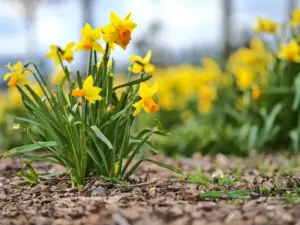
5 Best Bulbs for Fall Planting: Brighten Your Garden This Spring
Are you dreaming of a garden full of vibrant colors in the spring? The key [...]
Aug
How to Repot Houseplants Like a Pro
Do your houseplants look like they’ve outgrown their pots? Are their roots popping out of [...]
Aug
10 Houseplants That Will Thrive in Your Kitchen
Are you tired of your kitchen feeling dull and lifeless? Want to add a little [...]
Aug
Reviews
There are no reviews yet.