
Dwarf Blue Curled Scotch Kale Seeds – Vegetable Seeds for Outdoor Gardening
From 10.77 $
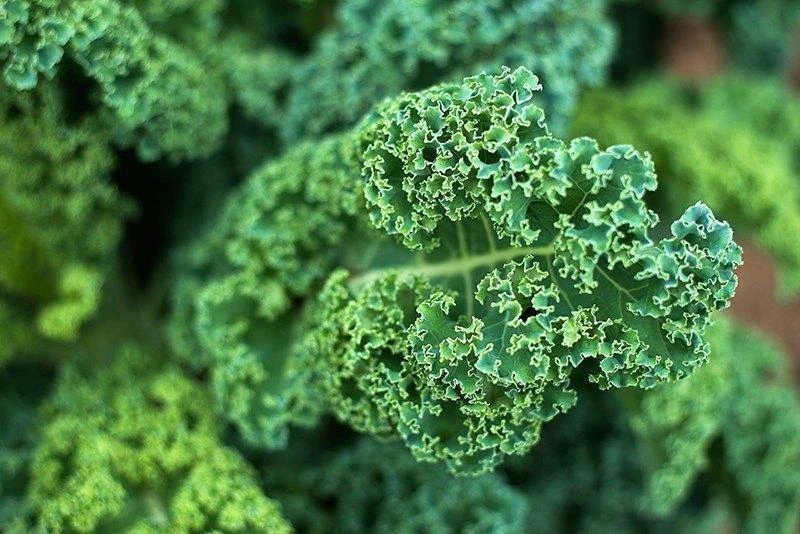
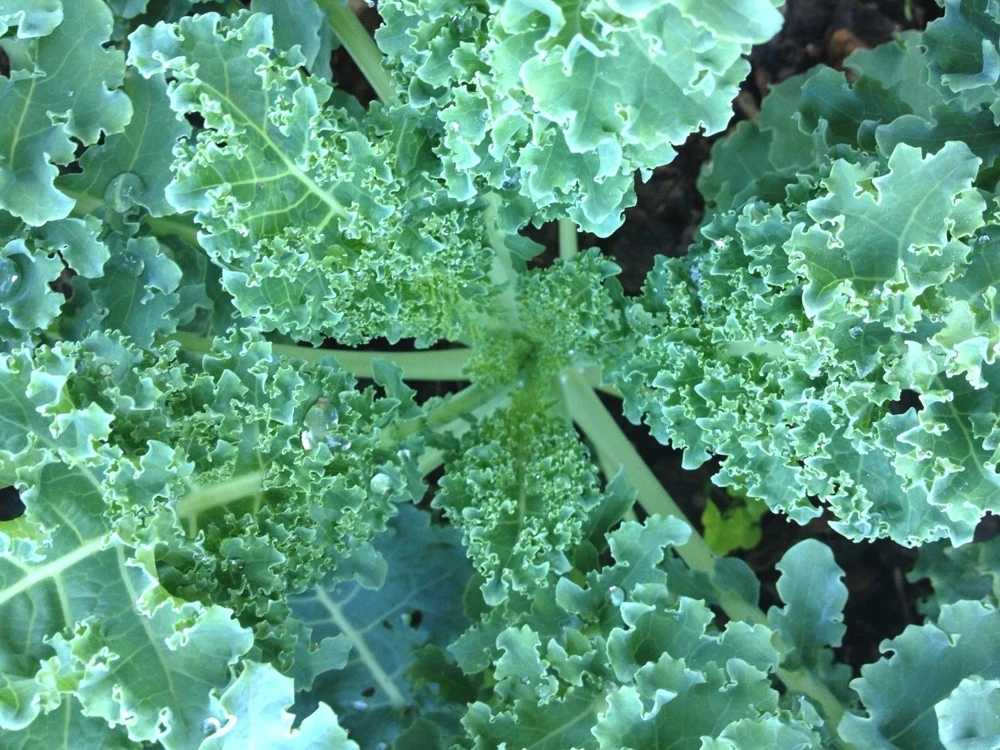
Cultivate your own delicious and highly nutritious dwarf blue curled scotch kale seeds. These robust seeds are perfect for outdoor gardens, yielding hardy plants with beautiful blue-green, curly leaves. Enjoy fresh, healthy greens from your backyard with these easy-to-grow blue vates kale seeds.
Estimated arrival
Sep 18
Sep 23 - Sep 25
Sep 25 - Sep 30
See our Shipping Policy.
Get in touch with us via email, and our team will review your concerns.
Our Alive & Thrive Guarantee covers issues with your plants within the first 30 days. Read our Refund & Returns Policy.
-
USDA Hardiness Zone
Zones 3-12 -
Soil Type
Loam, Peat, Sand; well-draining -
Sunlight Exposure
Full Sun -
Expected Planting Period
Spring, Summer, Fall
Overview
Embark on a rewarding gardening journey with our premium dwarf blue curled scotch kale seeds. This popular variety of kale, also known as ‘Blue Vates’, is renowned for its exceptional cold hardiness, vibrant blue-green color, and deeply curled leaves. Perfect for home gardeners, these seeds will grow into compact, nutritious plants that are a versatile addition to any culinary repertoire. Whether you’re a seasoned gardener or just starting out, cultivating dwarf blue curled scotch kale seeds is a straightforward and satisfying experience. The botanical name for this resilient vegetable is Brassica oleracea, a testament to its rich heritage and robust nature. Expect a bountiful harvest of tender yet sturdy leaves, ideal for salads, stir-fries, smoothies, and more.
Our dwarf blue curled scotch kale seeds are selected for their viability and vigor, ensuring a strong start for your garden. This particular variety is celebrated for its dwarf habit, making it suitable for smaller gardens or even container planting. The distinctive blue tint of the leaves adds an aesthetic appeal to your vegetable patch, while its nutritional value makes it a superfood powerhouse. Discover the joy of fresh, homegrown produce with these reliable and productive seeds.
Key Benefits
Growing dwarf blue curled scotch kale seeds offers a multitude of advantages for both your garden and your health. This variety is not only easy to cultivate but also packed with essential nutrients.
- Nutrient-Rich Harvest: Enjoy fresh kale leaves bursting with vitamins A, C, and K, as well as calcium and antioxidants. Homegrown kale ensures maximum freshness and nutritional content for your meals.
- Exceptional Cold Hardiness: This kale variety thrives in cooler temperatures and can even become sweeter after a light frost, extending your harvesting season well into fall and early winter. It’s a reliable choice for diverse climates.
- Versatile Culinary Use: The tender yet sturdy leaves of blue vates kale seeds are perfect for a wide range of dishes, from crisp salads and hearty soups to savory sautés and green smoothies. Its mild flavor makes it a family favorite.
- Easy to Grow: Designed for gardeners of all skill levels, these easy kale seeds require minimal fuss. With basic care, you can expect a successful and abundant yield, making gardening enjoyable and accessible.
- Compact Growth Habit: The dwarf nature of this kale makes it an excellent choice for small spaces, raised beds, or container gardening, maximizing your garden’s potential without requiring extensive room.
- Beautiful Garden Addition: The striking blue-green, ruffled leaves add an attractive texture and color to your vegetable garden, making it both productive and aesthetically pleasing.
- Reliable & Productive: Known for its consistent performance, this variety of brassica oleracea seeds ensures a steady supply of fresh kale throughout its growing season.
Plant Care & Growing Tips
Cultivating dwarf blue curled scotch kale seeds is a rewarding experience, especially with the right care. These hardy vegetables prefer cool weather, making them ideal for spring and fall planting. For optimal growth, choose a location that receives full sun, meaning at least 6 hours of direct sunlight per day. While kale can tolerate some partial shade, full sun promotes stronger growth and a better harvest. Prepare your soil by ensuring it is well-draining, rich in organic matter, with a pH between 5.5 and 6.8. Loam, peat, and sand are suitable soil types, and amending with compost can significantly improve soil structure and fertility.
Watering should be consistent, especially during dry periods, to keep the soil evenly moist but not waterlogged. Light watering is generally sufficient, but monitor your plants closely. Kale plants benefit from regular feeding with a balanced organic fertilizer, particularly as they begin to produce leaves. Pests like aphids and cabbage worms can be managed with organic pest control methods such as neem oil or insecticidal soap. Providing adequate spacing between plants, typically 12-18 inches apart, ensures good air circulation and reduces disease risk. Protecting young plants from extreme heat in summer with shade cloth can prevent bolting and extend the harvest of your dwarf blue curled scotch kale seeds.
These easy kale seeds are quite resilient, thriving in USDA Hardiness Zones 3-12, demonstrating their adaptability to a wide range of climates. Planting can be done directly in the garden after the last frost in spring, or you can start seeds indoors about 4-6 weeks before the last frost date to get a head start. For a continuous harvest, succession planting every few weeks is recommended. The clumping growth habit of this kale makes it easy to harvest outer leaves, allowing the plant to continue producing. Proper care will lead to a successful yield of delicious blue vates kale seeds.
Size & Details
Our dwarf blue curled scotch kale seeds are sourced to provide you with vigorous and productive plants. This variety is known for its dwarf growth habit, typically reaching a height of 10-16 inches with a similar spread, making it an excellent choice for compact gardens or container planting. The seeds are packed to ensure freshness and high germination rates, providing you with a strong foundation for your garden. Expect to see germination within 7-14 days under ideal conditions, with plants maturing and ready for harvest in approximately 55-65 days after planting. The leaves are typically ready for picking when they are 6-8 inches long. This particular type of brassica oleracea seeds is an annual plant, completing its life cycle within one growing season.
Each packet contains a generous quantity of seeds, ensuring you have enough to plant a substantial crop or to succession plant for an extended harvest. The robust nature of these growing dwarf blue kale plants means they will produce abundant, flavorful leaves throughout the season, providing a continuous supply of fresh greens for your kitchen. The clumping growth pattern makes harvesting simple and efficient, allowing you to pick individual leaves as needed.
Frequently Asked Questions
- Q: How big does Dwarf Blue Curled Scotch Kale get? A: This dwarf variety typically grows to about 10-16 inches tall and wide, making it suitable for smaller gardens, raised beds, or containers. It’s a compact plant that still offers a generous yield.
- Q: Is this an indoor or outdoor plant? A: Dwarf Blue Curled Scotch Kale Seeds are primarily intended for outdoor gardening. While you can start them indoors, the plants thrive best with outdoor sunlight and space.
- Q: How much sunlight does it need? A: For best results, Dwarf Blue Curled Scotch Kale requires full sun, meaning at least 6 hours of direct sunlight per day. It can tolerate partial shade, but growth may be less vigorous.
- Q: Is this plant easy to care for? A: Yes, these are considered easy kale seeds to cultivate. They are hardy and forgiving, making them a great choice for both beginner and experienced gardeners.
- Q: What condition will the seeds arrive in? A: Your dwarf blue curled scotch kale seeds will arrive securely packaged to ensure their viability and freshness, ready for planting.
- Q: When is the best time to plant Dwarf Blue Curled Scotch Kale seeds? A: The best time to plant is in early spring after the last frost, or in late summer for a fall harvest. Kale prefers cooler temperatures.
- Q: What’s the minimum temperature this kale can withstand? A: Dwarf Blue Curled Scotch Kale is very cold-hardy and can withstand temperatures down to around 10-15°F (-12 to -9°C), often becoming sweeter after a light frost. It thrives in USDA Zones 3-12.
- Q: Can I grow blue vates kale seeds in containers? A: Absolutely! Due to its dwarf size, this kale is an excellent candidate for container gardening. Ensure the container has good drainage and is at least 8-10 inches deep.
- Q: How long until I can harvest the kale? A: You can typically start harvesting individual leaves from your growing dwarf blue kale plants in about 55-65 days after planting the seeds.
- Q: What kind of soil is best for brassica oleracea seeds? A: Well-draining soil rich in organic matter with a pH between 5.5 and 6.8 is ideal. Loam, peat, and sandy soils work well when amended with compost.
| Seed Amount | 1000 Seeds Or 1/8 Oz, 128K Seeds Or 1 Lb, 16K Seeds Or 2 Oz, 2000 Seeds Or 1/4 Oz, 250 Seeds, 32K Seeds Or 1/4 Lb, 500 Seeds, 64K Seeds Or 1/2 Lb, 8000 Seeds Or 1 Oz |
|---|
Be the first to review “Dwarf Blue Curled Scotch Kale Seeds – Vegetable Seeds for Outdoor Gardening”
Related products


Vegetable Seeds
Hanover Salad Kale Seeds – 1000 Smooth Siberian Vegetable Seeds

Vegetable Seeds
Yellow Cheese Pimento Pepper Seeds – 50 Count – Sweet & Mild


You May Like
5 Best Bulbs for Fall Planting: Brighten Your Garden This Spring
Are you dreaming of a garden full of vibrant colors in the spring? The key [...]
Aug
How to Repot Houseplants Like a Pro
Do your houseplants look like they’ve outgrown their pots? Are their roots popping out of [...]
Aug
10 Houseplants That Will Thrive in Your Kitchen
Are you tired of your kitchen feeling dull and lifeless? Want to add a little [...]
Aug
Reviews
There are no reviews yet.