
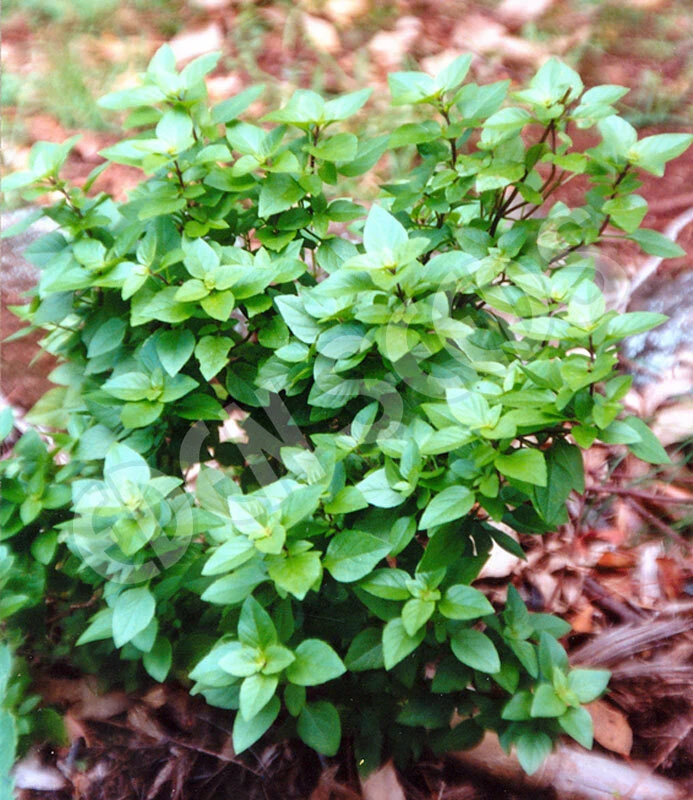
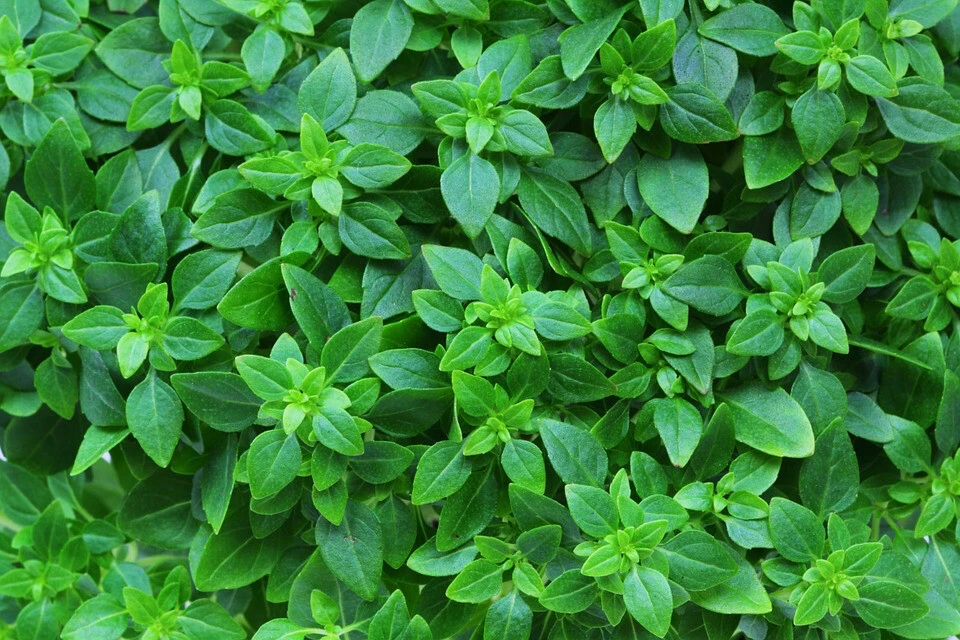
Dwarf Greek Basil Seeds – Ocimum basilicum – Compact Herb Seeds
From 10.77 $
Cultivate your own flavorful herbs with these Dwarf Greek Basil seeds. Ideal for both indoor and outdoor growing, these compact herb seeds produce bushy plants with a spicy, anise-like aroma, perfect for culinary use and small spaces.
Estimated arrival
Sep 19
Sep 24 - Sep 26
Sep 26 - Oct 01
See our Shipping Policy.
Get in touch with us via email, and our team will review your concerns.
Our Alive & Thrive Guarantee covers issues with your plants within the first 30 days. Read our Refund & Returns Policy.
-
USDA Hardiness Zone
Zones 3-12 (as annual) -
Soil Type
Loam, Peat, Sand (well-draining) -
Sunlight Exposure
Full Sun -
Expected Planting Period
Spring to Summer (or year-round indoors)
Overview
Discover the joy of growing your own herbs with our premium Dwarf Greek Basil seeds. This delightful variety, scientifically known as Ocimum basilicum, is renowned for its charmingly compact and bushy growth habit, making it an excellent choice for container gardening, window boxes, or as an attractive border plant in your herb garden. Unlike larger basil varieties, Dwarf Greek Basil maintains a neat, spherical shape, adorned with small, intensely aromatic leaves. Its distinctive spicy and anise-like flavor profile is a favorite among chefs and home cooks, adding a gourmet touch to a wide array of dishes from Mediterranean cuisine to fresh salads and pestos. Start your journey to fresh, homegrown flavor by choosing to grow Dwarf Greek Basil from seed.
These Ocimum basilicum seeds are sourced for their vigor and reliability, ensuring a rewarding gardening experience for both novice and experienced growers. The ease of cultivation, combined with its versatile culinary applications, makes Dwarf Greek Basil a must-have for any herb enthusiast. Whether you’re looking to enhance your cooking, add a fragrant element to your outdoor space, or simply enjoy the satisfaction of nurturing a plant from seed, this variety delivers on all fronts. Its small stature means you can enjoy fresh basil even with limited space, bringing the essence of a Mediterranean garden right to your doorstep.
Key Benefits
Embrace the numerous advantages of incorporating Dwarf Greek Basil seeds into your garden or kitchen. This exceptional herb offers more than just culinary delight; it provides an array of benefits that enhance both your cooking and gardening experience. The ease with which you can grow Dwarf Greek Basil makes it accessible to everyone, ensuring a bountiful harvest with minimal effort.
- Exceptional Flavor & Aroma: Enjoy the intense, spicy, and anise-like notes of fresh Dwarf Greek Basil, far superior to store-bought options. Its potent aroma elevates any dish, from pasta sauces to fresh salads, making it a culinary essential.
- Compact & Ornamental Growth: The naturally bushy and spherical growth habit of this basil makes it a beautiful addition to any garden or patio. It’s perfect for small spaces, window sills, or as an attractive edible landscape plant.
- Versatile Culinary Use: From traditional pestos and Caprese salads to flavoring soups, stews, and grilled vegetables, Dwarf Greek Basil is incredibly versatile. Its robust flavor holds up well in both fresh and cooked applications.
- Easy to Cultivate: Known for its very easy cultivating difficulty, these seeds are ideal for beginners. With basic care, you can expect healthy, productive plants, making the process of cultivating Dwarf Greek Basil a rewarding experience.
- Indoor & Outdoor Adaptability: Whether you have a spacious garden or just a sunny kitchen window, Dwarf Greek Basil thrives in both indoor and outdoor environments. This flexibility allows you to enjoy fresh basil year-round.
- High Yielding: Despite its dwarf size, this basil variety is very productive. Regular harvesting encourages more growth, ensuring a continuous supply of fresh leaves throughout the growing season.
- Attracts Beneficial Pollinators: When allowed to flower, basil plants can attract bees and other beneficial insects to your garden, contributing to a healthier ecosystem.
Plant Care & Growing Tips
Successfully growing Dwarf Greek Basil seeds is a straightforward and rewarding process, especially given its ‘very easy’ cultivating difficulty. To ensure robust growth and a continuous supply of aromatic leaves, understanding its basic needs is crucial. Basil thrives in warm conditions, so planting should occur after all danger of frost has passed, typically in late spring or early summer. For optimal germination, sow Ocimum basilicum seeds indoors 6-8 weeks before the last frost date, or directly outdoors when soil temperatures consistently reach above 65°F (18°C).
Sunlight requirements:Dwarf Greek Basil requires full sun, meaning at least 6-8 hours of direct sunlight per day. If growing indoors, place your pots in a south-facing window or under grow lights to ensure adequate light exposure. Insufficient light can lead to leggy growth and reduced flavor intensity. Watering schedule: Basil prefers consistently moist soil but dislikes being waterlogged. Water thoroughly when the top inch of soil feels dry to the touch, usually every 1-2 days in hot weather, and less frequently during cooler periods or when grown indoors. Ensure good drainage to prevent root rot. Soil type and drainage: A well-draining soil mix is essential. A blend of loam, peat, and sand with a pH between 6.0 and 7.5 provides the ideal environment for Dwarf Greek Basil. For container planting, use a high-quality potting mix. Temperature range and USDA hardiness zone: This annual herb thrives in warm temperatures, ideally between 65-80°F (18-27°C). It is suitable for USDA Hardiness Zones 3-12 as an annual, but can be grown year-round indoors in cooler climates. Protect outdoor plants from cold snaps or frost. Fertilization schedule: Basil is not a heavy feeder. If your soil is rich, little to no fertilization is needed. For container plants or less fertile soil, a balanced liquid fertilizer applied every 3-4 weeks during the growing season can encourage lush growth. Common problems and solutions: Watch out for pests like aphids and whiteflies, which can be managed with insecticidal soap. Fungal diseases like downy mildew can occur in humid conditions; ensure good air circulation and avoid overhead watering. Regular pinching of flower buds will encourage bushier growth and prevent the plant from going to seed too early, extending your harvest.
Size & Details
These Dwarf Greek Basil seeds offer a compact and manageable herb gardening experience. Upon maturity, the plants typically reach a height of 8-12 inches with a similar spread, forming an attractive, dense, and bushy mound. This makes them ideal for small gardens, patio containers, or as a vibrant addition to an indoor herb collection. The seeds ship in a protective packet, ensuring viability and readiness for planting. From sowing to harvest, you can expect to begin picking fresh leaves in approximately 60-75 days, with continuous production throughout the warm season or year-round indoors with proper care. The robust nature of Dwarf Greek Basil ensures a consistent yield of its flavorful leaves.
Each plant exhibits a slow to moderate growth rate, gradually developing its characteristic compact form. The small, ovate leaves are a deep green, packed with aromatic oils that give this basil its distinctive spicy and anise flavor. While the seeds themselves are tiny, they hold the potential for a thriving herb plant that will add beauty and taste to your home and kitchen. Whether you are aiming to start a new herb garden or simply wish to add a reliable and flavorful basil variety, these compact herb seeds are an excellent choice.
Frequently Asked Questions
- Q: How big does Dwarf Greek Basil get? A: Dwarf Greek Basil plants typically grow to a compact size of 8-12 inches tall and wide, forming a dense, bushy mound. This makes them perfect for small spaces and containers.
- Q: Is this an indoor or outdoor plant? A: Dwarf Greek Basil is versatile and can be grown both indoors and outdoors. It thrives outdoors in warm weather and can be cultivated year-round indoors with adequate sunlight.
- Q: How much sunlight does Dwarf Greek Basil need? A: This basil variety requires at least 6-8 hours of direct sunlight daily for optimal growth and flavor. Provide a sunny window indoors or a full-sun location outdoors.
- Q: Is cultivating Dwarf Greek Basil difficult for beginners? A: No, Dwarf Greek Basil is considered very easy to cultivate, making it an excellent choice for beginner gardeners. With basic care, it is highly rewarding.
- Q: What condition will the Ocimum basilicum seeds arrive in? A: The seeds will arrive in a sealed, protective packet, ensuring their freshness and viability for planting.
- Q: Can I use Dwarf Greek Basil in cooking? A: Absolutely! Dwarf Greek Basil is highly prized for its spicy, anise-like flavor and is excellent for a wide range of culinary uses, including pestos, salads, sauces, and garnishes.
- Q: When is the best time to plant Dwarf Greek Basil seeds? A: For outdoor planting, sow after the last frost in late spring. For an earlier start, sow indoors 6-8 weeks before the last expected frost.
- Q: What type of soil does Dwarf Greek Basil prefer? A: It prefers well-draining soil with a pH between 6.0 and 7.5. A mix of loam, peat, and sand works well, especially in containers.
- Q: How long until I can harvest from these compact herb seeds? A: You can typically begin harvesting leaves from your Dwarf Greek Basil plants in about 60-75 days after sowing the seeds.
- Q: Will Dwarf Greek Basil survive winter in my zone? A: As an annual, Dwarf Greek Basil will not survive freezing temperatures outdoors. In colder climates, it’s best grown as an annual or brought indoors for the winter.
| Seed Quantity | 10K Seeds Or 1/2 Oz, 20K Seeds Or 1 Oz, 250 Seeds, 2500 Seeds Or 1/8 Oz, 40K Seeds Or 2 Oz, 500 Seeds, 5000 Seeds Or 1/4 Oz, 80K Seeds Or 1/4 Lb |
|---|
Be the first to review “Dwarf Greek Basil Seeds – Ocimum basilicum – Compact Herb Seeds”
Related products


Herb Seeds
10 Mouse Garlic Allium Angulosum Wild Garlic Pink Flower Herb Seeds Pink Flowers Zones 4-8


You May Like
5 Best Bulbs for Fall Planting: Brighten Your Garden This Spring
Are you dreaming of a garden full of vibrant colors in the spring? The key [...]
Aug
How to Repot Houseplants Like a Pro
Do your houseplants look like they’ve outgrown their pots? Are their roots popping out of [...]
Aug
10 Houseplants That Will Thrive in Your Kitchen
Are you tired of your kitchen feeling dull and lifeless? Want to add a little [...]
Aug
Reviews
There are no reviews yet.