
Early Jersey Wakefield Cabbage Seeds – Easy Grow, Green, Outdoor
From 10.77 $
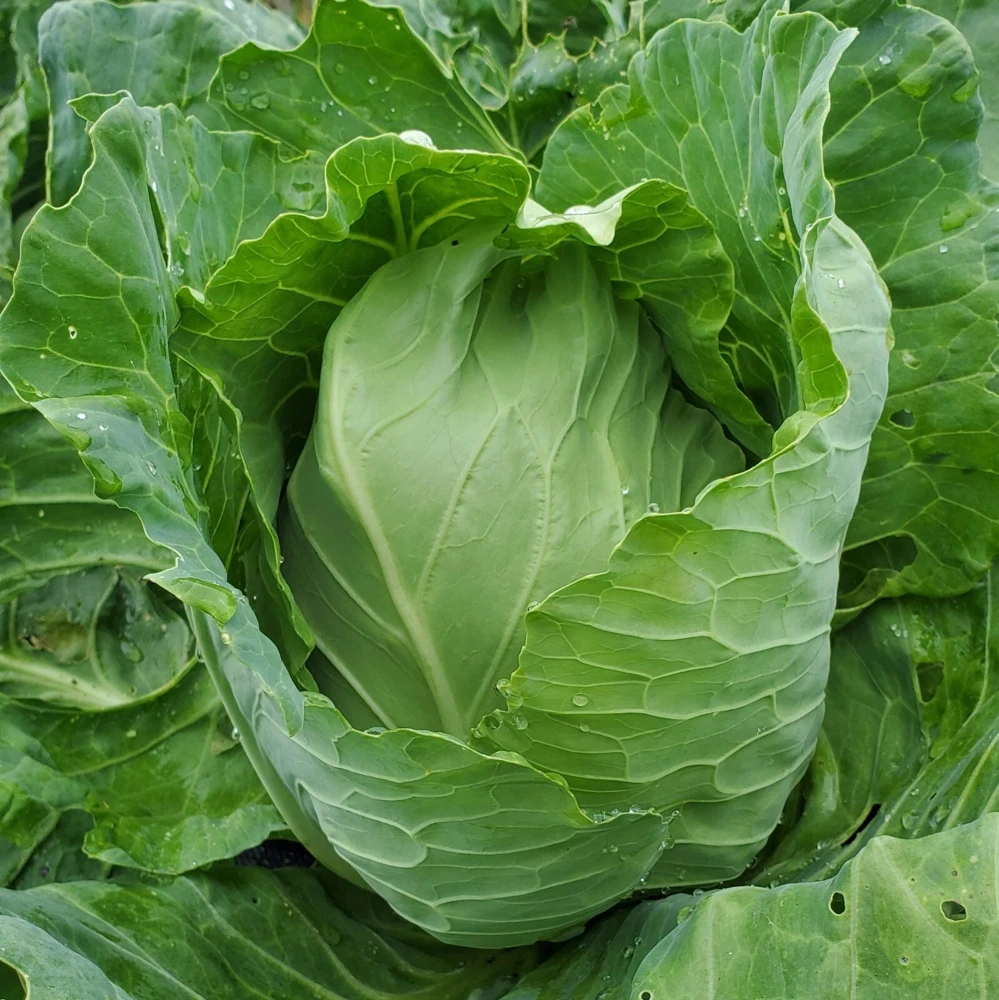
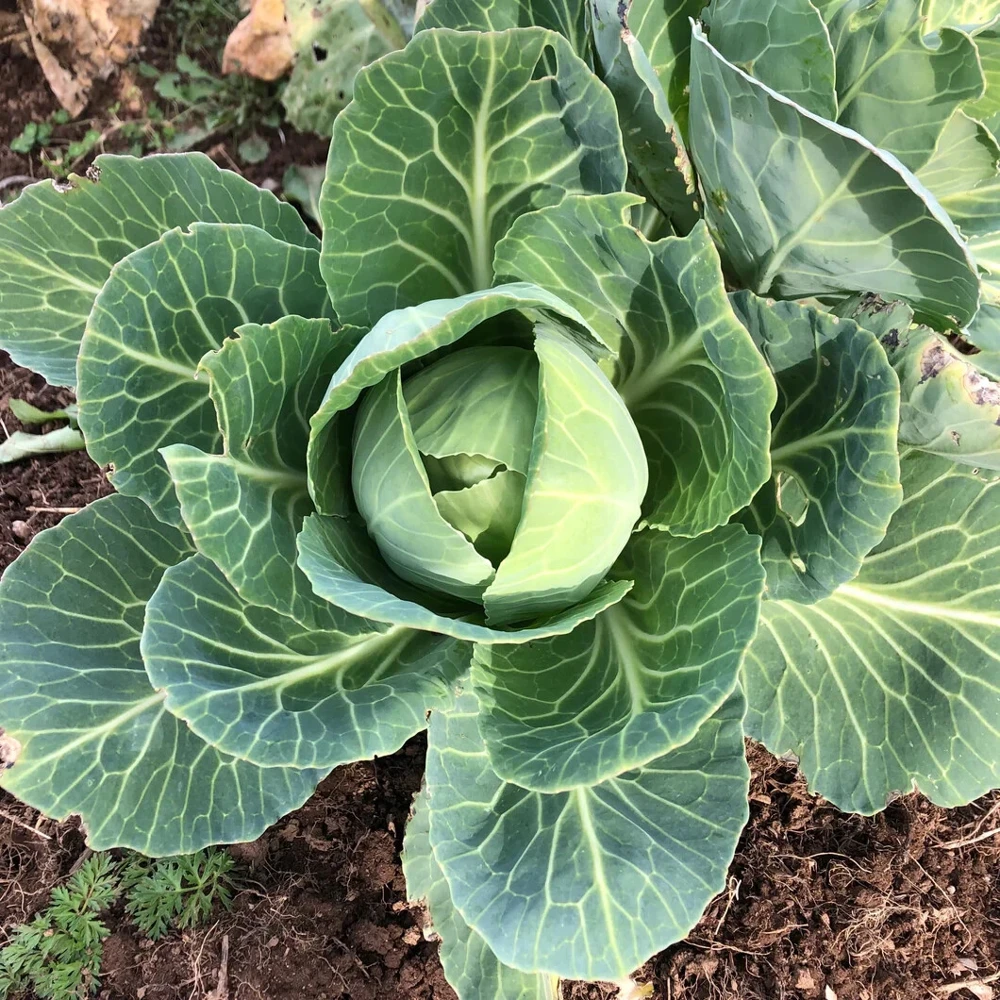
Cultivate your own delicious and classic Early Jersey Wakefield Cabbage with these premium seeds. Perfect for outdoor gardens, these seeds promise a compact, upright growth habit and vibrant green heads. Enjoy fresh, homegrown cabbage with ease.
Estimated arrival
Sep 19
Sep 24 - Sep 26
Sep 26 - Oct 01
See our Shipping Policy.
Get in touch with us via email, and our team will review your concerns.
Our Alive & Thrive Guarantee covers issues with your plants within the first 30 days. Read our Refund & Returns Policy.
-
USDA Hardiness Zone
Zones 3-12 -
Soil Type
Well-Drained, Loamy -
Sunlight Exposure
Full Sun -
Expected Planting Period
Spring to Fall
Overview
Embark on a rewarding gardening journey with our premium Early Jersey Wakefield Cabbage seeds. This heirloom variety is celebrated for its distinctive conical shape, tender leaves, and sweet, mild flavor, making it a favorite among home gardeners and culinary enthusiasts alike. The ‘Early Jersey Wakefield’ is a classic open-pollinated cabbage (Brassica oleracea) known for its reliability and early maturity, allowing you to enjoy fresh cabbage sooner. These seeds are perfect for anyone looking to add a robust and versatile vegetable to their garden, promising a bountiful harvest of compact, upright green cabbages that are excellent for salads, slaws, and cooking. Whether you’re a seasoned gardener or just starting, these seeds offer a straightforward and satisfying growing experience, ensuring you can easily grow Early Jersey Wakefield Cabbage right in your backyard.
Our selection ensures you receive high-quality seeds ready for planting. The Early Jersey Wakefield Cabbage seeds are chosen for their strong germination rates and genetic purity, providing you with the best possible start for a successful crop. This variety is particularly well-suited for temperate climates and can be planted across a wide range of USDA zones, demonstrating its adaptability. Get ready to experience the joy of harvesting your own crisp, flavorful cabbage heads, knowing exactly where your food comes from and how it was grown.
Key Benefits
Growing Early Jersey Wakefield Cabbage seeds offers numerous advantages for the home gardener, providing both culinary delight and gardening satisfaction. This variety stands out for its robust growth and delicious yield.
- Exceptional Flavor Profile: Enjoy the sweet, mild, and slightly peppery taste of fresh Early Jersey Wakefield Cabbage, perfect for a variety of dishes from fresh salads to hearty stews. The flavor is often superior to store-bought varieties.
- Early Maturity: As its name suggests, this cabbage variety matures relatively quickly, allowing for an earlier harvest compared to many other types. This means you can enjoy your homegrown cabbage sooner and potentially get multiple plantings in a season.
- Compact Growth Habit: The conical shape and compact growth of the Early Jersey Wakefield make it an ideal choice for smaller gardens or raised beds where space might be limited. Its upright form also helps keep leaves off the ground, reducing disease risk.
- Versatile Culinary Use: This cabbage is incredibly versatile in the kitchen. Use it raw in coleslaws, fermented for sauerkraut, steamed, sautéed, or added to soups and stir-fries. Its tender leaves hold up well to various cooking methods.
- Easy to Grow: Known for being an easy-to-cultivate vegetable, these Early Jersey Wakefield Cabbage seeds are suitable for gardeners of all experience levels. With basic care, you can expect a successful and rewarding harvest.
- Nutrient-Rich: Cabbage is packed with vitamins C and K, fiber, and antioxidants, making it a healthy addition to any diet. Growing your own ensures you have access to fresh, nutritious produce.
- Heirloom Quality: This open-pollinated heirloom variety means you can save seeds from your harvest to plant next year, preserving its unique characteristics and ensuring a sustainable gardening practice.
Plant Care & Growing Tips
Successfully growing Early Jersey Wakefield Cabbage seeds requires attention to a few key environmental factors and consistent care. Cabbage thrives in cool weather and well-prepared soil. Begin by sowing seeds indoors 4-6 weeks before the last frost date, or directly outdoors after the danger of frost has passed. Plant seeds about 1/2 inch deep and 1 inch apart. Once seedlings emerge, thin them to 18-24 inches apart in rows that are 2-3 feet apart to allow for proper growth and air circulation. This spacing is crucial for developing large, healthy heads.
Early Jersey Wakefield Cabbage prefers full sun, meaning at least 6 hours of direct sunlight per day. It performs best in well-drained, loamy soil with a pH between 6.0 and 7.5. Amend your soil with compost or well-rotted manure before planting to ensure adequate nutrients. Consistent moisture is vital for cabbage, especially during head formation. Water regularly, aiming for about 1 inch of water per week, either from rain or irrigation. Avoid overhead watering late in the day to prevent fungal diseases. Fertilize with a balanced fertilizer every 3-4 weeks, or use a slow-release granular fertilizer at planting time. Watch out for common pests like cabbage worms and aphids; use organic pest control methods if necessary. The cultivating difficulty is generally considered easy, making it a great choice for those interested in buying Wakefield Cabbage seeds.
This variety is tolerant of cold, sub-tropical, and temperate climates, thriving in USDA Hardiness Zones 3-12. Protecting young plants from extreme temperatures can be beneficial. Consider succession planting every few weeks for a continuous harvest throughout the season. Harvesting typically occurs about 60-75 days after transplanting or 80-100 days from direct seeding, when the heads are firm and solid. Simply cut the head at the base with a sharp knife. By following these guidelines, you’ll be well on your way to a successful harvest of crisp, delicious cabbage. Knowing how to grow Early Jersey Wakefield Cabbage successfully ensures a bountiful yield.
Size & Details
Our Early Jersey Wakefield Cabbage seeds are sourced to ensure high viability and produce robust plants. This variety is known for its distinctive conical shape, with mature heads typically weighing between 2-4 pounds. The plants themselves exhibit a compact, upright growth habit, reaching approximately 12-18 inches in height and spreading about 18-24 inches wide, making them efficient for garden space. The leaves are a vibrant green, forming a tight, pointed head.
These seeds are annuals, completing their life cycle within one growing season. They are designed for outdoor cultivation and are suitable for a wide range of climates from cold to temperate, specifically thriving across USDA Hardiness Zones 3-12. With medium watering requirements and full sun exposure, they are relatively low maintenance. Expect to harvest approximately 60-75 days after transplanting. Each seed packet contains a generous quantity, allowing for multiple plantings or a substantial harvest from your garden. This classic cabbage variety is a large, classic cabbage, perfect for any home garden.
Frequently Asked Questions
- Q: How big do Early Jersey Wakefield Cabbage heads get? A: Early Jersey Wakefield Cabbage typically produces conical heads weighing between 2 to 4 pounds, reaching maturity in about 60-75 days after transplanting.
- Q: Is this an indoor or outdoor plant? A: The Early Jersey Wakefield Cabbage is an outdoor plant, thriving in garden beds where it can receive full sun and proper air circulation.
- Q: How much sunlight does Early Jersey Wakefield Cabbage need? A: This cabbage variety requires full sun, meaning at least 6 hours of direct sunlight per day, for optimal growth and head development.
- Q: Is this plant easy to care for? A: Yes, Early Jersey Wakefield Cabbage is considered an easy-to-grow vegetable, suitable for beginners. It requires consistent watering, good soil, and adequate sunlight.
- Q: When is the best time to plant Early Jersey Wakefield Cabbage seeds? A: You can sow seeds indoors 4-6 weeks before the last frost for transplanting, or directly outdoors after the danger of frost has passed in spring or late summer for a fall harvest. This makes buying Wakefield Cabbage seeds a flexible option for gardeners.
- Q: What type of soil is best for growing Early Jersey Wakefield Cabbage? A: Well-drained, loamy soil with a pH between 6.0 and 7.5 is ideal for growing Early Jersey Wakefield Cabbage. Enriching the soil with compost will also promote healthy growth.
- Q: Will Early Jersey Wakefield Cabbage survive winter in my zone? A: As an annual, the plant will complete its life cycle in one season. However, mature plants can tolerate light frosts, and in milder climates (USDA Zones 8-10), a fall planting might overwinter to produce an early spring crop.
- Q: How long until I can harvest Early Jersey Wakefield Cabbage? A: You can typically expect to harvest your Early Jersey Wakefield Cabbage heads approximately 60-75 days after transplanting seedlings, or 80-100 days if direct seeding.
- Q: Can I save seeds from my Early Jersey Wakefield Cabbage plants? A: Yes, as an open-pollinated heirloom variety, you can save seeds from healthy, mature plants to replant in subsequent seasons, preserving the genetic characteristics of this classic cabbage.
| Seed Amount | 1000 Seeds Or 1/8 Oz, 128K Seeds Or 1 Lb, 16K Seeds Or 2 Oz, 2000 Seeds Or 1/4 Oz, 250 Seeds, 32K Seeds Or 1/4 Lb, 500 Seeds, 64K Seeds Or 1/2 Lb, 8000 Seeds Or 1 Oz |
|---|
Be the first to review “Early Jersey Wakefield Cabbage Seeds – Easy Grow, Green, Outdoor”
Related products


Vegetable Seeds
Tendersweet Carrot Seeds – 1500 Count, Deep Orange Red Vegetable

You May Like
5 Best Bulbs for Fall Planting: Brighten Your Garden This Spring
Are you dreaming of a garden full of vibrant colors in the spring? The key [...]
Aug
How to Repot Houseplants Like a Pro
Do your houseplants look like they’ve outgrown their pots? Are their roots popping out of [...]
Aug
10 Houseplants That Will Thrive in Your Kitchen
Are you tired of your kitchen feeling dull and lifeless? Want to add a little [...]
Aug
Reviews
There are no reviews yet.