
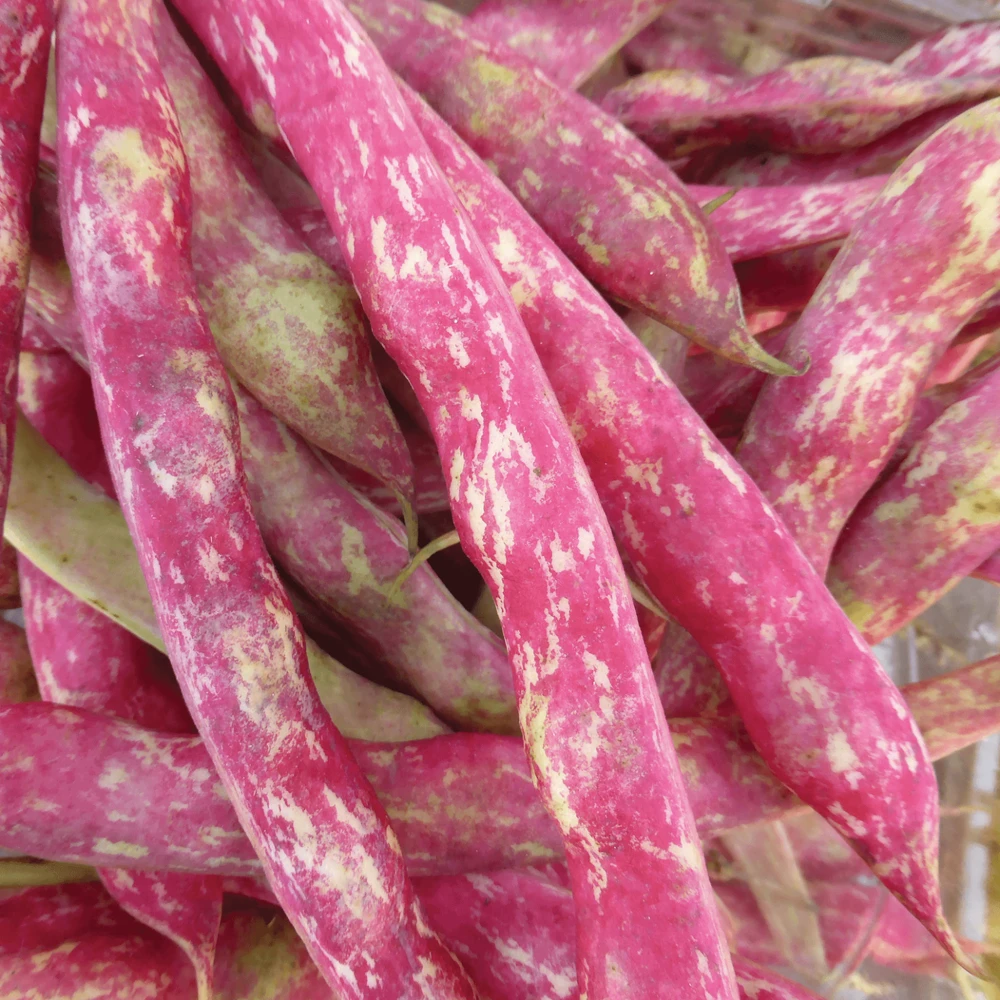
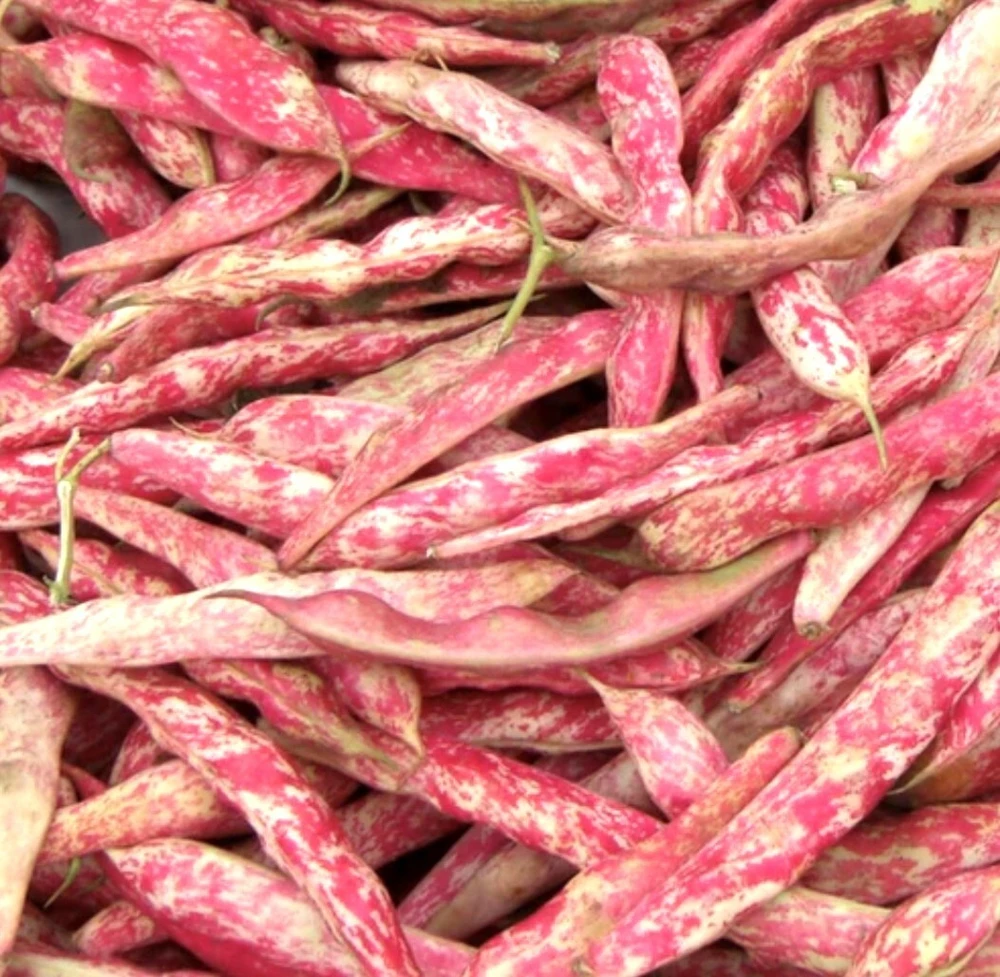
Haricot Tarbais Shell Bean Seeds – French Horticulture, High Yielding, Easy Grow
From 24.63 $
Cultivate your own gourmet Haricot Tarbais shell bean seeds, a classic French horticulture variety known for its exceptional flavor and texture. These easy-to-grow, high-yielding bush beans are perfect for home gardens, producing prolific harvests in both spring and fall. Enjoy fresh, delicious beans straight from your garden.
Estimated arrival
Sep 19
Sep 24 - Sep 26
Sep 26 - Oct 01
See our Shipping Policy.
Get in touch with us via email, and our team will review your concerns.
Our Alive & Thrive Guarantee covers issues with your plants within the first 30 days. Read our Refund & Returns Policy.
-
USDA Hardiness Zone
Zones 3-12 -
Soil Type
Loam, well-draining -
Sunlight Exposure
Full Sun -
Expected Planting Period
Spring to Fall
Overview
Embark on a culinary journey with our premium Haricot Tarbais shell bean seeds. This esteemed French horticulture variety is renowned for its large, tender, and creamy beans, making it a favorite among chefs and home gardeners alike. Originating from the Tarbes region of France, these heirloom seeds promise an authentic taste experience. Unlike many common beans, the Haricot Tarbais is specifically grown for its shelling beans, which are perfect for soups, stews, and classic cassoulet dishes. Our high-quality seeds ensure a robust start to your garden, allowing you to cultivate these prolific plants with ease. Experience the satisfaction of growing your own gourmet beans, bringing a touch of French culinary tradition to your table.
These French horticulture beans are an annual bush variety of Phaseolus vulgaris, thriving outdoors in a wide range of climates. They are characterized by their vigorous growth and generous yields, producing beautiful red and white mottled pods. The ease of cultivation makes them suitable for both novice and experienced gardeners looking to add a distinctive and delicious vegetable to their harvest. Prepare to enjoy abundant crops of these versatile beans, celebrated for their delicate flavor and smooth texture.
Key Benefits
Growing Haricot Tarbais shell bean seeds offers numerous advantages for the home gardener, from their ease of cultivation to their impressive culinary versatility. These beans are not only a joy to grow but also a delicious addition to any meal.
- High Yielding & Prolific: Expect abundant harvests from these vigorous bush plants. The Haricot Tarbais is known for its ability to produce a large quantity of beans, ensuring a plentiful supply for your kitchen throughout the season.
- Gourmet Quality: These French horticulture beans are prized for their superior taste and creamy texture, making them an excellent choice for traditional French dishes and everyday cooking. Their delicate flavor elevates any recipe.
- Easy to Grow: With a ‘Cultivating Difficulty: Easy’ rating, these seeds are perfect for gardeners of all skill levels. They require minimal fuss and thrive in various conditions, making gardening enjoyable and rewarding.
- Versatile Culinary Use: Ideal for shelling, these beans can be used fresh, dried, or frozen. They are a staple in classic dishes like cassoulet, but also shine in salads, side dishes, and hearty stews.
- Adaptable to Various Climates: Suitable for USDA Hardiness Zones 3-12, these beans demonstrate excellent adaptability, allowing a broad range of gardeners to successfully grow them. They perform well in both cold and temperate climates.
- Nutrient-Rich: Like most legumes, Haricot Tarbais beans are a great source of plant-based protein, fiber, and essential vitamins and minerals, contributing to a healthy diet.
- Bush Growth Habit: The bush growth habit means no trellising is required, saving space and making harvesting simpler. This compact growth is ideal for smaller gardens or container planting.
Plant Care & Growing Tips
Successfully growing Haricot Tarbais shell bean seeds is straightforward, thanks to their adaptable nature and easy cultivation. To ensure a bountiful harvest, understanding their basic needs for sunlight, soil, and water is key. These beans thrive outdoors and prefer full sun exposure, meaning at least 6-8 hours of direct sunlight per day. Choose a location in your garden that receives ample sunlight throughout the growing season.
Soil preparation is crucial for optimal growth. Haricot Tarbais beans prefer well-draining loam soil with a pH between 6.0 and 6.8. Before planting, amend heavy clay soils with organic matter to improve drainage and aeration. For sandy soils, adding compost will enhance water retention and nutrient availability. Plant seeds directly into the garden after all danger of frost has passed, typically when soil temperatures reach at least 60°F (15°C). Space seeds about 3-4 inches apart and 1 inch deep in rows, with rows 18-24 inches apart. Consistent watering is essential, especially during flowering and pod development. Keep the soil consistently moist but not waterlogged. Medium watering is generally sufficient; check the soil moisture regularly.
These easy grow shell beans are annuals, completing their life cycle within one growing season. They are relatively low-maintenance, but a balanced fertilizer can be applied if soil tests indicate nutrient deficiencies. Avoid excessive nitrogen, which can promote leafy growth at the expense of bean production. Monitor plants for common bean pests and diseases, and address any issues promptly with organic solutions if possible. The ‘Cultivating Difficulty: Easy’ rating truly reflects the minimal effort required to achieve a rewarding crop of these delicious beans. Harvesting typically occurs in Fall and Spring, depending on your planting schedule, approximately 10 weeks after planting.
Size & Details
These Haricot Tarbais shell bean seeds will develop into robust bush plants, reaching a manageable height suitable for most home gardens without the need for extensive support. While specific mature dimensions can vary slightly based on growing conditions, expect healthy, compact plants that produce abundant pods. The beans themselves are large, typically white with a creamy texture once cooked, and are contained within attractive red and white mottled pods. Each seed packet contains a generous quantity of seeds, ensuring you have enough to establish a productive patch. These beans are perfect for shelling and can be enjoyed fresh, frozen, or dried for year-round culinary use. They are known for their prolific nature, ensuring a high yield from each plant.
The life cycle of these beans is annual, meaning they complete their growth, produce seeds, and die within one growing season. They are a species of Phaseolus vulgaris, commonly known as common beans. The features include ‘High Yielding’ and ‘Prolific,’ underscoring their productivity. They are cultivated as a ‘Shelling Bean’ type, emphasizing their primary use. The optimal planting time is typically around 10 weeks before desired harvest, allowing for both spring and fall seasons of interest, depending on your local climate. This makes them a versatile choice for extending your harvest period. These Phaseolus vulgaris seeds are ideal for anyone seeking a rewarding and delicious gardening project.
Frequently Asked Questions
- Q: How big do these Haricot Tarbais shell bean plants get? A: These are bush-type beans, meaning they grow compactly and generally do not require staking. They typically reach a height of about 18-24 inches, making them suitable for various garden sizes and even container planting.
- Q: Is this an indoor or outdoor plant? A: The Haricot Tarbais shell bean seeds are intended for outdoor cultivation. They require full sun and thrive in garden beds, producing best when grown directly in the ground.
- Q: How much sunlight do these beans need? A: These beans require full sun, which means at least 6 to 8 hours of direct sunlight per day. Adequate sunlight is crucial for optimal growth and a high yield of pods.
- Q: Is this plant easy to care for? A: Yes, these beans are rated as ‘Easy’ in terms of cultivating difficulty. They are relatively low-maintenance once established, needing consistent watering and good soil conditions to flourish.
- Q: What condition will the seeds arrive in? A: The product consists of high-quality seeds, packaged to ensure freshness and viability. You will receive a packet of seeds ready for planting in your garden.
- Q: When is the best time to plant Haricot Tarbais shell bean seeds? A: The best time to plant is after the last danger of frost in spring, when soil temperatures have warmed to at least 60°F (15°C). You can also plant for a fall harvest in many regions.
- Q: Will these beans survive winter in my zone? A: As annuals, Haricot Tarbais beans will not survive winter. They complete their life cycle within one growing season. However, they are suitable for planting in USDA Hardiness Zones 3-12 during their growing season.
- Q: What type of soil is best for these French horticulture beans? A: These beans prefer well-draining loam soil with a slightly acidic to neutral pH, ideally between 6.0 and 6.8. Good drainage is essential to prevent root rot.
- Q: Can I save seeds from my harvest? A: Yes, you can save seeds from your healthiest plants for future plantings. Allow some pods to fully mature and dry on the vine before harvesting for seed saving.
- Q: What are the primary uses for these high yielding bean seeds? A: These beans are primarily used as shelling beans, meaning the beans are removed from the pod and cooked. They are excellent in soups, stews, casseroles, and traditional French dishes like cassoulet.
| Seed Quantity | 115 Seeds Or 2 Oz, 230 Seeds Or 1/4 Lb, 460 Seeds Or 1/2 Lb, 55 Seeds Or 1 Oz |
|---|
Be the first to review “Haricot Tarbais Shell Bean Seeds – French Horticulture, High Yielding, Easy Grow”
Related products


Vegetable Seeds
250 Barese Swiss Chard Seeds – Perpetual Spinach Beta Vulgaris Vegetable Seeds for Garden

Vegetable Seeds
Tendercrisp Celery Seeds – 1000 Count Vegetable Seeds for Garden


Vegetable Seeds
3000 White Boston Lettuce Seeds – Green Butterhead Vegetable, Lactuca Sativa, 6-12″ Tall


You May Like
5 Best Bulbs for Fall Planting: Brighten Your Garden This Spring
Are you dreaming of a garden full of vibrant colors in the spring? The key [...]
Aug
How to Repot Houseplants Like a Pro
Do your houseplants look like they’ve outgrown their pots? Are their roots popping out of [...]
Aug
10 Houseplants That Will Thrive in Your Kitchen
Are you tired of your kitchen feeling dull and lifeless? Want to add a little [...]
Aug
Reviews
There are no reviews yet.