


Honeyberry Seeds – 30 Edible Blue Honeysuckle (Lonicera Caerulea) Shrub Seeds
Original price was: 32.99 $.12.99 $Current price is: 12.99 $.
Discover the joy of growing your own honeyberry seeds. This packet contains 30 edible honeysuckle seeds (Lonicera Caerulea ‘Beilei #2’), perfect for cultivating a fruit-bearing shrub in your garden. Enjoy sweet blue berries and attractive cream flowers.
Estimated arrival
Sep 18
Sep 23 - Sep 25
Sep 25 - Sep 30
See our Shipping Policy.
Get in touch with us via email, and our team will review your concerns.
Our Alive & Thrive Guarantee covers issues with your plants within the first 30 days. Read our Refund & Returns Policy.
-
USDA Hardiness Zone
2-7 -
Soil Type
Average, well-draining soil -
Sunlight Exposure
Full sun - Part shade -
Expected Planting Period
Outdoors after frost / Fall / Cold stratify / Indoors weeks before last frost
Overview
Embark on a rewarding gardening journey with these high-quality honeyberry seeds. You will receive 30 edible honeysuckle seeds of the Lonicera Caerulea ‘Beilei #2’ variety, also known as Sweetberry Honeysuckle or Haskap. Honeyberries are a fascinating and delicious fruit-bearing shrub, gaining popularity for their unique flavor profile and nutritional benefits. These seeds offer an excellent opportunity to establish a hardy and productive plant in your garden, providing fresh, sweet-tart blue berries year after year. The plants produce delicate cream-colored flowers in early spring, followed by an abundant harvest of fruit in early summer. Growing honeyberries from seed allows you to experience the full life cycle of this remarkable plant, from germination to delicious fruit production.
The honeyberry seeds are ideal for gardeners looking to add an unusual and highly beneficial fruit to their landscape. Lonicera Caerulea is known for its resilience and adaptability, thriving in a range of climates. The ‘Beilei #2’ variety ensures you are planting a specific and desirable type of honeyberry, known for its fruit quality. These shrubs are not only productive but also add ornamental value with their attractive foliage and early blooms. Cultivating haskap seeds is a sustainable way to enjoy fresh, homegrown fruit, and these seeds are a fantastic starting point for any enthusiast.
Key Benefits
Growing honeyberry seeds offers numerous advantages, from the delight of fresh fruit to enhancing your garden’s biodiversity. These benefits make them a superb choice for both novice and experienced gardeners.
- Delicious Edible Fruit: Enjoy a bountiful harvest of sweet and slightly tart blue berries from June to July. Honeyberries are often compared to blueberries but with their own distinct, complex flavor, perfect for fresh eating, jams, pies, or smoothies.
- Hardy & Resilient: These shrubs are incredibly tough, thriving in USDA Hardiness Zones 2-7. They can withstand cold winters and are generally low-maintenance once established, making them a reliable addition to many garden types.
- Early Spring Blooms: Delicate cream-colored flowers emerge in early spring, providing an early source of nectar for pollinators and signaling the start of the growing season. This early bloom time is attractive and beneficial for local ecosystems.
- Nutrient-Rich Berries: Honeyberries are packed with antioxidants, vitamins, and minerals, contributing to a healthy diet. Growing your own ensures you have access to fresh, chemical-free, highly nutritious fruit.
- Attractive Shrub for Landscaping: Beyond their fruit, honeyberry plants grow into attractive shrubs, reaching 3-5 feet tall and wide. They can be used in edible landscapes, hedgerows, or as standalone specimen plants, adding beauty and function.
- Easy to Grow from Seed: With proper cold stratification, these lonicera caerulea seeds are straightforward to germinate, allowing you to cultivate multiple plants cost-effectively and observe their growth from the very beginning.
- Versatile Sun Requirements: Honeyberries perform best in full sun but can tolerate part shade, offering flexibility in garden placement and making them suitable for various garden aspects.
Plant Care & Growing Tips
Successfully growing honeyberry seeds requires a bit of patience and adherence to specific care guidelines. For optimal germination, these seeds require cold stratification. This process mimics natural winter conditions and breaks seed dormancy. You can achieve this by placing the seeds in a moist medium (like sand or peat moss) in a sealed bag in your refrigerator for 60-90 days before planting. Once stratified, sow the seeds outdoors after the last frost in spring, or indoors several weeks before the last frost for an earlier start. Plant them about 1/4 inch deep in well-draining soil.
Honeyberry plants, once established from these edible honeysuckle seeds, prefer a location with full sun to part shade. Full sun encourages the best fruit production. They thrive in average, well-draining soil, but are quite adaptable to various soil types. Water regularly, especially during dry spells and when the fruit is developing, to ensure consistent moisture without waterlogging. Aim for about 1 inch of water per week, either from rain or irrigation. Fertilize lightly in early spring with a balanced slow-release fertilizer designed for fruit-bearing shrubs. Pruning is generally minimal; remove any dead or weak branches in late winter to maintain plant health and shape. These plants are hardy in USDA Zones 2-7, making them suitable for a wide range of climates and a great choice for those looking to grow blue honeysuckle seeds.
Pest and disease issues are generally uncommon for honeyberries, making them a relatively low-maintenance fruit crop. Monitor for common garden pests, but severe infestations are rare. Ensure good air circulation around the plants to prevent fungal issues. With proper care, your honeyberry shrubs will grow to 3-5 feet tall and 3-4 feet wide, producing delicious fruit for many years. Remember that while honeyberries are self-fertile, planting two different varieties can significantly increase fruit yield. Consider planting another Lonicera Caerulea variety nearby to maximize your harvest of these delightful berries from your haskap seeds.
Size & Details
This product includes 30 honeyberry seeds of the Lonicera Caerulea ‘Beilei #2’ variety. When mature, these deciduous shrubs typically reach a height of 3-5 feet (approximately 90-150 cm) and a spread of 3-4 feet (approximately 90-120 cm). The plant spacing should be around 3-4 feet within rows, with rows spaced 6-10 feet apart to allow for proper growth and air circulation. Expect cream-colored flowers to bloom in early spring, followed by the development of blue, edible berries. The harvest season for the fruit is typically from June to July. These plants are cold hardy, thriving in USDA Hardiness Zones 2-7, making them suitable for a wide range of temperate climates. Light requirements range from full sun to part shade, with full sun promoting the best fruit yield. The seeds will arrive in a protective packet, ready for stratification and planting.
Frequently Asked Questions
- Q: How big does this plant get? A: The honeyberry shrub typically grows to a height of 3-5 feet (90-150 cm) and spreads 3-4 feet (90-120 cm) wide, forming a moderately sized, bushy plant. Proper spacing will encourage healthy growth and fruit production.
- Q: Is this an indoor or outdoor plant? A: Honeyberry (Lonicera Caerulea) is primarily an outdoor plant, well-suited for temperate climates. It requires seasonal changes, including a cold dormancy period, to thrive and produce fruit, making it unsuitable for long-term indoor cultivation.
- Q: How much sunlight does it need? A: For the best fruit production, honeyberry plants require full sun (at least 6-8 hours of direct sunlight per day). However, they can tolerate and still produce fruit in partial shade, especially in hotter climates.
- Q: Is this plant easy to care for? A: Yes, honeyberries are considered relatively easy to care for once established. They are hardy, disease-resistant, and require minimal pruning. The main care involves ensuring adequate water and light, especially during fruit development.
- Q: Can I use honeyberry fruit in cooking? A: Absolutely! The blue berries from your honeyberry seeds are delicious raw, and can be used in a variety of culinary applications such as jams, jellies, pies, sauces, smoothies, or even infused in beverages. Their unique sweet-tart flavor is quite versatile.
- Q: How long until it blooms and fruits? A: Honeyberry plants grown from seed typically begin to bloom and produce a small amount of fruit in their second or third year. Significant harvests usually start from the third year onwards, with plants reaching peak production around 5-7 years.
- Q: Will it survive winter in my zone? A: Honeyberry plants are exceptionally cold hardy and thrive in USDA Hardiness Zones 2-7. They are very tolerant of cold winter temperatures, making them an excellent choice for northern climates where other fruit shrubs might struggle.
- Q: What condition will the seeds arrive in? A: Your honeyberry seeds will arrive carefully packaged in a protective seed packet, ensuring their viability for planting. Instructions for cold stratification and planting will often be included or easily found.
- Q: What’s the best time to plant honeyberry seeds? A: After cold stratification, the best time to plant haskap seeds outdoors is in early spring after the last frost. For an earlier start, you can sow them indoors several weeks before the last expected frost date.
- Q: Is it good for beginners? A: Yes, honeyberries are a great choice for beginner gardeners. Their hardiness, relatively low maintenance requirements, and resistance to most pests and diseases make them a forgiving and rewarding plant to grow, especially from these lonicera caerulea seeds.
Be the first to review “Honeyberry Seeds – 30 Edible Blue Honeysuckle (Lonicera Caerulea) Shrub Seeds”
Related products


Fruit Seeds
Southern Highbush Blueberry Seeds – 50 Pre-Stratified Vaccinium Corymbosum Fruit Bush Seeds


Fruit Seeds
Ruegen Alpine Strawberry Seeds – 60 Count Everbearing Fragaria Vesca Red Fruit White Flower
You May Like
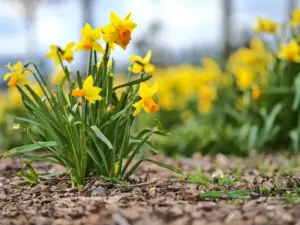
5 Best Bulbs for Fall Planting: Brighten Your Garden This Spring
Are you dreaming of a garden full of vibrant colors in the spring? The key [...]
Aug
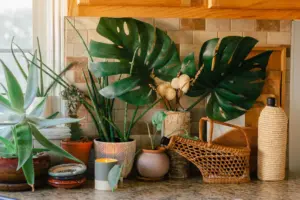
How to Repot Houseplants Like a Pro
Do your houseplants look like they’ve outgrown their pots? Are their roots popping out of [...]
Aug
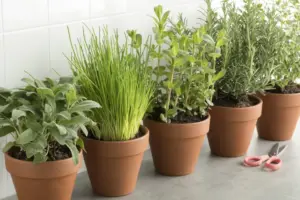
10 Houseplants That Will Thrive in Your Kitchen
Are you tired of your kitchen feeling dull and lifeless? Want to add a little [...]
Aug
Reviews
There are no reviews yet.