


Inaba Shidare Japanese Maple Tree Seeds – 10 Weeping Red Laceleaf Acer Palmatum Dissectum
Original price was: 32.99 $.12.99 $Current price is: 12.99 $.
Cultivate stunning Inaba Shidare Japanese Maple Tree seeds and enjoy a cascade of vibrant red laceleaf foliage. These Acer Palmatum ‘Inaba Shidare’ seeds are perfect for adding year-round color to your garden, transforming from dark purple in spring to fiery crimson in fall. Each pack contains 10 high-quality seeds for successful planting.
Estimated arrival
Sep 18
Sep 23 - Sep 25
Sep 25 - Sep 30
See our Shipping Policy.
Get in touch with us via email, and our team will review your concerns.
Our Alive & Thrive Guarantee covers issues with your plants within the first 30 days. Read our Refund & Returns Policy.
-
USDA Hardiness Zone
5 - 9 -
Soil Type
Average, well-draining soil -
Sunlight Exposure
Sun - Part Shade -
Expected Planting Period
Outdoors after frost / Fall / Cold stratify / Indoors weeks before last frost
Overview
Embark on the rewarding journey of growing your own spectacular Inaba Shidare Japanese Maple Tree seeds. This exquisite variety, scientifically known as Acer Palmatum var. Dissectum ‘Inaba Shidare’, is renowned for its deeply cut, lace-like foliage and graceful weeping habit. Often referred to as the Weeping Red Laceleaf Japanese Maple, Cut Leaf Maple, or Dissected Maple, the ‘Inaba Shidare’ offers a captivating display of colors throughout the seasons. From dark purple in spring, its leaves transition to a brilliant red in summer, culminating in a fiery crimson red in autumn. These Japanese maple seeds for sale provide an opportunity to cultivate a truly magnificent specimen that will become a focal point in any garden or landscape.
Each packet contains 10 premium Acer Palmatum ‘Inaba Shidare’ seeds, ready for stratification and planting. Growing Japanese Maples from seed is a fulfilling experience that allows you to nurture these beautiful trees from their earliest stages. The ‘Inaba Shidare’ is celebrated for its vigorous growth and ability to thrive in a range of conditions, making it a popular choice for both seasoned gardeners and enthusiastic beginners.
Key Benefits
The Inaba Shidare Japanese Maple Tree seeds offer numerous advantages for enhancing your outdoor space, providing beauty and interest throughout the year. Cultivating this stunning variety from seed allows you to enjoy its unique characteristics and the satisfaction of growing a tree from its very beginning.
- Stunning Seasonal Color: Experience a dynamic color transformation throughout the year. The foliage emerges dark purple in spring, brightens to a brilliant red in summer, and ignites with a fiery crimson in fall, offering continuous visual appeal.
- Elegant Weeping Form: The graceful, cascading branches create an architectural focal point in any garden. This natural weeping habit makes it an ideal specimen tree for various landscape designs.
- Exceptional Foliage Texture: The deeply dissected, lace-like leaves provide a delicate and intricate texture, adding a sophisticated element to your garden’s aesthetic. This unique foliage is a hallmark of the ‘Inaba Shidare’ variety.
- Versatile Garden Use: Perfect as a standalone specimen, in mixed borders, or even in large containers. Its moderate size makes it suitable for various garden scales, from small urban gardens to expansive landscapes.
- Hardy & Adaptable: Thrives in USDA Hardiness Zones 5-9, demonstrating good resilience to a range of climates. This hardiness ensures that your weeping red laceleaf maple will flourish for many years to come.
- Rewarding Growing Experience: Starting from Acer Palmatum ‘Inaba Shidare’ seeds offers a deeply satisfying gardening project, allowing you to witness the tree’s development from a tiny seed to a magnificent mature plant.
- Long-Term Investment: Japanese Maples are long-lived trees that increase in beauty and value over time, becoming treasured heirlooms in your garden. Learning how to grow Japanese maple from seed is a valuable skill.
Plant Care & Growing Tips
Successfully growing Inaba Shidare Japanese Maple Tree seeds requires understanding their specific needs, particularly regarding stratification and proper planting. Japanese Maples generally prefer a site with morning sun and afternoon shade, especially in hotter climates, to protect their delicate foliage from scorching. They thrive in well-draining, slightly acidic soil. When planting your stratified seeds, ensure the soil is consistently moist but not waterlogged. Once germinated, young seedlings will need protection from strong winds and intense sun.
For best results, cold stratify your weeping red laceleaf maple seeds before planting. This can be done by placing the seeds in a moist medium (like peat moss or sand) in a sealed bag and refrigerating them for 90-120 days. After stratification, plant the seeds outdoors after the last frost, or indoors several weeks before the last expected frost. Maintain consistent moisture and provide partial shade for optimal growth. Once established, these trees are relatively low-maintenance, requiring regular watering during dry periods and a light application of balanced fertilizer in spring. Understanding how to grow Japanese maple from seed effectively will lead to a thriving tree.
Acer Palmatum ‘Inaba Shidare’ seeds prefer average soil and water conditions. Avoid heavy, compacted soils and ensure good drainage to prevent root rot. While they can tolerate full sun in cooler climates, a location with some afternoon shade is generally recommended, especially in warmer USDA Zones 7-9. Protect young trees from extreme winter conditions in the lower end of their hardiness range. Pruning should be done in late winter or early spring to shape the tree and remove any dead or crossing branches, maintaining its beautiful weeping form.
Size & Details
These Inaba Shidare Japanese Maple Tree seeds will grow into a magnificent specimen with a mature height typically ranging from 6 to 10 feet. The spread of the tree can be quite expansive, often reaching 15 to 20 feet, creating a beautiful umbrella-like canopy. The seeds are provided in a quantity of 10, giving you multiple opportunities to successfully cultivate this stunning variety. With proper care and ideal growing conditions, you can expect these weeping red laceleaf maple trees to establish and grow at a moderate rate.
The seeds are ready for planting after undergoing the necessary cold stratification period, which mimics natural winter conditions. Bloom time for the parent tree is typically in spring, around April, with the focus being on the spectacular foliage display rather than showy flowers. This product is for Acer Palmatum ‘Inaba Shidare’ seeds, not a live plant, allowing you the joy of nurturing your tree from its very beginning. The mature tree will become a cherished feature in your landscape, providing beauty for decades.
Frequently Asked Questions
- Q: How big does the Inaba Shidare Japanese Maple get? A: The mature tree typically reaches a height of 6 to 10 feet with a spread of 15 to 20 feet, creating a beautiful weeping form. Its size makes it suitable for various garden settings.
- Q: Is this an indoor or outdoor plant? A: The Inaba Shidare Japanese Maple Tree is an outdoor plant, best suited for gardens and landscapes. It thrives in USDA Hardiness Zones 5-9.
- Q: How much sunlight does it need? A: This tree prefers sun to part shade. In warmer climates, it benefits from afternoon shade to protect its delicate foliage from scorching, while in cooler zones, it can tolerate more sun.
- Q: Is growing Japanese Maple from seed difficult? A: Growing Japanese maple seeds for sale requires patience and specific steps like cold stratification, but it is a very rewarding process for gardeners of all levels. Following proper instructions will yield good results.
- Q: What condition will the seeds arrive in? A: You will receive 10 high-quality, dormant Acer Palmatum ‘Inaba Shidare’ seeds, ready for cold stratification and planting. They are carefully packaged to ensure viability.
- Q: When is the best time to plant Inaba Shidare Japanese Maple seeds? A: After cold stratification, plant the seeds outdoors after the last frost in spring, or start them indoors several weeks before the last frost for an earlier start. Fall planting after stratification is also an option.
- Q: What is the hardiness zone for this weeping red laceleaf maple? A: The weeping red laceleaf maple is hardy in USDA Zones 5-9, making it suitable for a wide range of climates across the United States.
- Q: Do I need to cold stratify these Inaba Shidare Japanese Maple Tree seeds? A: Yes, cold stratification is essential for successful germination of these seeds. It mimics the natural winter conditions required to break seed dormancy.
- Q: How long does it take for the seeds to germinate? A: Germination times can vary, but typically, you can expect seedlings to emerge several weeks after planting, following a successful cold stratification period.
- Q: What kind of soil does the Inaba Shidare prefer? A: This Japanese Maple prefers average, well-draining soil. Avoid heavy, clay-like soils and ensure the planting site has good drainage.
Be the first to review “Inaba Shidare Japanese Maple Tree Seeds – 10 Weeping Red Laceleaf Acer Palmatum Dissectum”
Related products


You May Like
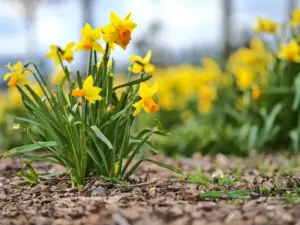
5 Best Bulbs for Fall Planting: Brighten Your Garden This Spring
Are you dreaming of a garden full of vibrant colors in the spring? The key [...]
Aug
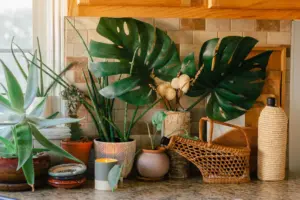
How to Repot Houseplants Like a Pro
Do your houseplants look like they’ve outgrown their pots? Are their roots popping out of [...]
Aug
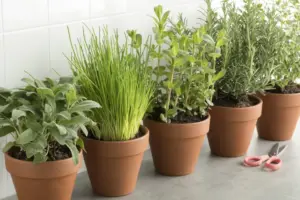
10 Houseplants That Will Thrive in Your Kitchen
Are you tired of your kitchen feeling dull and lifeless? Want to add a little [...]
Aug
Reviews
There are no reviews yet.